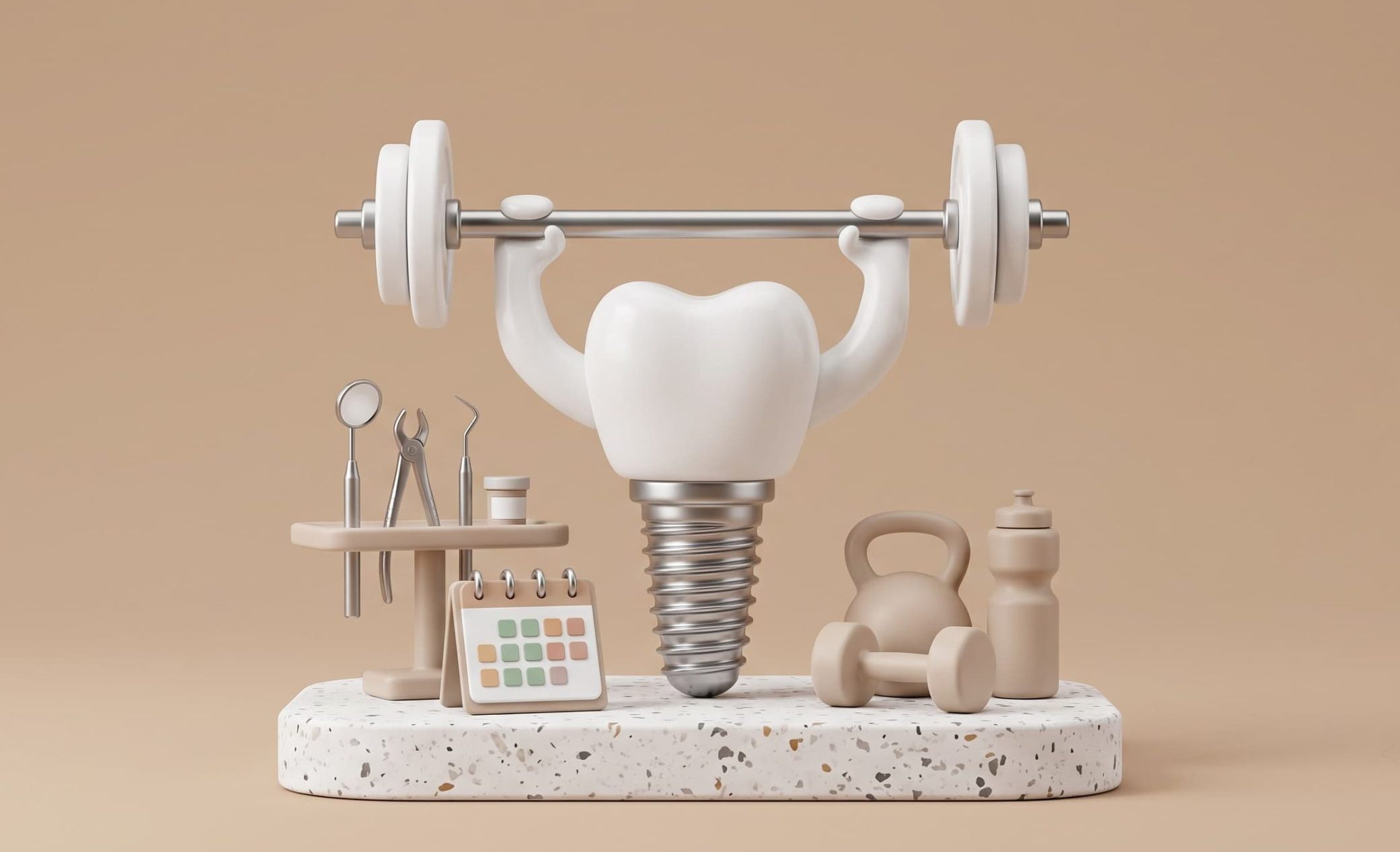
Most people can walk the day after dental implant surgery, but very few should be back in the gym that week. The usual advice is a short rest, then light movement, then normal training once the surgical site has settled, and the length of each stage depends on how much was done in your mouth.
Exercise raises your heart rate and blood pressure, and the area that was just operated on is the part of your body least able to cope with that for the first few days. Bleeding is the main early concern, followed by pain and pressure at the site.
This guide covers when different kinds of exercise are usually reasonable, how bone grafting and sinus work change the timeline, which workouts need the most care and which symptoms mean you should stop. It is general guidance. Your dentist sets the dates for your case.
Quick Answer
After dental implant surgery, most patients rest from strenuous exercise for at least 48 to 72 hours, then add gentle walking, and return to moderate exercise at around one week if bleeding has stopped and swelling is easing. Heavy lifting, running and high intensity training usually wait longer, and bone grafting or a sinus lift extends the wait. Your dentist confirms the dates.
Why Exercise Affects Healing in the First Days
Exercise matters most in the first days because the surgical site is still sealed by a fresh blood clot rather than by healed tissue. A rise in heart rate and blood pressure can push against that clot and restart bleeding, which is why oral surgeons describe bleeding as the main risk in the first 24 to 48 hours.
Swelling and pain follow a similar pattern. Swelling after implant surgery typically peaks around 48 to 72 hours afterward, so a workout in that window often feels worse than the same workout a few days later. Surgeons disagree on how much exercise adds to swelling, but they agree that significant effort in the first week tends to bring more pain and pressure at the site. One dentist answering a patient who had run through the first week said overexertion can increase pain but should not by itself compromise how the implant heals.
Exercise is not usually described as a cause of implant failure. It is described as a cause of bleeding, discomfort and a harder first week, which is reason enough to wait.

When You Can Return to Exercise, Stage by Stage
There is no single number that applies to everyone. Sources give ranges: one clinic advises avoiding strenuous exercise for at least 48 to 72 hours with more normal exercise around the one week mark, and a Turkish hospital group suggests gentle movement the next day and a week or more for implants. The table shows how those ranges usually translate for a single, uncomplicated implant.
| Stage | Usually reasonable | Hold off |
|---|---|---|
| First 48 to 72 hours | Rest, short slow walks | Any workout that raises your heart rate, lifting, bending with your head below your heart |
| Days 3 to 7 | Longer walks, gentle stretching, easy stationary cycling | Running, heavy weights, high intensity classes |
| Around week 1 to 2 | Moderate exercise if bleeding has stopped and swelling is easing | Maximal lifting, breath holding under load, contact sports |
| After your dentist’s clearance | Normal training, built up gradually | Anything that risks a blow to the face |
How Multiple Implants, Bone Grafting and Sinus Lifts Change the Timeline
More surgery means a longer wait. A single implant placed in healthy bone sits at the shorter end of the ranges above. Several implants, an immediate temporary bridge, bone grafting or a sinus lift all push the return to training later, and sources say clearly that your surgeon may extend the restrictions after bone grafting.
Plan on at least a week before any moderate exercise, and expect longer after grafting or sinus work. A sinus lift adds a specific concern, because pressure changes in the sinus, from forceful sneezing, nose blowing or breath holding under a heavy load, can affect the grafted area, as covered in the guide to sinus lift before dental implants in the upper jaw. There is no reliable universal figure for graft cases, so the date comes from your dentist after reviewing how the site looks.
Which Workouts You Need to Pay Attention to
Different workouts stress the mouth in different ways, so the same calendar date can be fine for one and too early for another.
Weights and Straining
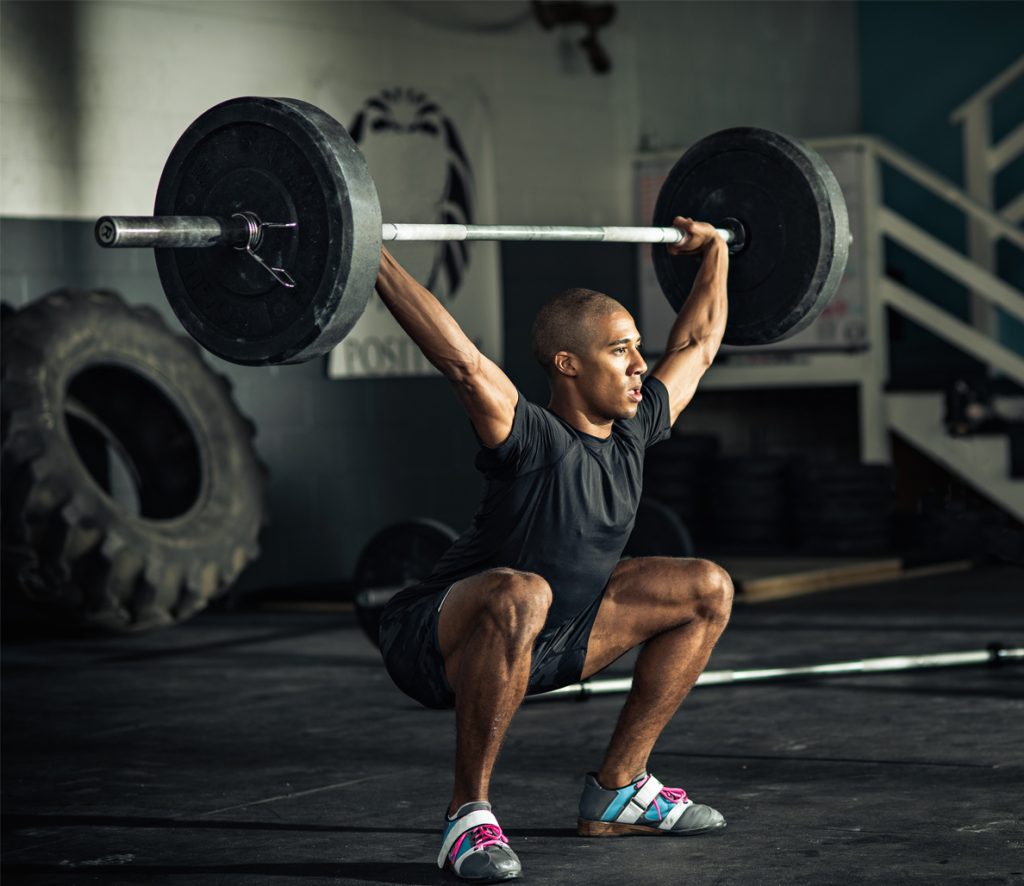
Lifting is the activity most likely to cause trouble early. Heavy sets tend to involve holding your breath and bearing down, which raises pressure in the head and face, and positions with the head below the heart, such as inversions or deep forward folds in yoga, can increase pressure at the site. Light resistance work with steady breathing is a reasonable first step back, with load added only once the area feels normal rather than tender. Gym equipment is shared, so wipe your hands and avoid touching your face and mouth during a session.
Running and Cardio
Running combines a raised heart rate with repeated impact, so it usually sits later in the sequence than walking. A sensible order is walking first, then easy cycling or a cross trainer, then jogging, then normal running. If pain builds across several days of running, as in the case above, scale back rather than push through.
Swimming, Heat and Contact Sports
Pools, sea water and snorkelling carry their own timelines, which the guide on visiting Phu Quoc after dental implant surgery covers in detail. Hot environments such as saunas, steam rooms and hot yoga are commonly advised against early on because heat widens blood vessels and can bring back bleeding and swelling. Contact sports and anything with a risk of a blow to the face should wait until your dentist has cleared the site, and it is worth asking whether a mouthguard is advisable once you return.
Exercising Before Your Return Flight
Many Delia Dental Clinic patients are travelling, so a hotel gym or a morning run is tempting. Heat and humidity add sweat and dehydration, which can make early swelling and soreness feel worse. Walking in the cooler hours is the safest way to stay active between appointments, and the guide on flying after dental implant surgery explains how flight timing fits around healing.
Signs You Should Stop Exercising
Stop and rest if bleeding restarts or does not slow with gentle pressure, if pain throbs or grows during or after a session, or if swelling increases when it should be settling. Fever, pus or a bad taste from the site also mean you should stop and contact your dentist. Facial swelling that spreads, or any difficulty swallowing or breathing, needs urgent medical care rather than a wait for a dental appointment.
Prescribed pain medication changes the picture as well. Some medicines cause drowsiness, and training while drowsy or dizzy adds a risk of falling and hitting your face, which is the last thing a healing implant site needs.
How Delia Dental Clinic Plans Activity Around Your Surgery Dates
Delia Dental Clinic does not apply one fixed schedule to every case, because a single implant and a full arch case with grafting heal at different speeds. Most implant cases run across two trips, with surgery, imaging and a temporary restoration on the first and the final restoration after healing on the second, as explained in the guide to how long to stay for dental implants in Vietnam.
If you train regularly, tell the international patient team before you book. Send your procedure type, your usual workouts and your travel dates via WhatsApp or Messenger, and the team can indicate which activities are likely to fit around the surgery and which are better left for later. The dentist confirms clearance in person after checking the surgical site, at the Hanoi or Ho Chi Minh City clinic. That remote guidance is preliminary, because swelling, bleeding and healing can only be judged by looking at the site.
Frequently Asked Questions
Can I Go for a Walk the Day After Implant Surgery?
Gentle, short walks are commonly fine the day after surgery and help circulation, though some patients feel better resting for a full day. Keep the pace slow, stay out of the heat and stop if you feel throbbing or notice bleeding. Walking is the one form of exercise most sources treat as acceptable almost immediately.
Can I Lift Weights After Bone Grafting or a Sinus Lift?
Not early. Grafted areas are more delicate than a standard implant site, and sinus work adds sensitivity to pressure changes. Most dentists extend restrictions on lifting and straining for these cases well beyond the standard window. Ask for a specific date rather than a general range.
Will Exercise Make My Implant Fail?
Sources describe exercise as a cause of bleeding, swelling and pain in the early days rather than as a proven cause of implant failure. The implant bonds with bone over several months, and heavy loading of a temporary bridge or repeated strain early on is what dentists want to avoid. Following your dentist’s schedule removes most of the risk.
Can I Do Yoga or Pilates?
Gentle yoga and Pilates are usually reasonable after the first week if bleeding has stopped, but avoid inversions, deep forward folds and any pose that keeps your head below your heart until your dentist agrees. Hot yoga is best left for later. Choose slow classes with steady breathing over anything involving strain.
Does Having Temporary Teeth Change My Training?
Often yes. A temporary bridge protects the implants while they heal and is not built for heavy loads, so clenching your jaw under a hard lift can strain it. Keep to light training and steady breathing until your dentist confirms what the temporary teeth can take, as covered in the guide to your temporary tooth after implant surgery.
Planning Activity Around the Rest of Your Recovery
Exercise is one part of a recovery plan that also covers what you eat, how you travel and what your temporary teeth can handle.
- Can You Visit Phu Quoc After Dental Implant Surgery in Ho Chi Minh City?
- What Can You Eat with Temporary Teeth: All-on-4 or All-on-6?
- Full Arch Dental Implants Vietnam: Temporary vs Final Teeth
Final Thoughts
A good return to exercise after implant surgery is gradual: rest first, walk next, add effort only while bleeding stays stopped and swelling keeps easing. Rushing it rarely damages the implant, but it often costs you a more painful and bleed prone first week.
Send your procedure details, your usual training routine and your travel dates to Delia Dental Clinic via WhatsApp or Messenger before you book, and the team can suggest when each activity is likely to fit in Hanoi or Ho Chi Minh City. Your dentist confirms the dates after examining the site.


