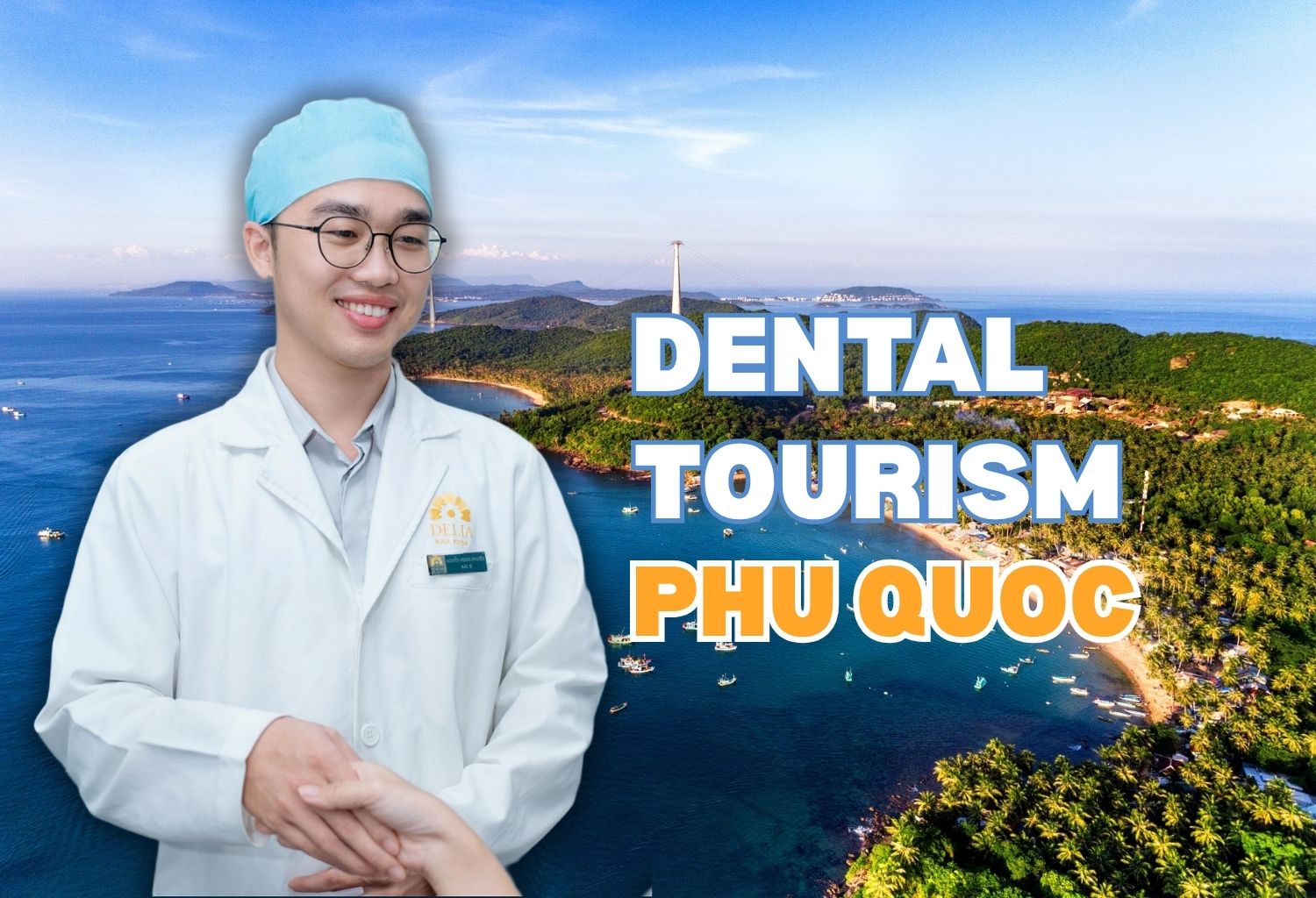
A dental implant trip to Ho Chi Minh City doesn’t have to mean sitting in a hotel room until the flight home. Whether Phu Quoc fits into that trip comes down to three separate questions rather than one, and each one depends on how the surgery actually went, not on how far the island is from the clinic.
Patients tend to ask this as a single yes or no question, but flying, swimming, and spending a full day in the sun each carry their own timeline. A straightforward single implant heals very differently from a case involving bone grafting or several implants placed at once, and that difference decides almost everything below.
This guide walks through what a Phu Quoc extension actually looks like at each stage of healing, how it fits around a two-trip implant plan, and what Delia Dental Clinic can confirm before a patient books the domestic flight out.
Quick Answer
Yes, in many cases, though timing depends on how the surgery went and how healing is progressing. A short domestic flight is often manageable after a few days for a straightforward case, while swimming in the sea and a full day of sun exposure usually need longer, commonly two to three weeks. Cases involving bone grafting or several implants placed together generally need more time before any of this is safe, and a case-by-case check with the treating dentist matters more than a fixed number of days.
Why the Answer Depends on the Case, Not the Destination
A single implant with no complications heals on a different track than a case involving multiple implants, a sinus lift, or bone grafting. The more extensive the surgery, the longer the soft tissue and bone need before pressure changes, water exposure, or a full day outdoors become low risk.
This is the variable that actually drives every timeline in this guide. Two patients flying out of Ho Chi Minh City on the same day, one after a single straightforward implant and one after a full-arch case with grafting, are not working from the same calendar at all, even if both are asking about the exact same island.
The Flight to Phu Quoc
Cabin pressure changes during a short domestic flight are not generally a direct risk to a healing implant. The more common issue is swelling and soreness, since swelling from the surgery itself typically peaks around 48 to 72 hours afterward, and a flight taken during that window tends to be more uncomfortable than one taken a few days later.
For a single implant or a small number of implants with no grafting, many patients manage a short flight like Ho Chi Minh City to Phu Quoc within a few days of surgery once the initial soreness has settled. For a case involving multiple implants, a sinus lift, or bone grafting, waiting longer before any flight, domestic or otherwise, is the more cautious approach, and this is worth confirming with the treating dentist rather than assuming the same window applies.
What You Can Actually Do Once You’re on the Island
Phu Quoc’s main draws, beach time, boat trips to the An Thoi islands, and the local seafood scene, line up with three different healing considerations. Each is worth looking at separately rather than lumping the whole island trip into one blanket restriction.
Beach Time at Sao, Ong Lang or Long Beach
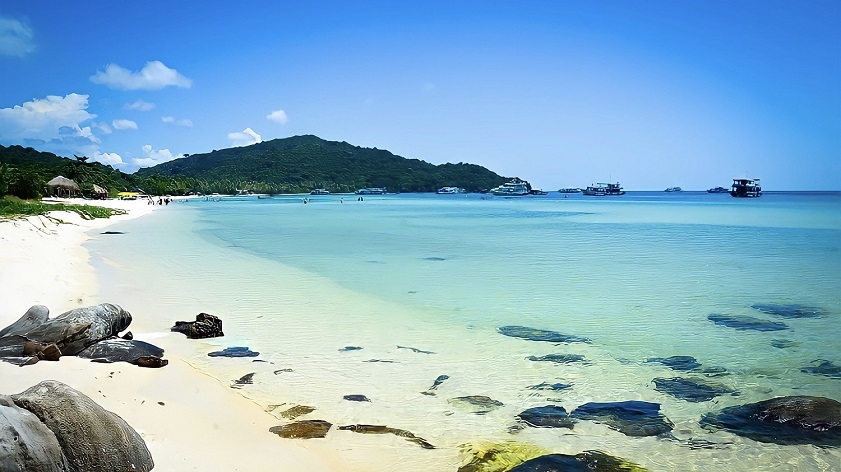
Sao Beach, Ong Lang Beach, and Long Beach are the island’s most visited stretches of coastline, and Phu Quoc’s dry season runs hot, often between 27 and 35 degrees Celsius with long hours of direct sun. That heat matters more than the sand does. Prolonged sun exposure in the first few days after surgery can add to swelling, so a shaded walk along the shore or a short visit under an umbrella tends to be a more realistic first outing than a full afternoon lying in direct sun.
As the initial swelling settles, typically after the first several days, longer time outdoors becomes more comfortable. A full beach day with extended sun exposure is generally more reasonable once the surgical site feels normal rather than tender, which varies by case.
Boat Trips, Snorkeling and the An Thoi Islands
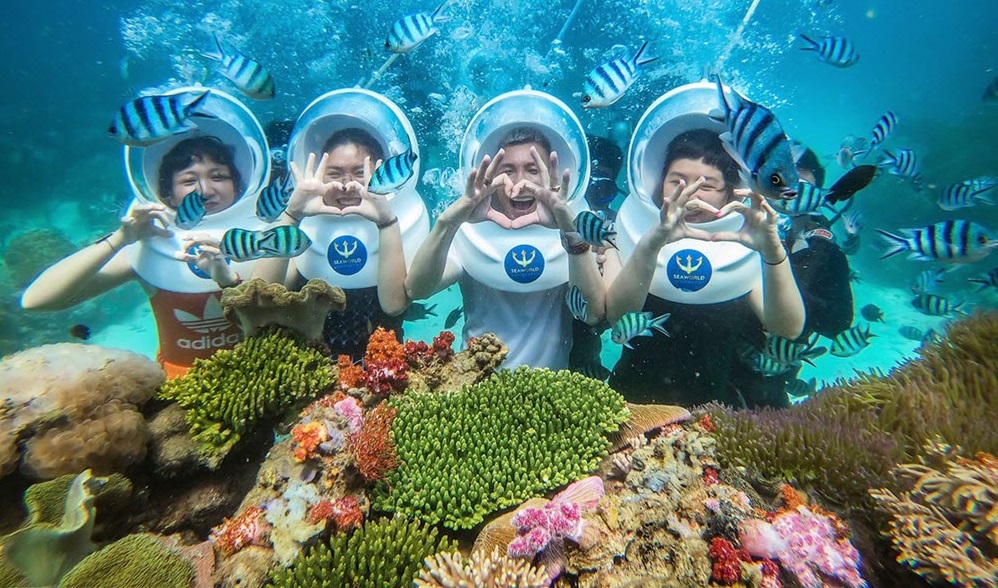
Island-hopping tours to the An Thoi archipelago almost always involve time in the water, and this is where the swimming timeline actually applies. A chlorinated pool is generally treated as the lower-risk option once swelling has settled, often around a week out for a straightforward case. The sea carries more caution than many patients expect, since seawater is not sterile despite the common assumption that salt water helps a healing wound, and Phu Quoc’s boat tours put patients directly into open sea rather than a controlled pool.
Snorkeling and diving add pressure changes on top of water exposure, and both place more strain on a healing surgical site than simple swimming does. Waiting until full clearance from the treating dentist, often in the range of two to three weeks for straightforward cases and longer for more extensive surgery, is the safer approach before joining an An Thoi snorkeling tour. If the site shows increased pain, swelling, bleeding, or an unusual odor, it is not yet time to get in the water, regardless of how many days have passed on paper.
Ham Ninh Crab, Grilled Squid and the Rest of the Seafood Scene
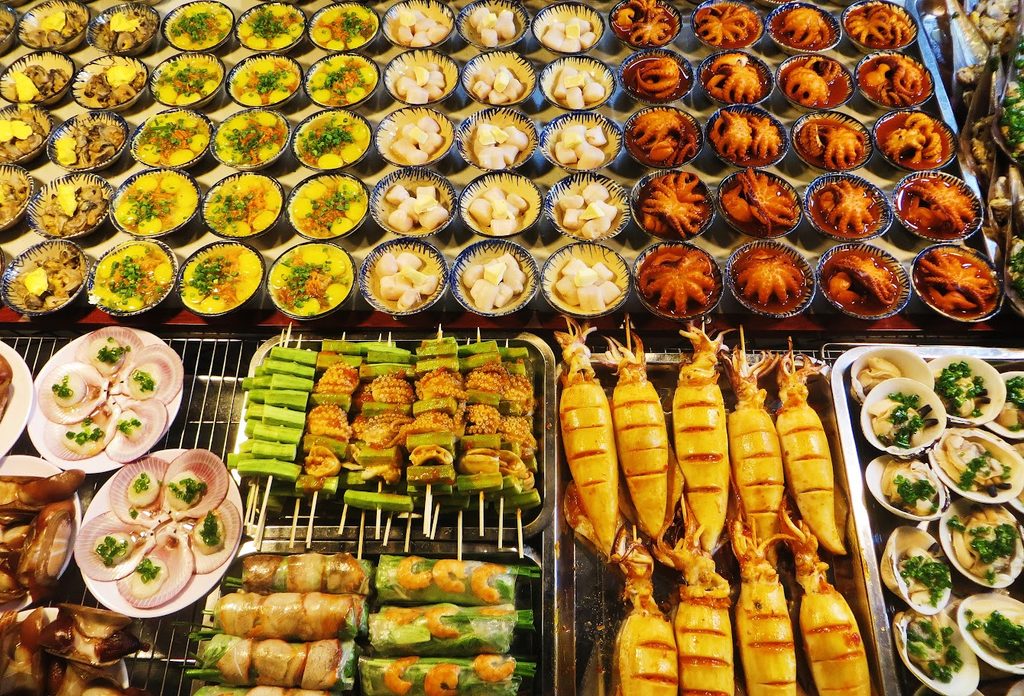
Phu Quoc’s food scene leans heavily on seafood, from Ham Ninh crab to grilled squid and other dishes with firm or chewy textures. Most of this sits outside a soft food diet, which is usually recommended for the first several days after implant surgery to avoid disturbing the surgical site while chewing.
Alcohol is worth planning around separately from the food itself. It can affect blood clotting and interact with pain medication or antibiotics prescribed after surgery, so holding off on the beach bars and sunset drinks in the early days is a more reliable choice than judging it by how the mouth feels on a given evening.
Fitting This Into a Two-Trip Implant Plan
Most implant cases at Delia Dental Clinic run across two trips: the first covers surgery, imaging, and a temporary restoration, and the second, scheduled several months later once the implant has integrated with the bone, covers the final restoration. A Phu Quoc extension fits more naturally near the end of the first trip, after the initial swelling has passed, rather than immediately after surgery or squeezed in right before a scheduled check-in appointment.
Patients planning a longer stay in Vietnam sometimes build the Phu Quoc leg in after the first week in Ho Chi Minh City specifically because that timing lines up with when flying, light beach time, and eventually swimming become realistic, rather than treating the island trip as something to fit in wherever the calendar has a gap.
Delia Dental Clinic’s Guidance Before You Book the Phu Quoc Leg
Every case heals at its own pace, and the timelines above are general patterns rather than fixed rules that apply the same way to everyone. Delia Dental Clinic can review how a specific case is healing before a patient locks in flights, based on the actual surgical site rather than a generic number of days pulled from a general guide.
Patients considering a Phu Quoc extension during their Ho Chi Minh City trip can describe their procedure and proposed travel dates to the international patient team, who can flag whether the timing lines up with normal healing for that case or whether it makes sense to shift the island trip later in the schedule.
Send your procedure details and travel dates here
Frequently Asked Questions
Can I fly to Phu Quoc the day after implant surgery?
It is possible for a straightforward single implant case, but it is usually not the most comfortable choice, since swelling tends to peak around 48 to 72 hours after surgery rather than settling immediately. Many patients find a short delay of a few days makes the flight noticeably more comfortable without meaningfully changing the rest of the trip. For cases involving grafting or multiple implants, flying the next day is generally not advisable, and this is worth confirming directly with the treating dentist before booking anything.
Is snorkeling safe once the swelling has gone down?
Reduced swelling is a good sign, but it is not the same as full clearance for water sports that involve pressure changes, such as snorkeling or diving. These activities put more strain on a healing surgical site than ordinary swimming, so most guidance points toward waiting for confirmation that the site has fully healed rather than judging readiness by how the face looks or feels. If any pain, bleeding, or unusual odor is present, it is not yet time to get in the water regardless of how the swelling has settled.
Does a sinus lift change any of these timelines?
Yes, meaningfully. A sinus lift adds healing considerations around the sinus itself, on top of the surgical site, and pressure changes from flying, diving, or even sneezing forcefully can affect that area differently than a standard implant without grafting. Patients who had a sinus lift as part of their procedure should expect longer waiting periods across flying, swimming, and general activity, and should treat this as a separate conversation with their dentist rather than applying the standard implant timeline.
What if I already booked Phu Quoc before my surgery date?
This is a common situation, and the practical fix is usually adjusting what happens during the trip rather than canceling it outright. A patient who cannot move their flight dates can often still visit the island and enjoy food, sightseeing, and shaded time outdoors, while holding off on swimming, snorkeling, and full sun exposure until enough time has passed. Flagging the existing booking to the clinic before surgery gives the dentist a chance to plan the procedure and aftercare guidance around that fixed date.
Can I still enjoy Phu Quoc without swimming or sun exposure?
Yes. Phu Quoc offers plenty beyond the water, including local markets, seafood restaurants that can usually accommodate a softer order, the Hon Thom cable car, and quieter coastal walks that don’t require full sun exposure or getting in the sea. Patients early in healing tend to get the most out of the island by treating it as a scenery and food trip first, with the beach activities added once the healing timeline allows for them.
Will Delia Dental Clinic tell me if my case isn’t ready for the trip?
Yes. The international patient team reviews how each case is healing before confirming that flying, swimming, or extended sun exposure fits into that patient’s specific timeline, rather than applying one fixed schedule to every case. Patients who share their procedure type and proposed travel dates in advance get a more accurate answer than one based on general guidance alone.
Final Thoughts
Phu Quoc is a reasonable addition to a Ho Chi Minh City implant trip, but the right time to go depends on how the surgery went, not on a fixed number of days counted from a calendar. Flying tends to become comfortable before swimming does, and swimming in a pool tends to become reasonable before the sea or a snorkeling tour does, so working through the timeline in that order avoids either overcorrecting into a full week of hotel rest or heading to the water too early.
Send your procedure details and proposed Phu Quoc dates to Delia Dental Clinic via WhatsApp or Messenger before booking the flight out. The Ho Chi Minh City team can confirm whether your healing is on track for the dates you have in mind, or suggest shifting the island leg later in your stay.


