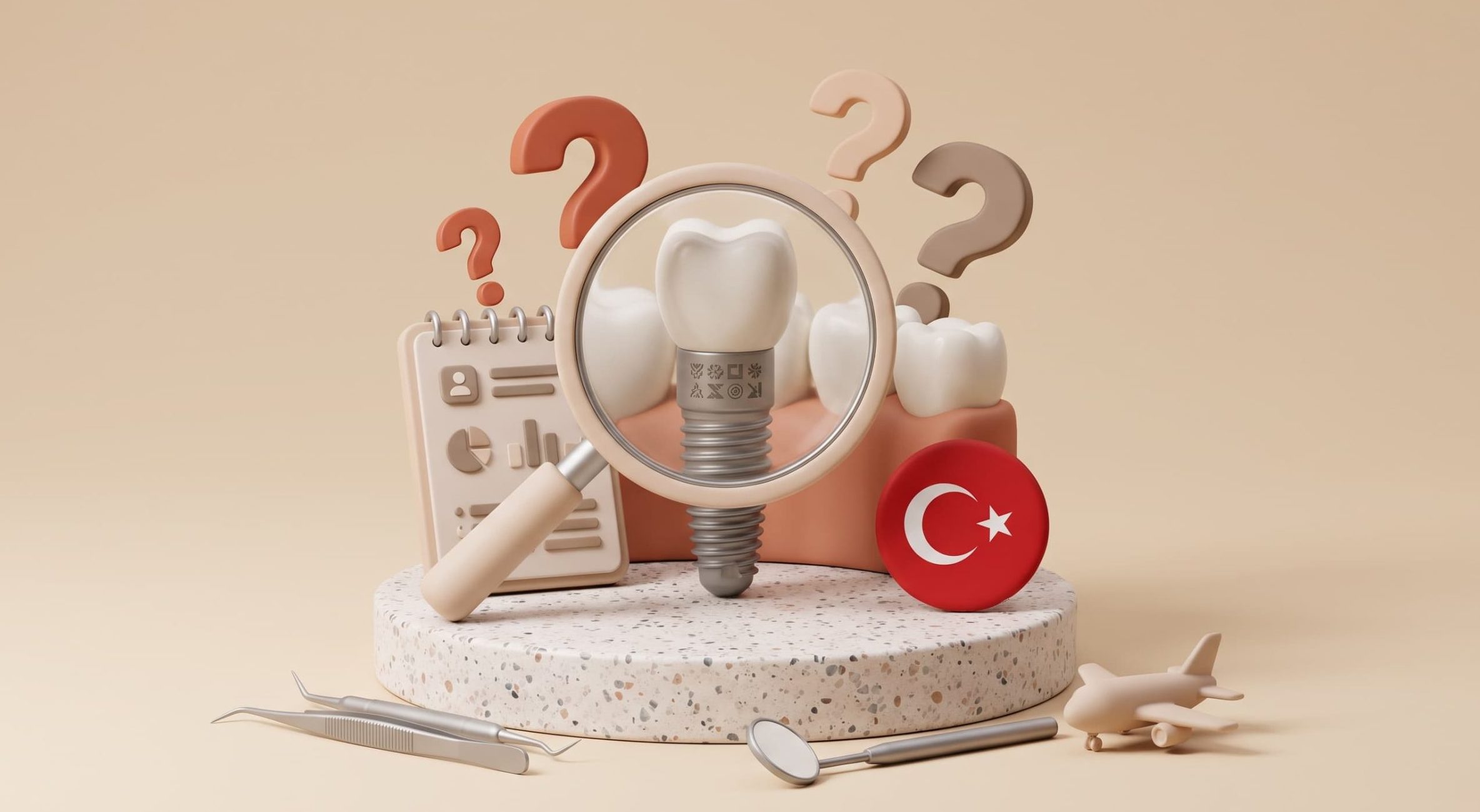
If your implant was placed in Turkey and nobody told you the brand, you are not stuck. An unknown implant brand can usually be narrowed down from the clinic’s records and a clear X-ray, and it is worth doing before any repair or new crown.
Many patients leave with a crown, a few X-rays and no record of the system that was used. That gap rarely matters on the day of travel. It starts to matter when a crown loosens, a screw needs replacing, or a new dentist has to decide which parts fit.
Identifying an implant is possible in many cases. It starts with paperwork, moves to imaging and ends with an examination in person. This guide explains each step, what an X-ray can and cannot show, and what to send if you want Delia Dental Clinic to review your records before you travel.
Quick Answer
Start by asking the clinic that placed the implant for its brand, reference and lot details. If those are unavailable, a dentist can often narrow the system down from a clear periapical X-ray by reading the connection, threads and body shape. Appearance gives a likely match, which still needs confirming with an examination.
Why Your Dentist Needs to Know the Implant Brand
Implants from different manufacturers are not interchangeable. The connection between the implant and the abutment, the platform size and the internal screw thread all vary by system. A part that looks similar may not seat correctly, and forcing it can damage the connection.
A loose screw needs the matching driver and replacement screw, and a new crown needs the correct abutment. Our guide on what to do when an implant crown loosens after you return home explains why dentists ask for the system name before they choose a repair.
Brand knowledge does not solve every problem. If the gum is infected or bone is lost, the dentist treats that first.
Start With the Paperwork Before the X-Ray
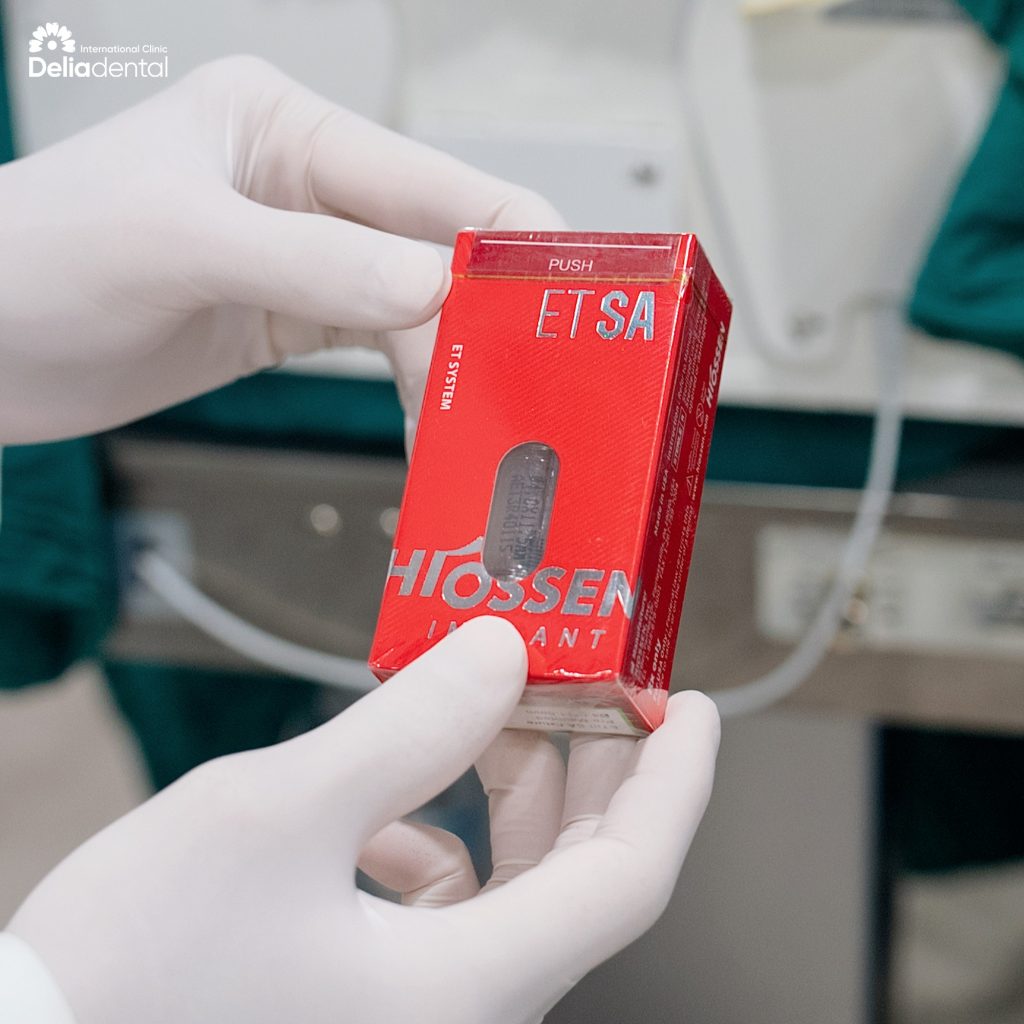
Many manufacturers supply an implant card or sticker labels with the product reference and lot number, and clinics normally file these with the surgical record. These details are far more reliable than any image, so they are the first thing to request.
Write to the clinic with your surgery date and the tooth positions, and ask for the brand, product line, diameter, length, reference number, lot number and abutment details. Then check what you already hold:
- Warranty cards, invoices and discharge papers
- Emails or chat messages from the clinic
- Photos of the implant box or labels taken during treatment
- Any panoramic X-ray or CBCT report you were given
- Details of the dentist and city where the implant was placed
The placing dentist and location also help. A clinician writing in Perio Implant Advisory notes that knowing who placed an implant and where can narrow the options, and that identification works best when several clues are combined. Clinics do not always keep records indefinitely, so ask early.
What a Dentist Looks for on an X-Ray
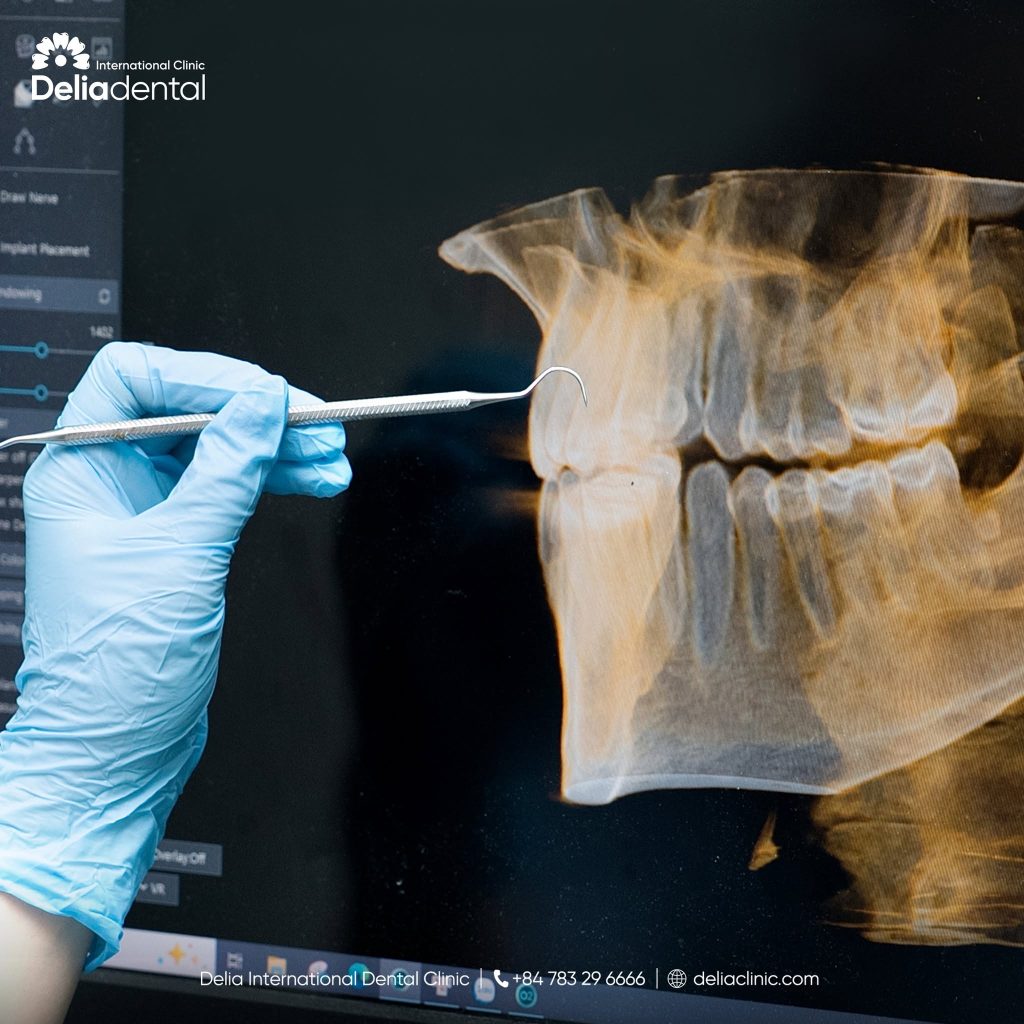
A clear periapical X-ray, taken straight on, shows far more detail than a panoramic image, where small features blur. Dentists read two main groups of features.
The Connection Between Implant and Abutment
The connection is the most useful clue. Dentists look for an external hexagon that sits above the implant, an internal hexagon, a conical connection, or a lobed shape. Many older implants follow the Brånemark external hex pattern, so a wide set of older systems can look alike on an X-ray. The connection is easiest to read when the crown has been removed by a dentist, which is why patients should never remove it themselves.
Body Shape, Threads and Apex
Dentists note whether the body is tapered or parallel, how deep and how close together the threads are, whether the apex has grooves, and how the collar near the gum is shaped. Research on automated recognition uses these same features. A study summarised by Medical Dialogues reported accuracy above 95% for AI tools reading these features, although it covered only three manufacturers.
The Limits of Reading an Image
Appearance is not proof. The same author notes that some copies of well known systems change the thread or internal connection. A small laboratory study by Kute and colleagues built a flowchart from periapical X-rays of 15 implant systems common in India, and it identified 14 of 15 blinded images. That is encouraging, but the sample was small and did not cover every brand sold worldwide. In practice a dentist treats an X-ray reading as a likely match, then confirms it with trial components during an examination.
What to Send for a Remote Review
A remote review works better with more material. Send what you have, in the original quality where possible:
- Any paperwork, labels or cards from the clinic that placed the implant
- A recent periapical X-ray of each implant, taken straight on
- Original CBCT files in DICOM format, if a scan exists
- A clear photo of the crown and gum from the front and from the biting side
- The surgery date, tooth positions and the city where treatment took place
- Notes on pain, bleeding, swelling or looseness, and when it started
For a wider view of what different images can show, see our guide on what an X-ray can confirm before an implant trip.
When the Unknown Implant Brand Still Cannot Be Confirmed
Sometimes the records are gone and the images are not clear enough. In that case a dentist may use trial connection gauges and drivers at the chair to check the connection type and platform width, and may ask for a new X-ray or a CBCT scan to see internal features.
If the identity stays uncertain, treatment planning becomes slower and more cautious, because parts that look alike may not fit. A dentist should not order components by guesswork. Depending on the case, the plan may use a restoration that is confirmed to fit during the visit, or the dentist may advise further assessment before loading the implant with a new crown.
Warning Signs That Should Not Wait for an Answer
Identifying the brand is not an emergency if the implant is quiet and comfortable. See a local dentist promptly for a crown or implant that moves, bleeding or tender gums around it, a bad taste or discharge, increasing pain, or a crown that has come off. Seek urgent care for facial swelling, fever with worsening dental symptoms, or difficulty swallowing or breathing.
Complications can follow implant treatment anywhere, so the symptom should be assessed first and the brand worked out in parallel. A local dentist can examine the implant while records are still being collected from overseas.
How Delia Dental Clinic Reviews an Implant Placed Elsewhere
Delia Dental Clinic has branches in Hanoi and Ho Chi Minh City, and international patients can send X-rays, CBCT files, photos and any paperwork through WhatsApp or Messenger before booking a flight. The team reviews what has been supplied, explains which details are visible, and lists the records that are still missing.
The remote review stays preliminary. An implant is not confirmed as a particular system from a photo or a single image, and whether it can be restored depends on an in person examination. Where treatment planning involves the implant, Delia Dental Clinic takes a CBCT scan in the clinic, because a panoramic X-ray sent in advance is enough only for preliminary planning.
The same records discipline applies to new treatment. Patients are encouraged to check the unopened implant box and the code on the manufacturer’s official website before consenting, and warranty cards carry a QR code for online brand verification. Patients weighing different options can read how Vietnam compares with Turkey for dental treatment, and can see what other international patients say on the client reviews page.
Frequently Asked Questions
Can I Identify My Implant Brand From a Photo of the Crown?
Not reliably. The crown covers the connection and the screw, which are the features dentists use to tell systems apart. Treat any guess from a photo as a starting point for a dentist to check.
Is a Panoramic X-Ray Enough to Identify an Implant?
Usually it is not enough on its own. A panoramic image is useful as an overview, but small details such as thread depth and the connection shape often blur, and the angle can distort them. A straight periapical X-ray or a CBCT scan gives the dentist a clearer reading.
Should I Remove the Crown to See the Implant?
No. Removing a crown without the right tools can damage the crown, the screw or the abutment, and it may leave the implant exposed. A dentist can remove or access the crown safely and photograph the connection if that is needed. If the crown has already come off, keep every piece in a clean container and take them to your dentist.
Does an Unknown Brand Matter if the Implant Feels Fine?
It matters for the future more than for today. An implant that is quiet and comfortable does not need urgent identification, but the day a screw loosens or a crown needs replacing, the information saves time and avoids guesswork. Gathering the paperwork now is usually easier than rebuilding it under pressure later.
What if the Clinic Will Not Send My Records?
Ask again in writing, quoting your surgery date, the tooth positions and your invoice number, and keep copies of the messages. If records still do not arrive, a dentist can work from imaging and an examination, which is slower and more cautious than starting from a confirmed brand. Send whatever you do hold to the dentist who will examine you, since partial paperwork still narrows the options.
Can Warranty Cover an Implant When the Brand Is Unknown?
Coverage depends on the written warranty terms, which components they cover and what work has been done since. A manufacturer guarantee and a clinic warranty are separate documents, so keep every card and receipt you were given. A missing brand name can make a claim harder to process, which is one more reason to collect records early.
Next Steps After You Know Which Implant You Have
Once the system is known, the usual questions are who can maintain it, what the warranty covers and whether a new scan will change the plan.
- Can a Home Dentist Maintain Implants Placed in Vietnam?
- Implant Warranty vs Prosthetic Warranty
- Why Dental Implant Quotes Change After a CBCT Scan
- How to Read an Dental Implant Itemised Quote Before You Deposit
Final Thoughts
An unknown implant brand is a records problem first and an imaging problem second. Ask for the paperwork now, keep what you find, and have any symptoms checked locally without waiting for the brand to be settled.
Send your X-rays, CBCT files, photos and any implant paperwork to Delia Dental Clinic via WhatsApp or Messenger, so the team can tell you what can be identified, what is missing and what an in person assessment would need to confirm.


