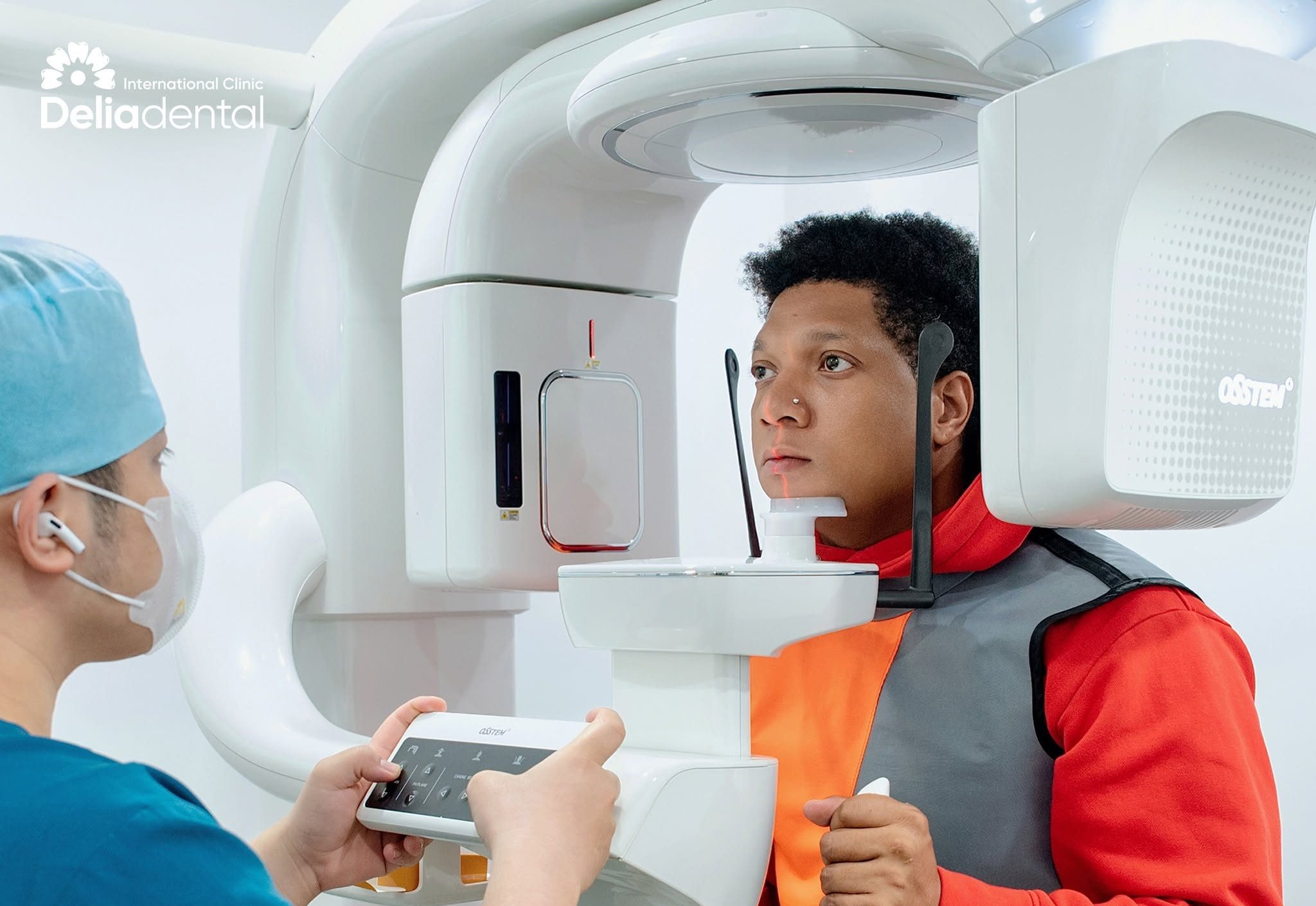
An online dental implant quote is usually based on the information available before travel, such as dental photos, treatment history, a panoramic X-ray, or an existing dental quote. These records can support an initial estimate, but they may not show every anatomical or clinical factor that affects implant placement.
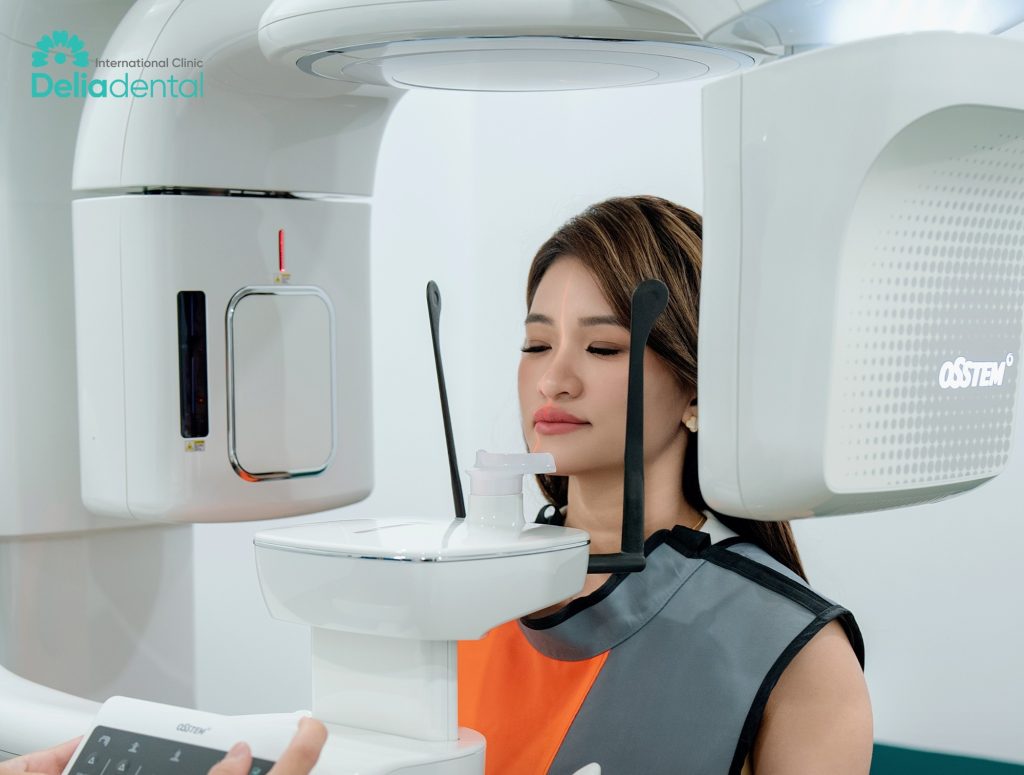
A CBCT scan provides a three-dimensional view of the proposed implant area and may reveal that the treatment requires a different implant size, additional bone management, a sinus-related procedure, extraction, infection treatment, or a revised restorative plan. These findings can change both the treatment sequence and the final cost.
A revised quote does not automatically mean the original estimate was misleading. The important question is whether the clinic clearly labels the online price as preliminary, explains which findings could change it, and provides an itemised treatment plan before surgery begins.
This guide explains what a CBCT may add to implant planning, which cost items commonly change, and how international patients can compare preliminary and confirmed implant quotes correctly.
Quick answer
An online implant quote is a preliminary estimate based on the records available before treatment. A CBCT may change the plan by showing limited bone dimensions, sinus or nerve anatomy, infection, retained roots, or other site-specific factors. The revised quote should clearly separate the implant, abutment, final restoration, imaging, grafting, and other additional procedures.
Why an Online Implant Quote Is Usually Preliminary
Dental photos can show visible teeth, gums, spaces, and the general condition of the smile, but they cannot assess the internal dimensions of the jawbone.
A panoramic X-ray provides useful two-dimensional information about teeth and surrounding anatomy. However, it compresses three-dimensional structures into a flat image and does not show the buccolingual width of the ridge or cross-sectional anatomy in the same way as CBCT.
The amount of information available remotely also varies. An estimate based only on photos is less specific than one based on recent diagnostic imaging. A patient who already has a suitable CBCT scan may be able to send the DICOM files for pre-travel review, although the treating dentist must still confirm that the imaging is current, diagnostically adequate, and relevant to the planned procedure.
For this reason, an online quote should be described as an initial estimate rather than a guaranteed final price.
What a CBCT May Reveal Before a Dental Implant Placement
A CBCT creates a three-dimensional dataset of the selected jaw area. When clinically indicated, it can help the dentist assess bone dimensions, surrounding anatomy, and the relationship between the proposed implant site and nearby structures.
Available Bone Dimensions
CBCT can help assess the height and width of the ridge at the proposed implant site. This may show that the site has sufficient dimensions for the proposed plan or that grafting, ridge management, a different implant design, or staged treatment needs to be considered.
CBCT gray values should not automatically be described as standardized bone-density measurements or true Hounsfield Units. Bone quality and expected implant stability must be interpreted alongside the clinical examination, imaging characteristics, implant site, and surgical findings.
Maxillary Sinus Anatomy
For posterior upper-jaw implants, CBCT may help show the relationship between the available bone and the maxillary sinus. A reduced vertical bone height does not automatically lead to one procedure in every case.
Depending on the individual situation, the revised plan may involve:
- a different implant length or position;
- a crestal or lateral sinus augmentation;
- bone grafting;
- staged treatment;
- another restorative option.
The dentist should explain why the selected approach is appropriate rather than presenting sinus proximity as an automatic additional charge.
Inferior Alveolar Nerve and Other Anatomy
For lower-jaw implant sites, CBCT may help identify the course of the mandibular canal and assess the available bone around the proposed implant position.
This information supports decisions about implant length, position, angulation, surgical approach, and safety margins. It does not replace clinical judgment or guarantee that complications cannot occur.
Infection, Retained Roots and Site Condition
CBCT may also reveal findings that were not clear from dental photos or limited two-dimensional records, including:
- retained root fragments;
- areas of bone loss;
- lesions or infection around a tooth;
- defects at a previous extraction site;
- the relationship between several missing teeth and the remaining bone.
These findings may change whether the implant can be placed immediately, whether the site needs preliminary treatment, and whether the case requires one treatment stage or several.

What Parts of an Implant Quote May Change After CBCT?
| Finding or planning change | Possible effect on the quote |
| Adequate bone dimensions | The initial implant plan may remain unchanged |
| Limited ridge width or height | Grafting, ridge management, a different implant, or staged placement may be considered |
| Sinus anatomy affects the proposed site | The plan may include sinus augmentation or another implant approach |
| Nerve position limits available space | Implant length, position, angulation, or treatment option may change |
| Infection or retained root fragment | Extraction, debridement, healing time, or staged treatment may be added |
| Immediate placement is not suitable | Implant surgery may be postponed until the site heals |
| More or fewer implants are required | Surgical and restorative costs may change |
| Temporary restoration is required | A temporary tooth, bridge, or provisional prosthesis may be added |
| Final restoration changes | The crown, bridge, abutment, or full-arch material may change the total |
| Existing CBCT is sufficient | A new scan may not be necessary if the treating dentist considers it current and diagnostically adequate |
A revised quote should explain which finding changed the plan and which line item was added, removed, or modified. Patients should not receive only a higher total without a clinical explanation and an itemised breakdown.
Implant Component Cost vs Complete Treatment Quote
The phrase “dental implant cost” is not used consistently across clinics. One advertised price may cover only the implant fixture, while another may include the fixture and abutment. A third quote may also include the final crown.
At Delia Dental Clinic, published single-implant brand prices refer to the implant fixture and abutment. They should not be interpreted as the complete cost of replacing a tooth or as a full All-on-4 or All-on-6 package.
A complete implant treatment quote may include:
| Cost component | What it covers |
| Implant fixture | The component placed in the jawbone |
| Abutment | The connection between the implant and final restoration |
| Final crown or bridge | The visible replacement tooth or teeth |
| CBCT and diagnostic planning | Imaging and case assessment where clinically required |
| Extraction | Removal of a remaining or unsalvageable tooth |
| Bone or sinus procedure | Additional site development where indicated |
| Temporary restoration | Temporary tooth, bridge, or provisional arch |
| Medication | Prescribed medication related to treatment |
| Follow-up | Review appointments, records, and aftercare |
| Warranty documentation | Written terms applying to the implant system or restoration |
When comparing dental implant cost in Vietnam, check every component rather than comparing only the lowest headline price.
How To Compare Two Implant Quotes Correctly
A few checks make quotes genuinely comparable rather than just numbers on a page.
- Does this price include the post, abutment, and crown, or only the post?
- Which implant brand and system is being used?
- Is the CBCT scan included in the quoted price, or billed separately?
- If bone grafting or a sinus lift turns out to be needed, is that priced as a fixed add-on or assessed case by case?
- Is there a written, itemized breakdown once the CBCT is reviewed, or only a single total figure?
A clinic that can answer all of these clearly before treatment starts is easier to plan around, even if the exact final number cannot be confirmed until after the scan.
How Delia Dental Clinic Handles Clinical Implant Quote Process
Delia Dental Clinic has branches in Hanoi and Ho Chi Minh City and supports international patients through an initial case review before they book their flights.
Patients can send dental photos, a panoramic X-ray, existing CBCT files, treatment records, or another clinic’s implant quote to Delia Dental Clinic via WhatsApp or Messenger. Based on the available information, the team can provide an initial treatment direction and explain which parts of the estimate may still change.
After the patient arrives, the proposed plan is confirmed through an in-person examination and clinically appropriate imaging. A new CBCT may be required when the existing records are unavailable, outdated, incomplete, or insufficient for the planned procedure.
Before implant surgery begins, patients should receive an itemised treatment plan showing:
- the implant brand and system;
- the number of implants;
- whether the abutment is included;
- the temporary and final restoration;
- any extraction, bone grafting, or sinus procedure;
- medication and follow-up where applicable;
- the expected number of trips;
- the applicable written warranty.
If the confirmed quote differs from the online estimate, the team should explain which clinical or imaging finding changed the plan and which cost item has been added, removed, or revised.
Patients can also read Delia Dental Clinic reviews to understand how other international patients describe the clinic’s communication, treatment planning, and support during their dental trip.
FAQ
Is It Normal for an Implant Quote to Change After CBCT?
It can be reasonable for a preliminary estimate to change when new clinical or imaging information affects the treatment plan. The clinic should explain the specific finding and provide a revised itemised quote before treatment begins rather than presenting only a different total.
Does Every Implant Case Need Bone Grafting or a Sinus Lift?
No. These procedures are only considered when the site anatomy and treatment plan indicate that additional bone or sinus management is required. Some cases proceed without either procedure, while others may have more than one possible treatment approach.
Can I Receive a Firm Implant Price Before Travelling?
A recent and suitable CBCT, dental records, and clear treatment information may allow a clinic to provide a more detailed pre-travel estimate. However, the final plan normally remains subject to an in-person examination and confirmation that the records are current and diagnostically adequate.
Can a Panoramic X-Ray Replace CBCT for Implant Planning?
A panoramic X-ray provides useful two-dimensional information and may support the initial review. CBCT provides cross-sectional three-dimensional information that may be required when it is clinically necessary to assess bone dimensions and surrounding anatomy for the proposed implant site.
The dentist should decide which imaging is required for the individual case rather than applying one scan protocol automatically to every patient.
Does Bone Grafting Always Mean a Second Trip?
No. Some grafting procedures may be completed at the same appointment as implant placement, while others require healing before the implant can be placed. The answer depends on the defect, grafting approach, implant stability, site condition, and overall treatment plan.
Can a CBCT Make the Final Quote Lower?
Yes. Imaging may confirm that grafting, sinus treatment, or another procedure initially considered possible is not required. A transparent revised quote should reflect both additions and removals from the original estimate.
Final Thoughts
An online implant quote is a useful planning estimate, but it cannot always account for every anatomical, surgical, and restorative factor before clinical assessment.
A CBCT may change the proposed implant position, number of treatment stages, need for site development, or type of final restoration. The important issue is not whether the estimate changes, but whether the clinic explains the reason and provides a complete itemised quote before surgery.
Send your dental photos, recent X-rays, existing CBCT files, treatment records, or another implant quote to Delia Dental Clinic via WhatsApp or Messenger before booking your flight. The team can provide an initial cost and treatment review for Delia’s Hanoi or Ho Chi Minh City branch. The final plan and confirmed quote will be established after an in-person assessment and any clinically required imaging.


