
A fully itemised implant quote should list each component as a separate line, including the implant fixture, the abutment, the temporary prosthesis, the final crown or bridge, any scans, medication, and the number of follow-up visits covered. A single total figure without that breakdown is the single most common reason patients arrive in Vietnam, or any dental tourism destination, believing their treatment covers more than it actually does.
The confusion is understandable. An implant quote often shows one number for “implant treatment,” and it is easy to assume that number includes everything from the surgery to the final tooth you will actually chew with. In reality, many published implant prices cover only the fixture and abutment, with the final crown, temporary teeth, and other components priced and listed separately, sometimes on the same document and sometimes not.
This article walks through what a properly itemised quote should contain, how to read each line without assuming what it means, and what typically causes a quoted price to increase once treatment is underway, so you know what to check before you commit to a deposit.
Quick answer
A fully itemised implant quote should separate the implant fixture, abutment, temporary teeth, final crown or prosthesis, scans, and follow-up visits into distinct lines rather than one total figure. An implant-only price does not automatically include the final crown. Prices can still increase if the clinical exam or surgery reveals a need for extra procedures such as bone grafting, which a transparent quote should flag as a possibility before you deposit.
What a fully itemised quote should actually list
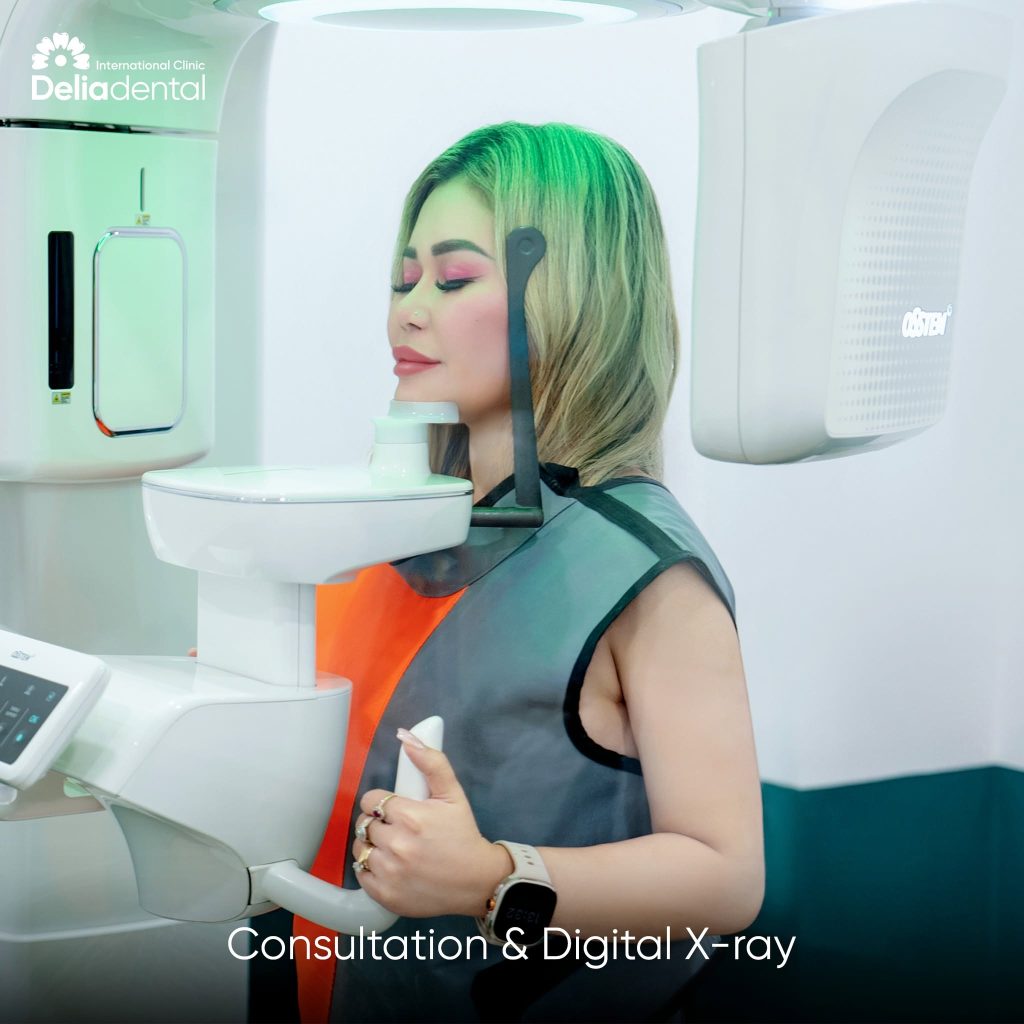
A complete implant quote should account for every stage of treatment as its own line item, not folded into a single package price. This starts with any scans required for planning, typically a CBCT scan, since imaging is what the entire treatment plan is built on. Next comes the implant fixture itself, listed by brand and system rather than a generic label, since price varies significantly between systems. The abutment, the small connector piece between the implant and the visible tooth, is usually priced alongside or immediately after the fixture.
From there, the quote should separate the temporary prosthesis, the interim teeth you wear while the implant integrates with the bone, from the final prosthesis, which is the permanent crown, bridge, or full-arch restoration you will use long term. These are two different products made at two different stages of treatment, and pricing them as one line hides an important distinction. If your case involves extractions, bone grafting, or a sinus lift, each of these should also appear as its own line, ideally marked as included or as a possibility depending on what the clinical exam confirms. Medication, typically antibiotics and pain relief for the surgical period, and the number of follow-up visits included in the price round out what a genuinely complete quote covers.
The most important thing to check first is whether the quoted implant price already includes the final crown. This single point causes more confusion than any other part of an implant quote, because a price that looks complete for “one implant” is frequently the fixture and abutment only, with the crown added as a separate cost once you reach that stage of treatment.

How to read each line without assuming
Once you have a quote in front of you, the useful habit is to question what each line actually represents rather than accepting the wording at face value.
For every line, check whether the price is per tooth, per arch, or for the entire case. A number that looks reasonable as a per-tooth price becomes a very different figure once multiplied across a full arch, and a quote that does not specify which basis it is using leaves this ambiguous on purpose or by oversight, neither of which is a good sign.
Check whether the crown or prosthesis material is named specifically, such as zirconia, E.max, or a particular branded ceramic, rather than described only as “crown” or “premium material.” Material choice affects both cost and expected durability, and a specific name is something you can independently verify, while a vague description is not.
Pay attention to which lines are marked as included and which are marked as conditional, using language like “if required” or “as needed.” This distinction is not a sign of a vague or untrustworthy quote. Procedures like bone grafting genuinely cannot be confirmed as necessary until a clinical exam or the surgery itself shows the actual bone condition, so a transparent quote is expected to flag these as possibilities rather than either omitting them entirely or charging for something that may not end up being needed. What matters is that the quote names the possibility clearly rather than staying silent on it and introducing the cost later without warning.
Finally, check whether warranty terms appear against each component separately, since implant fixture warranty, abutment warranty, and crown or prosthesis warranty are typically different periods covering different failure modes. A quote that only states one warranty figure for the whole case is compressing information you will likely need later if something requires repair or replacement.
What can cause the quoted price to increase
Even a well written, fully itemised quote is built from the best information available before your clinical exam, which means certain findings can still change the final cost once treatment begins. Understanding these possibilities in advance is what separates a legitimate price adjustment from an unpleasant surprise.
The most common cause is a clinical or surgical finding that the planned site has less bone volume or density than the initial scan suggested, which can mean adding a bone graft that was not part of the original quote. This is a genuine, well documented possibility in implant treatment rather than a sign of poor planning, and it is covered in more detail in what happens if your implant treatment plan changes during surgery, including how the decision to add a graft typically gets made and communicated.
A second common cause is discovering additional teeth that need extraction once the dentist examines your mouth directly, particularly if X-rays taken before travel were older or did not capture the full condition of teeth adjacent to the planned implant site. A third is choosing to upgrade the final crown or prosthesis material after seeing options in person, for example moving from a standard zirconia to a higher aesthetic ceramic for a visible front tooth, which is a patient choice rather than a clinical necessity but still changes the total.
Less commonly, a case can require additional medication if an infection is present that was not visible on the original scan, or additional follow-up visits if healing does not progress on the expected timeline. None of these possibilities should come as a surprise if the original quote or the discussion around it named them as potential scenarios, which is exactly why the itemisation and the conversation around conditional line items matters more than the total figure on its own.
Red flags when reading a quote
A few patterns are worth treating with more scrutiny than others.
- A single total with no line-by-line breakdown. This makes it impossible to know what you are actually paying for, and is worth pushing back on before anything else.
- A crown or implant named only in general terms. Without a specific brand or material, the quote gives you nothing to independently verify.
- One combined warranty figure for the entire case. Warranty terms should be broken out by component, since a single figure compresses information that becomes important the moment something needs attention later.
- Phrases like “full treatment included” with no itemised list behind them. This functions as a claim you cannot check, which is different from a clinic being upfront that certain items are conditional and clearly naming them.
Delia Dental Clinic‘s approach to itemised quotes
Delia Dental Clinic provides a written treatment plan with fixed USD pricing, typically within 48 hours of receiving X-rays or a CBCT scan sent via WhatsApp. That quote is itemised by component, covering the implant system and brand, abutment, temporary and final prosthesis, and where relevant, bone grafting or extractions, with each component’s warranty listed separately, consistent with the approach described in implant warranty vs prosthetic warranty. The quoted price does not change on arrival unless a clinical or surgical finding genuinely requires a different approach, in which case this is discussed with the patient rather than added silently to the bill. For a closer look at what a complete implant case can involve beyond the fixture and abutment alone, see dental implant quote and CBCT scan in Vietnam and bone grafting and dental implant cost in Vietnam.
If you already have a quote in hand, whether from Delia Dental Clinic or another clinic you are comparing, you can send it via WhatsApp or Messenger and ask the international patient team to walk through what each line does and does not cover before you commit to a deposit.
Frequently asked questions
If my quote just says “implant package,” is that a problem?
It depends on whether a breakdown is available on request even if it is not shown by default. Some clinics summarise a case as a package price for simplicity but can provide the full itemisation if asked. The concern is a clinic that cannot or will not break the package down into its components when asked directly, since that usually means the pricing was not built component by component in the first place.
What should I do if a quote does not name the crown material?
Ask directly for the specific material and brand before you accept the quote, rather than assuming a generic description means a standard or lower quality option. A clinic with nothing to hide will typically name the exact material without hesitation, since it is a normal part of a professional treatment plan rather than proprietary information.
Can I ask for certain items to be removed from a quote to lower the price?
In some cases yes, particularly around elective additions like whitening or cosmetic upgrades bundled into a package, but core components of an implant, the fixture, abutment, and final prosthesis, are not really optional if you want a functioning result. Asking a clinic to explain why each line exists is more useful than asking to remove clinically necessary items to cut cost.
How much of a deposit is reasonable to pay before travel?
This varies by clinic and case value, and there is no single industry standard figure that applies everywhere. What matters more than the percentage itself is whether the deposit is tied to a specific written, itemised quote, so you know exactly what that deposit is securing rather than paying against a vague total.
If two clinics quote very different prices for what looks like the same treatment, what should I check first?
Start by confirming both quotes are itemising the same components. A significant price gap is often explained by one quote covering only the implant and abutment while the other includes the final crown, bone grafting, or a longer warranty period, rather than one clinic being meaningfully cheaper for the identical scope of treatment.
Final Thoughts
The number at the bottom of an implant quote tells you very little on its own. What actually protects you before a deposit is whether every stage of treatment, from the scan to the final crown, appears as its own line with a specific material, brand, and warranty attached, and whether the quote is upfront about what could still change once your case is examined in person.
Send your current quote, whether from Delia Dental Clinic or elsewhere, along with any X-rays or CBCT files you have, via WhatsApp or Messenger. The international patient team can go through it line by line and flag anything that looks incomplete before you decide on a deposit.


