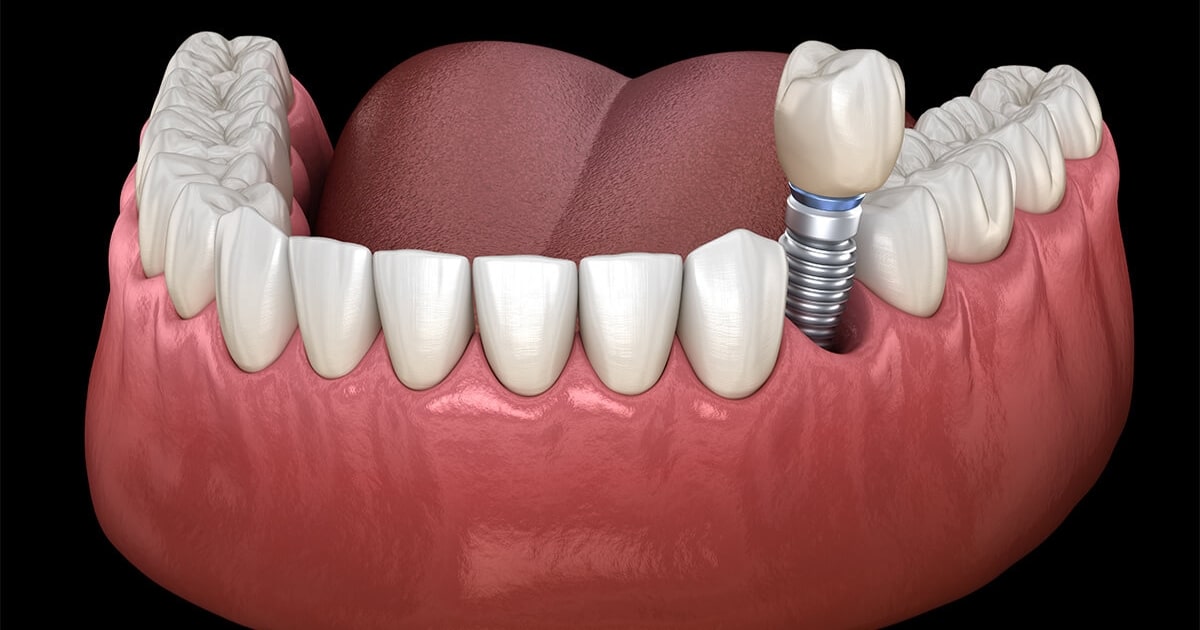
A loose implant crown does not always mean the implant itself has failed. The movement may come from the crown, the cement, a prosthetic screw, the abutment or the implant fixture. These components sit close together, so patients often cannot tell which one is moving without an examination.
That uncertainty is especially stressful after you have returned home from treatment in another country. You may not know whether to contact the clinic in Vietnam, visit a local dentist or arrange both at the same time.
An online dental consultation in Vietnam can help the original clinic review your records, understand what you are noticing and share relevant implant information with your home dentist. However, photographs and videos cannot confirm screw torque, fixture stability, bone condition or the final treatment required.
Quick Answer
If an implant crown or screw feels loose after you return home, stop chewing on that side and arrange a local dental examination. Contact the original clinic as well. An online consultation can help review photographs, X-rays and implant records, but it cannot determine which internal component is moving without an in-person assessment.
What Could Be Moving?
An implant-supported tooth is not a single piece. The visible crown connects to an abutment, and the abutment connects to the implant fixture placed in the jawbone. Depending on the restorative design, the crown may be retained with cement or a screw.
This means that several different problems can produce a similar feeling.
| What you notice | What may be involved | What to do next |
| The crown lifts slightly or feels less secure | Loss of cement retention or another restorative problem | Avoid chewing on it and arrange an examination |
| The crown rotates, clicks or moves during biting | A crown screw, abutment screw or related component | Stop using the tooth and have the restoration assessed |
| The crown has detached | Cement loss, screw loosening, screw damage or crown damage | Keep the detached component and take it to a dentist |
| Movement appears to come from the gum line | The abutment, fixture or surrounding tissue may be involved | Seek prompt in-person assessment |
| Movement occurs with pain, swelling, bleeding or discharge | A mechanical or biological complication may be present | Arrange local dental care promptly |
These signs can help you describe the problem, but they cannot identify the diagnosis. For example, a clicking sensation may suggest that a restorative component needs attention, but it does not prove that the abutment screw is loose. Similarly, pain around an implant does not automatically mean that osseointegration has failed.
Does a Loose Crown Mean the Implant Has Failed?
Not necessarily.
A crown can lose retention while the implant fixture remains stable in the bone. A screw can also loosen without the fixture losing osseointegration. Screw loosening is a recognised technical complication in implant dentistry, but it is different from biological implant failure.
The opposite assumption is equally risky. Patients should not conclude that every loose restoration only needs to be tightened. A dentist needs to establish which component is moving and check whether the crown, screw, abutment, bite or surrounding tissue has also been affected.
If the implant fixture itself appears mobile, the situation requires a different clinical assessment. Appropriate examination and imaging may be needed before the cause and treatment can be confirmed.
For a broader explanation of the distinction between restorative problems and implant failure, read our guide to dental implant failure causes.
What Should You Do When You First Notice Movement?
Stop chewing on the affected side and avoid repeatedly moving the crown with your tongue or fingers. Continued pressure may place additional stress on the crown, screw or abutment.
Do not try to tighten the restoration yourself. Household glue, temporary adhesive and attempts to force a detached crown back into place can contaminate or damage the restoration and make professional treatment more difficult.
If the crown or another component comes out, place it in a clean container and take it to the dentist. Do not discard it. The component may help the dentist identify the restorative design or determine what needs to be replaced.
Contact the original clinic and explain when the movement began, when it occurs and whether you have pain, swelling, bleeding, discharge, an unusual taste or a recent injury. At the same time, arrange an examination with a dentist in your current location.
This two-track response is usually more useful than waiting for one clinic to solve the problem remotely. The original clinic can provide treatment history and component information, while the home dentist can physically examine the implant.
When Should You See a Local Dentist Before Waiting for a Reply?
Online communication should not delay necessary local care.
If the movement is increasing, the crown has detached, you cannot bite normally or the instability seems to come from the gum line, arrange an in-person dental assessment promptly.
Pain, swelling, bleeding or discharge also require local evaluation. Seek urgent medical or dental care if you develop spreading facial swelling, fever with worsening dental symptoms, difficulty swallowing or difficulty breathing. In those circumstances, do not wait for an overseas clinic to assess photographs first.
If the crown feels different but there are no urgent symptoms, you can still send information to the original clinic while arranging a local appointment. The absence of pain does not confirm that the restoration can safely be ignored.
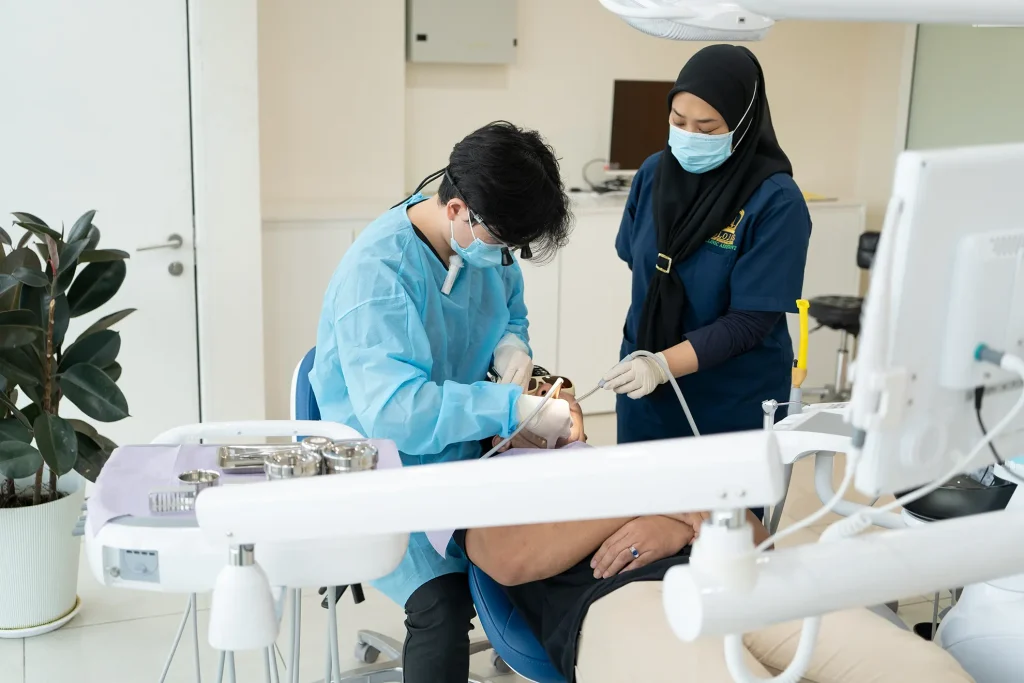
How Can an Online Dental Consultation in Vietnam Help?
The main value of an online consultation is continuity of information.
The clinic that provided the original treatment may already have the implant brand, system, placement date, restoration design, earlier X-rays and written treatment plan. These details can help a home dentist understand what was placed and which instruments or components may be relevant.
A photograph may show the visible condition of the crown and gum. A short video may help demonstrate when movement occurs. If a local dentist has taken a new X-ray, the original team can review it alongside the previous records and discuss the findings provided by the examining dentist.
This type of dental consultation in Vietnam for foreigners is particularly useful when the patient and treating clinic are now in different countries. It creates a practical route for sharing records and coordinating the next step without assuming that the entire problem can be resolved remotely.
An online consultation may help the clinic:
- Review photographs, short videos and current symptoms
- Check the implant and restoration information in its records
- Review recent X-rays supplied by a home dentist
- Explain which additional clinical findings are needed
- Share relevant treatment information with the local dentist
- Review the written warranty terms that apply to the treatment
- Discuss whether local care appears practical or a return assessment may be required
This is the one section where a checklist is useful because it shows the specific functions of the consultation. It does not mean the clinic can provide a final diagnosis through a message.
What Can an Online Consultation Not Confirm?
A camera cannot measure screw torque or determine whether the movement comes from the crown, abutment or fixture. It also cannot assess the bite, probe the surrounding gum tissue or confirm current bone conditions.
Even a recent X-ray has limits. It may help a dentist examine bone levels, implant position and other selected features, but it does not directly show whether a prosthetic screw has the correct torque. The image must be interpreted together with an in-person examination.
An online review therefore cannot confirm the final repair, final price, warranty outcome or whether the patient must return to Vietnam. These decisions depend on the clinical findings and the written terms associated with the treatment.
The purpose of remote consultation is to reduce missing information and improve coordination—not to replace the dentist who can physically examine the implant.
What Should You Send to the Clinic in Vietnam?
A message saying “my implant is loose” does not provide enough detail. The clinic needs to understand what you can see, what you can feel and what has changed.
Send a clear photograph of the crown and surrounding gum. If movement can be recorded without repeatedly manipulating the restoration, include a short video. Explain when the problem began, whether the crown moves constantly or only during biting, and whether you have pain, swelling, bleeding, discharge or an unusual taste.
If you have visited a home dentist, send the new X-rays and clinical notes. Include your implant passport, treatment records, written warranty and the dental treatment plan issued in Vietnam where available. You should also disclose any adjustment or replacement performed after leaving the original clinic.
Patients often search for how to “send X-rays to a dental clinic in Vietnam,” but image format and quality matter. A screenshot may be sufficient for a preliminary conversation, while the original diagnostic file may be more useful for professional review. Existing CBCT DICOM files can also be shared if they are relevant and available, but CBCT is not automatically required for every loose crown.
For more information about what different images may show before remote review, see our guide to implant X-ray remote assessment.
What Information Does Your Home Dentist Need?
The country of origin alone does not identify an implant system. Telling a dentist that you received a “Swiss implant” or “Korean implant” may not be enough to select the correct driver, screw or replacement component.
The most useful records identify the implant manufacturer and system. Product or reference details, lot information, implant dimensions, placement site, placement date, abutment information and restoration type may also help where they are available.
The home dentist should know whether the crown was documented as screw-retained or cement-retained. Previous X-rays and treatment notes can provide useful context, while the clinic’s contact details allow the two dental teams to communicate if clarification is needed.
Not every patient will receive every type of product information. The practical goal is to give the home dentist reliable records rather than asking them to identify a component through appearance alone.
For more information about ongoing care outside Vietnam, read Can a Home Dentist Maintain Implants Placed in Vietnam?.
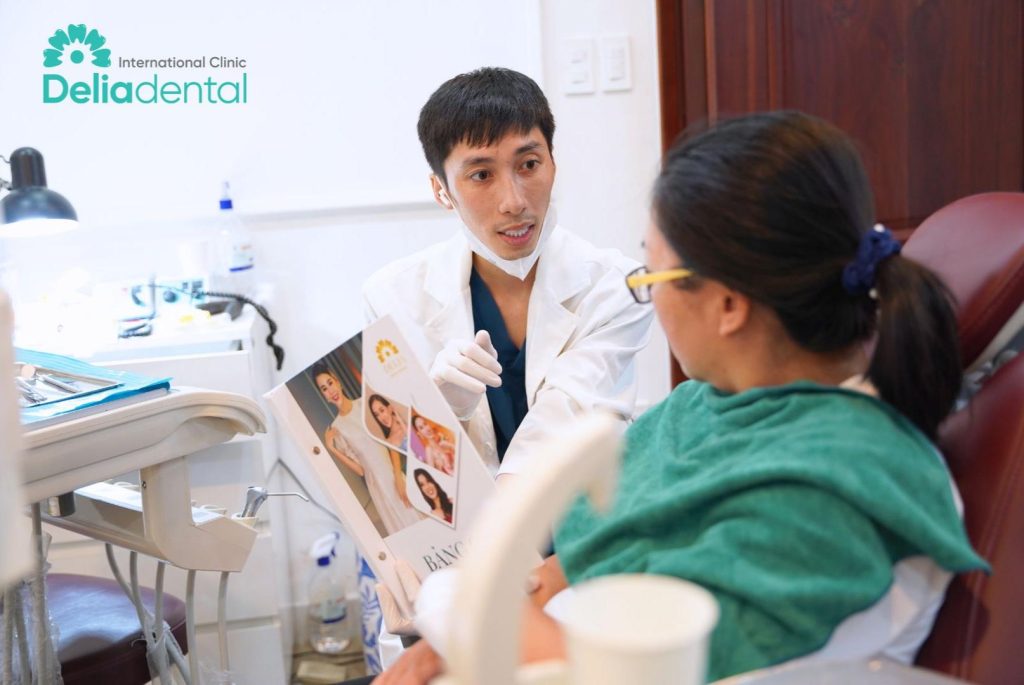
Can a Home Dentist Tighten or Repair the Restoration?
A home dentist may be able to treat the problem, but the appropriate repair cannot be selected until the moving component has been identified.
If a screw is involved, the dentist needs to know the implant system and determine whether the correct driver and compatible component are available. They must also inspect the screw and connection rather than assume that the existing screw can simply be tightened again.
Some cases may involve re-securing a crown. Others may require a replacement screw, abutment repair, new crown or further assessment of the implant fixture. The dentist may also check the bite and restoration fit to investigate why the problem developed.
The crown material and shade are useful if a restoration must be reproduced, but they do not identify the screw or driver. Implant-system documentation is more important when dealing with the connection between components.
Treatment may be straightforward in selected cases, but it should not be promised as a one-appointment repair before the restoration is examined.
Why Might an Implant Crown or Screw Become Loose?
A photograph cannot establish the cause.
Loss of cement retention may allow a cement-retained crown to move. In a screw-retained restoration, changes in preload, component fit or forces acting on the crown may contribute to screw movement. Grinding, clenching, trauma, restoration design and the distribution of bite forces may also be relevant.
The dentist should examine the restoration rather than treating screw loosening as an isolated event. Simply tightening a component without checking the crown, connection and bite may leave the contributing problem unresolved.
A loose crown does not prove that the original treatment was performed incorrectly. It is a finding that requires assessment, not a conclusion about fault.
Could Treatment by a Home Dentist Affect the Warranty?
Receiving local dental care does not automatically cancel every warranty. The outcome depends on the written conditions, the procedure performed and the components used.
Before non-urgent work is completed, contact the original clinic and ask what information should be documented. The home dentist may be asked to provide examination findings, X-rays and a record of any component removed, tightened or replaced.
A manufacturer guarantee and a clinic-issued warranty are separate. Coverage for the implant fixture does not automatically include the abutment, crown, clinical fees, local treatment, laboratory work, travel or accommodation.
Using a different component or altering the original restoration may affect eligibility under some written terms. It should not be assumed that this always happens, and it should not prevent necessary urgent treatment. Patient safety takes priority when local care cannot reasonably wait.
Will You Need to Return to Vietnam?
Not every loose implant crown requires an international return trip.
A home dentist may be able to complete the assessment and repair locally when the system is identifiable and compatible components are available. In other cases, the local dentist may provide immediate care and then coordinate with the original clinic before completing the restoration.
Returning to Vietnam may be considered if the necessary component is unavailable locally, the restoration requires more complex work or the applicable clinic warranty needs to be assessed by the issuing clinic.
An online dental consultation can make this decision easier by bringing together the original records and the findings from the home dentist. It cannot guarantee in advance that local treatment will be sufficient or that a return trip will be necessary.
How Delia Dental Clinic Supports International Patients
Patients who have returned home can contact Delia Dental Clinic through WhatsApp or Messenger. The international patient team can receive dental photographs, short videos, recent X-rays, existing CBCT files, treatment records and notes from a home dentist.
Because Delia Dental Clinic retains the treatment information associated with care provided at its Hanoi and Ho Chi Minh City branches, the team may be able to identify the recorded implant system, review earlier documents and provide relevant information for the local dentist.
The team can also explain what additional information is needed, review the applicable written warranty details and help coordinate a follow-up plan. If a return assessment is being considered, the available clinical information can support preliminary travel planning.
This support remains preliminary until the implant and restoration have been assessed in person. Remote communication cannot confirm screw torque, fixture mobility, current gum condition or the final treatment required.
Send a clear photograph or short video of the movement, recent X-rays, your implant records and any notes from your home dentist to Delia Dental Clinic via WhatsApp or Messenger. The team can review the available information and help coordinate the next step.
FAQ
Can a loose implant crown tighten itself?
No. Loss of cement retention or movement involving a screw or another component does not normally correct itself. Avoid chewing on the restoration and arrange an examination rather than continuing to test how much it moves.
Does a loose crown mean the implant fixture has failed?
Not necessarily. Movement may be limited to the crown, cement, prosthetic screw or abutment while the fixture remains stable. An in-person examination is required to determine which component is involved.
Can my home dentist repair a loose implant screw?
Possibly. The dentist needs to identify the implant system, inspect the restoration and determine whether the appropriate driver and compatible components are available. The screw may be tightened in some cases, while a damaged component may need replacement.
What should I do if the crown comes off?
Keep the crown and any detached component in a clean container. Do not glue it back or continue chewing on the site. Contact the original clinic and arrange a local dental examination.
Is an old X-ray enough for an online consultation?
An older X-ray provides historical context but cannot confirm what has changed since it was taken. The home dentist may recommend a current X-ray based on the examination and symptoms.
Final Thoughts
A loose implant crown can involve several components, and the sensation alone cannot confirm which one is responsible. Stop chewing on the affected side, preserve any detached parts and arrange an examination with a dentist in your current location.
At the same time, an online dental consultation in Vietnam can help connect the original treatment records with the new clinical findings. This gives the home dentist better information and helps the original clinic provide more relevant guidance.
Send your dental photographs, a short video, recent X-rays, implant records, written treatment plan and another dentist’s notes to Delia Dental Clinic via WhatsApp or Messenger. The international patient team can review the available information and help coordinate follow-up with the Hanoi or Ho Chi Minh City branch.


