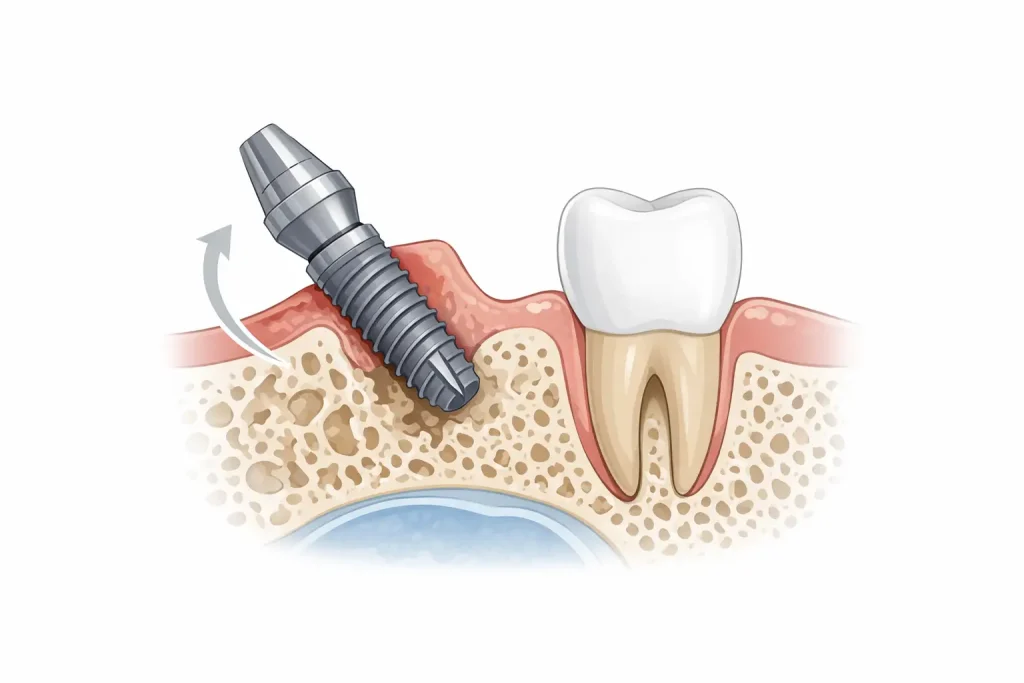
Dental implant failure is usually linked to a short list of causes that can be assessed before surgery: how the case was planned, which implant system was used, how the gum and bone around it heal, and the patient’s general health. Published studies generally report high survival rates for implants, although the figure differs by study, patient group and implant system, and it assumes careful planning and regular maintenance.
For international patients, dental implant failure carries an extra cost. A problem that appears after the flight home cannot be checked in the chair the next morning, so the risk factors need to be understood before treatment starts, not after.
This guide explains the two types of implant failure, the causes that matter most, the warning signs of an unreliable clinic and what Delia Dental Clinic reviews with patients before they travel to Hanoi or Ho Chi Minh City.
Quick Answer
Dental implant failure is commonly linked to incomplete planning before surgery, implants that cannot be verified, infection around the implant and patient health factors such as smoking or uncontrolled diabetes. Most of these can be assessed before treatment through a CBCT scan, a named implant brand and a written plan.
What Does Dental Implant Failure Actually Mean?
Dental implant failure is not a single event. It is usually described by timing, because the likely cause and the response differ between the first months and the years that follow.
Early failure happens in the first few months, before the implant has integrated with the jawbone. The implant may feel mobile, the bone may not bond to the implant surface as expected, or an infection may develop at the surgical site. A patient who notices an implant moving slightly under pressure a few weeks after surgery should contact the clinic promptly instead of waiting to see whether it settles. At this stage removal may be simpler, and the site can often be reassessed before another attempt, depending on the case.
Late failure develops after the implant has been in function for a year or more. A common cause is peri-implantitis, where bacteria collect around the neck of the implant and damage the surrounding bone. Left untreated, it can lead to progressive bone loss and persistent discomfort. Many cases are avoidable when risks are identified early, but no clinic can remove all risk, which is why the sections below focus on what can be checked in advance.
The Most Common Causes of Dental Implant Failure
Poor Planning Before Surgery
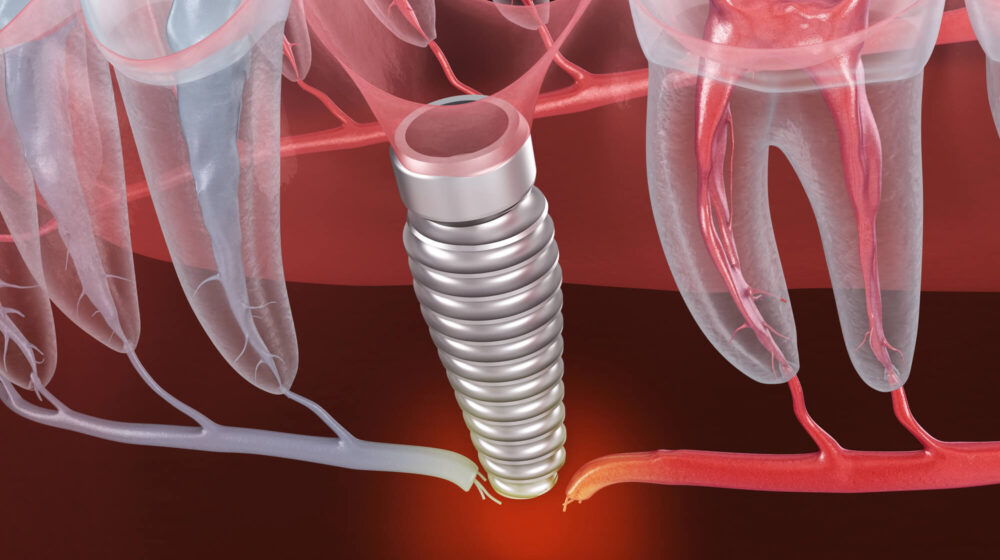
The cause a clinic controls most directly is incomplete assessment before surgery. Improper implant position, limited imaging or a lack of digital planning may lead to nerve irritation, sinus complications or long term instability. In the upper back teeth, for example, a sinus floor that sits lower than expected can change where and how an implant is placed, and a flat X-ray does not always show that.
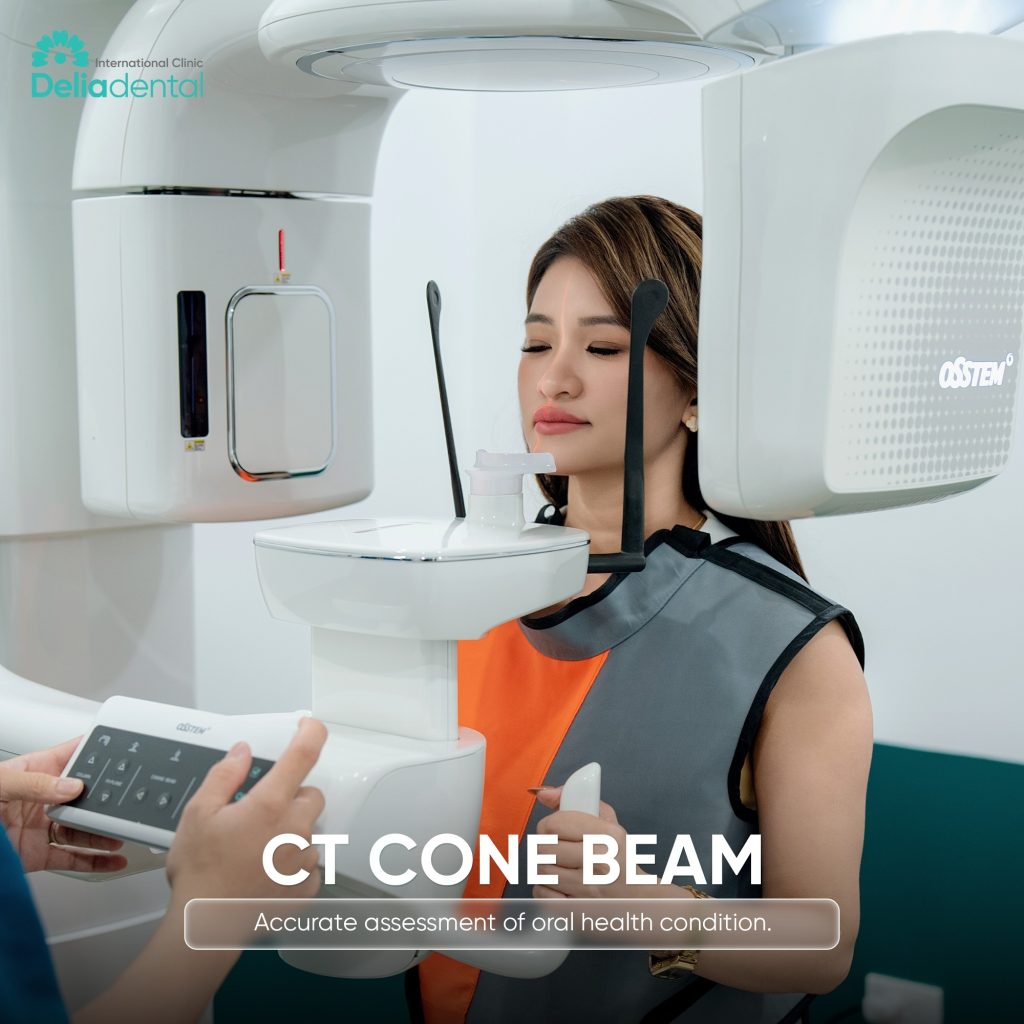
A proper assessment includes a 3D cone beam CT scan that maps bone density, bone volume, nerve position and sinus proximity across the implant site. A CBCT scan supports the plan but does not replace a clinical examination, so the two are used together.
Using Unbranded or Unverifiable Implants
Patients ask about this often in dental tourism, because a low price can hide what is being placed. When a clinic will not name the implant system, the patient cannot check the product, cannot tell whether matching parts are available at home and cannot tell what a warranty is attached to. Established systems such as Straumann, HIOSSEN, ETK and Osstem generally publish product documentation and product codes, which also matters if a local dentist ever needs to service the implant later.
If a low cost implant fails, correcting it at home may cost more than the amount saved on the original treatment, since it can involve removal, bone rebuilding and a new healing period. A higher price does not prove quality either, so the more reliable test is whether the clinic names the brand and model in writing.
Infection and Peri-Implantitis
Bacterial infection around the implant can develop into peri-implantitis, which involves inflammation, bone loss and, in advanced cases, implant loosening. It is one of the more common causes of late failure.
Infection risk is managed at two levels. The clinic is responsible for sterile surgical protocols, proper handling of the implant surface and correct placement depth. The patient is responsible for oral hygiene after surgery and for attending follow up assessments. A patient who skips cleaning around a healing implant, or who never books a check after returning home, can undo good surgical work.
Patient Health Factors
Several health factors raise the chance of complications, including smoking, uncontrolled diabetes, poor oral hygiene, gum disease and teeth grinding (bruxism).
Smoking reduces blood flow to the gum tissue and can slow healing, which affects how well the implant integrates with the bone. The surgeon sets specific timing around surgery based on the case, so patients who smoke should say so at the first consultation instead of deciding on their own how much to change.
Uncontrolled diabetes affects healing and is associated with higher rates of early failure and peri-implantitis. Patients with well controlled diabetes can still have successful implants, but blood sugar needs to be stable before surgery, which is why recent test results and a medication list are useful in a remote review. Prescribed medication should never be changed without the doctor who prescribed it.
Bone Loss at the Implant Site
If bone at the planned site is thin or reduced, a bone graft may be needed before or during implant placement, depending on the CBCT findings. Placing an implant into inadequate bone is a preventable cause of early failure. A tooth that has been missing for many years is a typical example, since the bone in that area has often thinned, although the extent is confirmed case by case on the scan. This is also why a 2D X-ray sent before travel can only give a preliminary direction.
Warning Signs That a Clinic May Not Be Reliable
Certain patterns appear repeatedly in clinics where patients later report problems. Checking for them before booking takes far less time than correcting an implant afterwards.
No brand name: Phrases such as “premium implant” or “quality titanium” without a manufacturer and model do not tell you what is being placed. Ask for the brand and model to be written into the plan.
No CBCT scan in the assessment: For implant cases, CBCT imaging is part of planning, not an optional extra. Without it, the surgical plan rests on less information than it should.
A price far below comparable quotes: Very low all inclusive prices may mean savings are being made on the implant itself or on planning steps. Compare any quote against others that name the brand and list what is included.
Nothing in writing before you book flights: A clinic should be able to review your X-rays and give a written preliminary plan with procedures, materials and estimated cost. The final plan and quote are reasonably confirmed after examination, but a clinic that offers nothing in writing beforehand gives you nothing to compare.
How to Check What Is Actually Being Placed
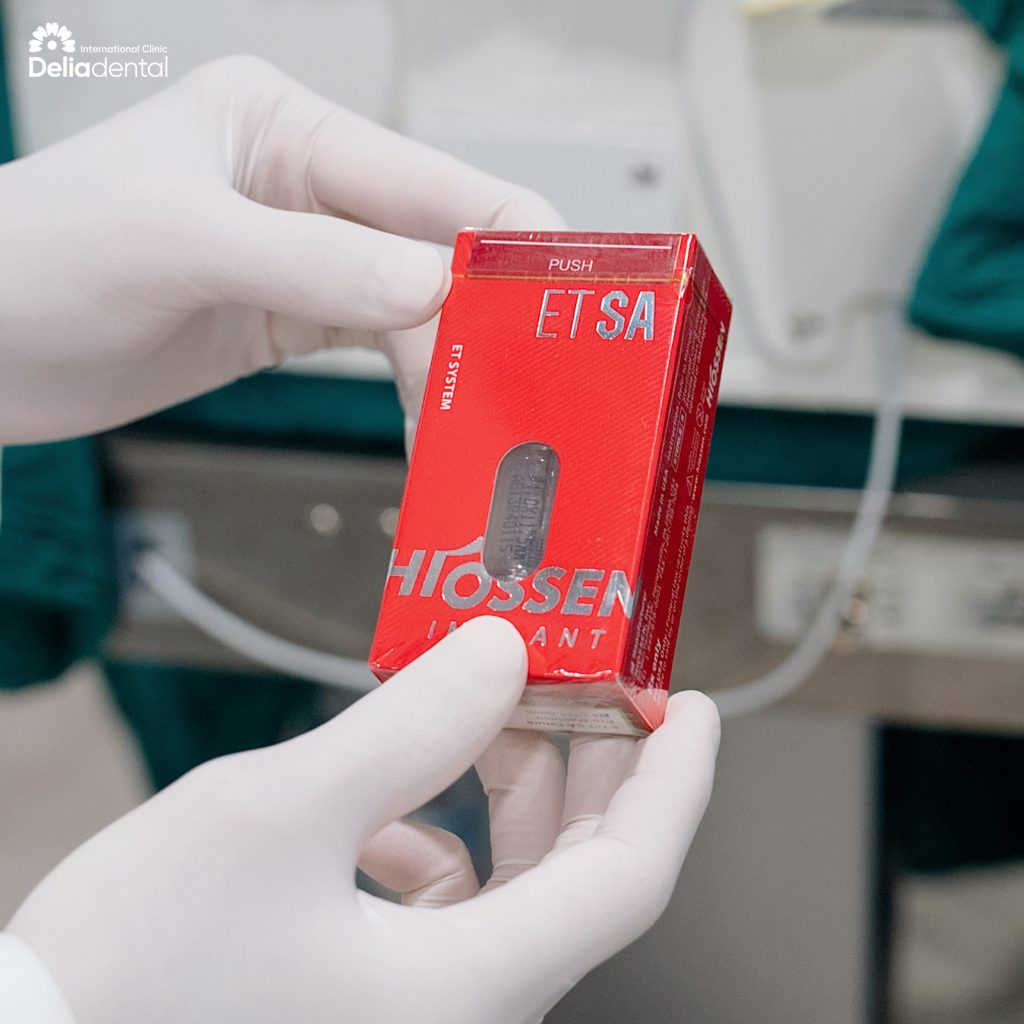
A patient can ask to see the unopened implant box and check the brand code on the manufacturer’s official website before agreeing to treatment. This takes a few minutes and confirms that the product matches what was quoted. Warranty cards issued by Delia Dental Clinic also carry a QR code that patients can use to look up the details online.
Brand verification has a limit worth stating clearly. It confirms the product, not the quality of the planning or placement, which depends on the scan, the surgeon and the follow up. Patients should keep the written plan, the warranty documentation and the scan records, since a local dentist can use them if the implant ever needs attention at home.
Dental Implant Costs in Vietnam: What to Expect
For context, these are standard implant prices at Delia Dental Clinic in Ho Chi Minh City and Hanoi. They are standard prices, not promotional prices, and they cover the implant post and abutment only.
| Implant system | Origin | Standard price, implant + abutment (USD) | Published warranty reference |
|---|---|---|---|
| Osstem | South Korea | $700 | 10 years |
| Dentium | USA | $800 | 15 years |
| HIOSSEN | USA | $1,200 | 30 years |
| ETK | France | $1,300 | 30 years |
| SIC | Switzerland | $1,400 | 30 years |
| Straumann SLA | Switzerland | $2,000 | Lifetime |
| Straumann SLActive | Switzerland | $2,300 | Lifetime |
These figures are not the cost of replacing one tooth, and they are not All-on-4 or All-on-6 package prices. A complete quote may also include consultation, CBCT imaging, extractions, bone grafting, sinus augmentation, temporary teeth, the final crown or prosthesis, medication and follow up, depending on the case. The warranty reference above applies to the implant system. Coverage for the abutment, the crown or bridge, and any maintenance conditions are set out separately, so patients should ask for them in the written warranty documentation.
How Delia Dental Clinic Reviews Implant Risk Before You Travel
Delia Dental Clinic starts implant cases before the trip. Patients can send existing X-rays, CBCT files, smile or bite photos, a current quote from their home dentist, a medical summary and a medication list through WhatsApp or Messenger. From those records, the international patient team can suggest a preliminary treatment direction, estimate the likely cost and outline a realistic travel timeline, including whether the case looks like a standard two trip plan or may need bone grafting.
A 2D X-ray sent in advance supports only that preliminary direction, because it cannot measure bone density or volume. Every implant case therefore begins with a CBCT scan at the clinic in Hanoi or Ho Chi Minh City, and the final treatment plan and itemised quote are confirmed after the in person examination. If the scan shows something the photos did not, such as thin bone or gum disease, the plan can change before surgery, for example by adding bone grafting or treating the gums first.
Patients can ask for the implant brand and model to be named in the written plan. The English speaking team also coordinates hotel and timeline, airport pickup and remote follow up after the patient returns home. Book an online consultation to have your records reviewed.
Book a free online consultation here.
Frequently Asked Questions
What Is the Success Rate of Dental Implants?
Published studies generally report high implant survival rates, but the figure depends on the study, the follow up period, the patient group and the implant system, so no single number applies to every case. Survival is also not the same as success, since an implant can stay in place while the bone around it slowly recedes. Reported rates usually reflect patients who keep up hygiene and attend maintenance visits. Individual risk shifts with smoking, diabetes control, bone quality and bite forces. A clinician can only estimate your own risk after examination and imaging. A clinic that quotes one percentage as a guarantee is a reason to ask for more detail.
What Are the Signs That an Implant May Be Failing?
Common warning signs include an implant or crown that feels loose, pain that persists or worsens, swelling or redness around the implant, gums that bleed easily or release pus, and a bad taste near the site. Mild soreness and swelling can be part of normal healing, so the direction matters more than the symptom itself. Symptoms that improve day by day are less concerning than symptoms that plateau or intensify. Gum tenderness months or years later may point to peri-implantitis rather than a healing problem. Patients can send clear photos and any recent X-ray to the international patient team for advice on the next step. Severe pain, fever or swelling that spreads should be assessed urgently by a local dentist or emergency service, and none of these signs confirms failure without an examination.
Can a Failed Dental Implant Be Replaced?
Often it can, but not always, and the answer depends on the cause, the amount of bone that remains and whether infection is present. The usual sequence is removal, a healing period and sometimes bone grafting before a new implant is considered, which extends the timeline. If the cause was a controllable factor such as smoking or poor cleaning, that factor needs to be addressed before a second attempt. A repeat implant in the same position is not automatically the right choice, and a different position or another type of restoration may be discussed. The records from the first surgery, including the brand and the CBCT scan, help the next dentist plan safely. Cost and time can only be estimated after the site is examined.
Can Smokers or Patients With Diabetes Get Dental Implants?
They may, depending on the case, and the decision belongs to the treating dentist after assessment. Smoking raises the risk of slower healing and complications, so it is discussed openly during planning instead of being treated as a reason to hide it. For diabetes, the main question is whether blood sugar is stable, which is why recent test results and a medication list are useful before travel. The dental team may need input from your own doctor before confirming the plan. Gum disease also needs treatment before implants are placed. Nobody should stop or change prescribed medication without the prescribing doctor.
Do I Need to Stay in Vietnam Until the Implant Heals?
Usually not. Many implant cases follow a two trip pattern: the first trip covers examination, CBCT scan, surgery and temporary teeth, healing continues at home for several months, and the second trip is for the final teeth. The second trip can be rescheduled if the patient tells the coordinator in advance. Cases that need bone grafting may require a longer healing period and occasionally an additional trip, which is confirmed on the scan. Because healing happens at home, patients should follow the aftercare instructions and report symptoms instead of waiting until the second trip. The timeline is an estimate until the plan is confirmed in person.
Understanding Warranty, Quotes and Aftercare Before You Book
Once you know the risk factors, the next step is understanding what a quote, a warranty and follow up care actually cover.
- Dental Implant Quote and CBCT Scan in Vietnam
- Implant Warranty vs Prosthetic Warranty
- Immediate Dental Implants in Vietnam: What to Expect
- Are Dental Implants in Vietnam Safe for Foreigners?
Final Thoughts
Most of what separates a sound implant plan from a risky one can be seen before anyone books a flight. Whether a CBCT scan is part of the assessment, whether the brand is named in writing and whether the clinic is open about what a remote review can and cannot confirm are all questions a patient can put on the table early.
No plan removes every risk, and a reliable clinic will say so. What you can control is how much of the picture is clear before treatment starts, including the stages, the healing period and what to do if something feels wrong after you are home.
Send your X-rays, CBCT files or existing implant quote via WhatsApp or Messenger before you book flights.


