Dental implants in Vietnam can be safe for foreigners, but safety depends on the clinic, not on the country. A lower price matters little if the imaging, materials and follow up behind it are weak.
Surgical outcomes depend on the diagnostics done before surgery, the clinical protocols followed, the implant system used, and how well the patient looks after the implant afterward. Quality varies between clinics in every country, so the useful question is how to judge one clinic, not whether a whole country is safe.
This guide covers what research says about implant outcomes in general terms, what causes implants to fail, the extra risks that foreign patients face, and what to check before you book a clinic in Vietnam.
Quick Answer
Dental implants placed in Vietnam carry the same biological risks as implants placed anywhere else, and most of those risks depend on the clinic’s diagnostics, infection control, implant system and follow up, plus the patient’s health and hygiene. Before booking, confirm CBCT imaging, implant brand and traceability, written warranty terms and a remote follow up plan. Suitability is confirmed only after an in person examination.
What Clinical Research Says About Implant Safety
Dental implants are among the most widely studied devices in dentistry, and long term studies commonly report high survival rates in suitable patients when implants are placed and maintained correctly. Exact figures vary by study, implant system, bone site and patient factors such as smoking and diabetes, so no single percentage applies to every case.
The research comes from many countries, clinics and manufacturers, which is the point for anyone considering dental tourism. Bone healing and the mechanics of a titanium implant do not change with geography. What changes from clinic to clinic is whether the protocol behind those results is actually followed.
Bone site is one example of a case factor. Softer bone in the upper back jaw may carry a slightly higher early risk than denser bone elsewhere, which is why a scan matters more than a general success figure. A statistic tells you the treatment works in general, while your own result depends on a clinical assessment of your jaw, gums and health.
For a foreign patient, the working question is whether the specific clinic replicates proper diagnostic, infection control and material protocols. The sections below show how to test that.
What Causes Implants To Fail
Implant problems commonly trace back to five areas, and none of them is specific to one country:
- Peri-implantitis: a bacterial infection of the gum and bone around the implant, usually linked to plaque build up.
- Failed osseointegration: the jawbone does not fuse properly with the implant surface, which usually shows within the first months.
- Mechanical complications: component fracture, hardware damage or screw loosening under repeated load.
- Biting overload: excessive force on the new restoration, often linked to night time grinding (bruxism).
- Systemic health factors: conditions that impair healing, such as uncontrolled diabetes or suppressed immunity.
A poorly maintained implant can fail in Sydney for the same reasons it can fail in Ho Chi Minh City, and an implant placed without a proper bone assessment can fail in London for the same reasons it can fail in Hanoi. The location of the clinic is not the variable.
Two factors are the most controllable. The first is the quality of imaging before surgery, which is the clinic’s responsibility. The second is your own hygiene, including regular professional cleanings, which may reduce the risk of peri-implantitis, along with early review of any small tissue or alignment change.
Smoking is widely recognized as a major modifiable risk factor. Dentists commonly advise stopping well before surgery and during healing, and a responsible clinic discusses tobacco use with you before treatment regardless of where it operates. Your dentist decides how much this affects your case.
Why Imaging Before Surgery Matters
A cone beam CT scan (CBCT) is commonly considered essential for safe implant planning. It maps bone density and volume in three dimensions, shows the position of nerves and sinuses, and helps determine whether bone grafting is needed before any implant is placed. Without that information, an implant risks nerve damage, sinus perforation or placement in insufficient bone, and proper imaging helps reduce all three.
A 2D panoramic X-ray sent before travel is useful for a preliminary direction, but it cannot measure bone density or volume the way a CBCT can. A patient who lost teeth many years ago, for example, may still be able to receive implants, but grafting is more likely and the scope is case specific.
When a quote never mentions CBCT, ask whether it is included and when it will be done. The answer should come in writing before you pay a deposit.
How To Check Implant Brand, Traceability And Warranty Terms
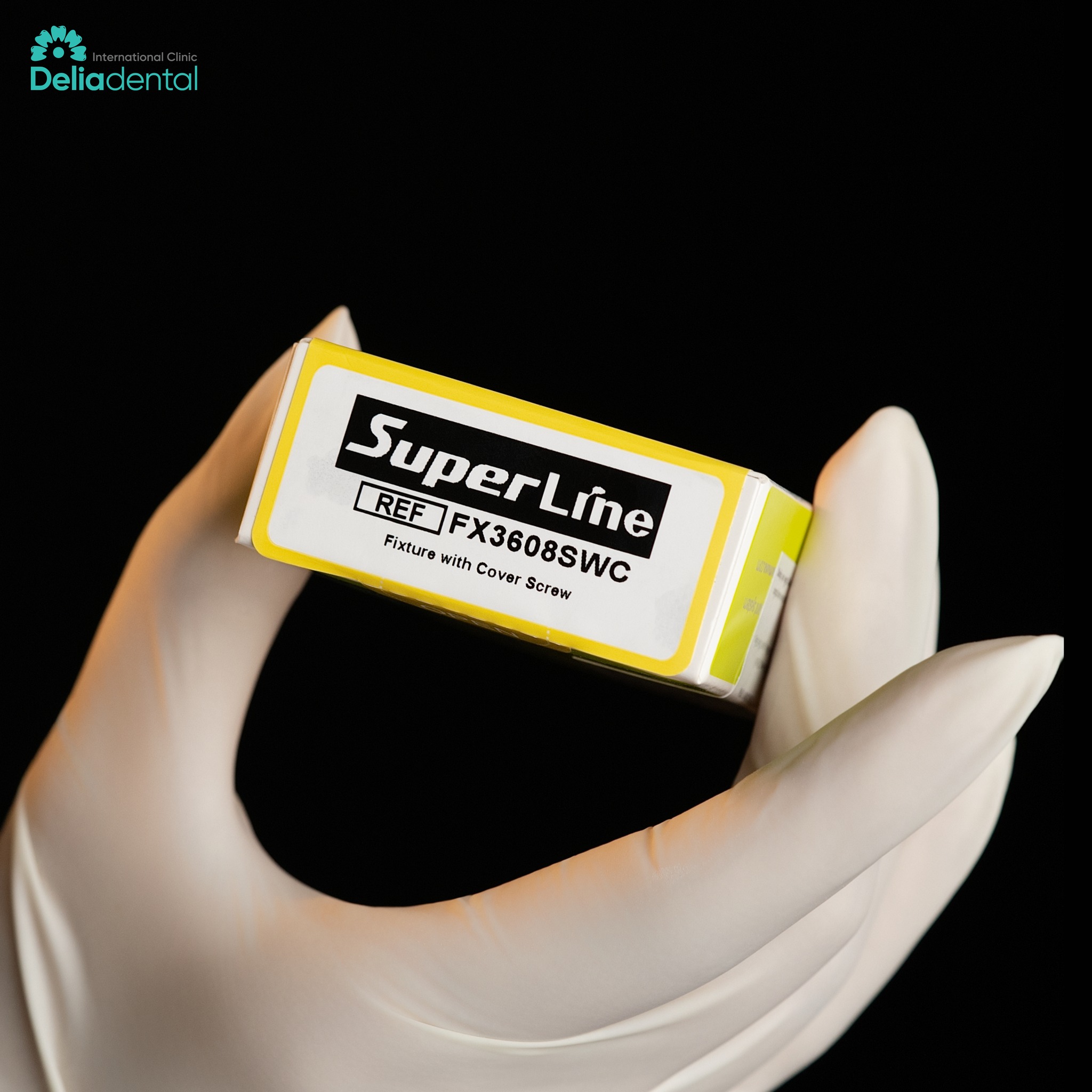
The brand name matters less than your ability to verify what was placed. Every implant system is identified by the manufacturer, and written records that name the brand and model let any dentist identify the system later for maintenance or repairs.
Ask for these items before treatment:
- The implant brand and model planned for your case
- Permission to see the unopened implant box and check its codes on the manufacturer’s website
- Written warranty documentation handed over at the end of treatment
- Digital imaging and treatment records you can give to your local dentist
A warranty covers the component it names. Published terms usually separate the implant fixture, the abutment, the crown or bridge, biological complications and maintenance conditions, so a long warranty figure on one component does not mean the whole treatment is covered for that period. Ask which component each term applies to, and treat a clinic that cannot answer as a reason to look further.
Sterilization And Infection Control: What You Can Check
Peri-implantitis is an infection, so prevention starts in the surgical room. Ask the clinic about its sterilization process before you book, and ask for the answer in writing.
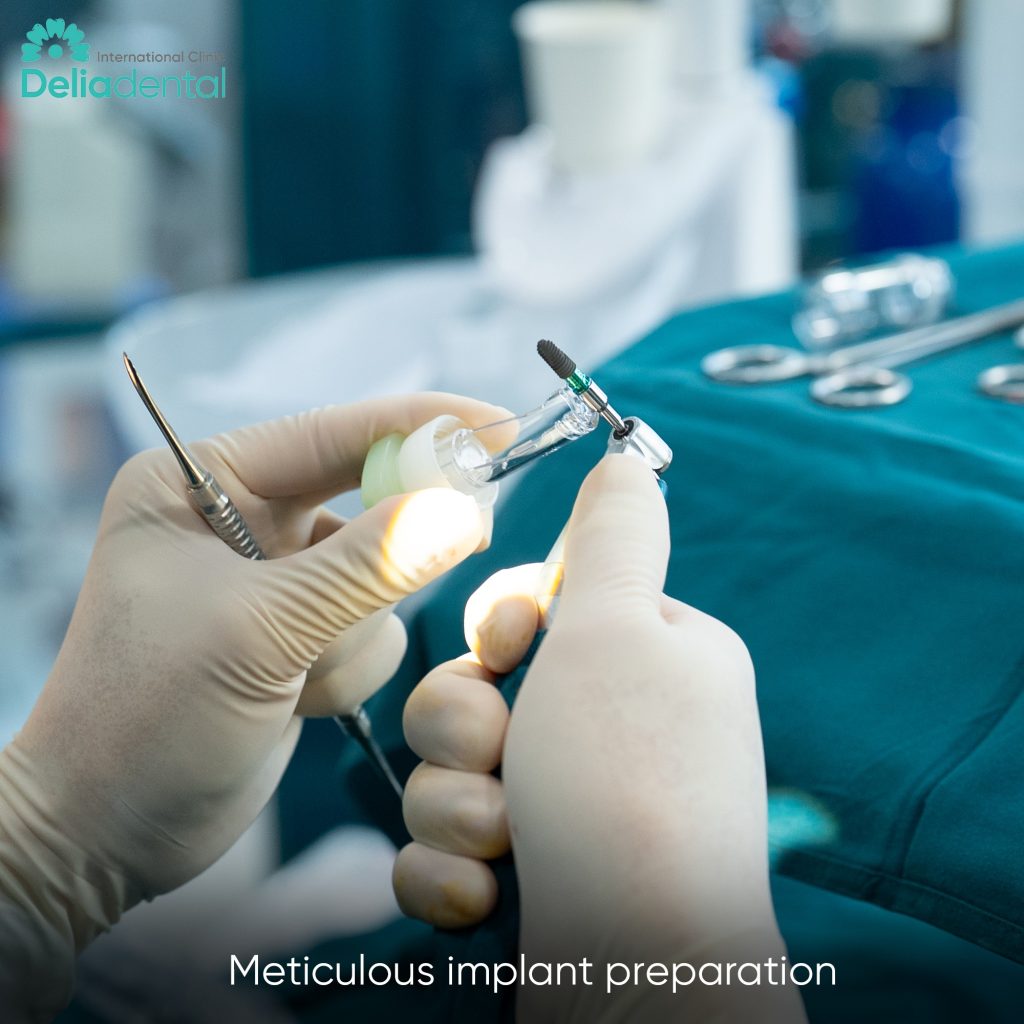
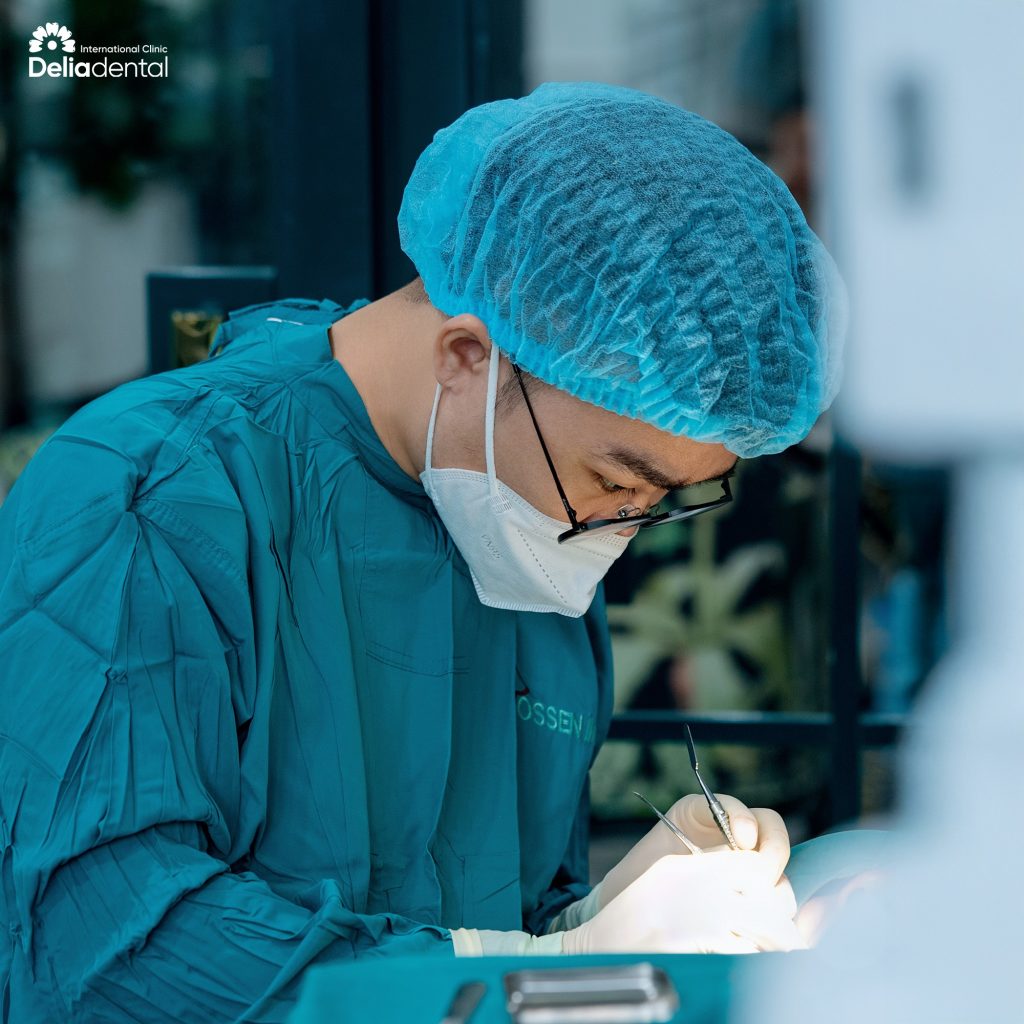
On the day of treatment, look at what is visible. Instruments should be opened from sealed packaging in front of you, disposable items such as gloves and suction tips should be single use, and the room should be cleaned between patients. Some clinics allow patients to see the surgical room from outside, which makes these checks easier.
These observations support the written protocol but do not replace it. A clean looking room says little about documentation, so use both.
The Specific Risks Foreign Patients Face
Foreign patients face four risks that local patients mostly do not, and each has a practical fix.
Limited Relationship With The Treating Dentist
A local patient builds a relationship with a dentist over years, while a foreign patient may arrive, have surgery and leave within days. The fix is a thorough remote consultation before you book any flights. Send existing X-rays or CBCT scans, ask for a written treatment plan with itemized pricing, and get direct answers to the questions in this guide. A clinic that cannot provide all of that before you arrive is not set up for international patients.
A Short Follow Up Window
Complications can appear in the days after surgery, sometimes after the patient has flown home. Choose a clinic that offers structured remote follow up in English through a documented channel. That should include written post operative instructions, a contact point for questions and guidance on what to monitor during healing.
No Local Oversight While The Implant Heals
The healing period between placement and the final crown, commonly 3 to 6 months, takes place at home. A reputable clinic supplies full treatment records and imaging in a digital format that a dentist in your home country can review. Without those records, your local dentist has little to compare against when monitoring progress.
Difficulty Verifying A Clinic From Abroad
This is the largest risk, and general reviews rarely solve it. Specific questions do:
- Which implant brand and model will be used?
- Is CBCT part of the assessment?
- Will warranty documentation list the implant details?
- Can you see before and after cases from international patients?
A clinic that gives vague answers or changes the subject is sending a signal. A reputable clinic answers these questions directly, in writing, before you book anything.
How Delia Dental Clinic Handles Implant Safety For International Patients
Delia Dental Clinic treats implant safety as a set of checkpoints that start before you fly. The clinic operates in Hanoi and Ho Chi Minh City, and the process below applies to both branches.
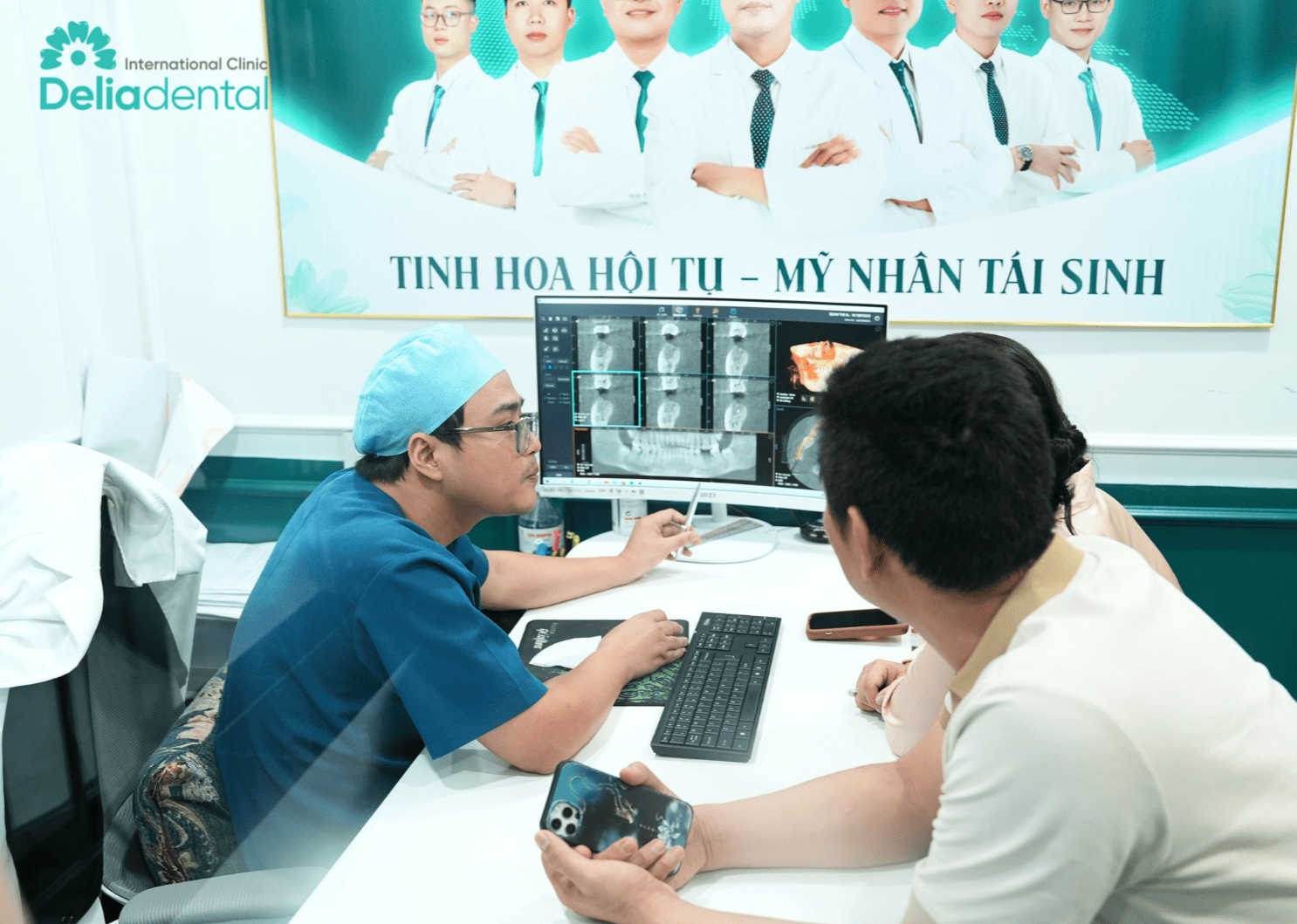
Every implant case begins with a CBCT scan at the clinic, and the implant system is chosen only after the scan findings and your clinical situation are reviewed. A 2D panoramic X-ray sent beforehand is used only for a preliminary plan. The All-on-4, All-on-5 and All-on-6 packages include a CT cone beam scan, while single implant prices do not automatically include CBCT, extractions or grafting, so ask for a full itemized quote.
| Implant brand | Origin | Published warranty |
|---|---|---|
| Straumann SLA and SLActive | Switzerland | Lifetime |
| HIOSSEN | USA | 30 years |
| ETK | France | 30 years |
| SIC | Switzerland | 30 years |
| Dentium | USA | 15 years |
| Osstem | South Korea | 10 years |
These terms apply to the implant component. Written warranty documentation is provided, and patients can ask to see the unopened implant box and check its codes on the manufacturer’s website. Warranty cards include a QR code for self verification.
Delia Dental Clinic also lets patients see parts of the facility. The building has seven floors, the surgical room can be seen from outside, the sterilization room can also be observed, and rooms are cleaned between cases. Instruments, gloves, suction tips and bibs are single use for each patient.
For full arch cases, an immediate temporary prosthesis is fitted after surgery, and the final prosthesis follows once osseointegration is confirmed, usually 3 to 6 months later. The first trip commonly runs 10 to 14 days, and the second trip is scheduled around your travel window. The English speaking team coordinates the remote consultation, airport pickup, hotel arrangements near the clinic and aftercare guidance, and remote follow up after you return home is available through WhatsApp. Treatment records support monitoring by your local dentist during healing..
Frequently Asked Questions
Can My Local Dentist Monitor The Implant While It Heals?
Usually yes, provided they have the right records. The healing period between placement and the final crown commonly lasts 3 to 6 months and happens at home, so your local dentist is the one who can see the site in person. Ask the treating clinic for digital imaging, the treatment record and the implant identification details before you leave Vietnam. Those records let your dentist identify the system and compare future X-rays against the post surgery baseline. Some local dentists may prefer not to manage implants they did not place, so ask about this before you travel. Your dentist’s role during healing is monitoring, and any adjustment to the implant or restoration is usually best coordinated with the clinic that placed it.
Do Smoking Or Medical Conditions Rule Me Out Of Implants In Vietnam?
Not automatically, but they change the plan and the level of risk. Smoking is widely recognized as a major modifiable risk factor, and dentists commonly advise stopping well before surgery and during healing. Uncontrolled diabetes or other conditions that impair healing may delay treatment until they are better managed. Active gum disease also has to be treated before implants are placed. Because of this, send your medical history and medication list during the remote consultation, not on arrival day. Suitability is confirmed only after examination and CBCT, and a clinic may recommend postponing treatment or choosing another option if your health makes surgery riskier.
How Can I Check That My Implant Is Genuine?
You can ask to see the unopened implant box before treatment and check its brand codes on the manufacturer’s website. This works best when arranged in advance, so raise it during the remote consultation and not at the surgical appointment. Written warranty documentation should then name the brand and the implant details, and some warranty cards include a QR code that links to an online check. Keep photos of the box and the paperwork with your records. If a clinic avoids the request or cannot explain the codes, treat that as a reason to pause before paying a deposit. These checks confirm what was placed, not how well it was placed, so they work alongside imaging and follow up.
What Should I Do If Something Feels Wrong After I Fly Home?
Start by sorting the symptom. Mild tenderness or swelling that settles gradually is commonly part of normal healing, while a loose tooth or crown, pus or a bad taste, fever, facial swelling or severe pain that does not ease needs prompt dental assessment. Difficulty breathing or swallowing needs urgent medical care, not a message to the clinic. For anything that needs review, see a local dentist and send the treating clinic your photos, recent X-rays and treatment date so the two can coordinate. Photos and videos help decide the next step but cannot diagnose a problem remotely. Check your written warranty terms for what is covered, since they commonly separate the implant component from the crown and from complications.
Is A Remote Consultation Enough To Confirm An Implant Is Safe For Me?
No. A remote consultation can show which records are missing, suggest a preliminary direction and flag cases likely to need grafting or staged treatment. It cannot confirm implant position, bone quality, nerve and sinus clearance or the final cost. A 2D panoramic X-ray is useful for a first look, but only a CBCT taken at the clinic measures bone volume and density in three dimensions. Treat any photo based quote as an estimate, and expect the plan to change if the scan shows something unexpected. The value of a remote consultation is that you learn this before buying flights, not after.
Does A Temporary Arch Mean My Implants Are Ready For Normal Chewing?
No. An immediate temporary prosthesis lets you leave with fixed teeth after surgery, but it is there to protect the healing implants, not to restore full chewing strength. During osseointegration, which usually takes 3 to 6 months, your dentist will advise a soft diet and careful chewing. Hard or sticky food eaten too early can load the implants before the bone has integrated, which may raise the risk of complications. The final prosthesis is fitted on the second trip once healing is confirmed. Follow the written instructions you receive, and ask whether your case may need longer than usual.
Planning The Next Steps After Checking Safety
Once safety checks are done, these articles cover the cost, city choice and recovery questions that usually follow.
- Replacing Failed Implants: What Must Be Assessed First?
- Bridge vs Implant: Which Lasts Longer and Costs Less
- Is a CBCT Scan Required Before Every Dental Implant in Vietnam?
- How to Read an Dental Implant Itemised Quote Before You Deposit
Final Thoughts
Dental implants in Vietnam are safe to consider when the clinic passes the checks above, because the risk sits in the clinic and the follow up plan, not in the country. Send your recent X-rays, any existing CBCT files and a short medical history via WhatsApp or Messenger so Delia Dental Clinic can suggest a preliminary direction and tell you what must be confirmed in person.


