An English speaking dentist in Hanoi is easy to find and harder to verify. The phrase can mean a receptionist who translates, or a dentist who explains a root canal in full, and clinics use it for both. For an expat who plans to live in the city for years, that difference decides whether you understand what you agree to.
Language is only the first check. The others are the licence behind the dentist, hygiene you can see for yourself, a quote you can read, insurance paperwork and what happens when a tooth hurts on a Sunday evening. This guide takes them in the order you meet them.
It is written for people living in Hanoi, not visitors planning a short treatment trip, who are better served by the Hanoi dental tourism guide. The checks describe common practice and are not a clinical recommendation.
Quick Answer
To judge an English speaking dentist in Hanoi, check that the treating dentist, not only a coordinator, explains your diagnosis in English, that both the dentist’s licence and the clinic’s licence can be shown on request, and that you receive an itemised written quote. Settle insurance paperwork and emergency access before you need them.
What English Speaking Should Mean at a Dental Clinic
It should mean that the person making clinical decisions can explain them to you, and that the documents you sign are readable. A friendly front desk in English helps with booking, but it does not tell you whether the dentist can explain risks and alternatives.
Who Does the Explaining
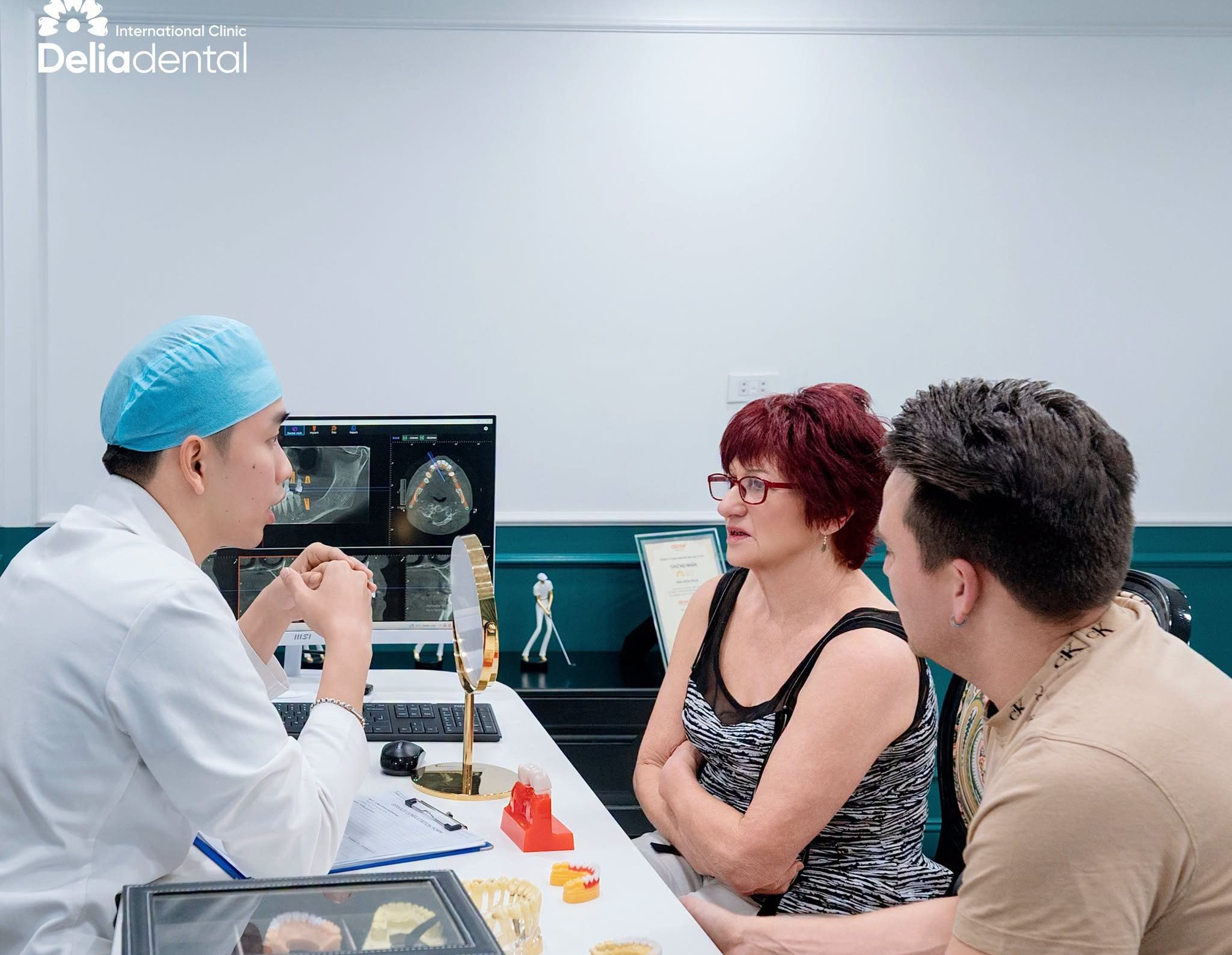
A coordinator who translates between you and the dentist can still miss detail, especially around risks and what happens if you decline treatment. A simple test is to ask the dentist why a treatment is recommended and what the alternative would be. If you are told you need a crown, you should hear whether the tooth is cracked, decayed or has had a root canal, and what happens without it.
What Should Be in Writing
Four documents matter most: the consent form, an itemised quote, aftercare instructions and copies of your X-rays. Some forms may be issued in Vietnamese, so ask for an English version or a translated summary before you sign.

How to Check a Dentist’s Credentials and Licences
A dental clinic in Vietnam works under two separate licences: an individual practice licence held by each dentist, and a facility operating licence held by the clinic. A valid facility licence does not confirm that the dentist treating you is currently licensed, and the reverse also applies. The full structure is explained in the guide to how Vietnam dental clinics are licensed and regulated.
The practical step is to ask to see the individual licence of the dentist assigned to your case, not only the certificate in reception. Look for named qualifications, such as the university and specific training in the procedure you need, rather than phrases like “internationally trained”. Ask which tasks the dentist performs personally and which an assistant handles, particularly for cleaning and impressions.
A licence confirms training and authorisation to practise, not results or that a plan suits you, which is why a second opinion on larger treatment is a normal request.
What You Can Check Yourself on a First Visit
Hygiene and imaging are the two areas where a patient can form a reasonable view in the first visit without dental training.
Hygiene and Sterilisation
Watch for signs that infection control is routine:
- Instruments that come out of sealed packaging or a sterilisation pouch in front of you
- Fresh gloves, a new bib and single use suction tips for each patient
- A treatment room that is cleaned between patients
- A sterilisation area that staff can show you or describe in specific terms
A vague answer such as “we follow international standards” is a reason to ask a more specific question.
X-rays, Scans and Your Records
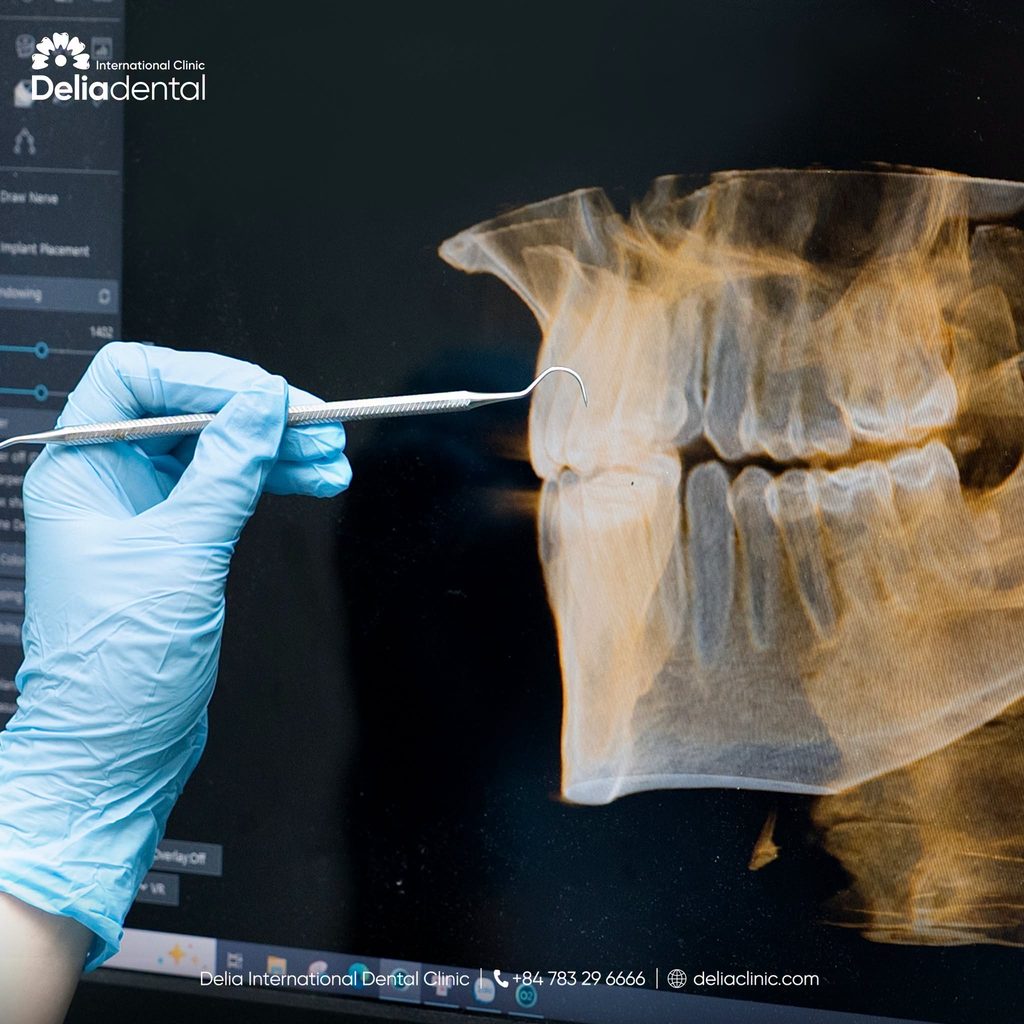
A diagnosis should rest on imaging, not a visual check alone. For implants, a 3D CBCT scan is the standard way to see bone volume, the sinus and nerve position, as covered in the guide to why a CBCT scan comes before every implant. Ask for digital copies of every X-ray, scan and treatment note. Expats change jobs and sometimes leave Vietnam, and records you hold yourself make a future dentist’s work faster and safer.
Costs, Quotes and Insurance for Expats
A reliable quote lists each treatment by tooth or unit, names the material or brand, and states what is included and what is not. Without that detail, two quotes cannot be compared. The guides on how to read a dental implant itemised quote and comparing dental clinic quotes in Vietnam show what to look for.
Three questions suit people living here: whether the price includes VAT, which currency you pay in and how any conversion is calculated, and what happens to the price if the plan changes after examination.
Insurance and Payment
State health insurance (BHYT) generally does not contribute toward treatment at private dental clinics, according to expat dental guides, and freelancers or short contract workers may not be enrolled at all. International health insurance often treats dental as an optional add on, as in this Allianz plan overview. Direct billing, where the provider bills the insurer, is usually limited to providers with an insurer arrangement.
Before treatment, ask your insurer whether dental is covered, whether pre-authorisation is needed and which documents it accepts. Then ask the clinic whether it can supply an itemised invoice and treatment record in English.

Emergencies and Long Term Follow Up
Find out before you need it how to reach the clinic when it is closed and whether urgent cases are fitted in the same day. A chipped tooth or a lost temporary crown rarely feels urgent until it happens at the weekend.
Facial swelling, fever, severe pain that does not ease, or difficulty swallowing or breathing should not wait for a dental appointment and need urgent medical care first.
For ongoing care, one clinic holding your full history is usually easier than rotating between several, particularly if you have implants, crowns or a bridge. If you leave Vietnam later, the same records let a dentist at home understand what was done, as covered in the guide on whether a dentist at home can work on implants placed in Vietnam.
How Delia Dental Clinic Works With Expats in Hanoi
Delia Dental Clinic’s Hanoi branch is at 265 Ton Duc Thang Street, Van Mieu Quoc Tu Giam Ward, and is open every day from 8am to 6pm except on public holidays. It operates as a registered facility under facility operating licence 3836/HNO-GPHĐ, and the Ho Chi Minh City branch holds its own separate licence. Dr Pham Gia Loc holds a Doctor of Odonto-Stomatology degree from Hanoi Medical University and a licence to treat foreign patients, and the medical team’s credentials are published in detail. Consultations are available in English, and the international patient team handles written communication and scheduling.
The clinic’s focus is dental implants, porcelain crowns and veneers, so for routine cleaning or simple fillings, ask the team what can be booked. Delia Dental Clinic uses single use instruments, gloves, suction tips and bibs for each patient. The surgical room can be seen from outside and the sterilisation room has a glass viewing panel, so you can check the setup yourself. Implant cases begin with a CBCT scan taken at the clinic, and a panoramic X-ray sent in advance supports only a preliminary view.
You receive an itemised quote before treatment starts. The table shows selected standard prices in USD.
| Treatment | Standard price |
|---|---|
| Ceramill crown | $190 per tooth |
| Emax crown | $290 per tooth |
| Lava Plus crown | $350 per tooth |
| Emax Press veneer | $300 per tooth |
| Osstem implant and abutment | $700 per implant |
| Dentium implant and abutment | $800 per implant |
| HIOSSEN implant and abutment | $1,200 per implant |
| Straumann SLA implant and abutment | $2,000 per implant |
Crown and veneer prices include consultation, scan or impression, mock-up, temporary restoration and try-in. Implant prices cover the implant and abutment only, so the crown on top, bone grafting and any extractions are quoted separately. The final plan and price are confirmed after an in person examination.
If you prefer to start before visiting, send a recent X-ray, photos of the problem area or an existing quote through the clinic’s WhatsApp or Messenger, and the team can suggest a preliminary direction and what to bring.
Frequently Asked Questions
Can I Walk In for a Toothache or Should I Message First?
Message or call first, and say clearly that you are in pain. A clinic that knows what to expect can tell you whether to come straight in, what to avoid at home and which records to bring. Swelling, fever or difficulty swallowing call for a hospital emergency department instead.
Will My International Insurance Pay for Dental Treatment in Hanoi?
It depends on the policy. Dental is often an add on, may carry waiting periods or annual limits, and direct billing is not available at every clinic. Ask your insurer in writing what is covered, and keep the itemised invoice, treatment record and proof of payment even if you do not plan to claim straight away.
Can I Bring X-rays From My Previous Dentist?
Yes, and they help. Earlier X-rays show how a tooth or the bone has changed over time, which one new image cannot. They support a preliminary review but do not replace imaging taken at the clinic.
What Happens to My Warranty and Records if I Leave Vietnam?
Keep your warranty documents, implant details and treatment records together, because another dentist will need them. Warranty terms differ between implants, crowns and other restorations, so ask which items are covered. The warranty policy explained sets out how Delia Dental Clinic handles this.
Looking Beyond the Language Check
Once a clinic passes the language test, the next questions are usually about safety, credentials and how the clinic operates day to day.
- Is Dental Care in Vietnam Safe? What International Patients Should Know
- Why Patients Trust Delia Dental Clinic Vietnam for Dental Tourism
- The Doctors Behind Delia Dental Clinic: Implant and Cosmetic Dentistry Credentials
- Delia Dental Clinic Standard: Why Detail Shapes Every Patient Experience
Final Thoughts
English at the front desk is a convenience. English from the dentist who diagnoses you, in a quote you can read and a record you can keep, is what protects you as a long term resident.
Book a first consultation at Delia Dental Clinic in Hanoi through Book Appointment, or message the team on WhatsApp or Messenger with your question and any X-rays you already have.


