
Hanoi is a practical place for dental tourism when your home quote is large enough to justify a trip, and when the clinic can show its plan, materials and warranty in writing. Delia Dental Clinic treats international patients at its Hanoi branch, and its standard prices for crowns, veneers and implants are published per tooth or per implant.
The decision usually comes down to three questions: whether the treatment fits one trip or two, what the quote includes and leaves out, and how much time you want around appointments to see the city. Gaps between appointments can be used for rest or a short trip, but only when your dentist agrees.
This guide covers what treatment costs at Delia Dental Clinic, what an implant case in Hanoi involves, what to check before choosing any clinic, and how to plan the trip.
Quick Answer
Dental tourism in Hanoi suits larger cases such as several crowns or veneers, implants or full mouth work. Crowns and veneers commonly fit one trip of five to ten days, while implants commonly need two trips with healing at home in between. Any remote quote is preliminary until an in person examination confirms the plan.
Why Patients Consider Hanoi For Dental Treatment
Hanoi is worth considering when your travel plans already include northern Vietnam, or when a flight into Hanoi suits you better than one into Ho Chi Minh City. Delia Dental Clinic has branches in both cities, so the choice usually rests on logistics rather than on the treatment itself.
Crowns and veneers show why the city matters for planning. A patient having several crowns may have a few days between preparation and final fitting while the laboratory completes the restorations. Some patients use that gap for a short trip to Ha Long Bay or Ninh Binh, provided the dentist agrees and the schedule allows. Travel times and tour availability vary, so confirm them with your tour provider before booking.
The gap is not fixed. Its length depends on the case, and infection, gum disease or a bite that needs adjustment can extend it, which means the dentist sets the schedule and the sightseeing follows. Flight routes and timetables also change often, so check current airline schedules rather than relying on an older route list..

What Dental Treatment Costs In Hanoi
At Delia Dental Clinic standard prices, crowns start at $190 per tooth, veneers start at $300 per tooth, and implant plus abutment prices run from $700 to $2,000 depending on the system. All prices are in USD.
| Treatment | Standard price |
|---|---|
| Ceramill crown | $190 per tooth |
| Emax crown | $290 per tooth |
| Lava Plus crown | $350 per tooth |
| Lava Esthetic crown | $600 per tooth |
| Emax Press veneer | $300 per tooth |
| LiSi veneer | $550 per tooth |
| Osstem implant + abutment | $700 per implant |
| Dentium implant + abutment | $800 per implant |
| Straumann SLA implant + abutment | $2,000 per implant |
Crown and veneer prices include consultation, a scan or impression, a mock up, a temporary restoration and a try in. Root canal treatment, core buildup and gum treatment are case dependent and billed separately when needed. Implant prices cover the fixture and abutment only, so CBCT imaging, extractions, bone grafting, sinus lift, temporary teeth and the final crown are additional. Confirm current prices with the clinic before booking.
As an illustration at standard prices, sixteen Lava Plus crowns come to $5,600 and sixteen Emax Press veneers to $4,800, before case dependent treatment, flights and hotel nights. Compare those figures with your own itemised home quote for the same teeth and material, because home prices vary by city, clinic and insurance, and an average tells you less than the number on your quote.
What To Expect For An Implant Case In Hanoi
Most implant cases need two trips, because the implant must integrate with the jawbone before the final teeth are fitted. The first trip covers examination, CBCT imaging, any bone grafting, implant placement and a temporary restoration where the case allows. Healing commonly takes three to six months and is spent at home, and the second trip covers fitting of the final teeth. A case that needs more grafting can add a visit.
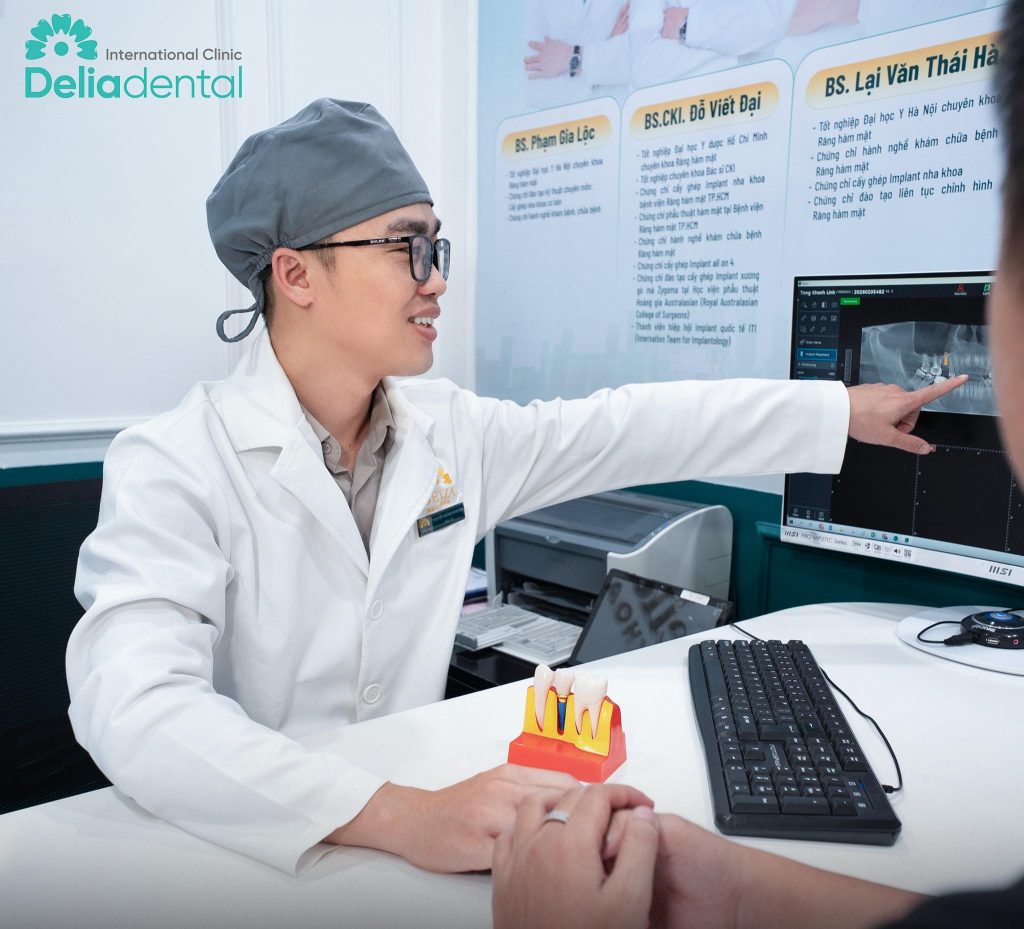
Delia Dental Clinic begins implant cases with a CBCT scan taken in the clinic. A 2D X-ray sent in advance supports a preliminary plan, but it cannot measure bone volume or density, while CBCT shows bone, the nerve canal and the sinus floor in three dimensions. For example, a tooth lost many years ago often leaves less bone behind, and CBCT is what shows whether grafting is likely. Gum disease around existing teeth has to be treated before implants are placed.
CBCT supports planning but does not replace a clinical examination, and the timeline is confirmed only after one. Published warranty references range from 10 years to lifetime depending on the implant system, and the crown or prosthesis on top is covered separately, so ask for each term in writing. The dental implants page explains the systems in more detail.
What To Check Before Choosing A Dental Clinic In Hanoi
Marketing to foreign patients has grown alongside dental tourism, so check these four points before paying a deposit at any clinic.
Sterilization And Facility
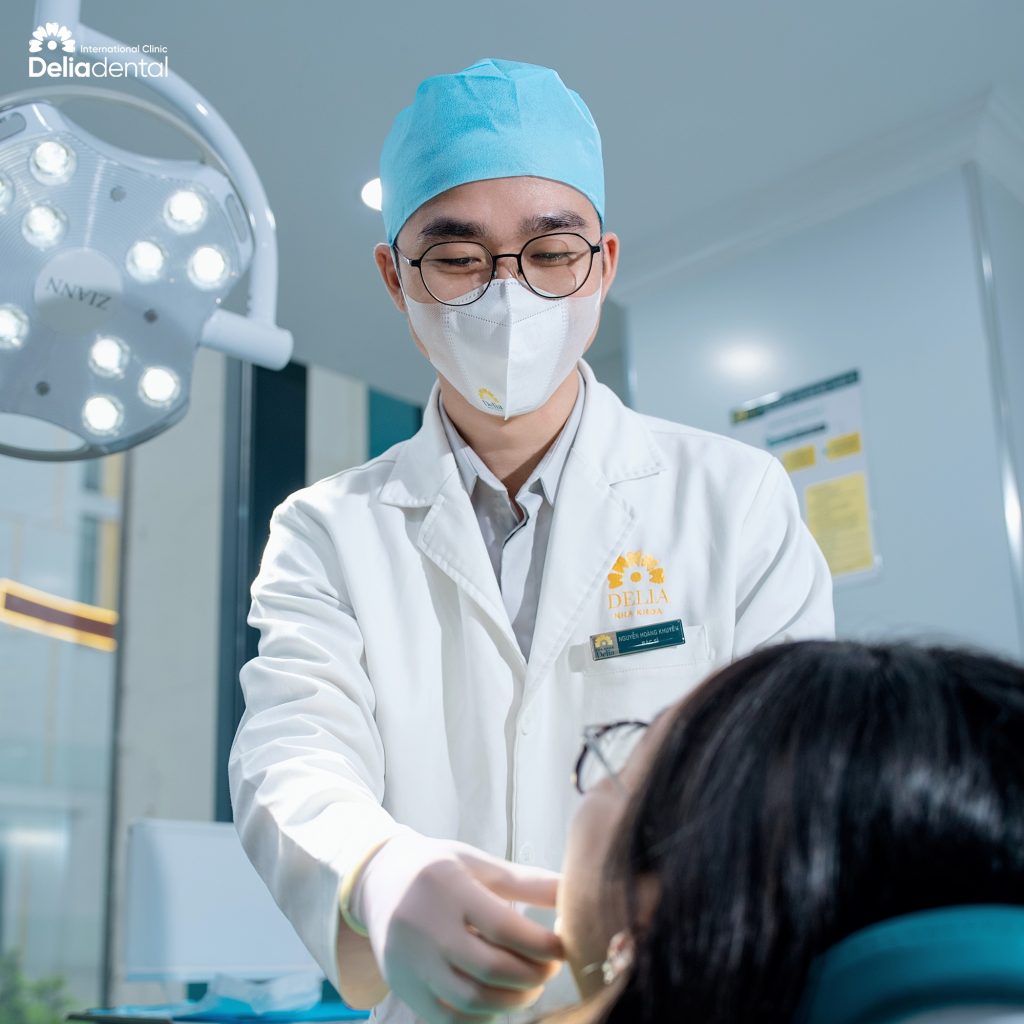
Ask how instruments are processed between patients, whether autoclaves meet the European EN 13060 Class B standard, and whether you can see the treatment areas. Delia Dental Clinic states that it uses single use gloves, suction tips and bibs for each patient, that its surgical and sterilization rooms can be observed from outside, and that rooms are cleaned between cases.
English Support And Access To The Dentist
Look for English support across consultation, treatment planning and aftercare, not only at reception. Ask who will explain the plan and whether you can speak with the treating dentist before booking. Delia Dental Clinic provides English speaking coordination from the first online consultation through aftercare.
Named Implant Systems And Verification
A clear answer names the brand, such as Straumann, HIOSSEN, ETK, SIC, Osstem or Dentium, rather than saying imported implants or international brand. Patients can ask to see the unopened implant box and check the brand code on the manufacturer’s website before agreeing to treatment, and warranty cards can carry a QR code for checking details online.
Verifiable Patient Outcomes
Before and after photos and written reviews are useful trust signals, but they show a result, not a promise. Rean, who had 16 veneers replaced at Delia Dental Clinic, is one published case, and more are collected on the client reviews page. Ask to see cases that match your own plan, such as the same restoration type and a similar number of teeth.
How To Plan A Dental Trip To Hanoi
Plan the trip around clinical stages, not around a fixed sightseeing itinerary, because the stages set the minimum time you need in Hanoi.
| Stage | What happens | Typical timing |
|---|---|---|
| Examination and planning | Clinical examination, CBCT where needed, treatment plan confirmed | First appointment |
| Preparation | Teeth prepared for crowns or veneers, temporary restorations fitted | Early in the trip |
| Laboratory work | Restorations are made, with rest days or a short trip if the dentist agrees | A few days, depending on the case |
| Fitting and bite check | Final restorations fitted, bite checked and adjusted | Later in the trip |
Crown and veneer cases commonly need five to ten days in total, while a full arch implant case commonly needs ten to fourteen days on the first trip. These are typical ranges, and the plan is confirmed after examination. Arrive at least one day before your first appointment so you are rested, and keep the last day or two free for adjustments.
Choose a hotel you can change or cancel, and confirm the distance to the clinic and transport options with the hotel or with Delia Dental Clinic’s coordination team. Book tours only after treatment dates are agreed.
How Delia Dental Clinic Reviews Your Hanoi Treatment Plan Before You Fly
Delia Dental Clinic starts with a remote review, before any flight is booked. You can send X-rays, CBCT files if you have them, smile photos, an existing dental quote, a medical history with your medication list, and your preferred travel dates. The international patient team reviews them, suggests a preliminary treatment direction and estimates the likely cost and timeline for Hanoi.
That estimate is preliminary. The final plan and itemised quote are confirmed after an in person examination, when items such as bone grafting, sinus lift or root canal treatment can be identified.
The Hanoi branch is at 265 Ton Duc Thang Street, Van Mieu, Quoc Tu Giam Ward, Hanoi, and the clinic has completed more than 5,000 restorative and cosmetic cases across its Hanoi and Ho Chi Minh City branches.
Book a free online consultation today
Frequently Asked Questions
Should I Choose Hanoi Or Ho Chi Minh City For Treatment?
Both cities have a Delia Dental Clinic branch, so the choice mostly depends on where your flights land and where you want to spend the rest of the trip. A patient who wants to see northern Vietnam may prefer Hanoi, while one who plans beaches or the south may prefer Ho Chi Minh City. Ask each branch for a written quote and appointment availability for your dates before deciding. Pricing and schedules can differ between branches and over time, so confirm them rather than assuming they match. The clinical plan itself is confirmed after examination in either city.
How Soon After Treatment Can I Travel Around Hanoi?
It depends on the procedure. After a crown or veneer preparation appointment, many patients feel comfortable moving around, but sensitivity and temporary restorations can limit what you want to do. After implant surgery, swelling and discomfort vary between patients, and strenuous activity or long transfers may not suit the first days. Follow the dentist’s instructions for your case and ask specifically whether a trip such as Ha Long Bay is sensible before booking it. If you feel unwell, rest first and adjust the plan, because the appointment schedule matters more than the sightseeing.
What If My Treatment Needs More Time Than My Hotel Booking?
Extensions are common enough that flexibility is worth planning for. Infection, gum disease, a bite that needs adjustment or additional grafting can all lengthen a case. Book a hotel you can extend or cancel, and avoid booking a flight home straight after the final appointment, because that leaves no room for an extra visit. Ask the clinic for the earliest and latest realistic finish dates before you commit to non refundable travel. Patients who leave a buffer of a day or two rarely need to change flights at short notice.
Do I Need A Visa To Have Dental Treatment In Vietnam?
Most international patients need a visa or an e-visa, but the requirement depends on nationality and travel status. Check the official Vietnam e-visa portal close to your travel date, since fees, rules and approved border gates can change. Dental treatment does not automatically entitle you to extend your stay. Delia Dental Clinic can clarify treatment dates and provide available records, but it does not guarantee, sponsor or process visa applications. Make sure your authorised stay covers the full treatment schedule plus a buffer, and do not plan on overstaying.
How Do I Compare My Home Quote With A Hanoi Quote?
Start by itemising both quotes for the same teeth, materials and inclusions. Check whether extractions, bone grafting, temporary teeth, medication and follow up are listed or left out, because a low headline figure may simply omit items that appear later. Then add the trip costs, including flights, hotel nights and time off work, and double the flights and hotel for a two trip implant case. Send your existing quote to the team, who can suggest a preliminary direction and estimate for Hanoi. If a difference between the two quotes cannot be explained line by line, resolve that before paying any deposit.
Adding Time Around Your Hanoi Appointments
These articles cover the trip questions Hanoi patients raise most: whether Ninh Binh fits, how bone grafting can extend a stay, and how many extra visa days to add.
- Can You Add Ninh Binh to a Hanoi Dental Trip?
- Dental Bone Grafting in Vietnam: Planning Your Return Flight
- Vietnam Visa Buffer for Two-Trip Dental Implants: How Many Extra Days Should You Add?
- Hanoi Old Quarter Guide: Dental Gap Day Guide
Final Thoughts
Hanoi works best for dental treatment when the clinical plan drives the schedule and the sightseeing fits around it. A clear answer on cost, timeline and warranty before you fly matters more than any gap between appointments, because those three things decide whether the trip goes smoothly.
Start with the parts you can control: send your records, ask for an itemised written plan that names the materials, and decide in advance how many days you can spare and whether you can return for a second trip. Treat any remote estimate as a starting point that an examination in Hanoi will confirm or adjust.
Send your X-rays, dental photos or existing quote via WhatsApp or Messenger before you book flights to Hanoi.


