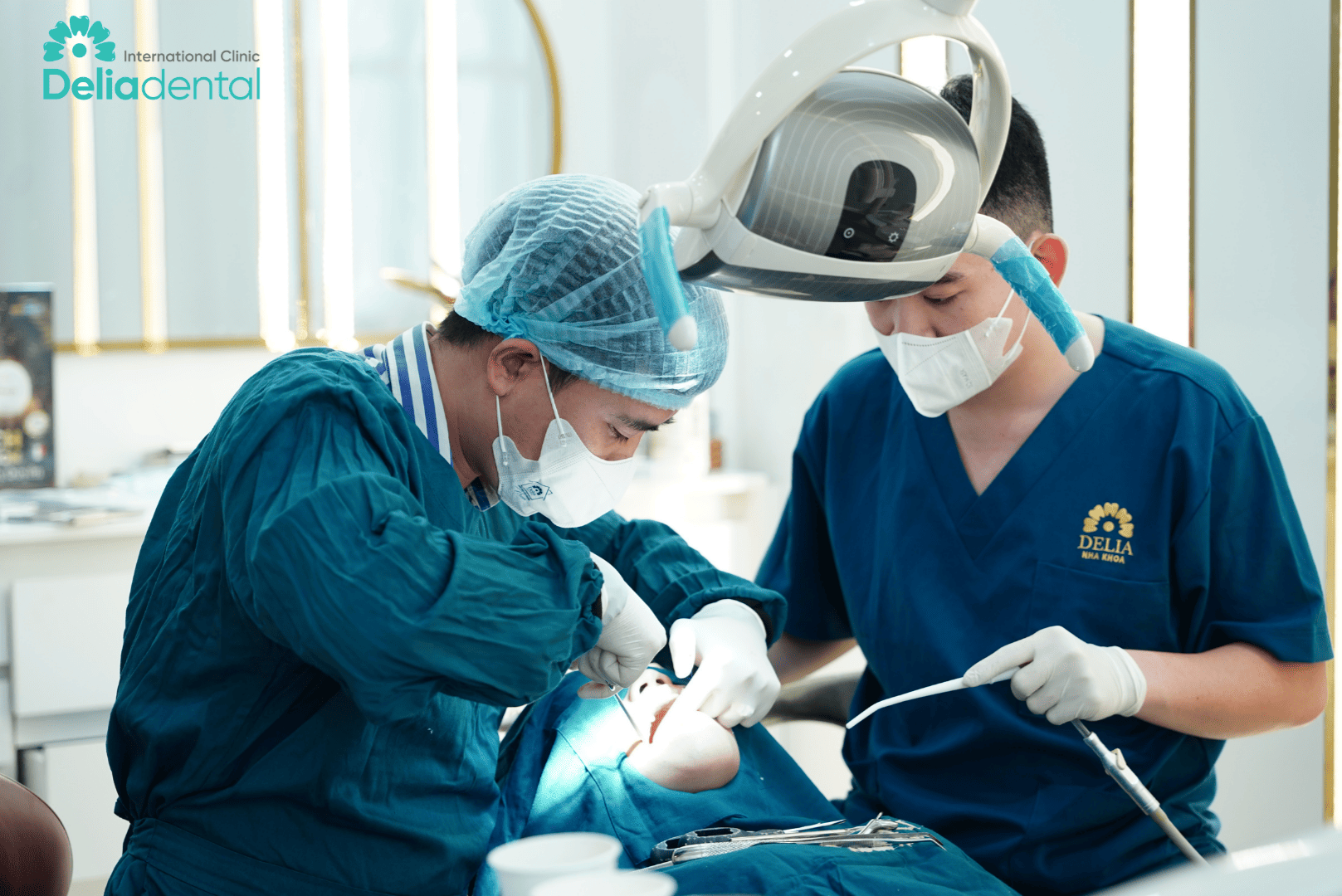
Dental care in Vietnam can be safe, high quality and well supported for international patients, but that depends on the clinic, not the country. Prices are a fraction of what patients pay in Australia or the USA, and it is reasonable to ask what sits behind a gap that large.
This guide sets out what standards reputable clinics commonly work to, what published figures and patient feedback can and cannot prove, and five checks to run before you book.
Quick Answer
Is dental care in Vietnam safe? It can be, at private clinics that document their materials, sterilization process and treatment plan in writing. Safety varies between clinics in any country, so the useful test is verification: read foreign patient reviews, ask for the implant brand and origin, speak with the treating dentist, get an itemized quote and question the sterilization protocol. Suitability for any treatment still depends on a clinical examination.
What makes dental care in Vietnam safe and reliable
The safety of dental care in Vietnam comes from infection control, traceable materials, proper diagnostics and a qualified dentist, and standards differ between clinics.
Vietnam Dental Care Standards and Materials
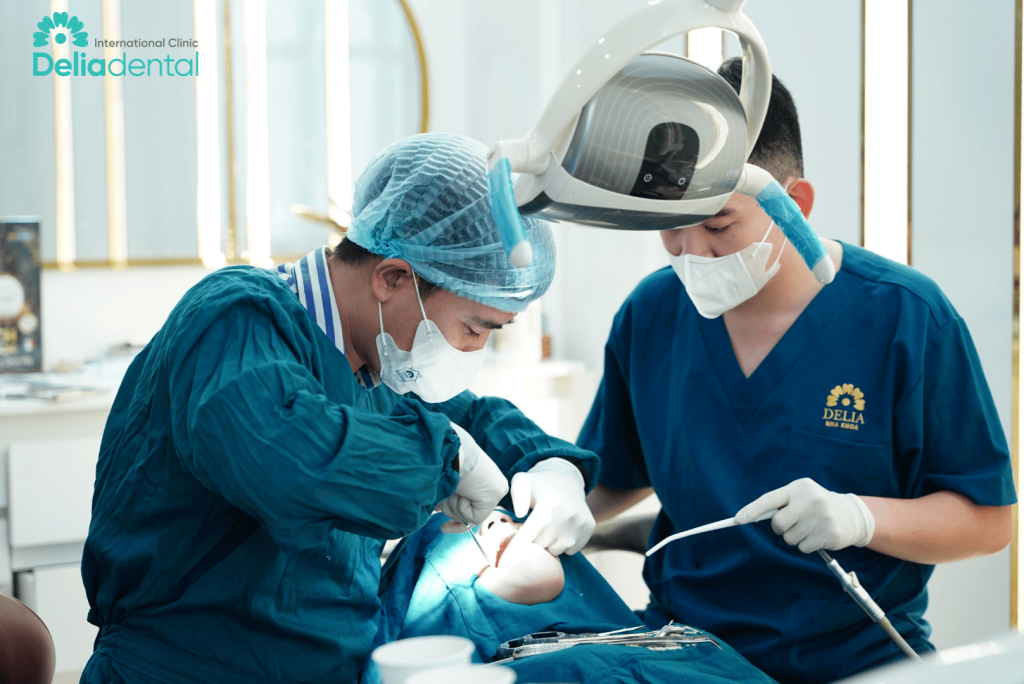
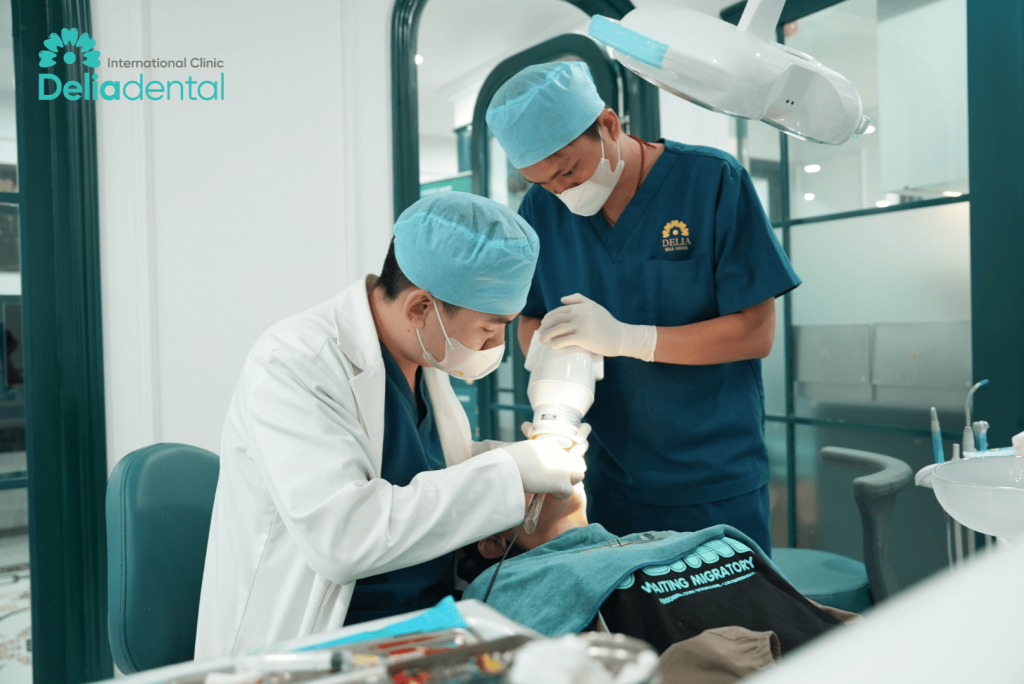
Reputable private clinics in Ho Chi Minh City and Hanoi commonly follow infection control practice in line with international guidance for dental settings, such as guidelines published by the CDC and WHO. In practice that means autoclave sterilization of instruments, single use needles and disposables, a dedicated sterilization area and surface disinfection between patients.
Established international clinics commonly buy implants and ceramics from global manufacturers, such as Straumann of Switzerland for implant systems, alongside zirconia and lithium disilicate ceramics for crowns. Products from established makers typically carry CE marking in Europe or FDA clearance in the USA, and a clinic should be able to show the documentation for the exact product it plans to use.
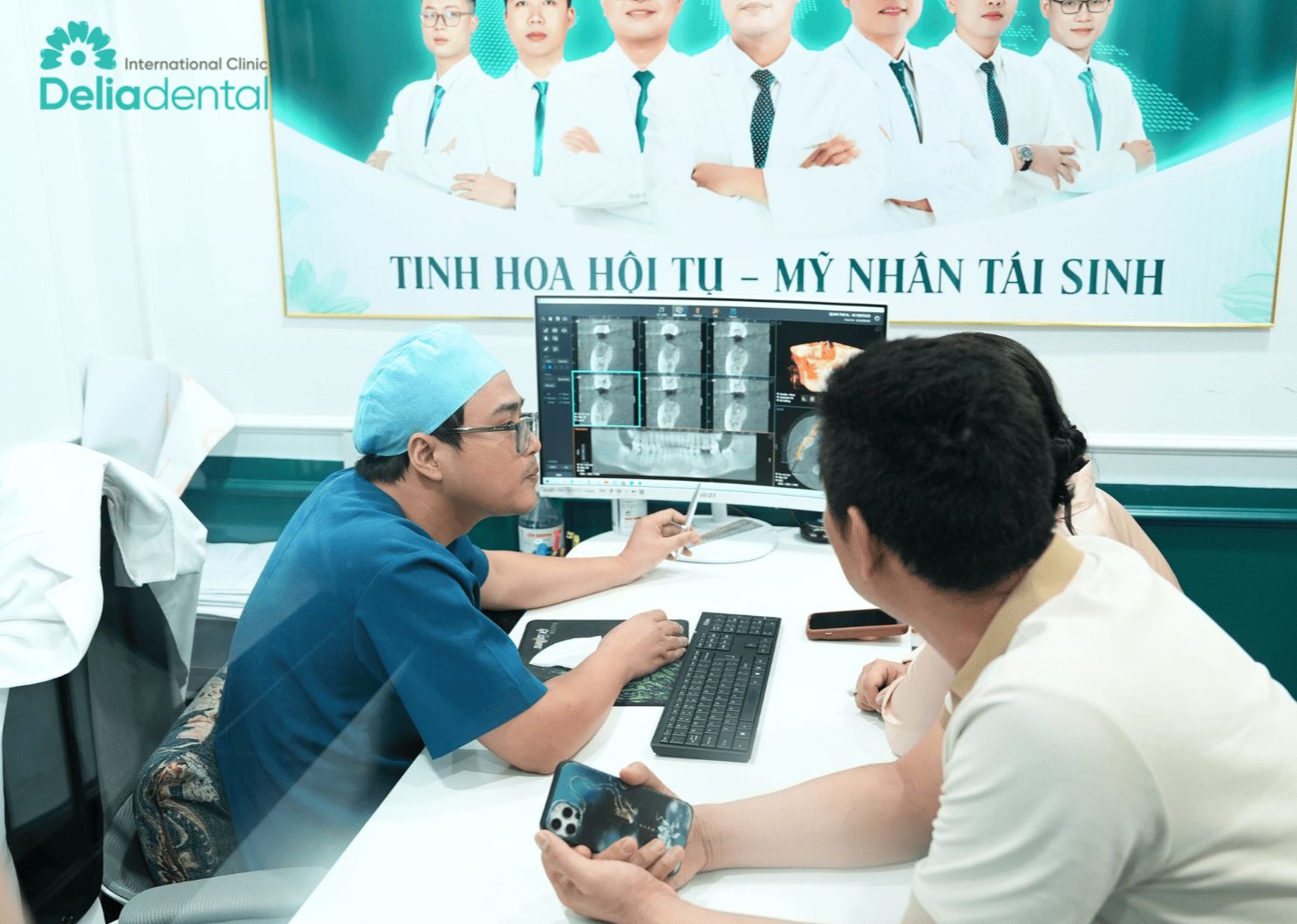
Diagnostic equipment at well equipped clinics commonly includes 3D CBCT imaging, intraoral scanners and CAD/CAM systems.
Dentist Training and Credentials
Dentists in Vietnam commonly complete a six year dental degree at universities such as Hanoi Medical University or the University of Medicine and Pharmacy in Ho Chi Minh City, and some go on to postgraduate or implant specific training abroad. Because that extra training varies from dentist to dentist, the reliable approach is to ask for the treating dentist’s qualifications, certifications and years of implant or cosmetic experience rather than assume them.
A patient booking an All-on-4 case, for example, can ask who will perform the surgery and how many similar cases that dentist has handled. Delia Dental Clinic lists its dentists on its medical staff page.
What Published Figures and Patient Feedback Can and Cannot Show
Published figures show that dental care in Vietnam has an established international market, but they do not measure the safety of any single clinic. The Ho Chi Minh City Department of Tourism was reported in 2019 as saying that around 100,000 foreign patients visit Vietnam each year for dental services, spending about 3.5 trillion VND. Industry press has described similar tourism estimates as generous and not clearly backed by evidence, and the figure has not been updated in the sources checked, so it works as background rather than proof of quality.
Reviews carry more weight, but only when they can be checked. A detailed review that names the treatment, the number of trips and what happened afterward tells you more than a rating alone.
How to verify a dental clinic in Vietnam before booking
Five checks separate clinics that can document their work from those that cannot, and they are the core of dental tourism safety in Vietnam. Each one can be done before you book a flight.
1. Read reviews from foreign patients specifically
General ratings are a good starting point, but feedback from international patients speaks to the factors that matter on a trip abroad: travel timelines, English communication and follow up after returning home. Look for detailed English testimonials that describe the whole patient journey rather than short praise. A clinic with several years of international reviews is generally more reassuring than one with a sudden cluster of brief comments.
2. Ask about the implant brand and material origin
A reputable clinic should name the implant system it plans to use, its country of manufacture and its CE or FDA status, and should put that in writing. Vague answers about materials are a warning sign, since a dentist at home may need the brand to source matching parts. Some clinics let patients see the sealed implant box and check the brand code on the manufacturer’s website before treatment, which is a practical way to verify the product.
3. Ensure Dentist-Level Communication
Many clinics use English speaking coordinators, which helps with logistics but does not replace a conversation about the clinical plan. Ask before booking who will explain the diagnosis and options in English, and whether you can put questions to the dentist doing the work. A patient weighing extraction against saving a tooth, for example, needs to hear the dentist’s reasoning directly, since detail can be lost when a coordinator relays it.
4. Request an itemized quote in writing before booking
Many clinics use English speaking coordinators, which helps with logistics but does not replace a conversation about the clinical plan. Ask before booking who will explain the diagnosis and options in English, and whether you can put questions to the dentist doing the work. A patient weighing extraction against saving a tooth, for example, needs to hear the dentist’s reasoning directly, since detail can be lost when a coordinator relays it.
5. Ask about the sterilization protocol directly
Many clinics use English speaking coordinators, which helps with logistics but does not replace a conversation about the clinical plan. Ask before booking who will explain the diagnosis and options in English, and whether you can put questions to the dentist doing the work. A patient weighing extraction against saving a tooth, for example, needs to hear the dentist’s reasoning directly, since detail can be lost when a coordinator relays it.
How Delia Dental Clinic Handles the Five Checks
Delia Dental Clinic provides dental care in Vietnam at two branches: 91 Vo Van Tan Street in Ho Chi Minh City and 265 Ton Duc Thang Street in Hanoi. On the first two checks, the clinic publishes patient cases on its real review page and offers a choice of implant systems, including Straumann from Switzerland, with brand and warranty terms listed per system. Patients can ask to see the unopened implant box and verify the brand code on the manufacturer’s website, and Delia describes warranty cards that include a QR code for the same kind of self checking. Warranty terms differ by component, so ask which parts of the treatment each warranty covers and request the warranty documentation in writing.
On communication and pricing, Delia Dental Clinic describes English communication at the clinical level, not only at the front desk, and provides itemized pricing before treatment begins. On sterilization, Delia states that its surgical room and sterilization room can be observed from outside, that instruments, gloves, suction tips and bibs are single use for each patient, and that rooms are cleaned between cases.
For implant cases, the plan starts with an in clinic CBCT scan, since a 2D panoramic X-ray sent in advance supports only a preliminary direction. Patients abroad can share X-rays or photos beforehand to get that initial direction, with the final plan and cost confirmed after examination at Delia Dental Clinic.
Frequently Asked Questions
Is It Safe to Fly Home Soon After Dental Surgery in Vietnam?
Flying home after dental surgery is often possible, but the timing should come from the treating dentist rather than from a fixed rule. The answer depends on the procedure, how much swelling or bleeding is expected and whether the case involved bone grafting or a sinus lift. Ask before booking flights how many days the dentist wants you to stay after surgery and what a review before departure includes. Many implant cases follow a two trip model, with assessment, surgery and temporary teeth on the first trip and the final teeth after healing on the second. Healing between the two trips commonly takes several months, which is normal for implant cases.
What Happens if a Problem Appears After I Return Home?
Problems after dental care in Vietnam are best handled by combining local care with the treating clinic’s records and advice. Before leaving Vietnam, ask for X-rays, itemized invoices, implant brand details, warranty documents and treatment notes, since these let a local dentist see exactly what was done. Some home dentists agree to provide checkups or monitoring, but they may not take responsibility for work completed by another clinic, so it helps to ask your own dentist early. A clinic can review photos or X-rays remotely to suggest a next step, though a remote review cannot confirm a diagnosis. Facial swelling, fever, pus, severe pain or a loose crown or tooth call for prompt local dental or medical assessment rather than waiting for a reply from abroad.
Does a Low Price Mean the Treatment Is Lower Quality?
A low price does not prove lower quality, and a high price does not prove higher quality. Private dental care in Vietnam commonly runs on lower rent, staffing and overhead costs than in Australia, the UK or the USA, and that accounts for part of the gap. The warning sign is a quote that is low but vague, for example one that does not name the implant system or leaves out the final crown. Treat any figure covering only an implant post and abutment as a partial cost rather than a full treatment price. A clinic that can explain why its price is what it is deserves more confidence than one that only advertises the number.
Are Dental Clinics in Vietnam Regulated?
Private dental clinics in Vietnam are licensed and regulated by the Ministry of Health, but standards still vary between clinics. Clinics are generally expected to hold an operating license, and dentists a practising certificate, so it is fair to ask to see both. A clinic that hesitates to share this information tells you something, even if the license is valid. Licensing sets a minimum, and it does not cover the things international patients care about most, such as how well a clinic communicates, whether it documents materials or how it handles follow up after you leave. This is why licensing works best alongside the five checks rather than as a replacement for them.
How Much Can a Clinic Assess Before I Travel?
A clinic can give a useful preliminary direction from X-rays, photos and your medical history, but it cannot confirm a final diagnosis or final price remotely. For implants, a 2D panoramic X-ray sent in advance supports only a preliminary plan, because it cannot measure bone density or volume the way an in person CBCT scan can. Long term tooth loss, for example, may mean bone grafting is needed, and the extent is judged case by case after 3D imaging. Gum disease also needs treatment before implant placement. Photos help a dentist see visible problems, but they cannot show how your bite functions or whether a tooth is infected beneath the gum.
Planning the Practical Side After Your Safety Checks
Once a clinic passes these checks, the next questions are usually what the treatment will cost, what real patients report and how the trip fits together.
- Why International Patients Choose Delia Dental Clinic Vietnam
- Affordable Dental Treatment in Vietnam: Why It Can Be a Smart Choice
- Dental Tourism in Vietnam: Travel, Treatment & Recovery in One Journey
Final Thoughts
Dental care in Vietnam is neither automatically safe nor automatically risky. The result depends on the clinic you choose and how much of its claims you can verify before you travel.
Send your recent X-rays, dental photos or existing treatment quote via WhatsApp or Messenger, and put the five verification questions from this guide to any clinic before you book flights.


