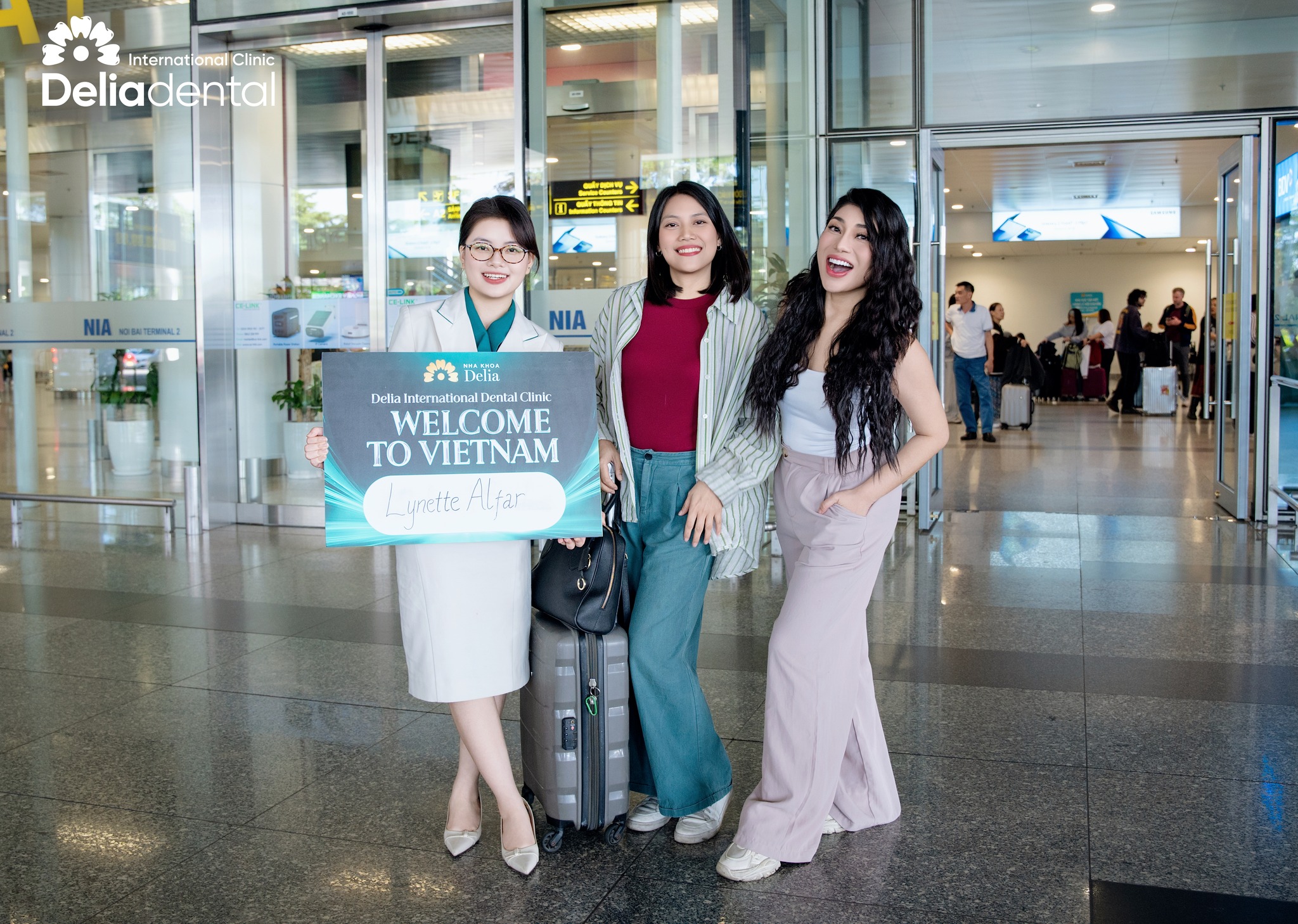
Dental Tourism in Vietnam and across Southeast Asia has grown steadily over the past decade, and Vietnam has emerged as one of the region’s most active destinations. Vietnam now receives over 79,000 international dental tourists annually, with demand from Australian patients growing significantly year on year.
The draw is straightforward: treatments that cost thousands of dollars in Australia, the US, or the UK are available at a fraction of the price, using the same globally sourced materials, at clinics equipped with modern digital systems. But not every treatment makes equal sense for a dental trip, and not every clinic is set up to handle international patients properly.
This guide covers why Vietnam has become a dental tourism destination, which treatments are worth traveling for, how to plan the trip practically, and what to look for in a clinic.
Why Vietnam stands out as a dental tourism destination
How Vietnam compares to Thailand and the Philippines on cost
Thailand has historically been the default dental tourism destination for patients from Australia and the UK. Vietnam is consistently 20 to 30 percent cheaper than Thailand across nearly every dental procedure. For a patient restoring multiple teeth or undergoing full arch implant treatment, that difference is meaningful.
Vietnam offers 30 to 50 percent lower prices than the Philippines across common dental procedures, while providing access to premium implant systems including Straumann and OSSTEM with manufacturer-issued warranties. The Philippines holds an English-language advantage, but Vietnam’s leading dental tourism clinics now provide full English-language service for international patients, which has narrowed that gap considerably.
The structural reason Vietnam prices are lower comes down to operating costs. Labor costs for dental professionals and support staff in Vietnam are generally lower than in Thailand, and Vietnam’s underlying economic structure allows clinics to offer competitive pricing while maintaining quality.
Treatment quality and materials
The materials used at reputable Vietnamese clinics are the same globally traded brands available in Australia or the UK. Straumann implants, Emax from Ivoclar Vivadent, and Lava Plus Zirconia from 3M cost a clinic in Ho Chi Minh City roughly the same as a clinic in Sydney. The saving comes from labor and overheads, not materials.
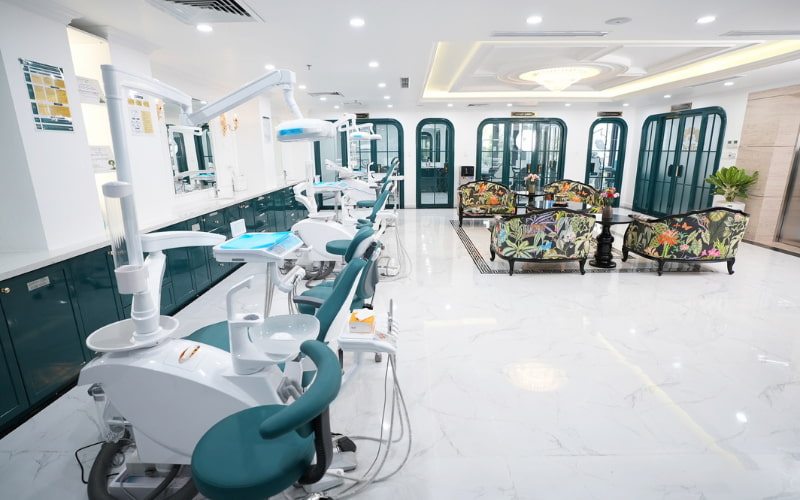
On equipment, well-equipped clinics in Vietnam use CAD/CAM digital fabrication, intraoral scanning, and cone beam CT imaging. The technology gap that existed a decade ago has largely closed at the upper end of the market.
Why international patient numbers have grown
International demand has grown because Vietnam now answers more than one patient’s needs at the same time. It offers lower cost, increasingly visible treatment quality, and a travel experience that can be organized around a short stay rather than an open-ended medical journey.
There is also a stronger word-of-mouth effect than before. As more patients document smile makeovers, implant cases, and full-mouth rehabilitation journeys in Vietnam, the destination starts to feel less experimental and more proven, which is an important shift in dental tourism decision-making.
Which treatments make the trip worthwhile
Not every dental procedure justifies international travel. The trip becomes worthwhile when the treatment has a high price gap at home, produces meaningful functional or cosmetic change, and can be planned cleanly around either one short trip or a staged treatment sequence.
Crowns and veneers: high saving, short trip
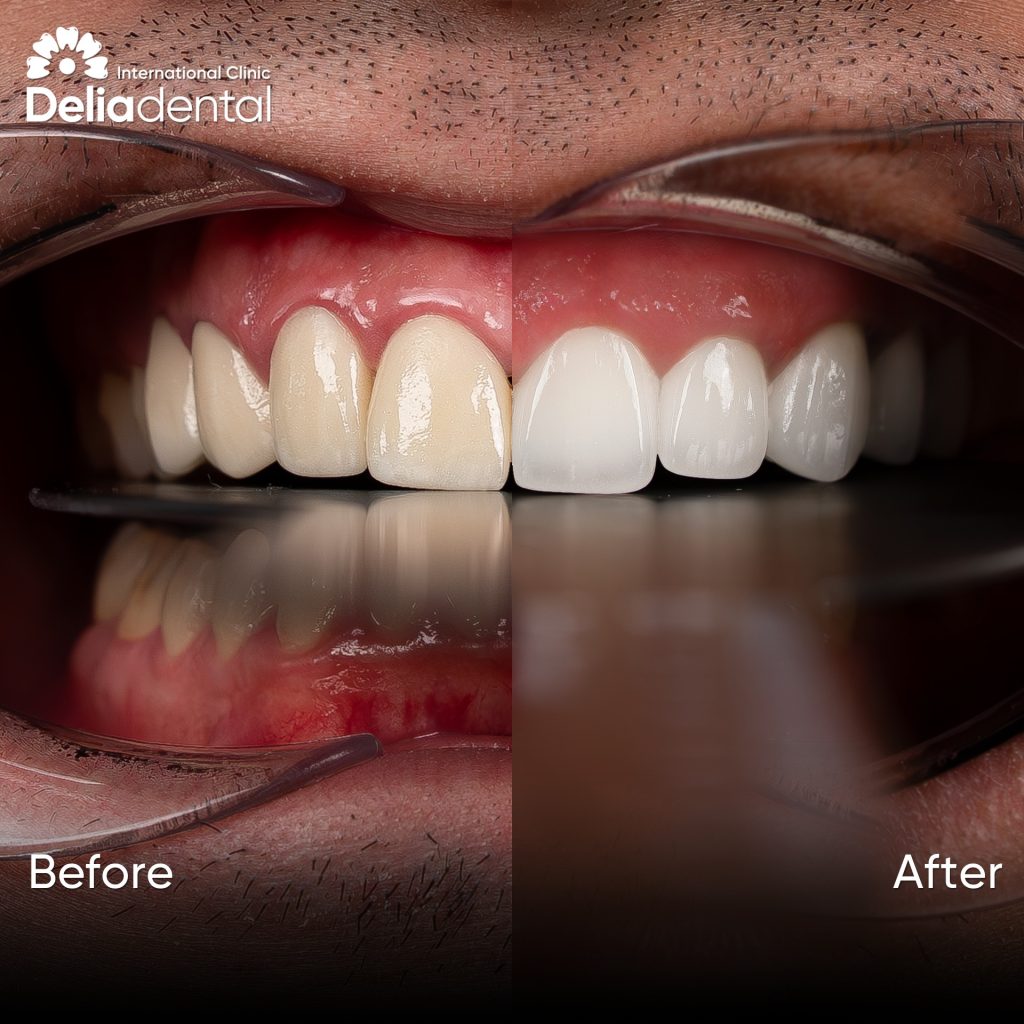
Porcelain crowns and veneers offer the strongest case for dental tourism in Vietnam. The per-tooth saving is significant, the treatment can be completed in approximately 72 hours across three appointments, and the materials available are the same premium options offered at home.
For a patient restoring 16 teeth with Lava Plus Zirconia crowns, the saving compared to Australian pricing exceeds $20,000. That covers flights, accommodation, and the trip itself several times over.
Implants and full arch: significant saving, two trips
Single implants and full arch cases are viable for dental tourism with one important caveat: osseointegration requires three to six months between implant placement and final restoration. Most patients structure this across two trips, using the first for assessment, surgery, and temporary restoration, and the second for the permanent arch.
The savings still justifies the additional trip for most patients. All-on-4 using Straumann SLActive at a reputable clinic in Vietnam starts from around $9,200 for the implants, compared to $19,000 to $35,000 per arch in Australia.
Full mouth rehabilitation: best case for traveling
For patients needing extensive work combining implants, crowns, and bone grafting, the savings over staying local is the largest and the case for traveling is the strongest. Cases of this complexity are routine at high-volume clinics in Vietnam. The treatment plan typically spans multiple phases and may require two to three visits, but the total cost difference versus Australian or UK pricing is substantial enough to make the logistics worthwhile.
How to plan a dental trip to Vietnam
How long do you need for each treatment type
For crowns and veneers, four to five days is sufficient for a complete case. This covers the initial consultation and digital smile design, tooth preparation and temporary fitting, and the final crown or veneer placement and post-treatment check.
For single implants, the surgical visit is typically two to three days. The return visit for the permanent crown is a further two days, scheduled three to six months later.
For full arch or full mouth rehabilitation, the first trip covers assessment, preparatory procedures, implant surgery, and temporary restoration, and typically runs five to seven days. The second trip for final restoration is two to three days.
What to prepare and confirm before you arrive
Patients should confirm more than price before booking. A proper dental tourism plan should include a remote review of photos or scans if available, a provisional treatment sequence, estimated stay length, expected recovery needs, material names, and clarity on which steps happen during the first visit and which may need a second trip.
This is also the stage to ask about airport transfers, hotel coordination, and whether the clinic helps with any travel paperwork or general visitor guidance. Not every clinic handles those logistics the same way, and the difference matters when you are building treatment into an overseas itinerary
Ho Chi Minh City or Hanoi: which makes more sense
Both cities have reputable clinics and direct international flights. The difference comes down to travel convenience and trip style.
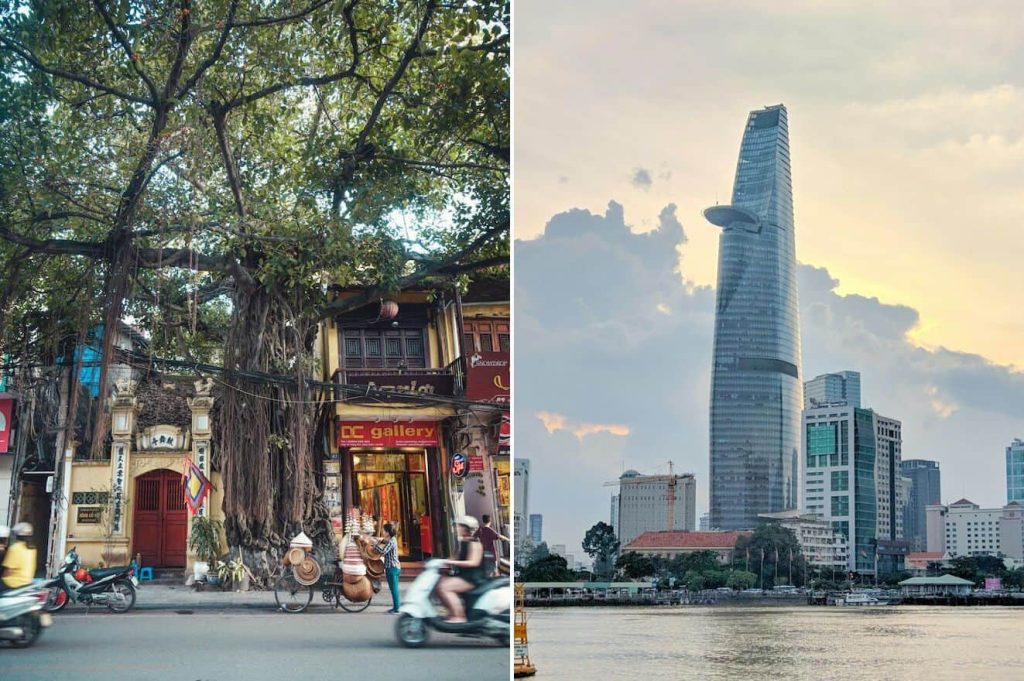
Ho Chi Minh City is the larger dental tourism hub with more clinics, more established infrastructure for international patients, and more direct flight connections from Australia, Singapore, and the Philippines. The city itself is fast-paced, food-focused, and easy to navigate. For patients flying in specifically for treatment with a tight schedule, Ho Chi Minh City minimizes transit time and gives the most options for same-day hotel, food, and logistics within walking or short ride distance from the clinic.
Hanoi suits a different kind of trip. The city is quieter, more historically dense, and better positioned as a base for patients combining treatment with travel through northern Vietnam, including Ha Long Bay, Sapa, or Ninh Binh. Delia’s Hanoi branch handles international cases with the same English-speaking team and logistics support as Ho Chi Minh City, so the clinical experience is consistent across locations.
Travel time between the two cities is two hours by air or around thirteen hours by train. Patients who want to split their trip, starting treatment in one city and recovering while traveling before a follow-up appointment, can do so without difficulty given how well-connected the two cities are.
For most patients flying in from Australia or the UK with a fixed treatment schedule, Ho Chi Minh City is the more practical base. For patients building a longer Vietnam trip around their treatment, Hanoi is worth considering.
What a well-run dental tourism clinic actually provides
Remote consultation and treatment planning before arrival
A clinic that handles international patients properly will assess your case before you board a plane. That means reviewing X-rays and photos, confirming which treatment is appropriate, providing a written cost estimate, and flagging whether any additional procedures such as bone grafting are likely. Arriving without this assessment means the treatment plan may change once you are in the chair, which creates problems for a patient with a fixed return flight.
Logistics support during the trip
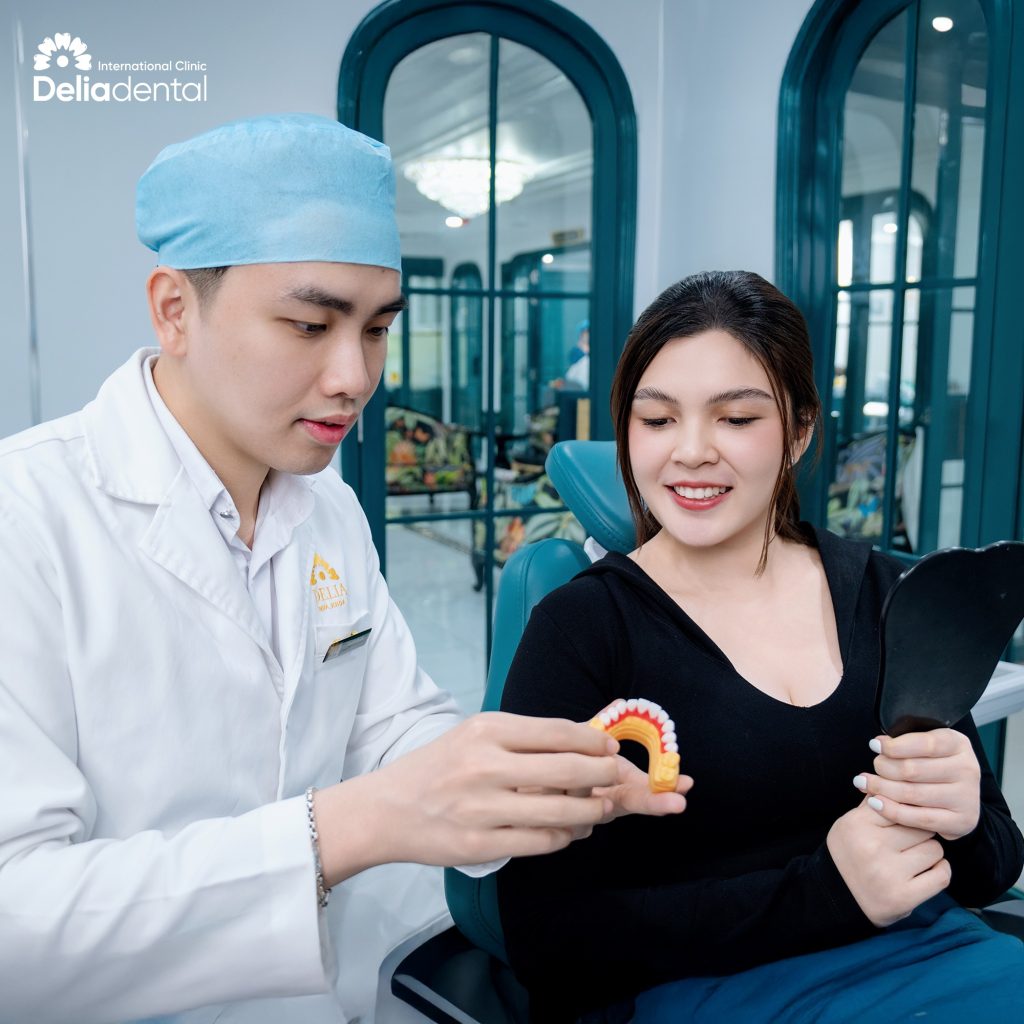
Good treatment is only part of a good dental tourism experience. International patients often need airport pickup, hotel coordination, appointment scheduling, and one point of contact who can keep the journey organized from arrival through departure.
These services may sound secondary, but they have a real effect on patient confidence. When the logistics are well handled, the patient can focus on treatment and recovery rather than trying to coordinate medical appointments and travel details separately.
Follow-up care after you return home
Post-treatment questions arise after patients are home. A clinic that provides a point of contact for remote follow-up, in English, after the patient returns is a meaningful sign of how the clinic views its responsibility after treatment ends.
Why patients choose Delia for dental tourism in Vietnam
Delia International Clinic operates three clinics in Vietnam across Ho Chi Minh City, Hanoi, and Thanh Hoa, all structured specifically for international patients.
The 72-hour treatment model for crowns and veneers is built around the constraints of an international trip. Day one covers consultation, digital smile design, shade selection, and tooth preparation with temporary placement. Day two covers final crown or veneer fitting with shape, bite, and color adjustment. Day three is the final check, bite verification, polishing, and handover of warranty documentation. Patients leave with a completed smile before their flight home.
Real cases reflect what this looks like in practice. Tri Orka, a patient from Australia who had already completed Invisalign treatment, came to Delia for 20 Emax veneers to address tooth color and shape. Gregory, a 72-year-old patient also from Australia, underwent full mouth rehabilitation including 8 implants, sinus lift, and bone grafting across two treatment phases. Both cases were managed end to end in English, with hotel coordination and airport support included.
The full Straumann range, including SLActive with lifetime warranty, is available alongside a complete crown and veneer material lineup from Ceramill at $190 per tooth to Orodent Innovation at $1,150, all with written warranty documentation.
To start with a free online consultation, book an appointment here.
FAQ
How long should I stay in Vietnam for dental treatment? For crowns and veneers, four to five days is sufficient. Implant cases require two separate trips of two to three days each, spaced three to six months apart. Full mouth rehabilitation typically needs five to seven days for the first phase.
Is dental treatment in Vietnam safe? At clinics using internationally sourced materials, modern digital equipment, and established sterilization protocols, the clinical standard is comparable to reputable practices in Australia or the UK. The key is choosing a clinic that is transparent about the materials and systems it uses, and that provides written warranty documentation.
Can I combine dental treatment with tourism in Vietnam? Yes, and most international patients do. The 72-hour treatment model for crowns and veneers leaves time before and after treatment for travel. Ho Chi Minh City has significant food and cultural attractions, and Vietnam’s broader travel network makes it easy to extend the trip north or to the coast after treatment is complete.
Watch the video below to see how Delia handles a real dental tourism case from the first consultation to final result.


