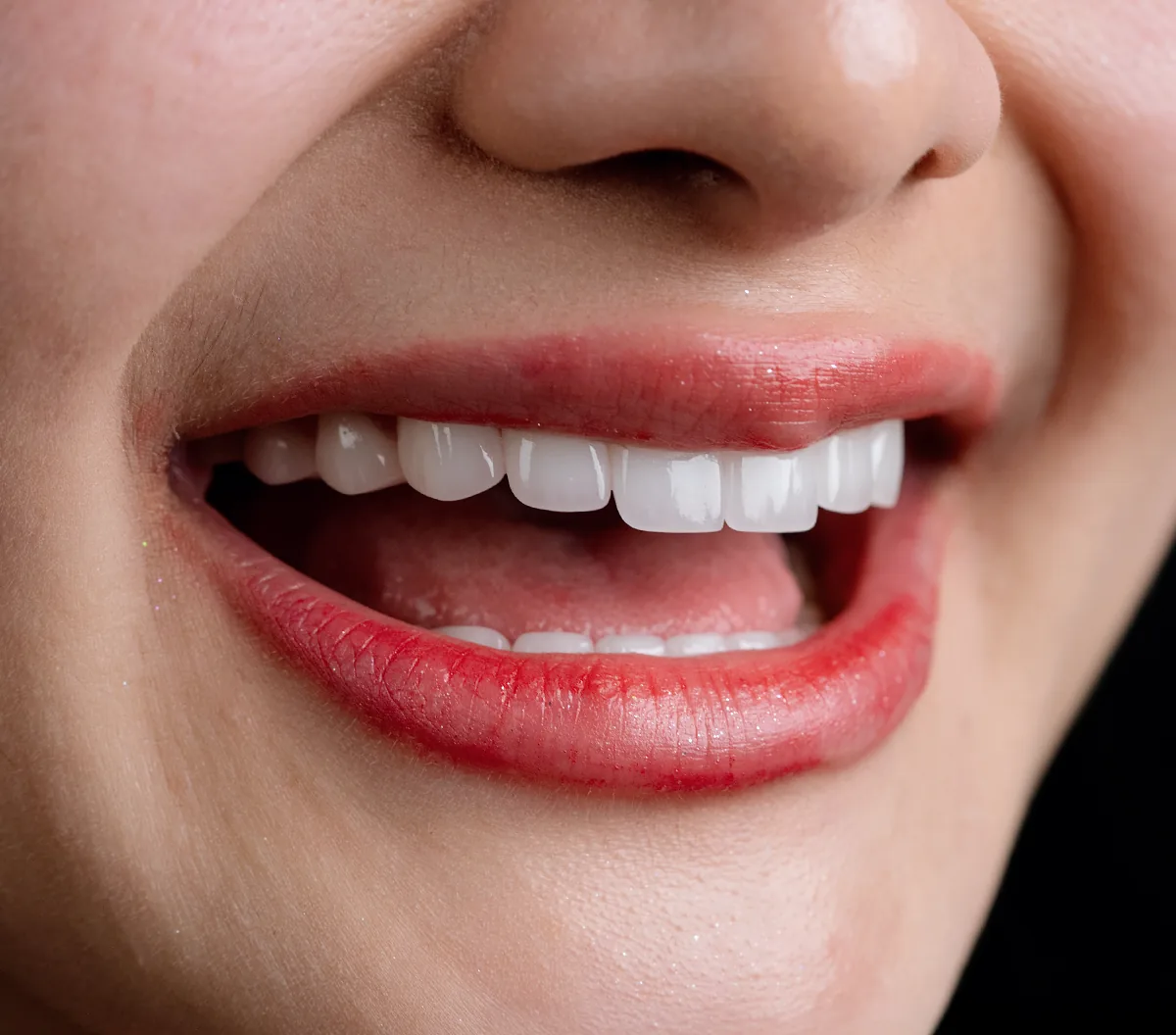
Veneers are one of the few dental treatments where you can see the planned result before any tooth is touched, because the shape, the shade and the number of teeth are agreed on first.
Dental veneers are thin shells of porcelain or composite bonded to the front of the teeth to change their color, shape, size or small alignment problems. They are a cosmetic treatment, which means they work best on teeth that are structurally sound and unhappy only in appearance.
That boundary matters more than most guides admit. A tooth with heavy decay, a cracked structure or a bite that puts constant force on the front teeth may need a crown or other treatment first, and veneers placed on the wrong tooth tend to cause problems later.
This guide explains what veneers can and cannot change, who usually suits them, how the process runs from consultation to final bonding, what they cost per tooth, and what international patients should settle before booking a flight.
Quick Answer
Dental veneers are thin porcelain or composite shells bonded to the front of teeth to improve color, shape, chips and small gaps. They usually suit healthy teeth with enough enamel and a stable bite. Teeth with heavy damage, active gum disease or severe crowding often need another plan, which is confirmed after an examination.
What Dental Veneers Are and What They Can Change
A veneer covers the visible surface of a tooth. The dentist removes a thin layer of enamel, often around half a millimeter or less depending on the design and the tooth, then bonds a custom made shell in its place. Some cases need very little preparation and others need more, so the figure is never the same for every tooth.
Veneers are made from two main groups of material. Porcelain and glass ceramic veneers, such as E.max Press and LiSi, are fabricated in a laboratory and are valued for how they handle light and resist staining. Composite veneers are built directly on the tooth from resin, which is faster and usually cheaper but tends to stain and wear sooner. Delia Dental Clinic’s veneer price list covers the two ceramic options.
Veneers can improve several things at once:
- Stained or discolored teeth that do not respond to whitening
- Chipped or worn edges
- Small gaps between front teeth
- Teeth that are short, narrow or uneven in shape
- Mild irregularity in how the front teeth line up
What they cannot do is repair a failing tooth or fix a bad bite. A veneer changes the surface of a tooth, not the structure underneath it.

Who Veneers Suit and Who Should Look at Other Options
Cases Where Veneers Often Work Well
Veneers usually suit adults with healthy gums, enough enamel left for bonding, and a bite that does not overload the front teeth. They are most useful when the complaint is visual: color that will not lift, edges worn flat, or a smile that looks uneven. Treating six to ten visible upper teeth together is common, because the result is judged as one smile rather than tooth by tooth.
Cases That Need a Different Plan
Some situations point away from veneers, at least until something else is dealt with first:
- Teeth grinding or clenching. Strong grinding forces can chip or crack ceramic. Many patients can still have veneers, but a night guard is usually part of the plan, and the dentist may advise against them if the grinding is severe.
- Decay, large old fillings or a root canal tooth. A tooth that has lost a lot of structure often needs full coverage. Veneers vs crowns explains how that decision is made tooth by tooth.
- Gum disease. Gums need to be stable and healthy before bonding anything to the teeth.
- Significant crowding or a misaligned bite. Veneers can disguise small irregularities, but moving teeth into a healthy position is a different job, and braces or aligners may suit better.
None of these rule veneers out on their own. They are the reasons an examination and X-rays come before any design work.
How the Veneer Process Works Step by Step
The sequence is similar in most clinics, though the number of visits depends on how many teeth are treated.
- Consultation and records. The dentist checks the teeth, gums and bite, takes X-rays and photographs, and listens to what you want to change.
- Smile design and mock up. A digital design and a mock up let you see the proposed shape and length on your own teeth before anything is prepared. This is the best point to ask for changes.
- Preparation and scan. A thin layer of enamel is removed and the teeth are scanned or impressions are taken for the laboratory.
- Temporary veneers. Temporaries cover the prepared teeth while the final set is made.
- Try in and bonding. The final veneers are tried in so shade, shape and fit can be checked, and only then are they bonded permanently.
The try in step is the one international patients should not skip. Once the veneers are bonded the shape is fixed, so any concern about length, width or color has to be raised before that point. What can still change at a veneer try in is worth reading before that appointment.

Veneer Prices Per Tooth and How Long the Trip Takes
Veneer pricing at Delia Dental Clinic is per tooth and depends on the material. The current international price sheet runs from 18 November to 31 December 2026. Prices are in USD and exclude VAT, which is currently added at 8%.
| Veneer | Origin | List price per tooth | Offer price per tooth | 16 teeth at offer price | Warranty |
|---|---|---|---|---|---|
| E.max Press | USA | $380 | $270 | $4,320 | 10 years |
| LiSi | Japan | $550 | $310 | $4,960 | 10 years |
The offer price applies when you place a deposit of at least 10% and treat 8 or more teeth. Treating fewer than 8 teeth is charged at the list price, and no deposit is required. Each price covers the consultation, a scan or impression, a mock up, a temporary restoration and the try in. Root canal treatment, core buildup and gum treatment depend on the case and are quoted separately if needed. The veneer cost guide breaks down what changes a quote from one patient to the next.
Most veneer cases can be completed in a single trip. A typical stay is around 5 to 10 days depending on the number of teeth, the design and whether any bite adjustment is needed after the try in. A case with gum treatment, a root canal or bite problems will usually take longer. Because the offer has an end date, confirm the current price when you send your photos.
How Long Veneers Last and How to Protect Them
Porcelain veneers commonly last 10 to 15 years or longer with good care, but that is a general range, not a promise. Lifespan depends on the material, the bite, whether you grind your teeth, your gum health and how well the bonding holds. Composite veneers usually need repair or replacement sooner. Delia Dental Clinic lists a 10 year warranty on both ceramic veneer options, so ask for the written terms, including what is covered if a veneer chips or comes loose.
A few habits make the biggest difference:
- Wear a night guard if you grind or clench
- Avoid biting hard objects, ice or fingernails with the veneered teeth
- Keep up daily brushing and flossing, since the natural tooth edge under a veneer can still decay
- Book regular check ups so small chips or loose edges are caught early
Shade, Shape and Natural Look: What to Decide Before You Fly
The most common regret with veneers is a result that looks too uniform or too white for the face. Shade is the easiest thing to get wrong, because a very bright shade can look flat next to natural features and skin tone.
Ask to see the mock up in your own mouth and in different light, not only on a screen. Check how long the front teeth look when you smile and speak, how the edges follow your lower lip, and whether the shade is close to the whites of your eyes rather than far brighter. Veneers made with some translucency and slight variation in surface texture usually look more natural than a single flat color. If a clinic cannot show you a preview before preparing the teeth, treat that as a warning sign.
How Delia Dental Clinic Plans Veneers for International Patients
At Delia Dental Clinic, veneer planning starts before you book a flight. You can send clear smile photographs, close up photos of the teeth, any recent X-rays and an existing quote through WhatsApp or Messenger. The international patient team reviews them and suggests a preliminary direction, including whether the case looks suited to veneers, crowns or a mix of both, and a likely timeline for the Hanoi or Ho Chi Minh City clinic.
A photo review has limits. It cannot confirm the condition of the gums, the bite or hidden decay, so the final plan and quote are confirmed after an in person examination.
Once treatment starts, the design is built around a Digital Smile Design and a mock up, so you review the proposed result before the teeth are prepared. A try in follows before final bonding. When crowns and veneers are used in the same smile, shade, translucency, surface texture and fluorescence are planned together so the teeth look like one set. Which teeth receive which restoration is decided tooth by tooth, not as a package.
Frequently Asked Questions
Are Veneers Reversible?
In practice, no. Because enamel is removed during preparation, the teeth will usually need some form of covering long term, either replacement veneers or crowns. Some minimal preparation designs remove very little, but they still change the tooth. This is the main reason to review the mock up carefully and ask how much of each tooth will be reduced.
Can I Whiten My Teeth After Getting Veneers?
Whitening changes natural teeth but does not change the color of a ceramic veneer. If you want brighter teeth overall, whitening is normally done before the shade is chosen, so the veneers are matched to the final natural color. Doing it afterwards can leave veneers looking darker than the teeth beside them.
Can I Get a Veneer on Just One Tooth?
Yes, but matching one veneer to its neighbors is harder than designing a full set, because the shade and translucency have to blend with natural teeth that keep changing slightly over time. For a single discolored or chipped tooth, a dentist may suggest bonding or a crown instead, depending on how much structure is left. A photo review before travel helps decide which option fits.
What Happens if a Veneer Chips or Comes Loose After I Fly Home?
A small chip or a veneer that feels loose should be seen soon, because the tooth underneath can be exposed to decay and sensitivity. Keep the veneer if it has come off, avoid biting on that tooth and send photos to the clinic that treated you so the team can advise on next steps. Whether a repair is covered depends on the written warranty terms, and a local dentist can handle urgent care in the meantime.
Can I Eat Normally With Veneers?
Most patients eat normally once the veneers are bonded and the bite has been checked. The main rule is to avoid using the veneered teeth to bite hard objects such as ice, bones or hard crusts, and to cut very hard foods into smaller pieces. Staining is rarely a problem with ceramic, though the natural tooth edge still needs good brushing.
Can Veneers Be Done in One Trip if I Live Overseas?
For most straightforward cases, yes. Cases that also need gum treatment, root canal treatment or bite correction can run longer or be staged. Sending your photos and X-rays before booking lets the team tell you whether your case looks like a one trip plan.
Planning the Details After You Read the Basics
These guides cover the decisions that come up once you know veneers might suit you.
- Replacing Old Veneers in Vietnam
- Smile Makeover in Vietnam
- Porcelain Veneers in Vietnam: Patient Guide
- How to Choose Your Veneer Shade Natural vs Hollywood White
Final Thoughts
Veneers work well when the teeth are healthy and the goal is cosmetic, and they work badly when they are used to hide a problem that needs structural treatment. The deciding steps are the examination at the start and the mock up and try in before bonding, not the material name on the quote.
If you are considering veneers, send your smile photographs, close up photos of your teeth and any recent X-rays to Delia Dental Clinic through WhatsApp or Messenger before booking your flight. The international patient team can review them, suggest a preliminary treatment direction and estimate the likely cost and travel timeline for Hanoi or Ho Chi Minh City. The final plan and quote are confirmed after an in person examination.