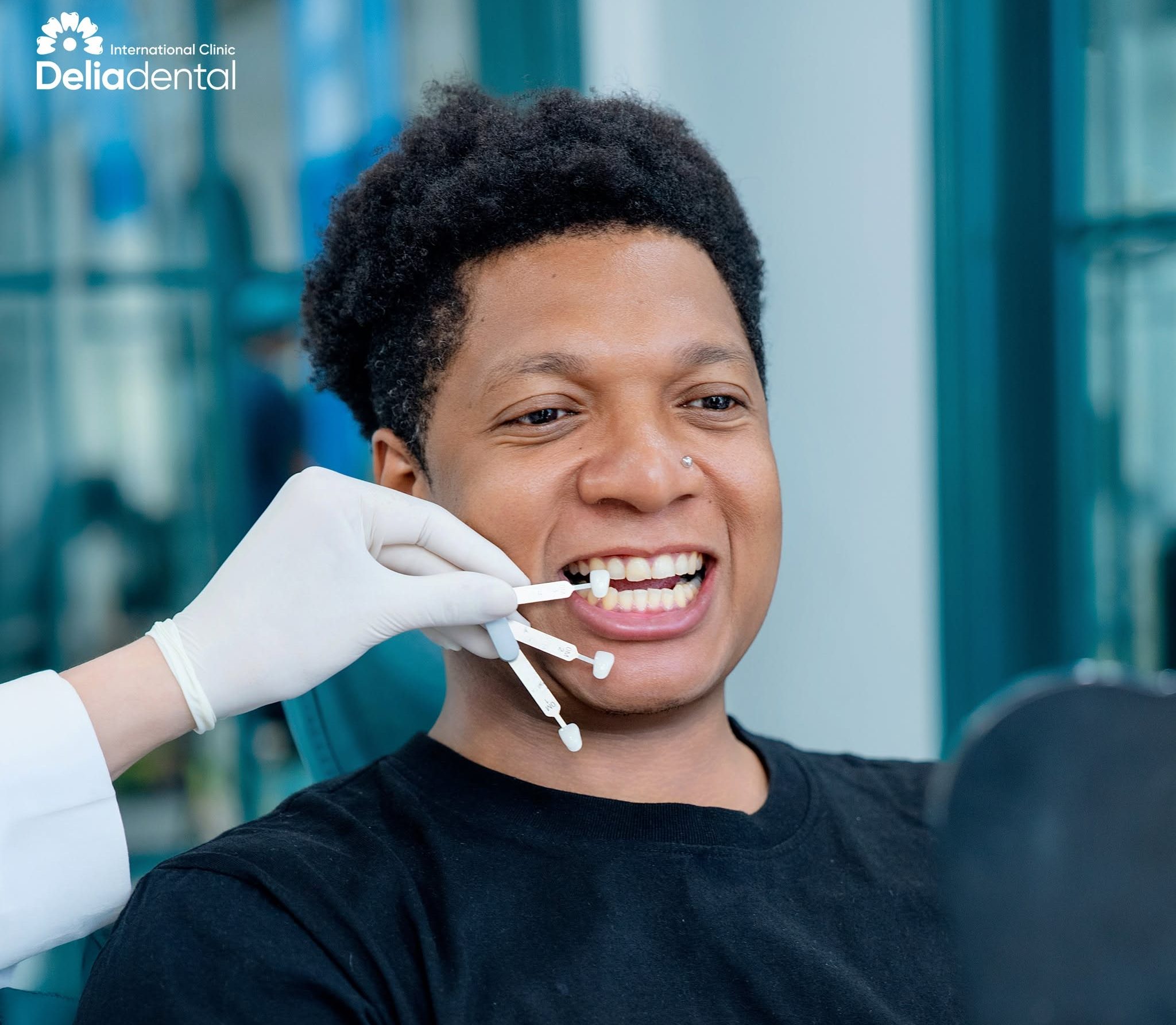
The veneer try-in appointment is the last point where a case can still move in a different direction before it becomes permanent. Some of what a patient does not like at this stage can be corrected in the same visit. Some of it cannot, and the veneer has to go back to the lab, which changes the rest of the trip.
The difference is not about how unhappy the patient is with the result. It comes down to whether the change touches something that was fixed at the design and preparation stage, such as the shape, length or thickness of the porcelain, or something that is still adjustable at the cementation stage, such as shade through the resin cement or the fit against the gum line. Knowing which category a concern falls into before the appointment starts makes the conversation with the dentist far more useful than simply saying something looks wrong.
This guide explains what usually adjusts chairside at try-in, what typically requires a lab remake, why veneer shade specifically works differently from what most patients expect, and what the realistic options are if a redo is needed and the return flight is already booked.
Quick Answer
At the veneer try-in stage, shade can often still be adjusted through the resin cement, and minor issues with the gum margin or surface polish can usually be corrected chairside. Changes to the length, shape, proportion or material of the veneer typically require sending it back to the lab for a remake, since these were fixed during design and fabrication rather than at cementation. If a redo is needed, the travel schedule, not just the dental work, becomes the main planning question.
Why Not Everything At Try-In Is Equally Fixable
A porcelain veneer arrives at the try-in appointment already fabricated to a specific shape, length, thickness and material based on the approved mock-up or digital design. Some properties of the final result are locked in at that point. Others are still genuinely open until the veneer is permanently bonded.
The try-in appointment exists precisely because a veneer placed dry against a prepared tooth does not show the final result. According to research on veneer cementation published by the dental materials manufacturer 3M, a veneer’s true final color comes from a combination of the tooth preparation underneath, the ceramic itself, and the resin cement between them, all viewed in a wet, hydrated state rather than a dry fitting. This is also why a try-in paste, not just a dry placement, is used for thinner veneers in the 0.3 to 0.5 millimeter range that most cosmetic cases fall into.
Because of this, some adjustments genuinely belong at the try-in and cementation stage rather than earlier in the process, and trying to force every decision to happen at the mock-up stage would not actually give a more accurate preview.
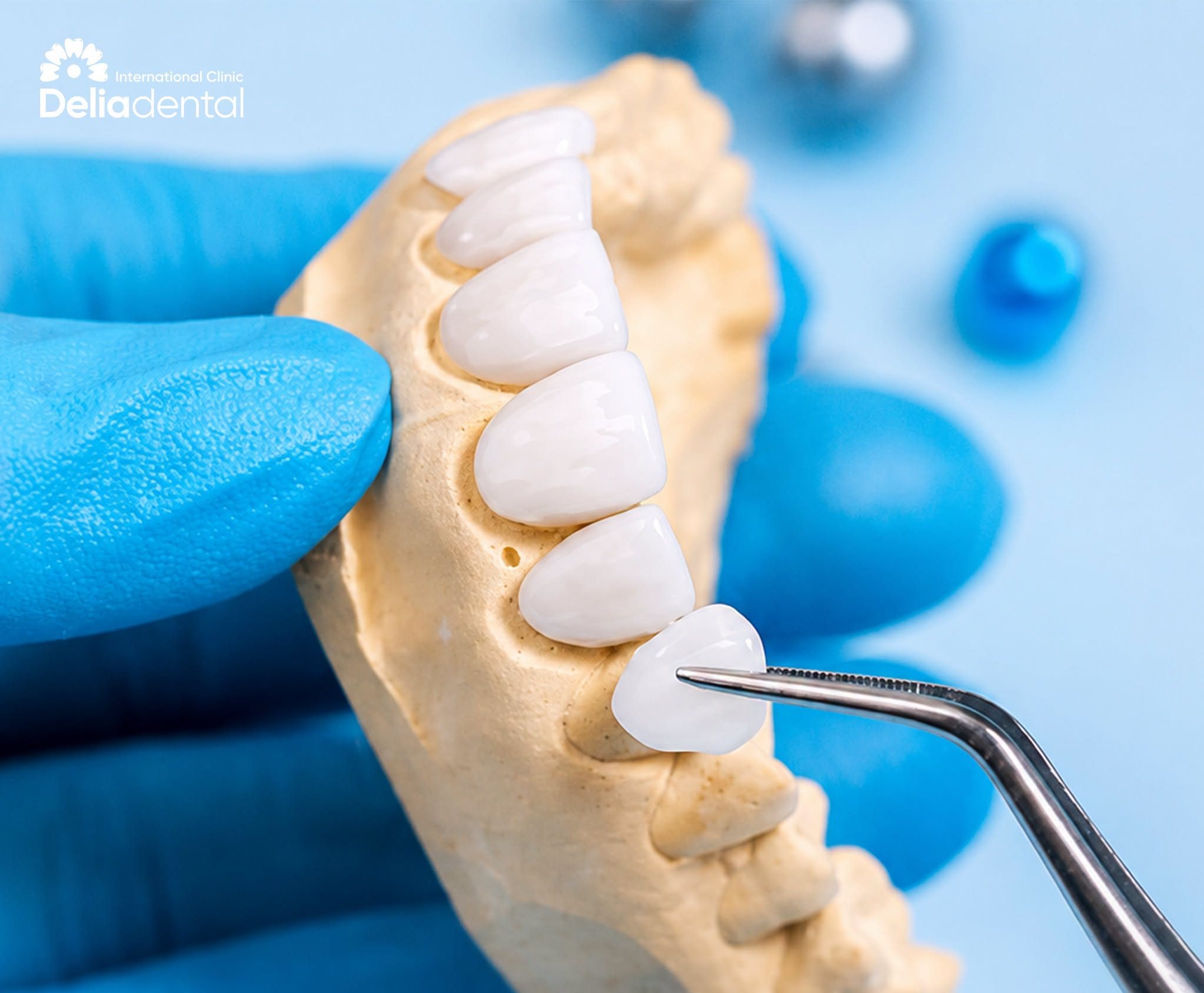
What Can Typically Be Adjusted At The Try-In Appointment
Shade is the adjustment most patients assume is fixed once the veneer is made, but for thin porcelain veneers it is not fully locked in until cementation. A study on try-in pastes and resin cements published in the Journal of Dentistry measured color differences between different cement shades applied to identical veneers, and found differences large enough to be visible to the eye, meaning the choice of cement shade genuinely changes the final look rather than only confirming it. This is why a dentist may try a veneer with more than one shade of paste during the same appointment before deciding on the cement to use.
The margin where the veneer meets the gum can also often be refined at try-in, particularly if a slight overhang or gap is visible before final bonding. Surface polish and the way light reflects off the veneer’s texture can typically be adjusted at this stage as well, since final polishing usually happens after the try-in fitting is approved rather than before.
Minor bite contact issues, where the veneer feels slightly high in one spot, are also normally corrected chairside once the veneer is either seated with try-in paste or already bonded, depending on the dentist’s workflow. This is a routine, expected part of the appointment rather than a sign that something went wrong earlier in the process.
What Usually Means Going Back To The Lab
Length and proportion are set during fabrication, not adjusted at try-in. If a veneer looks noticeably longer, shorter, wider or narrower than what was approved in the mock-up, this is a fabrication issue rather than something the dentist can correct with a handheld instrument at the chair.
Shape and edge design fall into the same category. Rounded versus squared corners, the amount of curve along the biting edge, and how symmetrical the veneers look against each other are all built into the ceramic before it reaches the try-in stage. A patient who decides at try-in that they actually want a different overall shape, rather than a shade or margin adjustment, is asking for a new veneer rather than a tweak to the current one.
Material and thickness changes also require a remake. A patient who tries a veneer and decides it looks more opaque or more translucent than expected, and wants a different ceramic system entirely, is changing a fabrication decision that cannot be reversed at the chair regardless of how the cement is handled.
A significant mismatch with the approved mock-up, where the fitted veneer does not resemble what was previewed and agreed on earlier in the process, is also generally treated as a lab issue rather than a chairside fix, since it suggests something did not translate correctly from the design stage to fabrication.
| What is being changed | Usually adjustable at try-in | Usually requires a lab remake |
|---|---|---|
| Shade, through resin cement choice | Yes | No |
| Gum margin fit | Often | Sometimes, if the fit is significantly off |
| Surface polish and texture | Yes | No |
| Minor bite contact | Yes | No |
| Tooth length or proportion | No | Yes |
| Overall shape or edge design | No | Yes |
| Ceramic material or thickness | No | Yes |
| Major mismatch with the approved mock-up | No | Yes |
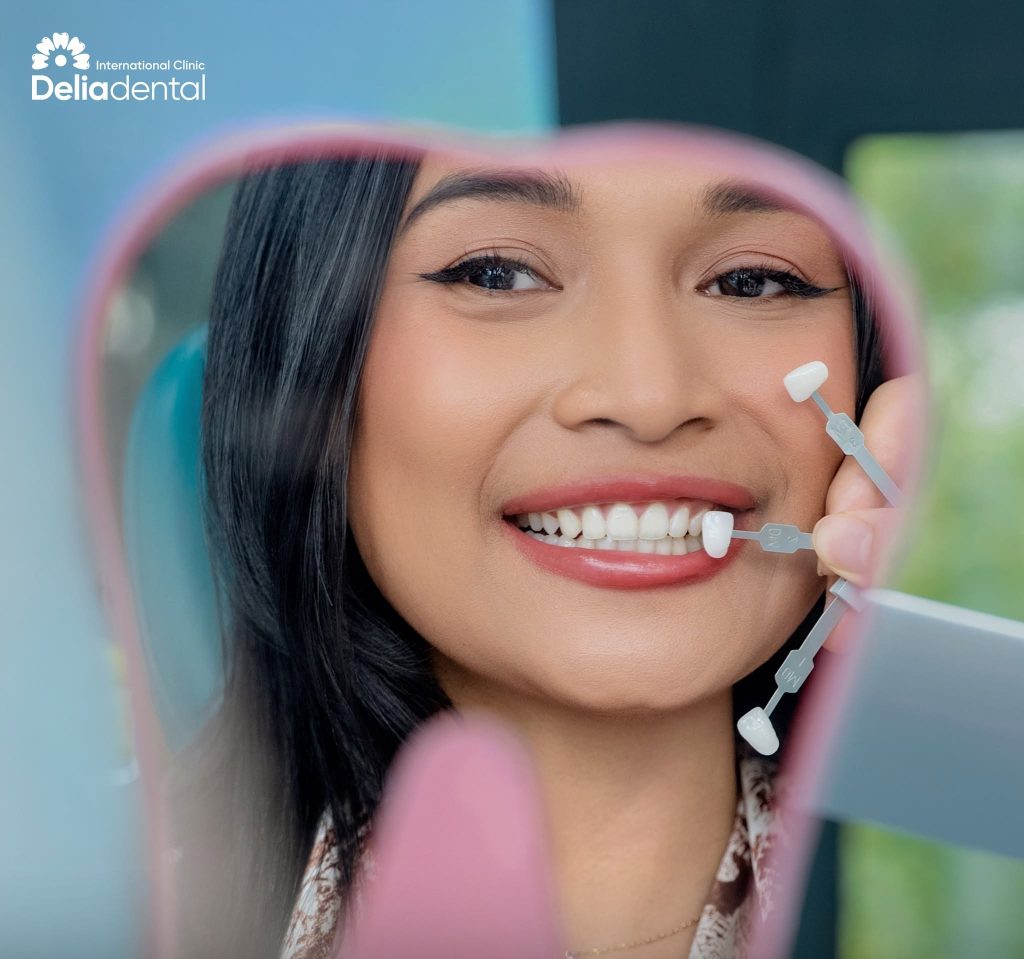
If A Redo Is Needed And Your Flight Is Already Booked
A lab remake takes additional working days, and the exact length depends on the number of veneers involved and the extent of the change requested. For international patients, this turns a dental decision into a travel decision, since the appointment cannot simply be repeated the next morning the way a shade adjustment can.
Delaying the return flight is the most straightforward option where the airline ticket allows it, and patients who know their case involves a larger number of teeth or a more ambitious shade change should build a buffer day into the original schedule specifically for this possibility rather than assuming the first try-in will be the last one.
Where a flight genuinely cannot move, some cases can be managed by cementing an interim solution, such as a well-fitted temporary restoration, and completing the final veneer once the corrected version is ready, with the case finished on a return visit. This is not automatically available for every case and depends on how far along the original veneers are and what specifically needs to change.
A small number of patients choose to accept a version that is functionally sound but not fully matched to their original preference, planning any further refinement for a later visit. This is a decision for the patient to make with full information about the trade-off, not something a clinic should present as the only option when a redo is genuinely possible within the existing schedule.
How Delia Dental Clinic Plans The Try-In Appointment
Delia Dental Clinic schedules the try-in appointment with enough time before a patient’s planned departure to allow for a possible lab adjustment, rather than placing it on the final day of the trip by default. This spacing is discussed as part of the treatment timeline before the veneer preparation stage begins, based on the number of teeth involved and the complexity of the smile design.
Where a patient’s shade preference is close to the boundary between two cement options, the clinical team at Hanoi or Ho Chi Minh can try both during the same appointment before finalizing the choice, which reduces the chance of a shade-related surprise after cementation. For changes that fall into the lab remake category, the team can give a realistic estimate of the additional time needed based on what specifically has to change, so the patient can weigh that against their existing flight before deciding how to proceed.
Send your scheduled to Delia Dental Clinic today
Frequently Asked Questions
Is the shade I see during try-in the same as the final shade after cementation?
Not exactly, and this is expected rather than a problem. Research on veneer cementation has found that the resin cement layer between the veneer and the tooth measurably affects the final color, particularly for the thin veneers most cosmetic cases use. A try-in paste that matches the intended cement shade gives a much closer preview than placing the veneer dry, which is why dentists use paste rather than a dry fitting for this step.
How long does a lab remake usually add to the trip?
This depends on the number of veneers and what specifically needs to change, since a shade-only correction at the design stage behaves differently from a full remake of shape or material. Patients considering a larger smile design case should ask the clinic for a realistic buffer estimate before finalizing travel dates rather than assuming the first try-in will be final.
Can I keep wearing my temporary veneers if the final ones need to be redone?
In many cases, yes, since the temporary restorations are already in place protecting the prepared teeth. Whether this is workable for a specific case depends on the condition of the temporaries and how long the remake is expected to take, which the treating dentist can confirm at the appointment.
What if I only dislike the shade slightly but I am not sure if it needs a full change?
This is exactly the situation the try-in paste system is designed to resolve, since a dentist can test more than one cement shade during the same visit before committing. A slight shade preference is one of the more common adjustments that does not require sending the veneer back to the lab.
Does asking for a shape change at try-in mean starting the whole process over?
Not entirely. The prepared teeth and any accurate impressions or scans already taken usually remain usable, so a lab remake typically means refabricating the veneer itself rather than repeating the tooth preparation. It still adds lab time, but it is not the same as restarting the case from the first appointment.
Should I bring reference photos of the shade or shape I want to the try-in appointment?
This can help, particularly for shade, since natural light and clinic lighting can both affect how a color is perceived in the moment. A reference photo taken in daylight gives the dentist another data point alongside the try-in paste comparison, though the final decision should still be made by viewing the actual veneer in different lighting conditions rather than by photo alone.
Final Thoughts
The try-in appointment is not a single pass or fail moment. Some of what feels wrong in that chair is a quick fix through cement shade or a margin adjustment, and some of it means the veneer needs to go back to the lab because it was set during fabrication rather than left open for cementation day.
Knowing which category a concern falls into before the appointment, and building a travel buffer around the possibility of a remake rather than assuming the first fitting will be final, is what actually protects the trip if something does not look right the first time.
Send your treatment dates and any specific shade or shape preferences to Delia Dental Clinic via WhatsApp or Messenger before booking your flights. The Hanoi or Ho Chi Minh City team can review your case and schedule the try-in appointment with a realistic buffer for adjustment before your final bonding date.


