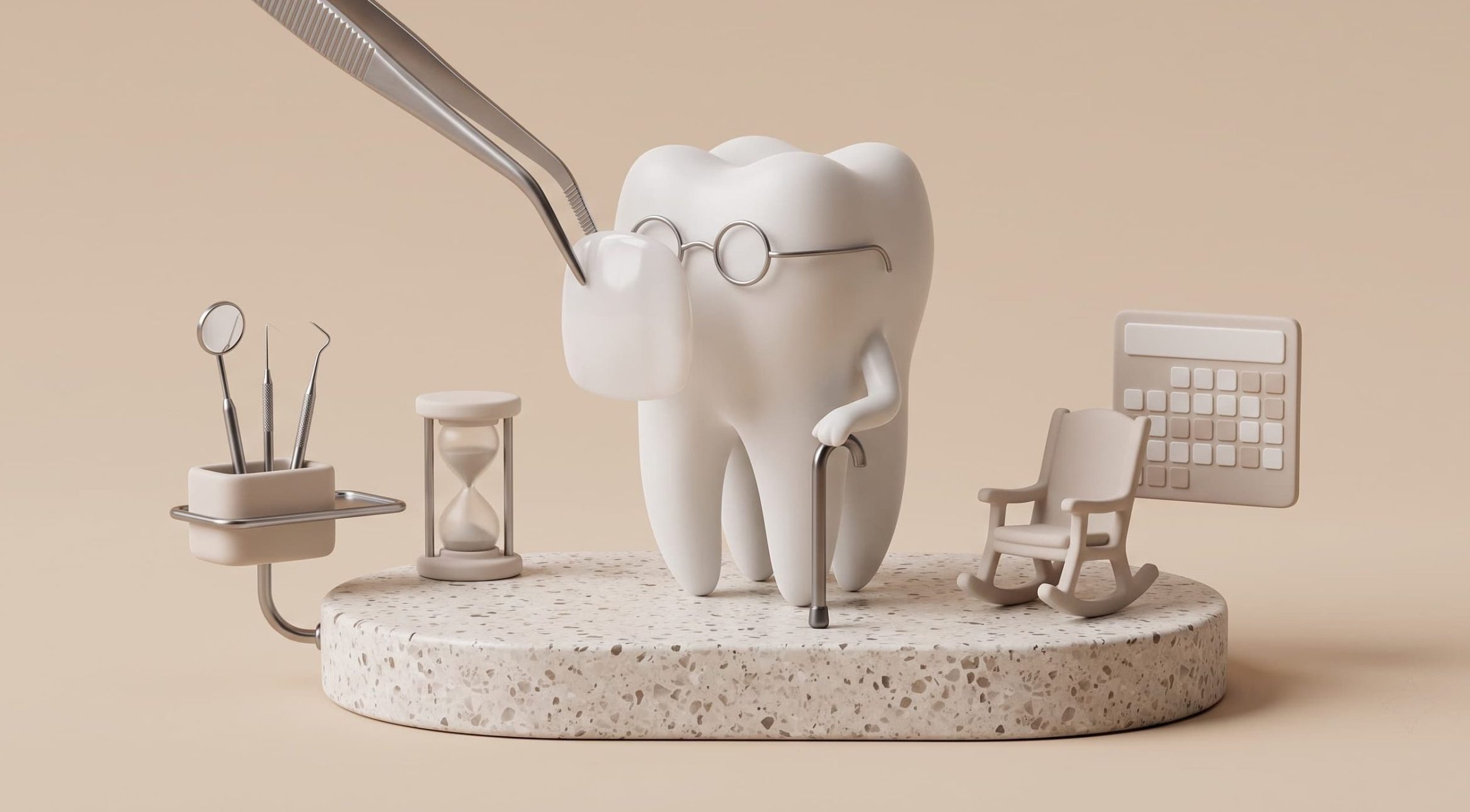
Most people who ask this question have already spent years looking at the same smile in the mirror. The teeth have darkened, the edges have worn flat, a gap has opened, and somewhere along the way the thought of a refresh stopped feeling like vanity and started feeling reasonable. Then comes the doubt: is there an age after which veneers simply is not done?
There is no upper age limit for porcelain veneers. What matters is the condition of the teeth, the gums and the bite, and those tend to change after 60 in ways that shape the plan. Enamel is usually thinner, gums may have receded, and many adults have fillings, crowns or medication side effects that were not part of the picture at 35.
This guide explains what changes in the mouth after 60, how those changes affect veneer planning, when a crown or another option fits better, and what to send a dental team before you travel. It is written for adults in their 60s, 70s and beyond who are comparing treatment at home with treatment in Vietnam.
Quick Answer
You are not too old for veneers. Age is not a contraindication, and healthy older adults can have them. Suitability depends on remaining enamel, gum health, existing dental work and bite wear, which commonly change after 60. A dentist confirms this by examination, and some teeth may need crowns instead.
Does Age Alone Rule Out Veneers?
Age alone does not rule out veneers. A 68 year old with healthy gums and sound teeth can be a better candidate than a 40 year old with untreated gum disease or heavy night grinding. Dentists look at the mouth, not the birth certificate.
The reason the question keeps coming up is that veneers depend on bonding. A porcelain veneer is a thin shell fixed to the front of a tooth with adhesive, and that bond works best on enamel. Decades of chewing, brushing, acid exposure and grinding reduce enamel, so older teeth often offer less of the surface that veneers rely on.
That is a planning issue, not a closed door. Some teeth will still bond well, some will need a different restoration, and some will need gum or restorative treatment first. The honest answer for any individual is tooth by tooth.
What Changes in Your Mouth After 60
Four changes matter most when veneers are on the table. Each one affects a different part of the decision, from how much of the tooth is available to bond to how the finished smile will look.
Enamel Gets Thinner
Enamel wears gradually over a lifetime. Underneath it, dentin is slightly darker and becomes more visible as enamel thins, which is part of why teeth look yellower or greyer with age and why whitening sometimes disappoints.
For veneers, thinner enamel changes two things. There is less enamel surface for a dependable bond, and there is less room to shape the tooth without reaching dentin. Where enamel is limited, a dentist may recommend minimal preparation, a different material, or a crown on the worst affected teeth. This is the main reason veneers and thin enamel need an examination rather than a general yes or no.
Gums May Have Receded
Gum recession is common with age, particularly after years of firm brushing or past gum disease. When gums pull back, the tooth looks longer and the root surface becomes exposed. Root surface is not enamel, and veneer edges that sit on it do not bond as predictably.
Recession also affects appearance. A veneer placed over a tooth with receded gum can look long or show a visible join at the gumline. Veneers and gum recession therefore go together in planning: the gum condition is checked first, and in some cases it is treated or stabilised before any veneer work begins. Veneers do not treat active gum disease, and bonding over inflamed gums is not a sound plan.
Existing Work Limits the Surface
By 60, many people have fillings, root canal treated teeth, crowns or bridges. A tooth that already has a crown cannot take a veneer, and a front tooth with a large old filling may not leave enough sound enamel around it.
This does not make veneers impossible, but it does mean the plan may mix treatments. Visible front teeth with enough healthy enamel may suit veneers, while heavily restored teeth may need crowns. Mixed plans are normal, and the aim is a smile that reads as one design.
Dry Mouth and Wear Change the Risk Profile
Many regular medications list dry mouth as a side effect, and less saliva means a higher risk of decay at the edges of restorations. Grinding or clenching, which often goes unnoticed for years, can chip porcelain and wear natural teeth.
Neither factor rules out veneers. Both change the advice around them: stricter home care, regular reviews, and in selected cases a night guard to protect the restorations.
| Change after 60 | Why it matters for veneers | What the dentist checks |
|---|---|---|
| Thinner enamel | Less surface for a reliable bond | Remaining enamel on each tooth, wear pattern |
| Gum recession | Exposed root, visible edges, longer looking teeth | Gum health, depth of recession, need for gum treatment first |
| Fillings, crowns, root canals | Fewer teeth that can take a veneer | Existing restorations and remaining healthy tooth structure |
| Dry mouth | Higher decay risk around restoration edges | Medication list, decay risk, hygiene routine |
| Grinding or clenching | Chipping and wear of porcelain | Bite, wear facets, need for protection |
Is 70 Too Old for Veneers?
Seventy is not too old, and neither is 75 or 80 when the mouth is healthy enough. The question changes from “how old am I” to “what is the condition of the teeth I want to treat, and can I attend the visits needed.”
Some practical points tend to matter more at this stage than the number itself. General health and medication affect how a treatment plan is staged. Comfort with longer appointments matters, since veneer preparation and fitting involve time in the chair. Realistic expectations matter too: veneers are not permanent restorations and may need repair or replacement over time, so a plan made at 70 should be one you are comfortable maintaining.
Adults who also have missing teeth, loose teeth or active gum disease should not start with veneers. Foundation problems come first, and cosmetic work follows once the mouth is stable. Missing teeth raise a separate set of questions about bone and medication, which are covered in dental implants for older patients and what records to send.
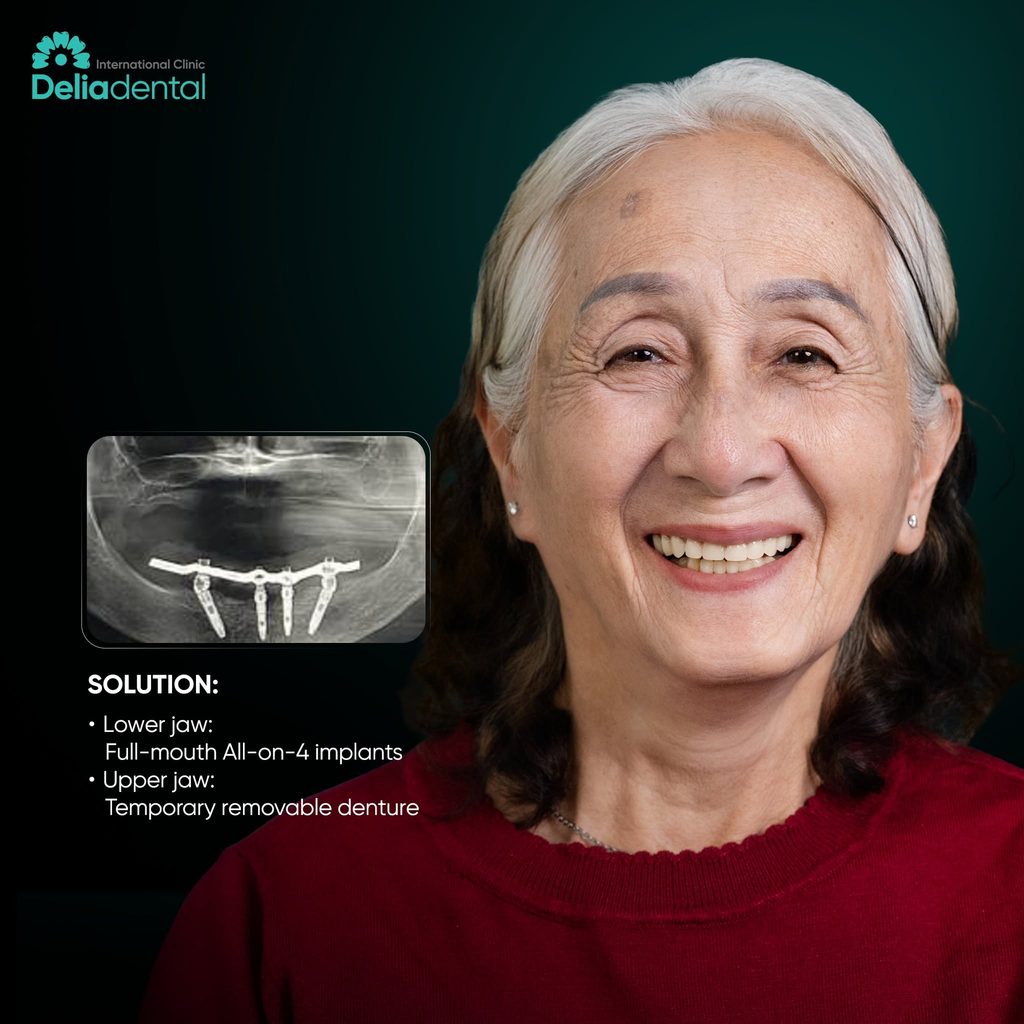
When a Crown or Another Option Fits Better
Veneers cover the front surface of a tooth and rely on enamel. Crowns cover the whole tooth and rely on the remaining tooth structure beneath. When a tooth has lost too much structure, a crown protects it better than a thin facing can. The comparison between the two is covered in more detail in dental veneers vs dental crowns in Vietnam, but for older adults the decision usually follows the pattern below.
| Situation | Veneer may suit | Another option may suit better |
|---|---|---|
| Healthy front tooth, stained or slightly worn, good enamel | Yes | Whitening if only the shade is the concern |
| Tooth with large old filling or heavy wear | Sometimes | Crown for stronger coverage |
| Root canal treated tooth with weak structure | Rarely | Crown |
| Receded gum with exposed root | Depends on gum treatment first | Gum treatment, then reassess |
| Missing tooth | No | Implant, bridge or other replacement |
| Loose teeth from gum disease | Not until stable | Periodontal treatment first |
Plans for older adults often combine several of these, with veneers on the best preserved visible teeth and crowns where more protection is needed. The result should be planned as one smile, with shade, translucency and surface texture matched across materials.
What Veneers Cost for Older Adults
Price does not change with age. It is set by the type of veneer, the number of teeth and whether other treatment is needed first. Delia Dental Clinic’s standard prices per tooth for veneers are shown below, in USD.
| Veneer type | Standard price per tooth |
|---|---|
| E.max Press veneer | $300 |
| LiSi veneer | $550 |
These per tooth prices include consultation, a scan or impression, a mock up, a temporary restoration and a try in. Root canal treatment, core buildup or gum treatment are not part of that price and depend on the case, which is why they come up more often in older mouths. The final itemised quote is confirmed after examination. For a wider view of how the total builds up, see the guide to veneer costs in Vietnam.
What to Send Before Booking
A remote review cannot diagnose, but good records let a dental team give you a preliminary direction before you commit to flights. For an older adult considering veneers, the most useful items are:
- Clear photos of your smile and a few close ups of the teeth you want to change
- A photo showing the gumline, so recession is visible
- Recent dental X-rays, if you have them
- A list of current medications and any allergies
- Notes on existing crowns, bridges, fillings or root canal treatment
- Any quote you already have, so inclusions and materials can be compared
- Your possible travel dates
Send what you have. Missing items do not stop a first review, they only narrow how much can be said before examination.
How Delia Dental Clinic Plans Veneers for Patients in Their 60s and Beyond
At Delia Dental Clinic, veneer planning for older adults starts with what the teeth can support rather than with a target number of veneers. The team reviews your photos, X-rays and medical summary through WhatsApp or Messenger, then gives a preliminary view of which teeth look suitable, which may need crowns, and whether gum or restorative treatment may be needed first.
That preliminary view has limits. Enamel thickness, gum health and bite cannot be confirmed from photos, so the final plan and quote are set after an in person examination at the Hanoi or Ho Chi Minh City clinic.
Once the plan is agreed, Delia Dental Clinic uses Digital Smile Design and a mock up so you can see the proposed shape and shade before anything is made permanent. A try in comes before final completion, which gives you a chance to react to the result. When veneers and crowns are used in the same smile, shade, translucency, surface texture and fluorescence are planned together so the teeth read as one set. For older patients, this matters because natural teeth at this age often carry subtle colour variation, and a uniform bright white can look out of place.
Timing is case dependent. Veneers often fit into a single trip, but a plan that includes gum treatment or root canal work first will take longer, and the team can estimate the likely schedule once records are reviewed.
Frequently Asked Questions
Do veneers look obvious on older teeth?
They can if the shade is too white or too uniform for the face and the remaining natural teeth. Natural teeth at 65 usually have some variation in colour and edge shape, and a good plan reflects that rather than copying a standard bright set. A mock up before treatment lets you judge the shade and shape on your own face and ask for changes.
Can I get veneers if I have gum recession?
Often yes, but the gums are assessed first. Mild, stable recession may be workable, while active gum disease or significant recession may need treatment before veneers go on. Veneer edges that sit on exposed root are less predictable, so the dentist may suggest crowns or a different approach on affected teeth.
Are veneers safe if I take regular medication?
Do regular medications affect veneers?
Not in the way they affect surgery. Veneers are a restorative treatment, so most common medications do not rule them out. The main concern is dry mouth, a side effect of many prescriptions, because less saliva raises decay risk along the edges of veneers and the teeth beneath them. Share your full medication list with the dental team so home care and review visits can be planned around it, and never stop or change a prescribed medicine without speaking to your prescribing doctor.x`
How long do veneers last on older patients?
There is no fixed figure, because lifespan depends on the material, the bite, home care and regular reviews. Veneers are not permanent and may need repair or replacement over time. Grinding, dry mouth and gum changes can shorten their life, which is why a night guard or closer follow up is sometimes recommended.
Is whitening a better choice than veneers after 60?
It can be if shade is the only concern and the enamel is reasonably healthy. Whitening does not change tooth shape, close gaps or repair chips, and it works less well on teeth where dentin shows through thin enamel. If shape, wear or spacing bothers you as well, veneers or a mix of veneers and crowns may be worth comparing.
Can older patients travel to Vietnam for veneers?
Do veneers damage healthy teeth?
Porcelain veneers usually involve removing a thin layer of enamel, and that enamel does not grow back, so the decision is not fully reversible. How much is removed depends on the tooth and the design, and thinner or minimal preparation is sometimes possible when enamel is limited. A mock up before treatment lets you see the planned result first, and the dentist can explain how much preparation each tooth is likely to need.
Planning the Rest of Your Smile Work
If veneers are only one part of what you are considering, these guides cover the neighbouring decisions that usually follow.
- Porcelain Veneers in Vietnam: What to Expect from Consultation to Final Fit
- Smile Makeover in Vietnam: Cost, Timeline and Treatment Options
- Veneer Try-In: What Can Still Change Before Cementation
- What a Veneer Try-In Delay Means for Canadian Patients Flying Home\
Final Thoughts
The better question is not how old you are, but how well your teeth and gums can carry a veneer. For some adults in their 60s and 70s the answer is a full set, for others it is a few veneers and a few crowns, and for some it is gum treatment first. Each of those is a sound outcome when it is matched to the mouth.
Send your smile photos, close ups of your gumline, any recent X-rays and a list of your medications to Delia Dental Clinic through WhatsApp or Messenger before booking your flight. The international patient team can review what you send, suggest a preliminary treatment direction and help estimate the likely cost and travel timeline for Hanoi or Ho Chi Minh City. The final treatment plan and quote are confirmed after an in person examination.


