
Booking the flight is the moment a dental work stops being an idea. For a US patient, the journey is long enough to shape the whole plan: how rested you are at the first appointment, how much room you leave before flying home, and how much it costs to change anything once treatment is underway.
The route matters as much as the dates. A cheap itinerary with a tight connection can cost you a day of your schedule, while a well chosen one can make a 20 hour journey manageable. Because Delia Dental Clinic treats patients in both Hanoi and Ho Chi Minh City, the right choice also depends on which city you are flying to.
This guide covers the booking decisions: how to compare routes, how to spend the first 48 hours, how to buy tickets that survive a change of plan, and when it is sensible to book the flight home. For cost, safety and whether Vietnam is worth the trip at all, see our guide to dental tourism in Vietnam for USA patients.
Quick Answer
From the US, the only nonstop flight to Vietnam is San Francisco to Ho Chi Minh City on Vietnam Airlines, about 16 hours outbound. Every other departure city connects through an Asian or Middle Eastern hub, usually 18 to 21 hours or more. Book the outbound on a single ticket, arrive at least one full day before your first appointment, and add two to three spare days after treatment before flying home.
How do you choose between a nonstop, a hub connection and a domestic leg?
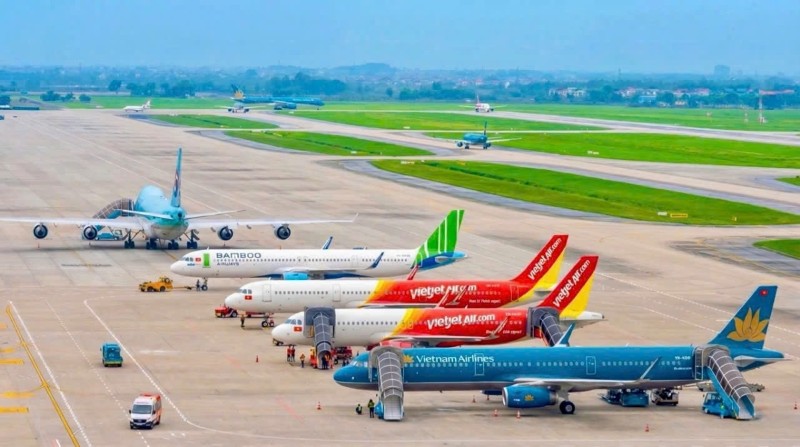
Choose the route with the fewest chances to lose a day. For most patients that means the nonstop if you live near San Francisco, and a single ticket through one hub if you do not. Vietnam Airlines currently offers the direct flight from San Francisco to Ho Chi Minh City, taking roughly 16 hours 20 minutes outbound, with plans to expand toward a daily schedule. Check the airline’s current timetable for the days it actually operates before you fix dates. Hanoi is normally reached with a connection.
One stop itineraries are not much longer than you might expect. Los Angeles to Ho Chi Minh City through Tokyo can take about 17 hours 55 minutes, and New York through Doha about 20 hours 25 minutes. These are example itineraries, and the real time depends on the date and the layover you are offered.
The table below matches common situations to the route that tends to work best.
| Your situation | Route to compare | Why it helps |
|---|---|---|
| Near San Francisco, treated in Ho Chi Minh City | Nonstop | One boarding and no transfer |
| Near San Francisco, treated in Hanoi | Hub connection against nonstop plus a domestic flight | The domestic leg adds a second airport and a second check in after a long flight |
| Elsewhere on the West Coast | One stop, for example through Tokyo | Total time can stay close to 18 hours, but only if the layover is comfortable |
| East Coast or Midwest | One stop, for example through Doha or an Asian hub | Expect around 20 hours or more in total, so plan a rest day |
| You tire easily or have a long surgical plan | Shortest total time, or a planned overnight stopover | Arriving rested matters more than saving on the fare |
A connection that looks efficient on paper turns into a night in an airport if the first flight runs late. When two itineraries are close in price, take the one with the longer, calmer layover.
How should you book so the ticket survives a change of plan?
Book the outbound journey as one ticket with protected connections, and choose a changeable fare for the return. Separate tickets for each leg are cheaper on some routes, but if the first flight is delayed the airline is generally not obliged to rebook the second, and you may have to buy a new fare at short notice. For a trip built around a fixed first appointment, that risk is rarely worth the saving.
Make sure the name on the ticket matches your passport exactly, and confirm your visa before you pay for a fare you cannot change. The e-visa is the usual route for US passport holders, and the official Vietnam e-visa portal lists current fees and validity. Fares and hotel prices also rise around the Vietnamese New Year in early February 2027, so ask about clinic availability before fixing dates near it.
What should the first 48 hours look like after a long flight?
Plan for one day to rest, one day for the consultation, and treatment no earlier than the third day. Vietnam is 11 to 12 hours ahead of US Eastern time and 14 to 15 hours ahead of Pacific time, depending on daylight saving, and because you cross the date line the calendar jumps ahead by a day or more. Your body clock will not match clinic hours for a few days.
A workable sequence looks like this:
- Arrival day: check in, eat, sleep, and keep the evening free.
- Second day: consultation, imaging and a clear conversation about the plan and the quote.
- Third day onward: treatment begins once the plan is confirmed after examination.
Patients who land and go straight to the chair tend to make decisions while exhausted, which is the wrong state for choosing between treatment options. If your case includes surgery, a buffer day also gives the team room to adjust the plan before anything invasive happens.

When should you book the flight home?
Book the return only after the schedule is confirmed, and leave two to three spare days between your final treatment and your departure. With a flight of 16 hours or more and a large time difference, that margin gives you time to rest, manage any swelling as the team instructs, and attend a last check before boarding. For crowns and veneers, it also means a small bite adjustment can be done in Vietnam rather than over the Pacific.
Implant surgery changes the timing. After a straightforward implant placement with no grafting, patients are commonly advised to wait about 48 to 72 hours before flying, so that early healing is stable and any swelling can be watched. After a sinus lift, extensive bone grafting or full arch surgery, the usual guidance is longer, often 10 to 14 days. Cabin pressure does not affect the implant itself, but pressure changes can irritate a sinus area that has not healed. These are general timeframes, and your surgeon’s clearance after a post operative check overrides them. Our guide on flying after dental implant surgery goes into the details.
Implant and full arch cases also add a second flight. The healing period happens at home, so the second trip is scheduled when your dentist is satisfied with healing, not on a date picked months earlier. Buying that ticket in advance on a non refundable fare can leave you paying to change it, and you should check that your visa still covers the second visit. The stages are laid out in our guide to how long to stay in Vietnam for dental implants.
What to tell Delia Dental Clinic before and after you book
Delia Dental Clinic can only suggest a realistic stay once it knows where you are flying from and which branch you prefer. Share your departure airport, whether you want Hanoi or Ho Chi Minh City, and the date range you are considering. The international patient team can then give a preliminary view of how many days the case is likely to need, based on whatever you have sent, such as X-rays or photos. A remote X-ray review cannot confirm the final plan, and the quote and schedule are settled after an in person examination.
After you book, send your flight numbers and arrival time through WhatsApp or Messenger. The team can use them to arrange the first appointment around when you actually land, and you can ask what airport pickup support applies to your case.
Frequently asked questions
Is it easier to fly into Hanoi or Ho Chi Minh City from the US?
Ho Chi Minh City is easier from the West Coast because of the nonstop from San Francisco. Hanoi needs a connection, either through a hub or through Ho Chi Minh City with a domestic flight added. The better entry point usually follows the branch that is treating you. If the plan allows either branch, compare total journey time to each city, since the difference can be several hours.
Is it safe to buy separate tickets for each leg?
It carries more risk than a single ticket. If your first flight is late, an airline is generally not responsible for a second flight on a separate booking, and you may need to buy a new fare quickly. For a trip built around a fixed appointment, a single itinerary with protected connections is usually the safer choice. Ask the airline or your travel agent how connections are protected on the fare you are considering.
How many days early should I arrive?
Arrive at least one full day before your first appointment, and consider two days from the East Coast or after a heavy connection schedule. The first appointment normally covers the consultation and imaging, and decisions about treatment are better made after proper sleep. If your plan includes surgery, avoid booking it for your first full day in Vietnam.
What should I carry in my hand luggage?
Keep X-rays, any CBCT files, a short summary of your medical history and your regular medication with you, not in checked baggage. Bring enough medication for the whole stay plus a few spare days, in original packaging. Digital copies of your dental records on your phone or a drive help if a bag is delayed.
Can I break the journey with a stopover?
Yes, an overnight stop in a hub city can make the trip less tiring. Whether it suits your case depends on your health and your treatment plan, so ask the team before you book. A stopover on the way in is generally more sensible than one after surgery, when you should be resting close to the clinic.
Will cabin pressure or airport security affect my dental implants?
Cabin pressure does not affect an implant that is already fixed in the jawbone. The concern is a recent surgical site or sinus area that has not healed, which is why timing after surgery matters. Dental implants are small and are not expected to set off airport metal detectors, so you do not normally need special paperwork, although carrying your treatment records is still sensible.
What if my flight is delayed and I miss my appointment?
Message the international patient team as soon as you know, ideally before you land. Appointments can often be rearranged, but the options depend on the clinic schedule and your treatment stage. Sending your updated arrival time early gives the team the best chance of adjusting the plan without losing a day.
Planning the rest of the trip
Once the route and rough dates are settled, the next questions are usually about which branch suits your case and how Vietnam compares with a closer option.
- Hanoi vs Ho Chi Minh City Dental Treatment
- Vietnam vs Mexico Dental Tourism for USA Patients
- From First Message to Final Smile: The Delia International Patient Journey
- Can You Use HSA or FSA Funds for Dental Work in Vietnam?
Final Thoughts
For a US patient, the flight is a fixed part of the cost of treatment in Vietnam, so the useful decisions are the ones you control: the routing, the layover, the arrival buffer and how much margin you leave before flying home. A rested arrival and a flexible return protect your treatment more than a cheaper ticket does.
Send your X-rays, CBCT files, dental photos or existing US quote to Delia Dental Clinic via WhatsApp or Messenger before booking your flight. The international patient team can review the available information, suggest a preliminary treatment direction and help estimate the likely stay length for Hanoi or Ho Chi Minh City. The final treatment plan and quote are confirmed after an in person examination.


