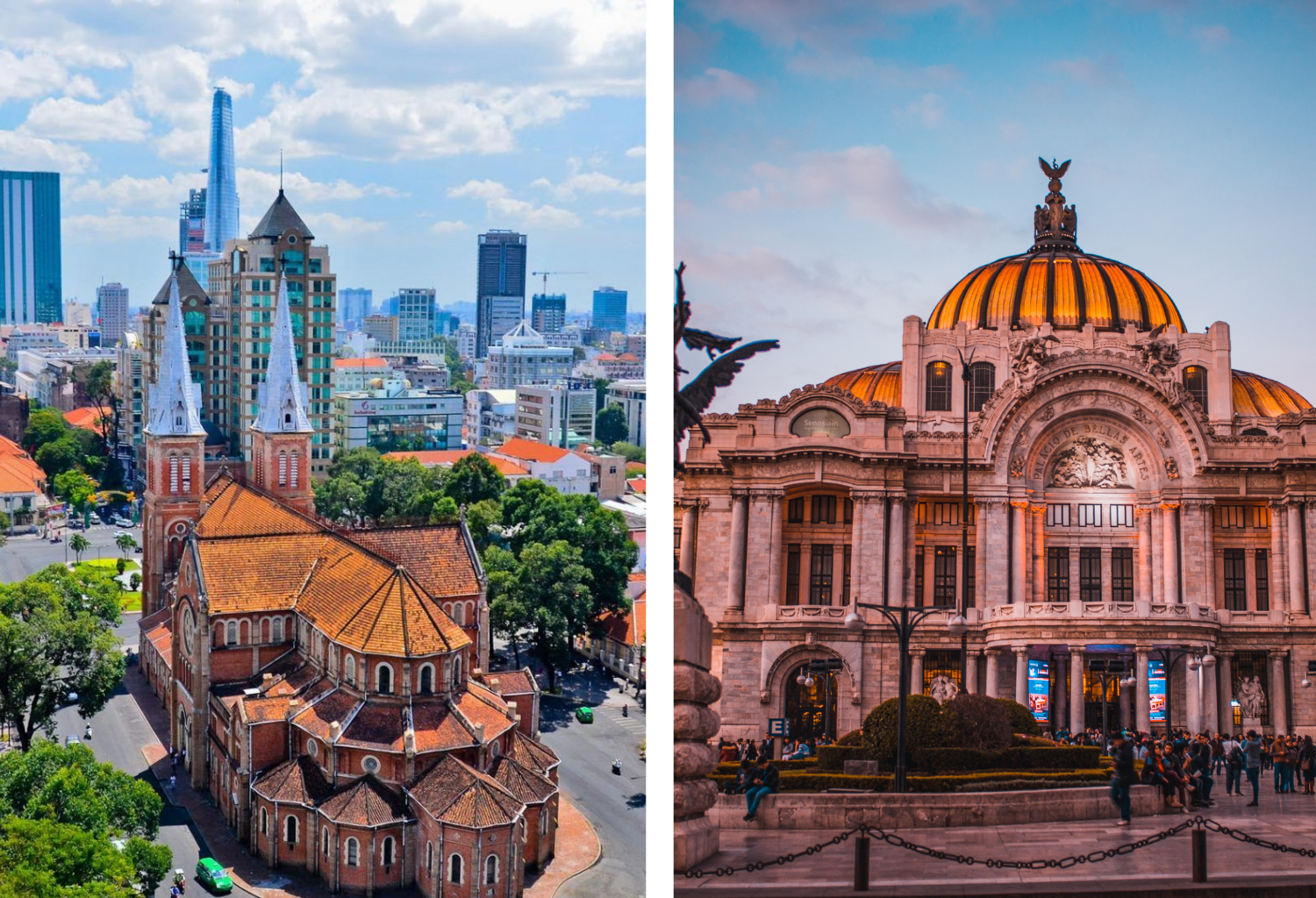
For US patients, Mexico is usually the more practical choice for smaller treatment close to home, while Vietnam is worth comparing for larger plans such as implants, All-on-4 and full smile makeovers. In those cases, the treatment saving, written warranty documentation and CBCT planning may outweigh a long-haul flight.
Mexico has long been the default for American dental tourists, mainly because it is close. The comparison changes when the work is large, staged, or needs records your home dentist can use later. This article compares both destinations across the factors that affect your experience and your outcome: travel, documentation, warranty, cost structure and the holiday side of the trip.
Delia Dental Clinic can review your X-rays, photos or an existing quote before you book anything, so you can compare a written plan instead of a headline price. The final plan is confirmed after an in-person examination.
Quick Answer
Vietnam can be worth comparing with Mexico for US patients who need larger treatment such as implants, All-on-4 or veneers, where standard prices, written warranty documentation and CBCT planning may outweigh a long flight. Mexico is closer, which favors smaller or border state cases. Compare itemized quotes before booking.
Why US Patients Compare Vietnam and Mexico
Dental care is largely a private expense for US adults. Many insurance plans cap annual benefits at a level that a single crown or implant can use up, which leaves major restorative work mostly out of pocket, and Original Medicare generally does not cover routine dental care. For a patient with several failing teeth and a large US quote for implants and crowns, comparing abroad is a rational step. For a patient who needs one filling, it rarely is.
Mexico attracts most US dental tourists because a drive or short flight replaces a long trip, and that convenience is real. Vietnam enters the comparison when the treatment is big enough that the difference in price and documentation can absorb the extra travel. The right answer depends on the size of the plan, where you live and how much documentation you want to bring home, so the sections below compare each of those in turn.
Vietnam vs Mexico: Head-to-Head Comparison
| Factor | Vietnam (Delia Dental Clinic) | Mexico |
|---|---|---|
| Distance from the US | Long-haul, usually with at least one connection | Short drive or flight from many US cities, especially border states |
| Best fit | Larger, staged treatment plans | Smaller or routine work close to home |
| Implant records | Implant system disclosed, written warranty documentation | Ask for the brand, serial details and written terms |
| Implant warranty | Published by implant system, from 10 years to lifetime for the fixture, with prosthetic coverage confirmed separately | Varies by clinic, confirm in writing |
| Imaging | CBCT based assessment for implant planning | Ask whether CBCT is included |
| Language | English speaking coordination | Ask the clinic |
| Entry rules | Check the official Vietnam e-visa portal | Check official Mexican entry requirements |
The factor that often matters most is documentation rather than price. When a US patient returns home, their American dentist may need to identify the implant system for maintenance, repair or emergency care, and that is much harder without the brand and warranty records. Delia Dental Clinic provides written warranty documentation and discloses the implant system, and patients can ask to verify the brand before treatment. The same questions are worth asking of any clinic in any country.
Delia Dental Clinic Standard Prices for US Patients
The figures below are Delia Dental Clinic’s standard prices in USD, not promotional prices. The implant prices cover the implant post and abutment only. They are not the cost of a complete replacement tooth and not an All-on-4 or full-mouth package price.
| Implant system | Implant + abutment (standard) | Published warranty |
|---|---|---|
| Osstem | $700 | 10 years |
| Dentium | $800 | 15 years |
| HIOSSEN | $1,200 | 30 years |
| ETK | $1,300 | 30 years |
| SIC | $1,400 | 30 years |
| Straumann SLA | $2,000 | Lifetime |
| Straumann SLActive | $2,300 | Lifetime |
A full implant quote can also include CBCT imaging, extractions, bone grafting, sinus augmentation, temporary teeth, the final crown or prosthesis, medication and follow-up. Those items are confirmed in the individual written plan, so an implant only price should never be multiplied to estimate a full arch case. All-on-4 and All-on-6 are quoted as packages, and Delia Dental Clinic publishes them separately.
| Restoration | Standard price per tooth |
|---|---|
| Ceramill crown | $190 |
| Emax crown | $290 |
| Lava Plus crown | $350 |
| Lava Esthetic crown | $600 |
| Orodent Bleach crown | $950 |
| Orodent Innovation crown | $1,150 |
| Emax Press veneer | $300 |
| LiSi veneer | $550 |
Crown and veneer prices include consultation, a scan or impression, a mock-up, a temporary restoration and a try-in. Root canal treatment, core buildup or gum treatment are case dependent and billed separately if needed. To compare with a US or Mexican quote, ask that quote for the same material, the same number of teeth and the same inclusions, because a lower headline figure often reflects a narrower scope.
Warranty Comparison
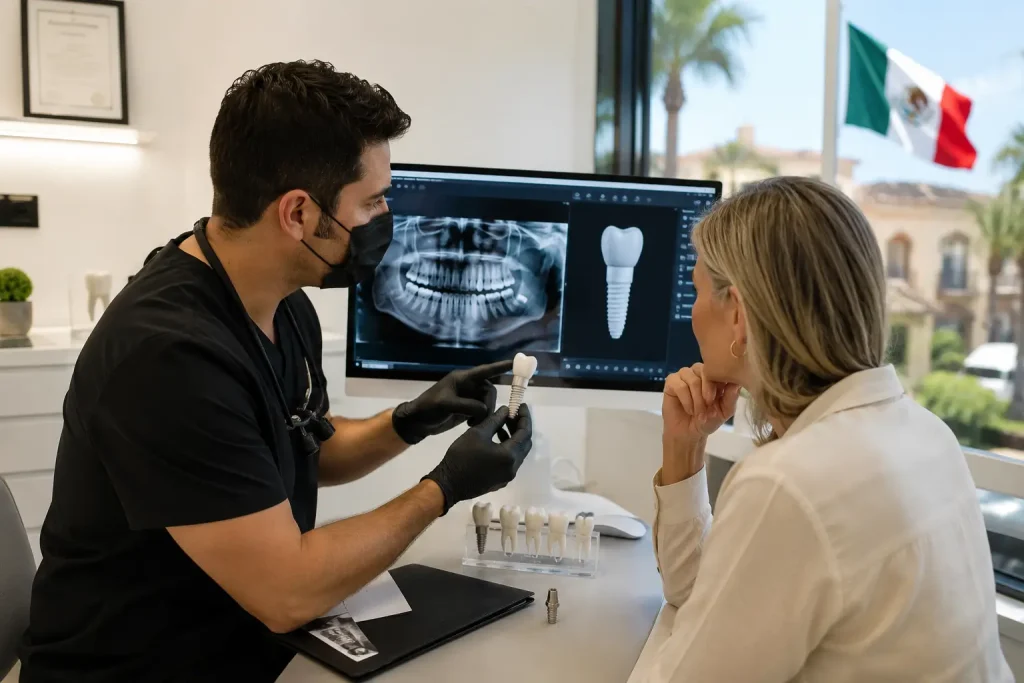
Warranty terms are where clinics differ most and where patients check least. The safest approach is to separate what is being covered rather than accept a single headline number.
| Component | What to confirm in writing |
|---|---|
| Implant fixture | The warranty term for the specific implant system used |
| Abutment | Whether it is covered and for how long |
| Crown or bridge on the implant | Coverage is separate from the fixture and set in the written documentation |
| Complications and maintenance | Conditions that apply, such as follow-up visits and hygiene |
Enforcing a warranty from the US is difficult regardless of where the work was done, but a written warranty with documented implant details gives you two things: a clear basis for any claim and a record your US dentist can actually use. Without those records, identifying the system, ordering compatible components or managing a complication involves guesswork. Delia Dental Clinic’s warranty terms are published by implant system, so the fixture warranty for Osstem differs from Straumann.
Flight and Travel: Mexico’s Clearest Advantage
For patients in border states, Mexico’s proximity is a genuine and meaningful advantage. Los Algodones is a short drive from Yuma, Arizona, and Tijuana is minutes from San Diego. From other US cities, flights to Mexico’s dental hubs are considerably shorter than a trip to Vietnam.
Vietnam is a long-haul journey with at least one connection from most US cities. Routes, schedules and fares change through the year, so check current airline options rather than relying on a fixed figure. Implant cases often need two trips, so the flight cost is paid twice.
The financial logic follows treatment size. For a single crown or routine procedure, Mexico’s convenience is hard to beat on total trip value. For a large plan such as full arch implants or a multi-tooth smile makeover, the treatment saving has more room to cover the added flights, which is why the size of the plan should decide the comparison.ort.
How to Compare Total Trip Cost
A fair comparison adds every cost to the treatment price, not just the flight. Request an itemized quote from each clinic and add the following yourself:
- Treatment cost from a written, itemized quote, including any extractions, grafting or sedation
- Return flights for every trip the plan needs, which is two for many implant cases
- Hotel nights for each trip, based on the timeline the clinic estimates
- Meals and local transport
- Time away from work and any buffer days
As an illustration using standard prices, 20 Emax Press veneers at $300 per tooth come to $6,000 for the veneers alone, before flights, hotel, meals and any case dependent treatment. The same arithmetic on a Mexican quote only works if it lists the same material, tooth count and inclusions. For a single implant, an Osstem implant and abutment at $700 is only one part of the total, because the crown and other steps are added on top.
Holiday Experience and Entry Requirements
Both countries offer a good holiday experience, and the choice depends on what you want from the trip. Mexico suits patients who want beaches, Mayan culture and a shorter journey. Vietnam suits patients looking for something different, such as Ha Long Bay, the old streets of Hoi An and the coastline near Da Nang, with recovery days planned around the dental schedule.
Entry rules depend on your nationality and passport, and they can change. Check the official Vietnam e-visa portal and the official Mexican government source close to your travel date rather than relying on an earlier trip. Dental treatment does not automatically extend a visa, so make sure your authorized stay covers the treatment schedule.
Who Should Choose Vietnam and Who Should Choose Mexico
| Factor | Choose Vietnam | Choose Mexico |
|---|---|---|
| Treatment size | Larger plans where the saving can outweigh long-haul travel | Smaller or routine work |
| Location | Far from the border, including the West Coast and East Coast | Border states or easy driving distance |
| Documentation priority | Written warranty and implant records you can hand to your US dentist | A specific clinic you have already vetted |
| Treatment type | All-on-4, multi-implant, full smile makeover | Single crowns, fillings, routine extractions |
| Holiday preference | Southeast Asia, food and culture | Beaches, Latin culture, shorter trip |
The decision is mostly about treatment size and location. For patients in border states with routine needs, Mexico makes sense. For anyone far from the border, or anyone with major restorative work planned, Vietnam becomes worth modeling once the full trip cost is added up.
How Delia Dental Clinic Reviews US Patient Cases Before Travel
Delia Dental Clinic has branches in Ho Chi Minh City and Hanoi, and the process starts before you book anything. You can send existing X-rays, CBCT files, dental photos or a current quote to the team, and they review them to suggest a preliminary treatment direction, an estimated cost and a likely timeline. That remote review is not a diagnosis, and the final plan and quote are confirmed after an in-person examination.
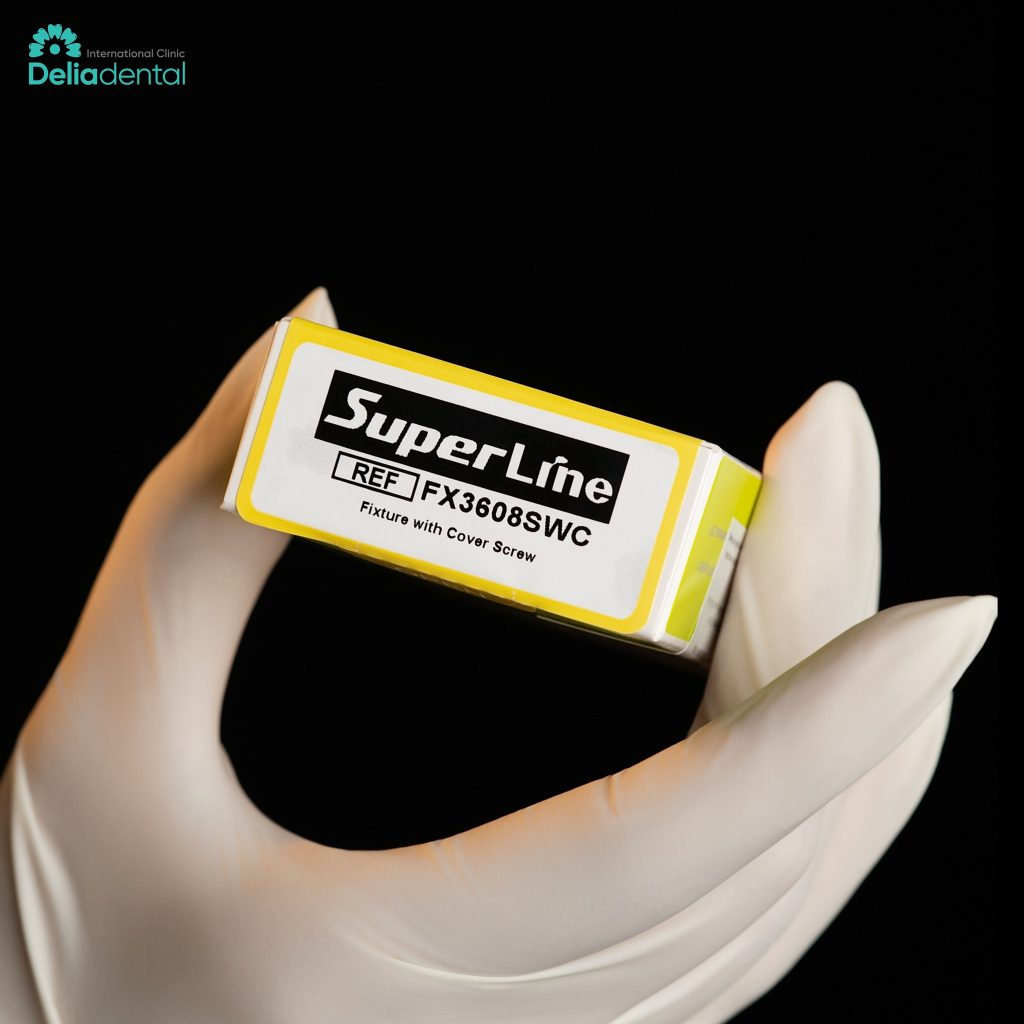
For implant cases, CBCT imaging supports the planning, and the implant system is disclosed so you can compare it against other quotes. Patients can ask to see the unopened implant packaging and check the brand codes on the manufacturer’s website before agreeing to treatment. For cosmetic cases, Digital Smile Design and a mock-up let you review the proposed result before anything is finalized.
Written warranty documentation is provided, and your dentist at home can use these records for routine checkups and maintenance. The English-speaking team stays in contact for remote follow-up during the healing period, and for the second visit the team confirms the case is ready before you book the return flight. If you already have a US quote, start from the booking page and mention it so the first review can compare like for like.
Book a free online consultation here.
Frequently Asked Questions
Can My US Dentist Maintain an Implant Placed in Vietnam?
Often yes, provided they can identify the system. Routine maintenance such as checkups, cleanings and X-rays does not depend on where the implant was placed. What matters is that your dentist knows the brand, size and connection type, because parts must match if a crown screw loosens or a component needs replacing. Ask Delia Dental Clinic for the written warranty documents and treatment records, including the implant system used, before you leave. Some repairs may still be best handled by the placing clinic, so ask early which issues can be managed remotely and which need a return visit. It also helps to tell your US dentist about your plan before treatment starts, since comfort with a given system varies.
How Can I Verify the Implant Brand Before Treatment?
Ask to see the unopened implant packaging before surgery and check the brand and product codes against the manufacturer’s official website. Delia Dental Clinic allows patients to request this as part of planning. Warranty cards may also include a QR code that lets you check details online, although the format depends on the system. Keep photos of the packaging and the final documents in one place so your US dentist can refer to them later. The same check is worth asking of any clinic in any country, including Mexico. If a clinic will not show the packaging or name the brand, that is a reason to pause before committing.
Do Implant Cases Really Need Two Trips?
Many do. The first trip usually covers assessment, imaging, surgery and a temporary restoration where suitable. A healing period, commonly around three to six months, follows before the second trip fits the final crown or prosthesis. Cases involving bone grafting may need longer or an additional visit, which is judged from CBCT imaging. The second trip can often be rescheduled if the coordinator is told in advance. Two trips mean two long-haul flights, which is the biggest reason to model total cost before choosing between Vietnam and Mexico, while crowns and veneers often fit into a single trip.
What Should I Compare if I Already Have a Quote From a Mexican Clinic?
Compare the two quotes line by line. Confirm the implant brand and system, whether the abutment and final crown are included, and whether imaging, extractions and grafting are listed. Ask for the warranty in writing and check which parts it covers, since the fixture, crown and prosthesis are often covered separately. Then add travel for the number of trips each plan needs. You can send both quotes with your X-rays to Delia Dental Clinic so the team can point out gaps, although any estimate stays preliminary until an examination. A much lower headline price often reflects a narrower scope, so check inclusions before deciding.
Are the Prices in This Article Final Quotes?
No. They are standard prices in USD and they are not promotional prices. Implant prices cover the post and abutment only, and crown and veneer prices are per tooth with the inclusions listed above. Additional treatment such as root canal work, grafting or sinus augmentation is case dependent and billed separately when needed. A remote review gives a preliminary estimate, and the final itemized quote is confirmed after an in-person examination and suitable imaging. Time-limited promotions are not included here, so confirm current pricing with the team before placing a deposit.
Choosing Between Vietnam and Other Destinations
If you are still weighing the options, these articles cover how the process works for US patients, what to check about safety, how to read a quote and how warranties are split.
- Dental Tourism in Vietnam for USA Patients: Cost, Safety and Travel Planning
- Are Dental Implants in Vietnam Safe for Foreigners?
- Is a CBCT Scan Required Before Every Dental Implant in Vietnam?
- How Do You Know If Your Vietnam Dentist Is a Specialist or a General Dentist?
Final Thoughts
Send your X-rays, dental photos or current US quote via WhatsApp or Messenger before booking flights, and the team can suggest a preliminary direction for Hanoi or Ho Chi Minh City.


