
You may be able to travel alone to Vietnam for major dental work, but the answer depends on more than whether you are comfortable flying and staying in a foreign country by yourself.
A solo dental trip also means managing airport arrival, hotel access, clinic appointments, medication, suitable meals and the first days of recovery without a family member or friend beside you. The treatment itself matters, but so do sedation, medical history, mobility, communication and the timing of the return flight.
There is also an important distinction between travelling alone and being discharged alone. A patient may be capable of making the overall trip independently but still need a responsible adult escort after sedation or extensive surgery. This guide explains when solo dental tourism in Vietnam may be practical, when additional support should be arranged and when travelling with a companion may be the safer option.
Quick Answer
You may be able to travel alone to Vietnam for dental work, but the decision depends on the procedure, sedation, medical history and ability to manage the first recovery days. Solo travel is different from solo discharge: some patients can make the trip independently but still need a responsible adult escort after sedation.
Can You Travel Alone for Dental Treatment in Vietnam?
Many international patients can manage a dental trip to Vietnam without bringing a companion. This is more likely when the treatment is predictable, the patient remains alert and mobile, and transport, accommodation and clinic communication have already been arranged.
However, “travelling alone” can mean several different things. One patient may fly alone but have a local friend meet them after surgery. Another may rely on clinic-arranged airport transport while independently managing the rest of the trip. A third may have no local contact and plan to return to an empty hotel room immediately after extensive treatment.
These situations do not carry the same level of support.
A companion is usually a friend or family member who travels with the patient and can provide practical help throughout the trip. A responsible adult escort has a more specific role: receiving the patient after sedation, accompanying them to the hotel and, when instructed, remaining available during the early recovery period.
A clinic coordinator can organise appointments, communicate treatment information and help resolve logistical questions. A driver can provide transport. Neither should automatically be assumed to replace a responsible escort or a person capable of observing the patient after treatment.
The distinction becomes particularly important when sedation is involved. The current American Dental Association guidelines for sedation and general anaesthesia require the dentist to assess recovery before discharge and provide postoperative instructions to the patient and, where applicable, the escort or caregiver.
Before booking a solo trip, ask the clinic what type of anaesthesia or sedation is expected and whether you will be allowed to leave without a responsible adult. Do not assume that a taxi, airport driver or hotel employee will satisfy the clinic’s discharge requirements.
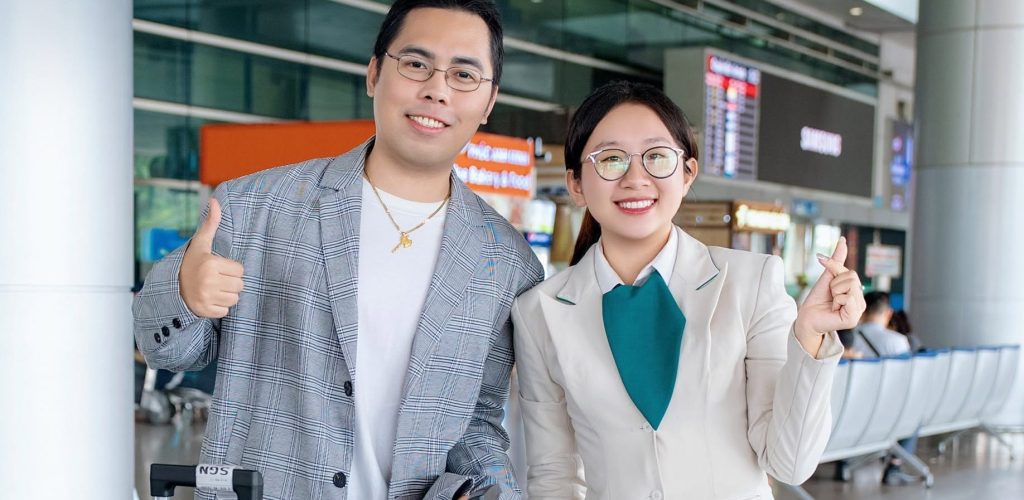
How Does the Treatment Type Change the Support You Need?
The name of the procedure provides a starting point, but it does not decide solo suitability by itself. The amount of surgery, sedation, medical condition and ability to function after treatment can make two apparently similar cases very different.
Restorative treatment
Consultations, scans and non-surgical appointments are usually easier to manage alone because they should not significantly affect mobility or alertness. A single crown, veneer or uncomplicated root canal may also be practical for an independent traveller when no relevant sedation is used.
Multiple crowns, veneers or full-smile rehabilitation require more planning even when surgery is not involved. The patient may have several appointments for preparation, temporary restorations, trial fitting, aesthetic changes and bite adjustment.
Temporary crowns or veneers can sometimes feel unfamiliar, and a larger restoration may need additional laboratory changes before final placement. A solo patient should therefore stay close enough to the clinic to return without difficulty and should not book the departure flight immediately after the expected final fitting.
Eating can also require adjustment if many teeth have been prepared or if the gums are temporarily tender. This may not require a full-time companion, but it does mean arranging suitable food, understanding what to avoid and knowing who to contact if a temporary restoration loosens.
For this type of treatment, travelling alone may be practical when the patient communicates confidently, follows instructions and has enough flexibility in the schedule for an extra review. The decision becomes less straightforward when the patient has significant dental anxiety, a complicated medical history or a treatment plan that may change after examination.
Implant surgery, extractions and bone grafting
A single uncomplicated implant or limited extraction may still be manageable for a solo traveller, particularly when local anaesthetic is used and the patient is otherwise healthy. The treatment plan must nevertheless account for transport, medication, food and early postoperative symptoms.
Swelling, bleeding, discomfort and tiredness can make routine tasks more difficult. Even if a patient is medically fit for discharge, they may not want to search for a pharmacy, navigate an unfamiliar neighbourhood or arrange meals after returning to the hotel.
The need for support increases when treatment includes several implants, multiple extractions or bone grafting. A larger surgical area can produce more swelling and a greater practical burden during the first recovery period. The patient may also have sutures, a temporary restoration or specific instructions that require another appointment before departure.
A sinus lift needs separate consideration because the procedure involves the maxillary sinus. The surgeon may provide specific precautions about nose blowing, pressure changes and flying. Solo travel should not be planned around a general implant recovery timeline if sinus surgery is also involved.
Patients can read the separate guide explaining how soon to fly after dental implant surgery. The return date should be based on the complete procedure, early recovery and the treating surgeon’s review rather than a fixed number of days copied from another patient.
All-on-4, All-on-6 and extensive full-mouth treatment
All-on-4, All-on-6 and other full-arch procedures require the most careful solo travel assessment. These cases may combine multiple extractions, implant placement, temporary teeth, a changed bite and a restricted diet within the same treatment stage.
Some patients remain relatively comfortable and independent after treatment. Others experience enough swelling, fatigue or difficulty eating to make the first days challenging without assistance. The outcome cannot be predicted from an online quote alone.
Temporary fixed teeth also need to be distinguished from the definitive prosthesis. The provisional bridge may require adjustment after the patient begins speaking and chewing. A patient travelling alone should know when the first postoperative review will occur and how quickly they can return if the temporary teeth feel unstable, interfere with the bite or become difficult to clean.
Sedation is another deciding factor. If the full-arch procedure involves a level of sedation that requires an escort, solo discharge may not be permitted even if the patient feels capable of returning to the hotel independently.
Medical conditions can further change the decision. Diabetes, anticoagulant medication, cardiovascular disease, limited mobility or a history of adverse reactions may create additional monitoring or medication-planning needs. A companion is not a substitute for professional care, but their presence may help with transport, communication and practical recovery tasks.
Travelling alone for full-arch treatment should therefore be confirmed only after the surgical scope, sedation plan, medical assessment and early follow-up schedule are clear.
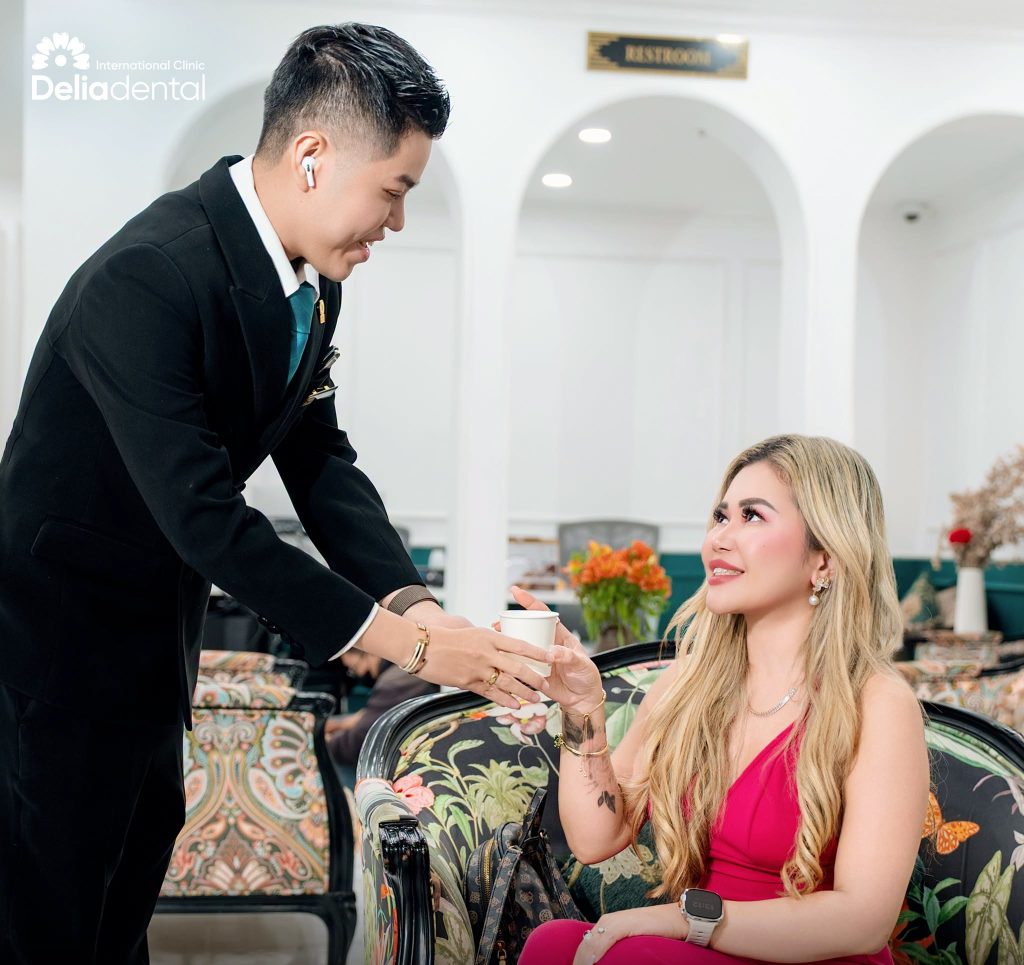
When Is Travelling Entirely Alone Not Appropriate?
Travelling entirely alone may not be appropriate when the procedure requires an escort, the patient cannot independently manage basic recovery tasks or there is no realistic way to obtain help if the plan changes.
Sedation is one of the clearest reasons. If the clinic requires a responsible adult to receive the patient and remain available after treatment, a taxi driver or hotel booking does not solve the problem. The patient may still fly to Vietnam alone, but a suitable local escort must be arranged and accepted by the treating clinic.
Medical or functional limitations can also make solo recovery impractical. A patient with reduced mobility, poor vision, hearing difficulties, cognitive impairment or a condition requiring close medication coordination may need help even if the dental procedure itself is straightforward.
Severe anxiety should not be dismissed as a minor issue. A patient who becomes overwhelmed during medical appointments may find it difficult to process changes to the treatment plan, remember instructions or make decisions after a long procedure. Bringing someone trusted can improve communication without replacing informed consent or clinical judgment.
The scale of surgery matters as well. Several extractions, grafting and full-arch implant placement create a different recovery burden from one crown or a diagnostic visit. If eating, speaking or moving around may be significantly affected, the patient should discuss whether clinic coordination and hotel support are enough or whether a companion is advisable.
Finally, an inflexible return ticket can make a solo trip less safe. If there is no ability to stay for an additional review or delay the flight when recovery changes, the plan depends too heavily on everything proceeding exactly as expected.
Needing a companion does not mean the patient is incapable of independent travel. It means the treatment or recovery creates a task that cannot be covered adequately by transport and remote communication alone.
How Does Delia Dental Clinic Support International Patients Travelling Alone?
Delia Dental Clinic can help reduce the logistical uncertainty of a solo dental trip, but the support available should be confirmed for the individual treatment plan. Clinic coordination does not automatically replace a companion, responsible adult escort or emergency medical care.
Planning before the patient travels
International patients can send dental photographs, recent X-rays, existing CBCT files, medical information and another clinic’s treatment plan before booking. This allows Delia Dental Clinic to provide an initial treatment direction, identify records that may still be needed and estimate whether the case is likely to require one or more treatment stages.
The patient should tell Delia Dental Clinic that they intend to travel alone. The coordinator can then clarify the likely appointment pattern, suggested length of stay and whether the proposed treatment or sedation plan may create an escort requirement.
Remote planning cannot confirm every procedure. The final treatment scope, cost and schedule may change after clinical examination and appropriate imaging at the clinic. Solo patients should therefore avoid building a return flight around the shortest possible estimate.
Delia Dental Clinic operates clinics in Hanoi and Ho Chi Minh City. Patients should confirm which location will provide their treatment before booking flights and accommodation.
Airport transfer and hotel coordination
Delia currently provides complimentary private airport transfer for international patients when arranged in advance. The patient should provide the correct flight number, arrival airport, date, time, luggage information and hotel or clinic destination.
The exact transfer route should be confirmed. An airport pickup does not automatically mean that all later journeys between the hotel and clinic are included.
Delia Dental Clinic can also recommend or help coordinate accommodation near the clinic. Hotel cost should only be considered included when the written treatment package states this clearly. A solo patient should ask about distance from the clinic, reception hours, accessibility, nearby food options and how to arrange transport for appointments.
More detail on standard and package-specific services is available in the guide to what Delia Dental Clinic includes in a dental trip.
Communication during treatment and recovery
Delia provides English-speaking coordination for international patients. The patient should receive an appointment schedule and explanations of the proposed treatment, possible changes, recovery requirements and next clinical review.
After treatment, medication instructions and aftercare should be provided clearly. If the patient needs help locating medication or arranging transport, they should ask what the clinic can coordinate rather than assuming these services are automatically included.
Delia Dental Clinic’s coordinator remains a point of contact, but this should not be interpreted as private nursing care or overnight observation at the hotel. If daily proactive check-ins are important to the patient, their frequency and method should be confirmed before the procedure.
If the planned sedation requires a responsible adult escort, the patient must ask whether they need to arrange that person independently. Clinic transport or a coordinator should not be treated as an accepted escort unless Delia Dental Clinic confirms that the arrangement meets the clinical discharge requirement.
Final review and support after returning home
Before departure, the patient should complete any required final review. Depending on the treatment, the dentist may need to assess healing, sutures, temporary restorations, bite contacts or the stability and cleanliness of a provisional bridge.
Patients should receive relevant treatment documentation and written aftercare information. Implant patients also need the available implant system and component details so a home dentist can understand what has been placed.
After the patient returns home, Delia Dental Clinic can provide remote follow-up and communicate with a local dentist when records or clarification are needed. Remote communication can help review reported symptoms and coordinate the next step, but it cannot replace urgent local care or a physical examination when one is required.
The purpose of Delia’s international patient support is to make the trip more predictable from the first record review through departure. For a solo patient, the remaining question is whether that clinic support is sufficient for the treatment being proposed or whether a companion or responsible escort must still be added to the plan.
Frequently Asked Questions
Can clinic staff act as my escort after dental sedation?
Do not assume they can. A coordinator, nurse, driver and responsible adult escort have different roles. Ask Delia or the treating clinic who qualifies as an escort and what that person must do before booking the procedure.
Is an airport-transfer driver enough after dental surgery?
A driver can provide transport but may not be able to receive postoperative instructions or observe the patient afterward. If the clinic requires a responsible adult escort, transport alone may not meet the discharge requirement.
Can my family monitor me through video calls?
Video calls can provide reassurance and help someone notice that you have missed a check-in. They cannot provide physical assistance, collect medication or take you for urgent care. Remote family contact should complement, not replace, a local support pathway.
Should I book a hotel or serviced apartment for recovery?
Choose based on distance from the clinic, reception access, lift availability, food delivery and the length of stay. A serviced apartment may provide more space or kitchen access, while a staffed hotel may offer easier assistance with transport and deliveries.
Does travel insurance cover complications from planned dental treatment?
Standard travel insurance may exclude medical tourism or complications from a planned procedure. Disclose the treatment and ask the insurer specifically about postoperative care, additional accommodation, flight changes and medical evacuation.
Can I fly home alone after All-on-4?
Possibly, once required reviews have been completed and the treating dentist agrees that recovery is stable enough for travel. The decision depends on extractions, grafting, sedation, swelling, food and fluid intake, the provisional bridge and the length of the flight.
Final Thoughts
Travelling alone to Vietnam for major dental work can be practical, but independence should not be confused with having no support plan.
The decision depends on the treatment, sedation, medical history and ability to manage transport, medication, food, communication and early recovery. Clinic coordination can make the journey considerably easier, but it does not automatically replace a responsible escort, companion, insurer or local emergency care.
Send your dental X-rays or existing CBCT files, proposed treatment plan, medical summary and travel dates via WhatsApp or Messenger. Delia Dental Clinic can review the likely treatment stages, suggested stay and support you may need before travelling alone. Ask specifically whether your procedure or sedation plan requires a responsible adult escort.


