Hearing that a crown might also involve root canal treatment is a common surprise during a dental consultation. It can make the treatment plan feel larger than expected, especially when the possibility was not mentioned in the original quote.
However, a root canal is not a routine first step for every crown. A crown restores and protects the visible part of a damaged tooth. Root canal treatment addresses disease or damage inside the tooth. Whether both are needed depends primarily on the condition of the dental pulp, not simply on how much of the tooth has broken down.
For patients planning dental treatment in Vietnam, this distinction can affect more than the procedure itself. An unexpected root canal may add appointments, change the final quote or require more time before the permanent crown is fitted. This guide explains how dentists make the decision and what should be clarified before travelling.
Quick answer
You do not automatically need a root canal before a crown. It may be recommended when the pulp is severely inflamed, infected or no longer vital. If the pulp remains healthy or can be treated conservatively, a crown may be placed without root canal treatment. Symptoms, clinical tests and suitable X-rays are considered together before the decision is made.
What A Root Canal Treats Vs What A Crown Treats
A root canal and a crown solve different problems.
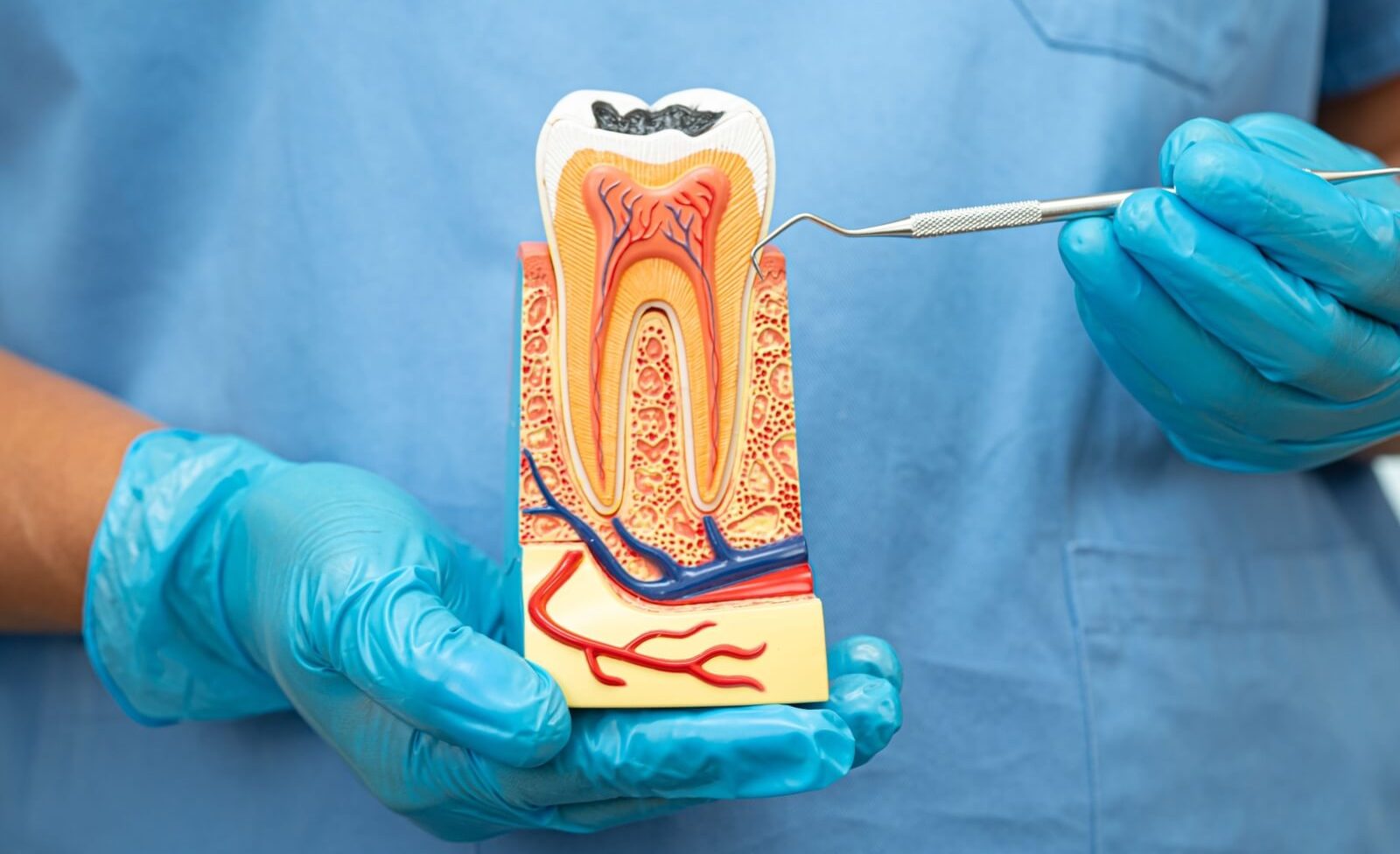
Root canal treatment addresses the tissue inside the tooth. The dentist removes damaged or infected pulp tissue, cleans and shapes the root canal system, and seals the space to reduce the risk of further infection.
A crown restores the part of the tooth visible above the gum. It covers weakened tooth structure and helps restore the tooth’s shape, strength and function. A crown may be recommended after extensive decay, a large filling, a crack, severe wear or previous root canal treatment.
Because the two procedures treat different parts of the tooth, several combinations are possible:
- A tooth may need a crown but not a root canal.
- A tooth may need root canal treatment followed by a crown.
- A root-canal-treated tooth may need a different restoration depending on its position and the amount of structure remaining.
- A tooth may be too damaged to restore predictably, even with both procedures.
The question is therefore not simply “root canal vs crown.” The dentist needs to determine what is happening inside the tooth and whether enough sound structure remains to restore it.
When Is A Root Canal Usually Needed Before A Crown?
Root canal treatment may be considered when the pulp cannot remain healthy or when the root canal system has already become infected.
The pulp is severely inflamed
Possible warning signs include:
- Spontaneous toothache without an obvious trigger
- Pain that wakes you at night
- Heat or cold sensitivity that continues after the stimulus is removed
- Pain that is difficult to locate
- Symptoms that are becoming stronger or more frequent
These symptoms can suggest significant pulp inflammation, but they do not confirm the diagnosis on their own. The dentist still needs to compare the tooth’s response with neighbouring teeth and consider the clinical and radiographic findings.
Mild or short-lived sensitivity does not automatically mean a root canal is needed. Depending on the cause and severity, the pulp may remain healthy or be managed through decay removal, a new restoration or a pulp-preserving procedure.
The pulp has lost vitality or the canal system is infected
A tooth with a necrotic pulp may not respond to cold or electrical pulp testing. It may also show swelling, a draining sinus, tenderness or changes around the root on an X-ray.
However, not every non-vital tooth causes obvious pain. An apparently quiet tooth may still require treatment if testing and imaging indicate pulp necrosis or infection.
This is one reason that being pain-free is not enough to rule out the need for a root canal before a crown.
Deep decay, a crack or trauma has affected the pulp
Deep decay can bring bacteria close to or into the pulp. Cracks may also allow irritation or infection to extend deeper into the tooth, while previous trauma can affect the pulp long after the original injury.
None of these findings automatically means the tooth needs root canal treatment. The dentist must assess:
- How deeply the decay or crack extends
- Whether the pulp is exposed or infected
- How the tooth responds to pulp testing
- Whether the crack affects the root
- How much sound tooth structure remains
- Whether the tooth can be restored predictably
In some cases, a pulp-preserving treatment may still be possible. In others, root canal treatment or extraction may be the more predictable option.
When Can A Dental Crown Be Placed Without A Root Canal?
A crown without root canal treatment may be suitable when the pulp is healthy and the main problem involves the outer structure of the tooth.
Examples may include:
- A tooth with a large filling but normal pulp responses
- A worn or fractured tooth without evidence of internal infection
- A cracked tooth whose pulp remains healthy
- A tooth that needs cuspal protection after structural damage
- Decay that can be removed without leaving an irreversibly damaged pulp
- A tooth being reshaped for restorative reasons while the pulp remains clinically healthy
Crown preparation alone is not a reason to remove a healthy pulp.
Dentists normally aim to preserve healthy tissue where possible. Root canal treatment adds intervention inside the tooth and should have a clinical indication rather than being performed simply because a crown is planned.
That said, a healthy response before treatment does not guarantee that a tooth will never develop pulp problems later. Deep decay, old restorations, cracks and the amount of tooth preparation can all influence the risk. The purpose of the pre-treatment assessment is to make the most appropriate decision using the information available at that time.
How Does A Dentist Decide Before Preparing The Tooth?
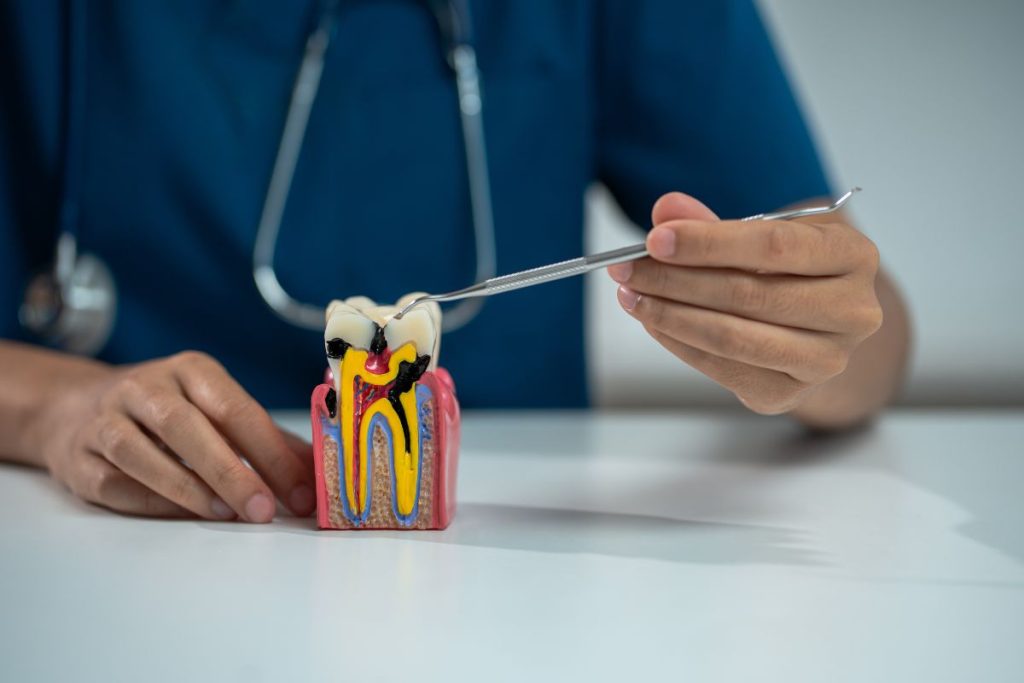
A reliable diagnosis is based on several findings rather than one symptom or one X-ray.
| Assessment | What it helps determine |
| Symptom history | Whether pain is spontaneous, brief, lingering, temperature-related or triggered by biting |
| Cold, heat or electrical pulp testing | How the tooth responds compared with neighbouring or control teeth |
| Percussion and palpation | Whether tissues around the root appear inflamed or tender |
| Bite testing | Whether a crack or pressure-related problem may be involved |
| Clinical examination | The condition of existing fillings, decay, cracks, gums and remaining tooth structure |
| Dental X-rays | Decay depth, previous treatment and changes around the root |
| Previous records | Whether radiographic findings or symptoms have changed over time |
| Examination after removing old restoration | Damage that may have been hidden beneath a filling or existing crown |
The tests also need to be interpreted together.
For example, a large filling does not automatically mean the pulp is diseased. Conversely, an X-ray that does not show a dark area around the root does not always rule out pulp disease, particularly during its earlier stages.
Current diagnostic guidance from the American Association of Endodontists and European Society of Endodontology also recognises a range of pulp conditions. Not every inflamed pulp requires complete root canal treatment; the recommended management depends on the severity, cause and combined diagnostic findings.
Can An X-Ray Confirm The Need For A Root Canal Before You Travel?
An X-ray can provide useful information before a dental trip, but it cannot always give a definite answer.
It may show:
- Deep decay approaching the pulp
- An existing root canal
- Changes in the bone around the root
- Large fillings or crowns
- Previous posts or core buildups
- Some fractures or structural problems
- Whether the tooth appears restorable
Dental photographs can help show broken restorations, visible decay and the general condition of the tooth. They cannot show pulp vitality or the full extent of damage beneath an existing restoration.
A remote review also cannot reproduce cold testing, percussion, bite testing, periodontal probing or a hands-on crack assessment. For that reason, an assessment made before travel should distinguish between:
- A root canal that appears likely
- A root canal that is possible but not confirmed
- A crown that currently appears possible without root canal treatment
- A tooth whose prognosis cannot be established from the available records
This distinction helps patients understand which part of a preliminary quote is confirmed and which part may change after the in-person examination.

How Can Root Canal Treatment Affect A Crown Trip To Vietnam?
If root canal treatment is confirmed before the crown is made, both procedures may still fit within the same dental trip. However, this should not be assumed before the tooth has been examined.
The additional treatment may affect the trip by:
- Adding diagnostic or treatment appointments
- Requiring one or more root canal sessions
- Creating a need for a core buildup or post
- Changing the crown preparation schedule
- Adding temporary-crown stages
- Requiring an endodontic specialist for a complex case
- Leaving less time for final fitting and bite adjustments
- Making a buffer day before the return flight more important
The root canal, crown and laboratory work should be coordinated as one plan. Patients should avoid scheduling the final fitting immediately before departure when the diagnosis remains uncertain or the tooth is still symptomatic.
For a broader price breakdown, see Dental Crown Cost in Vietnam. The guide to how many days dental crowns take in Vietnam explains the usual restorative appointments and the factors that can extend a trip.
How Delia Dental Clinic Reviews Crown Cases Before Travel
International patients can send dental photographs, recent X-rays, treatment records or an existing quote to Delia Dental Clinic through WhatsApp or Messenger before travelling.
This remote review can help identify:
- Teeth that appear likely to need crowns
- Signs that a root canal may already be required
- Teeth that need further pulp or crack assessment
- Possible additional items such as a core buildup or post
- Questions that cannot be answered until the existing restoration is removed
- The likely number of appointments and suggested travel buffer
The review remains preliminary. The final decision on a root canal before crown treatment should be made after an in-person examination, appropriate pulp and periapical tests, and suitable imaging.
Delia Dental Clinic supports international patients through its Hanoi and Ho Chi Minh City branches. The written plan should make it clear whether root canal treatment is confirmed, excluded based on the current findings or retained as a possible additional procedure.
FAQ
Does every dental crown require a root canal?
No. A root canal is based on the condition of the pulp and root canal system, not simply on whether the tooth needs a crown. Many crowns are fitted over teeth with healthy pulp.
Can I have a root canal and crown during the same trip?
Often, yes. The number of appointments depends on the tooth, the complexity of the root canal, symptoms, the amount of structure remaining and the crown laboratory schedule. A same-trip plan should still allow enough time for diagnosis, treatment and final adjustments.
Can a dentist diagnose the need for a root canal from an X-ray alone?
Not reliably in every case. An X-ray may show deep decay or changes around the root, but the diagnosis usually also considers symptoms, clinical examination, pulp testing and periapical tests.
Does crown preparation kill the tooth nerve?
Not automatically. Most teeth do not lose pulp vitality simply because they are prepared for crowns. However, teeth with deep decay, cracks, large restorations or previous pulp damage may have a greater risk of symptoms or pulp complications.
Is a post always needed after root canal treatment?
No. A post is mainly used to retain a core when there is not enough remaining tooth structure. It is not a compulsory step for every root-canal-treated tooth.
Can a root canal be performed through an existing crown?
Sometimes. The dentist may create an access opening through the crown and restore it afterward. Whether the crown can be retained depends on its material, fit, condition, access position and the underlying problem.
Can a tooth need a root canal even if it does not hurt?
Yes. A necrotic or infected pulp may produce little or no pain. Pulp testing, clinical examination and imaging may identify a problem that symptoms alone do not reveal.
Final Thoughts
Needing a crown does not automatically mean needing a root canal. The crown restores the outside of the tooth, while root canal treatment is considered when the tissue inside the tooth is severely damaged, non-vital or infected.
The decision should be based on a complete diagnosis rather than pain alone, the size of an old filling or one X-ray. For international patients, identifying uncertainty early also makes the quote and travel schedule more realistic.
Send your dental photographs, recent X-rays, treatment records or existing crown quote to Delia Dental Clinic via WhatsApp or Messenger. The team can provide an initial crown and travel review before the final plan is confirmed at the Hanoi or Ho Chi Minh City branch.


