
The immediate concern after dental implants surgery is finding meals that are nourishing and satisfying without disturbing the surgical site. A proper diet during the initial recovery window supports soft tissue closure, reduces the risk of post-operative bleeding, and protects the healing implant from unwanted mechanical pressure.
Vietnam offers an exceptional variety of soft culinary options, making it a comfortable place to recover after treatment. However, piping-hot serving temperatures, aggressive spices, and chewy ingredients can irritate delicate gums or place excessive force on healing implants. Understanding the post-operative diet timeline allows international patients recovering in Hanoi or Ho Chi Minh City to enjoy local flavors safely while protecting their clinical outcome.
Quick Answer
After dental implant surgery, liquid and soft foods at room temperature are safe for the first 24 to 48 hours. Warm broths and soft noodles can be introduced on days 3 to 7 as surgical sites heal. Solid or crunchy foods must be avoided until osseointegration is confirmed.
The Dental Implant Diet Timeline: From Surgery to Osseointegration
Post-operative recovery follows a predictable biological sequence. Blood clot stabilization, soft tissue healing, and osseointegration, the process where jawbone fuses with the titanium implant post—each require specific dietary precautions to ensure stability.
Days 1–2: Liquids and Smooth Cold Foods
The first 48 hours require a cool, smooth diet to encourage blood clot formation and prevent localized bleeding. Smoothies, protein shakes, cooled broths, yogurt, and room-temperature water are ideal choices during this initial window. Keeping food temperatures low helps soothe the surgical area and minimizes post-operative swelling.
A crucial safety rule during these first two days is to never drink through a straw. The suction required to use a straw creates negative pressure inside the oral cavity, which can easily dislodge the stabilizing blood clot from the surgical site. Dislodging this clot disrupts the early healing process, leading to renewed bleeding or a painful condition known as dry socket.
Days 3–7: Soft, Non-Chewy Warm Foods
From day three onward, initial soft tissue closure begins, allowing patients to transition from cold liquids to warm, soft foods. Lukewarm soups, blended rice porridges, soft scrambled eggs, mashed potatoes, and silk tofu become safe and comforting additions to the daily diet.
Temperature caution remains essential throughout the first week. All meals should be served lukewarm or at room temperature rather than steaming hot. High heat causes vasodilation, the widening of blood vessels, which increases blood flow to the surgical area and can trigger throbbing discomfort or localized swelling.
Weeks 2–4: Soft Solid Foods (Fork-Tender)
Between weeks two and four, the surgical incision matures, and patients can gradually introduce soft solids that require minimal chewing effort. Steamed white fish, thoroughly cooked noodles, soft-boiled vegetables, and tender minced meats provide necessary protein and nutrients while keeping mechanical stress low.
Chewing mechanics must be managed carefully depending on the type of restoration received. For single implants, patients should chew exclusively on the non-operated side of the mouth to keep direct pressure off the healing site. For full-arch temporary bridges, patients must avoid biting directly into food using their front teeth and maintain a soft-food diet to prevent vertical pressure on the temporary restoration.
Months 2–6: The Osseointegration Healing Phase
While soft tissues heal within a few weeks, the underlying bone integration process takes three to six months, depending on bone density and individual healing factors. Maintaining a soft-to-moderate diet throughout this extended phase protects the implant post while it permanently anchors into the jawbone.
Certain foods must remain off-limits until your dentist completes a clinical examination and fits your final permanent crowns or full-arch bridge. Crusty bread, hard nuts, ice, hard candy, and tough cuts of meat exert lateral forces that can disturb the implant post before osseointegration is complete.
How to Safely Enjoy Vietnamese Soft Dishes After Surgery
Vietnam’s food culture is famous for its rich broths and noodle dishes, many of which can be adapted into excellent recovery meals for visiting patients.
Eating Soups and Broths After Dental Implants: Temperature and Spice Rules
Vietnamese noodle broths, such as Pho or Hu Tieu, provide essential hydration and nutrients, but standard serving methods require minor modifications. Traditional broths are served boiling hot, so patients should always let the bowl cool down to a lukewarm temperature before eating.
Seasoning adjustments are equally important when enjoying local broths. Patients should request their meal without fresh chili, raw garlic, or heavy black pepper. Spicy and acidic compounds irritate healing gum tissue, trigger localized inflammation, and cause discomfort at the surgical incision line.
Rice Porridges (Chao): The Ideal Recovery Meal in Hanoi and HCMC
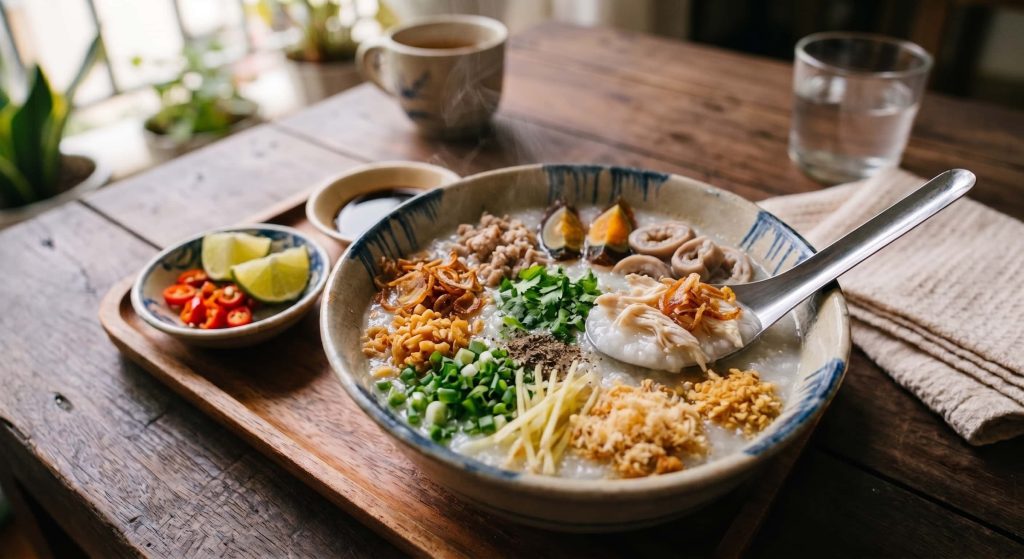
Vietnamese rice porridge, known locally as Chao, is one of the safest and most satisfying options for international patients recovering in Hanoi or Ho Chi Minh City. It requires zero chewing effort, is gentle on the digestive system, and can be found easily across both cities.
When ordering Chao, choose smooth porridges topped with soft shredded chicken or finely minced pork. Patients should skip crunchy toppings like fried dough sticks (Quay), roasted peanuts, or chewy organ meats during the early recovery days, as these require heavy chewing or leave small fragments that can lodge near the implant site.
Foods Risk for Dental Implant Recovery
Selecting the right texture and temperature helps prevent mechanical trauma and surgical complications.
| Food Category | Risk Factor | Safe Alternative |
| Piping Hot Broths | Vasodilation, throbbing, and increased bleeding risk | Lukewarm or room-temperature broths |
| Chili, Raw Garlic & Pepper | Tissue irritation and mucosal inflammation | Mild, non-spicy savory seasonings |
| Nuts, Seeds & Crusty Bread | Mechanical trauma and food wedging in incision lines | Smooth rice porridges, mashed potatoes, and silk tofu |
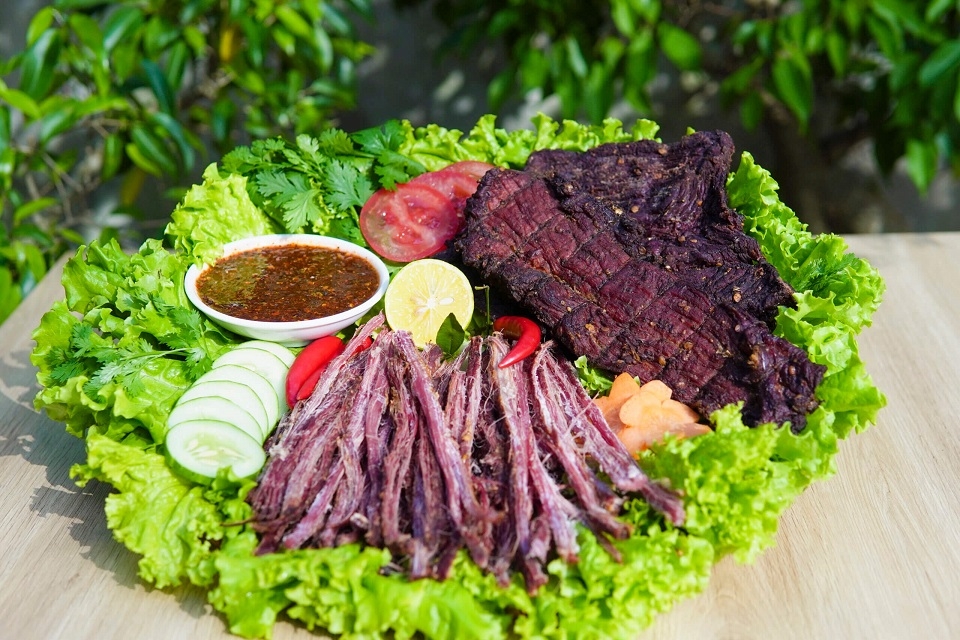
| Chewy Meats (Beef Tendon, Hard Cuts) | Excessive implant torque and bridge pressure | Steamed white fish, soft scrambled eggs, and tender minced meat |
How Delia Dental Clinic Supports Your Recovery Stay
Delia Dental Clinic structures international treatment itineraries to ensure patients feel fully supported throughout their recovery stay in Vietnam. English-speaking international patient coordinators remain available via WhatsApp or Messenger to answer recovery questions while you are at your hotel in Hanoi or Ho Chi Minh City.
Clinics provide curated recommendations for soft-dining options and delivery services located near the clinic facilities in both cities, taking the stress out of finding suitable meals. Prior to departure, patients receive a thorough clinical review, personalized aftercare instructions, and digital records to take home to their local dentist.
Frequently Asked Questions
Can I eat Pho broth the day after dental implant surgery?
Pho broth can be consumed the day after surgery provided it is allowed to cool down to a lukewarm or room temperature and is prepared without chili, raw garlic, or black pepper.
What should I do if food particles get trapped near my implant site?
If food particles settle near the surgical site, rinse gently with warm salt water or a prescribed mouthwash. Avoid using toothpicks, water flossers, or vigorous swishing, as these can disturb healing tissue.
How long after dental implants can I return to a normal diet?
Return to a normal diet depends on your specific treatment plan. Single implant cases usually allow a gradual return to normal foods after soft tissue healing in two to three weeks, whereas full-arch temporary bridges require a soft-food diet throughout the three-to-six-month osseointegration period.
Final Thoughts
Adhering to a safe, soft-food diet during early recovery is one of the most effective ways to protect your investment in dental implants. By keeping temperatures mild, avoiding hard or sticky textures, and honoring the biological timeline of osseointegration, you give your body the best environment for predictable healing.
If you have questions about your post-operative diet, notice unusual sensitivity after eating, or want a remote review of your healing progress while recovering in Hanoi or Ho Chi Minh City, send a quick update or photo to Delia Dental Clinic via WhatsApp or Messenger for guidance from our care team.


