It is the second evening after your implant surgery. The hotel room is quiet, the tablets from the clinic are nearly gone, and the ache along your jaw is a little stronger than it was at lunch. A pharmacy two streets away is still open, and the question is whether to walk in and buy pain relief, antibiotics or ask your dentist first.
Most of the medicine you need after dental surgery in Vietnam comes from your treating dentist’s prescription. Pharmacies in Hanoi and Ho Chi Minh City sell a wide range of products, but a pharmacy counter does not know your surgery, your medical history or your allergies.
Pain relief and antibiotics are two separate questions. Everyday painkillers are used after most surgical cases, while antibiotics are prescribed according to the case rather than by default.
This article explains what dentists usually prescribe, what else helps recovery, how pharmacies work for visitors, and which symptoms mean you should contact the dentist instead of taking another tablet.
Quick Answer
Dentists usually prescribe a simple painkiller such as paracetamol or ibuprofen and, depending on the case, a short course of antibiotics and an antiseptic mouthrinse. Take them exactly as prescribed, tell the dentist about allergies and regular medicines, and ask before buying extra antibiotics or painkillers at a pharmacy.
What Do Dentists Usually Prescribe After Dental Surgery?
Most patients leave the clinic with a painkiller, often an antiseptic mouthrinse, and sometimes an antibiotic. What you receive depends on the procedure, your health and what the dentist found during surgery. Doses are not listed here, because the correct amount depends on age, weight, kidney and liver function and the other medicines you take.
Pain Relief
Paracetamol (called acetaminophen in the United States) and ibuprofen are the two most common options. Medical Tourism Magazine notes that mild to moderate pain after implant surgery is commonly managed with these medicines. Vietnamese dental clinics describe a similar pattern in their patient guides: discomfort is usually strongest in the first days and eases over roughly three to five days, and the dentist prescribes a painkiller to cover that period.
A single implant usually feels milder than a case with bone grafting or a sinus lift, where swelling and tenderness tend to be greater. Stronger painkillers are used only when the dentist decides they are needed. If pain lasts five to seven days without easing, Vietnamese clinic guides consistently advise going back to the dentist for a check.
Antibiotics
Antibiotics are not a fixed part of every implant or extraction case. In straightforward cases, some dentists give a single dose around the time of surgery, while others prescribe a short course. Longer courses are more likely with bone grafting, sinus work, an existing infection or a health condition that slows healing.
If you are given a course, finish it as written. Stopping early or adding extra days on your own both cause problems. If you are allergic to penicillin, say so before surgery so the dentist can choose a different antibiotic.
Mouthrinse
Many dentists prescribe a chlorhexidine mouthrinse, or advise gentle saline rinses, to keep bacteria down around the wound. It is used for the period the dentist specifies, because prolonged use can stain teeth. Rinse gently and let the water fall out of your mouth instead of spitting hard.
What Else Helps You Recover Comfortably?
Medicine is only part of recovery. Vietnamese clinic and hospital guides repeat the same habits, and they are worth knowing because they reduce how much painkiller you need.
In the first 24 hours, a cold pack on the cheek over the surgical area for about 20 minutes, then 20 minutes off, helps with swelling. Light oozing in the first hours is normal and usually settles when you bite on clean gauze for about an hour. Avoid hard exercise for the first day or two, and avoid very hot, very cold, spicy or sour food for the first two to three days. Choose soft food once the numbness has gone, brush gently with a soft toothbrush, and keep away from smoking, which slows healing. Sleeping with your head slightly raised, on the side away from the surgery, also takes pressure off the area.
Your dentist’s written instructions come first. They may differ from the general advice above, particularly after grafting or sinus surgery.
What Should You Know About Pharmacies in Vietnam?
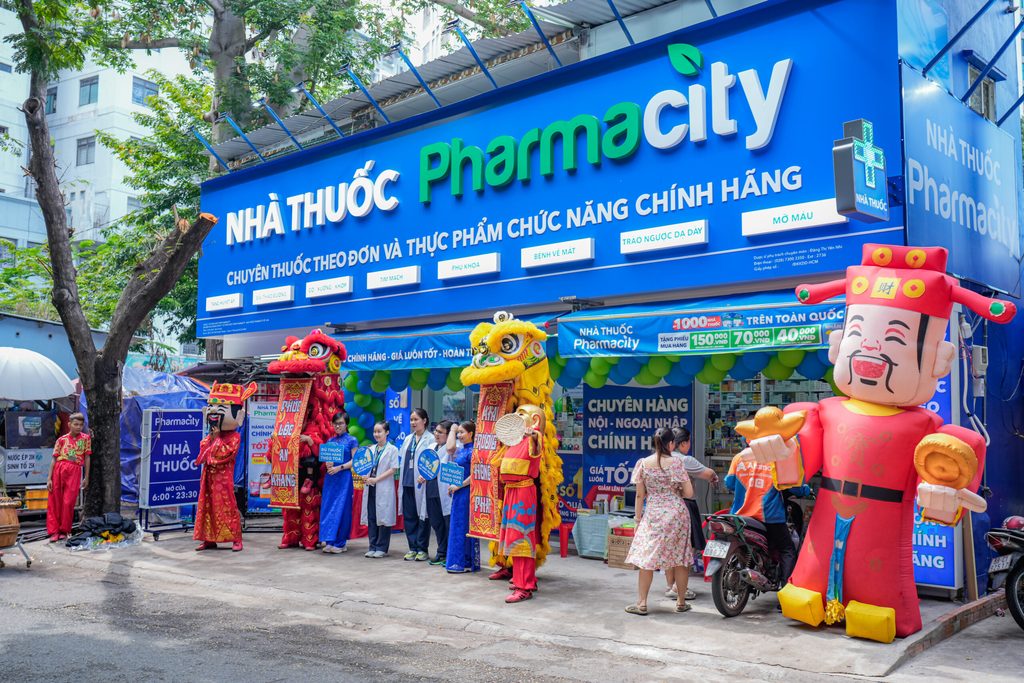
Pharmacies are easy to find in both cities, and the active ingredient is normally printed on the box. Staff may speak limited English, so reading the ingredient is more reliable than relying on a brand name.
Vietnamese rules say antibiotics should be sold only with a doctor’s prescription. In practice, WHO Vietnam reports evidence that most pharmacies sell antibiotics without one, even though this is prohibited. Being able to buy an antibiotic does not mean it suits your surgery. A wrong choice may not prevent infection, may contain a penicillin you are allergic to, and can partly hide the early signs of a problem.
If you need to buy something, show a photo of your prescription, state your allergies, and keep the box. A pharmacist can help you avoid doubling up on paracetamol, which appears in many cold and flu products. What your surgery requires still belongs to your dentist.
Bring your regular prescription medicines in their original packaging, with a short English list of medicines, doses and allergies. Delia Dental Clinic’s guide to medical records to prepare before a dental trip covers what is worth sending ahead. Rules for carrying medicines across borders vary by country, and controlled medicines such as strong painkillers can face restrictions, so check official sources for Vietnam and your home country before packing.
Which Medicines Need a Check Before You Take Them?
A medicine that is harmless on its own can cause problems after surgery, so a short question to the dentist is worth it. The combinations below come up most often:
- Aspirin, warfarin and newer blood thinners, which can increase bleeding at the surgical site
- Ibuprofen for people with stomach ulcers, kidney disease, NSAID triggered asthma or certain blood pressure medicines
- Paracetamol hidden in cold and flu products, which makes accidental overdose easier
- Penicillin type antibiotics for anyone with a past reaction
- Alcohol, which slows healing and reacts badly with some antibiotics
Never stop a prescribed medicine such as a blood thinner or insulin on your own. If a change is needed, it should be agreed with the doctor who prescribed it.
When Is Pain or Swelling More Than Normal Recovery?
Recovery should trend in one direction: better. Swelling commonly peaks within the first two to three days, then eases. Pain that rises after day three, or that painkillers no longer touch, is a reason to contact the dentist instead of increasing the dose. Persistent symptoms can point to early complications, and Delia Dental Clinic’s article on common causes of dental implant failure explains what dentists look for.
| Level | What it looks like | What to do |
|---|---|---|
| Expected | Dull ache easing day by day, swelling peaking in days two to three, light oozing in the first hours | Follow the prescription and the dentist’s instructions |
| Contact the dentist | Pain increasing after day three, swelling growing, bad taste or pus, fever, bleeding that continues after an hour of firm pressure, numbness that does not fade, a rash after a new medicine | Contact the clinic the same day |
| Urgent | Swelling spreading toward the eye or neck, trouble breathing or swallowing, hives or facial swelling after a tablet | Seek emergency care immediately; in Vietnam the ambulance number is 115 |
Photos and messages help a dentist judge what to do next, but they cannot confirm a diagnosis. A swelling that looks mild in a photo can still need an examination.
How Delia Dental Clinic Approaches Medication Questions
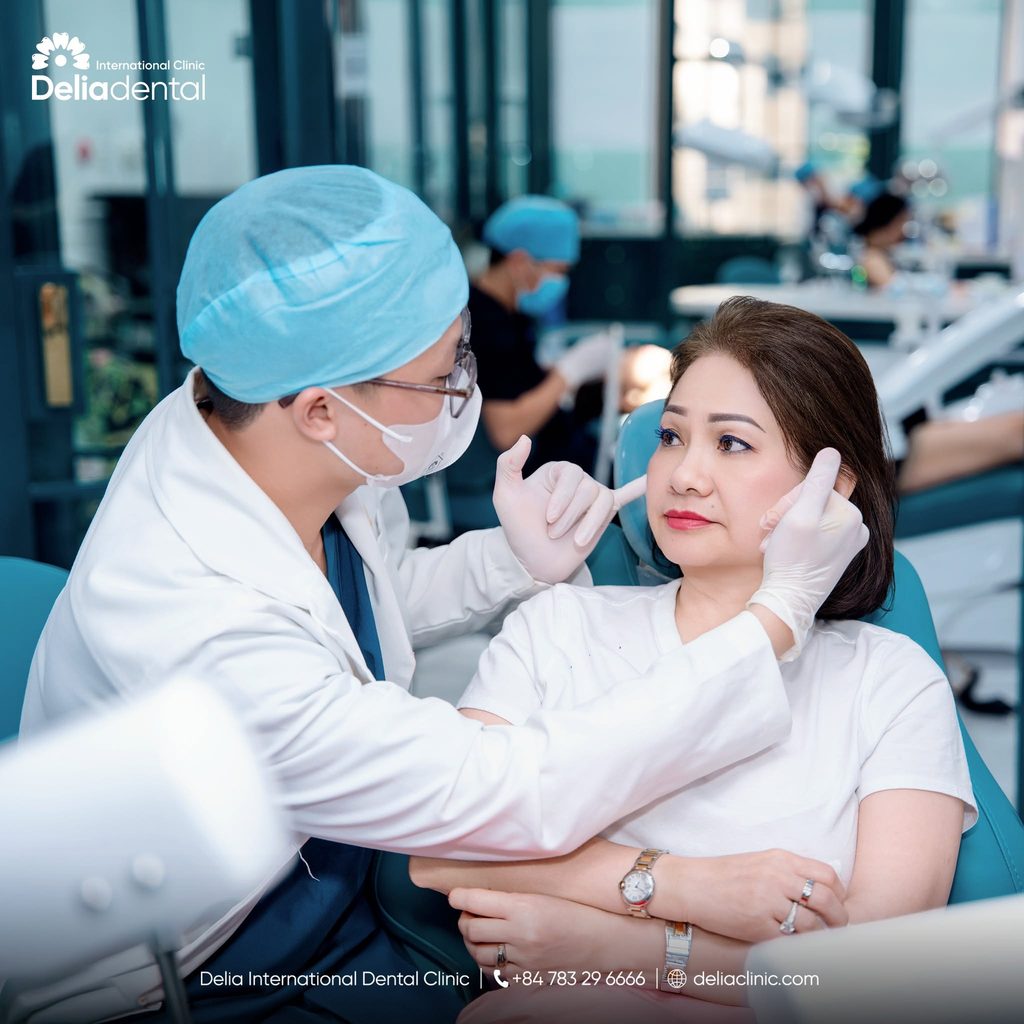
Before surgery, the treating dentist at Delia Dental Clinic reviews your medical history, allergies and regular medicines, which is why records shared before travel matter. After surgery, the dentist prescribes what suits the case and explains when and how to take it. Patients in Hanoi or Ho Chi Minh City who are unsure about a medicine can ask the international patient team through WhatsApp or Messenger before buying anything.
Frequently Asked Questions
Can I Buy Antibiotics Without a Prescription in Vietnam?
Vietnamese rules require a prescription for antibiotics, but WHO Vietnam reports that many pharmacies sell them without one. Being able to buy them does not mean they are right for your surgery or your allergy history. An unsuitable antibiotic can fail to prevent infection and can hide its early signs. If you think you need one, ask your dentist first.
Is It Safe to Take Ibuprofen After an Implant?
For many healthy adults, ibuprofen is a standard option after implant surgery, and it also helps with swelling. It is not suitable for everyone. People with stomach ulcers, kidney disease, certain types of asthma, or those taking blood thinners should ask the dentist before using it. Paracetamol is the usual alternative when ibuprofen is not appropriate.
What if I Am Allergic to Penicillin?
Tell the dentist before surgery and describe how you reacted, such as a rash, swelling or breathing trouble. The dentist can then choose a different antibiotic or decide whether one is needed at all. Check packaging at pharmacies too, since amoxicillin and amoxicillin with clavulanic acid are both penicillin type medicines. If you develop hives, facial swelling or trouble breathing after a tablet, treat it as an emergency.
Can I Fly Home While Still Taking Antibiotics?
Taking antibiotics is not a barrier to flying by itself, and you should finish the course. Whether you can fly depends on your surgery, and cases such as sinus lifts or bone grafting may need extra caution about timing, which your dentist decides. Carry your medicines in hand luggage with the prescription and an English medicine list, so a delayed bag does not interrupt your course.
Do I Need to Keep Taking Painkillers Until the Pain Is Gone?
Not necessarily. Many dentists advise taking a painkiller on a set schedule for the first day or two and then only when needed, but the plan depends on your case. Once the ache is mild and steady, you can usually reduce, as long as the dentist’s instructions allow it. Needing more painkiller as the days go by, instead of less, is a reason to contact the clinic.
Is Pain on Day Three Normal After Implant Surgery?
Mild to moderate soreness on day three is common, especially after bone grafting or several implants, as long as it is steady or easing and painkillers control it. The warning sign is direction rather than the calendar: pain that rises, swelling that grows, or a bad taste, pus or fever are reasons to contact the dentist. Do not respond to rising pain by doubling your painkiller dose.
Planning the Rest of Your Recovery
These articles cover the parts of a dental trip that come after the first days of healing, when you are planning your stay and your care at home.
- Dental Implant Length of Stay in Vietnam
- How to Maintain Dental Implants Placed in Vietnam
- From First Message to Final Smile: The Delia International Patient Journey
- How to Safely Enjoy Vietnamese Street Food and Spice During Dental Recovery
Final Thoughts
Medication after dental surgery works best when it follows the dentist’s plan. A painkiller should make recovery comfortable, not hide a problem that needs a look, and a new medicine is worth one question to your dentist before it goes in your mouth.


