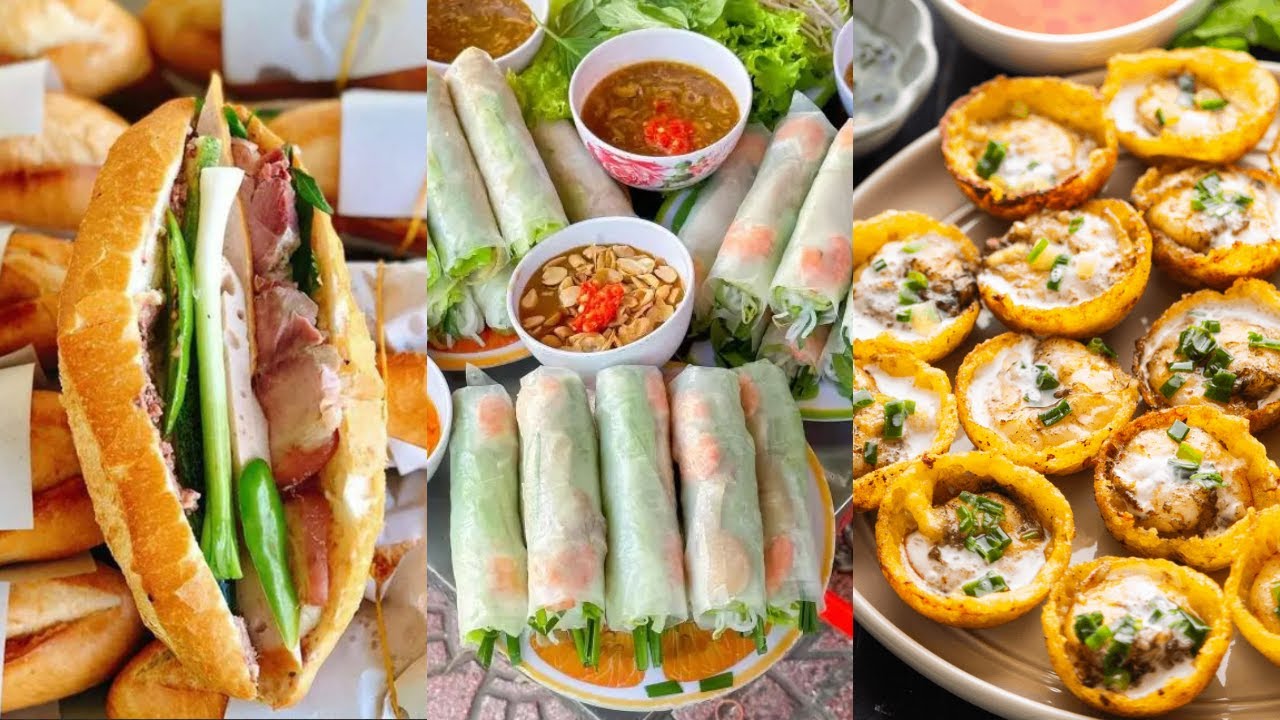
Vietnamese food after dental treatment does not mean skipping the country’s food culture for two weeks. Most dishes are still on the table. The part that actually needs attention is not always texture, which is what most dental recovery advice focuses on. Chili, fish sauce, lime, and the sheer intensity of a well seasoned bowl of pho can affect a healing mouth just as much as anything hard to chew.
The goal during recovery is not to avoid Vietnamese cuisine. It is to read a menu differently for a few weeks: knowing which heat levels to ask the kitchen to dial down, which street stalls are genuinely low risk, and which dishes are worth waiting on until the mouth has settled. Patients who understand this can still eat well every day of their trip, including the days right after a procedure.
This guide covers why spice specifically matters during healing, what actually carries risk at a street stall versus what does not, and a simple framework for judging any dish, not just the well known soft food staples like pho or chao.
Quick Answer
Spicy, acidic, or very hot dishes can irritate fresh extraction sites, implant surgical areas, or sensitive gums for one to two weeks after treatment, even when the food itself is soft enough to chew. Street food is generally safe in Vietnam when it is cooked fresh in front of the customer and served hot, but ice, raw garnishes, and undercooked seafood carry more risk during a healing period than during normal travel.
How Spice Affects Healing Gums and Fresh Surgical Sites
Capsaicin, the compound that makes chili peppers hot, works by activating pain and heat receptors in soft tissue. On intact skin or a healthy mouth this just registers as heat. On a fresh extraction socket, an implant site still closing, or gums inflamed from a recent procedure, the same compound can trigger a sharp stinging sensation and, in some cases, prolong irritation in tissue that is trying to close.
Acidity works on a related but separate mechanism. Lime juice, vinegar based dipping sauces, and pickled vegetables common in Vietnamese meals lower the pH around a wound, which can slow the comfort of healing even when it does not slow the biological process itself. Fish sauce sits in a similar category: it is salty and slightly acidic, and undiluted nuoc cham on an open wound usually stings more than it harms, but the sting itself can be enough to put someone off eating properly for a day.
Temperature is a smaller but real factor. Broth served at a rolling simmer, which is normal for pho, can be uncomfortably hot against sensitive gums or a numb area still recovering from local anesthetic, where a patient may not judge temperature accurately and risk a minor burn without realizing it in time.
None of this means chili, fish sauce, or hot broth are off limits entirely. It means the first one to two weeks, or whatever window a dentist confirms based on the specific procedure, is the point to ask for dishes on the milder end and let the broth cool for a minute before the first spoonful.
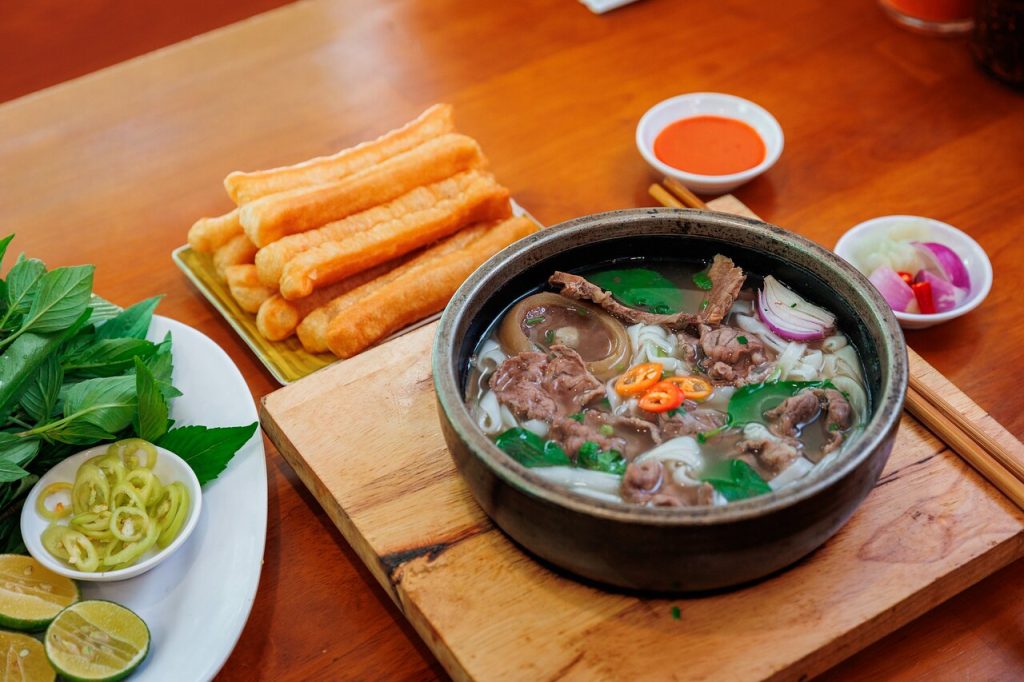
What Actually Carries Risk in Street Food
Vietnamese street food has a reputation among some travelers as risky, which does not match how most of it is actually prepared. A stall cooking noodles, grilling meat, or frying spring rolls to order in front of the customer, with food served hot straight off the heat, carries a similar food safety profile to a sit down restaurant kitchen. The risk in Vietnamese street food, as with street food anywhere, concentrates in a few specific areas rather than being spread evenly across every dish.
Ice is the most commonly cited concern, and it is a fair one during a recovery window, not because Vietnamese ice production is unsafe in general but because ice made from unfiltered water still exists at some smaller vendors, and a healing mouth is not the moment to take that chance for the sake of a cold drink. Ordering drinks without ice, or choosing bottled and canned drinks that are already cold, removes the variable entirely.
Raw or lightly cooked seafood, including some styles of goi (Vietnamese salad) that use raw shrimp or fish, and undercooked cockles or clams sold at some late night stalls, carry the same general food safety risk in Vietnam as they would anywhere else in the world, unrelated to dental recovery specifically but worth avoiding during any period when the immune system is already dealing with a healing wound.
Raw garnish herbs served in large piles alongside noodle dishes are typically fine when a stall has decent turnover and rinses them before service, which is standard practice at busy, well reviewed vendors. A quieter stall with visibly wilted herbs sitting out for hours is a different situation and is worth skipping regardless of dental status.
None of this requires avoiding street food as a category. It means applying the same judgment a careful traveler already uses (busy stall, high turnover, food served hot, ice from a reputable source) with slightly less tolerance for edge cases during the days right after a procedure.

A Framework for Choosing Any Dish
Rather than memorizing a list of approved and forbidden dishes, three questions cover almost every situation a patient will face at a restaurant, a hotel breakfast, or a street stall in Hanoi or Ho Chi Minh City.
The first question is how hot the dish runs, both in temperature and in chili level. Most Vietnamese restaurants and stalls are used to foreign customers asking for it “khong cay” (not spicy) or “it cay” (mild), and staff will usually hold back the chili without being asked twice. For temperature, giving broth or grilled food a minute to cool before the first bite avoids both discomfort and the risk of not noticing a burn on a still numb area.
The second question is how much active chewing the dish demands right at the biting surface, since this matters more for implant and extraction patients than for someone recovering from a crown or veneer procedure. A grilled pork chop over rice needs real chewing effort at the front of the mouth. The same cut shredded into a noodle soup does not.
The third question is where the ingredients came from and how they were handled just before serving. Cooked to order, served hot, and visibly fresh covers the large majority of what is available in both cities. Raw, pre-cut, sitting out, or served over ice is the category to be more selective about, and it is a small category relative to the full range of Vietnamese cuisine.
Applying these three questions to a menu takes a few seconds once it becomes habit, and it works for banh mi, com tam, hu tieu, grilled dishes, or anything else a patient wants to try, not only the handful of dishes usually listed in generic soft food guides.
Delia Dental Clinic Support for Patients Managing Recovery and Local Food
Delia Dental Clinic’s coordination team, present at both the Hanoi and Ho Chi Minh City branches, can give patients a general sense of what to expect around spice and texture tolerance based on the specific procedure performed, since a same day crown recovery looks very different from a fresh implant placement or a full arch case. This guidance is general and procedure based rather than a personalized medical clearance for any single dish or restaurant.
Patients who notice unusual stinging, prolonged discomfort, or swelling after a meal, whether from spice, temperature, or something else, are encouraged to describe the symptom and what was eaten through WhatsApp or Messenger so the coordination team can flag whether it fits expected healing or needs an earlier look. This kind of check-in cannot replace an in-person exam, but it helps a patient traveling far from home decide whether something needs attention sooner rather than waiting out the trip.
Frequently Asked Questions
Can I drink sugarcane juice or drinks with ice?
Sugarcane juice itself is not a concern for a healing mouth since it does not require chewing and is not spicy. The ice is the variable to manage. At larger, established vendors and most cafes in tourist heavy areas of Hanoi and Ho Chi Minh City, ice is commercially produced and filtered, which is generally fine. At smaller, less established roadside carts, asking for the drink without ice, or choosing a bottled cold drink instead, removes the uncertainty without giving up the drink entirely.
Is fried spring roll safe to eat during recovery?
Fried spring rolls, known as nem or cha gio depending on the region, are cooked at high heat and served hot, which makes them low risk from a food safety standpoint. The texture question depends on the procedure: the crispy exterior requires a firmer bite than something like pho, so patients recovering from extraction or implant surgery in the first few days may want to wait until initial healing has settled, while someone recovering from a single crown procedure usually has no issue.
Can I go to a proper restaurant for dinner instead of street stalls?
Yes, and sit down restaurants generally give more control over spice level and cooking style than a street stall, since a server can walk through the menu and a kitchen can adjust seasoning to request more easily than a busy noodle cart. For patients who prefer not to think too hard about food safety judgment calls during recovery, restaurants with a full kitchen are a reasonable default for the first several days.
Is fish sauce or nuoc cham too irritating for a healing mouth?
Fish sauce based dipping sauces are salty and mildly acidic, and undiluted versions can sting on a fresh wound similarly to how any salty liquid stings a cut. This is discomfort rather than a healing risk, but it is enough to make a meal unpleasant. Asking for sauce on the side rather than pre-mixed into the dish, and using it sparingly for the first week or so, avoids most of the sting while still allowing the flavor.
How long before I can eat food at normal Vietnamese spice level?
This depends on the specific procedure and how the individual mouth is healing, so a dentist’s guidance for that particular case is more reliable than a fixed number of days. As a general pattern, minor procedures like a single crown often allow a return to normal spice tolerance within a few days, while extraction or implant surgery usually calls for a more cautious approach through the first one to two weeks, with spice level increased gradually rather than all at once.
Does bottled water versus tap water matter for street food safety?
Tap water is not typically drunk directly in Vietnam by locals or visitors, and this applies regardless of dental status. Bottled or filtered water is the standard default for drinking, and this does not change during a recovery period. Where it becomes more relevant to dental recovery specifically is ice, since ice made from unfiltered water is the actual risk point rather than water consumed on its own.
What should I do if a dish turns out spicier than expected?
Vietnamese chili can vary noticeably between vendors even when a dish is described the same way on two different menus. If a dish arrives hotter than expected, plain rice, a piece of bread, or a spoonful of plain broth helps more than water, which tends to spread capsaicin around the mouth rather than clear it. If stinging or discomfort continues well after the meal rather than fading within a short period, that is worth mentioning to the clinic’s coordination team, particularly in the first week or two after a procedure.
Final Thoughts
A dental trip to Vietnam does not need to come with a bland diet for the full stay. The dishes that need real caution are a small subset: very spicy preparations right after a procedure, ice from uncertain sources, and raw seafood, which is a food safety consideration unrelated to dental status. Everything else on a typical Vietnamese menu is workable with small adjustments to spice level, temperature, and a bit of attention to how a stall handles its food.
For patients who want the detailed day by day eating timeline right after surgery, see Delia Dental Clinic’s guide on soft foods after dental implants. For specific noodle and porridge recommendations near the Ho Chi Minh City clinic, see the dedicated guide to soft noodle and porridge spots in the city.
If a meal causes discomfort that does not settle, or there is any doubt about whether a symptom is normal adjustment, send a description through WhatsApp or Messenger so Delia Dental Clinic’s coordination team can advise on next steps before the next meal becomes a repeat of the same problem.


