
Ten days is one of the most common trip lengths for dental tourism in Vietnam, and also one of the easiest to plan badly. Pack the schedule with temples, day trips, and street food crawls the way a normal 10 day Vietnam itinerary would, and you risk showing up to a follow up appointment sunburned, exhausted, and behind on rest. Leave the whole trip open with no plan at all, and you end up sitting in a hotel room for days that could have been spent seeing a genuinely interesting city.
The fix is treating the trip as two schedules running side by side rather than one. A dental track, built around your actual appointments and recovery needs, and an activity track, built around how much energy you realistically have on any given day. This guide lays out what that dual track approach looks like day by day, and how it shifts depending on whether you are in Vietnam for veneers, a single implant, or full arch work.
Quick answer
Ten days comfortably fits a trip involving consultation, a procedure, a recovery window, and at least one follow up visit, such as a single implant placement, multiple crowns or veneers, or the first stage of full arch treatment. The general shape is arrival and consultation in the first two days, the main procedure around days three to four, a recovery stretch with light activity from days five to seven, follow up and adjustments around days eight to nine, and a final check before departure on day ten. What you can do on any given day depends far more on your treatment stage than on how many days have passed since you landed.
Which treatments actually fit a 10 day Dental Tourism
Not every treatment plan uses all ten days the same way, and it helps to know which category you fall into before mapping out activities.
Veneers, whitening, and single crowns
These are usually finished well within ten days, often by day five or six, which leaves the back half of the trip genuinely free for sightseeing rather than recovery.
A single implant, or a small number of implants
This typically means a procedure day followed by a review appointment before you fly home, with the final crown fitted on a separate trip months later once the implant has integrated.
Full arch treatment, such as All on 4 or All on 6
This generally uses the full ten days for surgery, initial healing, and fitting of the temporary bridge, with your final restoration still to come on a later trip.
If your treatment plan spans two trips, this itinerary covers the first one, since that is the trip where recovery pacing matters most.
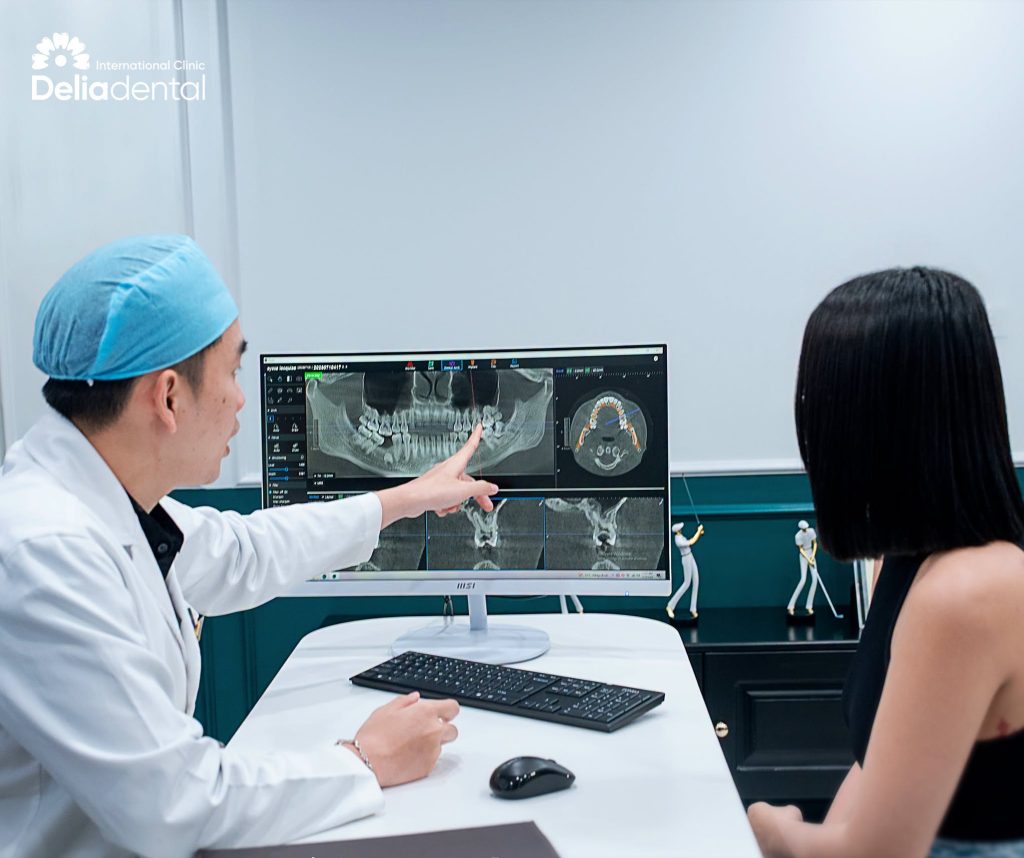
The dual track framework
Instead of asking what to see each day, it helps to ask two separate questions: what does the dental track require, and what does the activity track allow.
The dental track is simply your appointment schedule, which your dentist sets and which does not move around your sightseeing plans. The activity track runs in parallel and moves through three intensity levels depending on where you are in recovery. Matching the right intensity to the right day, rather than picking which landmarks to visit, is the actual skill in planning this trip.
- Rest level: Staying at the hotel or somewhere close by, with minimal walking and no sun exposure. This is the right setting for arrival day and for the days right after a procedure.
- Light level: Short outings on foot or by taxi, indoor attractions, and activities that can be cut short easily if you get tired. This suits the early stretch of recovery, once you are past the procedure itself but not yet back to full energy.
- Moderate level: A fuller day out, more walking, and activities that assume you are feeling close to normal. This fits once your dentist has confirmed recovery is on track, usually in the second half of the trip.
A 10 day dual track itinerary
Days 1 to 2: Arrival and consultation
Dental track: Airport pickup, check in, and your first consultation, which typically includes a CBCT scan and a written treatment plan. If your procedure is scheduled for day three or four, this is also when any final questions about the plan get resolved.
Activity track: Rest level on day one, since long haul flights and jet lag are enough to manage without adding a full day out. Day two can move to light level once the consultation is done, such as a walk around Tao Dan Park or an early evening at a café near District 3, close to Delia Dental Clinic’s Ho Chi Minh City location.
Days 3 to 4: Procedure days
Dental track: Your main procedure happens here, whether that is implant placement, crown or veneer preparation, or the first stage of full arch surgery. This is usually the most demanding part of the trip physically.
Activity track: Rest level for both days, especially if any sedation or local anesthesia was used. Staying close to the hotel, keeping meals soft if needed, and avoiding sun and heat matters more here than seeing anything new.
Days 5 to 7: Recovery and light sightseeing
Dental track: Usually a quieter stretch with no major appointments, though your dentist may schedule a brief check in depending on your procedure.
Activity track: This is where the trip typically opens back up, moving from light to moderate as the days progress. Day five might stay light, with an indoor stop such as the War Remnants Museum or Saigon Central Post Office, both an easy taxi ride from District 3. Day six or seven can move to moderate if you are feeling well, with a longer outing such as Ben Thanh Market, the Reunification Palace, or a walking loop through District 1 past Notre-Dame Cathedral and the Jade Emperor Pagoda. If you are still on a soft diet or managing a temporary bridge, keep meals in mind when choosing where to eat between stops.
Days 8 to 9: Follow up and adjustments
Dental track: A follow up appointment to check healing, adjust a temporary bridge, or fit permanent crowns or veneers if your treatment plan is finishing on this trip.
Activity track: Light to moderate, depending on how the follow up goes. If adjustments were made to a bridge or a crown, it is worth keeping day eight lighter to see how the bite feels before committing to a bigger day out on day nine.
Day 10: Final check and departure
Dental track: A final review before you fly, confirming everything is stable and, if relevant, going over care instructions for a temporary bridge you will be wearing until your next trip.
Activity track: Rest to light, built around your flight time rather than a full day out. A short walk or a final coffee near the hotel is usually a better choice than starting anything new on a travel day.
How the last day looks different by treatment type
| Treatment | Status by day 10 | What happens next |
|---|---|---|
| Veneers or crowns | Usually finished and fitted | Trip complete, no return visit needed for this treatment |
| Single implant | Placed, healing, review done | Return trip in several months for the final crown |
| Full arch (All on 4 or All on 6) | Temporary bridge fitted, healing ongoing | Return trip later for the final restoration |
What to pack for a dual track trip
A few practical items make switching between rest days and activity days easier.
- Loose, comfortable clothing: Something that does not need to go over your head easily helps on procedure days.
- Sunscreen and a hat: These matter more than usual if you are moving between air conditioned taxis and outdoor sightseeing on the same afternoon.
- A small day bag: Pack water, any prescribed medication, and a soft snack so you are covered on days when plans shift at short notice.
- Flexible flight and hotel bookings: Where possible, this gives you room to swap a moderate day for a rest day if recovery calls for it.

How Delia Dental Clinic helps you plan the dual track schedule
Delia Dental Clinic’s coordination team maps your appointment schedule out before you arrive, which is the piece that makes dual track planning possible in the first place. Once your treatment plan and appointment dates are set, you can send your rough activity ideas through WhatsApp or Messenger and the team can flag which days are better suited to rest and which have more room for sightseeing.
Since every treatment plan moves at a different pace, this kind of back and forth before you travel is generally more useful than following a fixed itinerary template, especially if your plan includes a procedure that could shift by a day depending on how your consultation goes.
Frequently asked questions
Can I really fit sightseeing into a dental trip, or should I plan a separate holiday?
Most patients can fit a reasonable amount of sightseeing into a 10 day dental trip, as long as it is scheduled around recovery rather than squeezed in regardless of how you are feeling. The dual track approach in this guide is built specifically around that balance, with lighter or rest days placed right after procedures and more active days placed once your dentist has confirmed you are recovering well. Some patients do prefer to keep the two trips fully separate, treating the dental visit as purely functional and planning a dedicated holiday another time, which is also a completely reasonable choice. If you are unsure how much activity your specific treatment allows, your dentist’s guidance on your particular procedure should be the deciding factor rather than a general rule. Either approach works, the key is deciding in advance rather than figuring it out day by day under pressure.
What if my dental appointments change during the trip?
Appointment dates can shift slightly depending on how a procedure goes or how healing is progressing, which is one reason flexible activity plans work better than a rigid day by day booking made months in advance. Building in a buffer day or two, rather than filling every single day with a planned activity, gives you room to absorb a schedule change without losing the whole trip. If you have booked tours or activities with fixed dates, it is worth choosing ones with reasonable cancellation policies for exactly this reason. Your clinic’s coordination team can usually give you a few days’ notice if an appointment needs to move, which is generally enough time to adjust an activity day around it. Treating the itinerary as a flexible framework rather than a fixed schedule makes the whole trip considerably less stressful.
Is 10 days enough time for full arch implants like All on 4?
Ten days is generally enough time for the first stage of full arch treatment, covering surgery, initial healing, and fitting of a temporary bridge, but it is not enough time to receive your final restoration. That typically requires a second trip several months later, once the implants have fully integrated with the jawbone. Within this first 10 day trip, the activity track should stay conservative, since you are managing both surgical recovery and adjusting to a temporary bridge at the same time. Your dentist will confirm your specific healing timeline and let you know what to expect before you fly home. Planning your second trip’s activity level separately is worth doing once that timeline is clearer, since your energy and dietary restrictions may look quite different by then.
Should I book activities and tours before I arrive, or wait until I see how I feel?
A middle ground generally works best: book anything genuinely rest level, such as a simple massage or a quiet café outing, with confidence in advance, while holding off on booking moderate level activities that assume full energy until closer to the date or even the morning of. This avoids losing money on a tour you have to cancel because a procedure ran into a rest day, while still giving you something concrete to look forward to early in the trip. If you already know your treatment type, such as veneers finishing early versus full arch work extending through the whole stay, you can be more confident booking activities in the back half of the trip. When in doubt, activities with free or low cost cancellation are the safer choice for the days closest to a procedure.
What is the realistic cost difference between a light itinerary and a fuller one over 10 days?
The dental treatment itself is generally the largest cost in the trip by a significant margin, so the difference between a quiet, rest focused itinerary and a fuller sightseeing schedule usually comes down to a relatively modest amount spent on transport, entry fees, and dining out versus eating simply near the hotel. Choosing a mix of free or low cost activities, such as walking through District 1’s main landmarks, alongside one or two paid experiences keeps the activity budget flexible without limiting what you can see. Since accommodation and flights are largely fixed costs regardless of how active your days are, the itinerary style has more impact on comfort than on the total trip cost. If budget is a bigger concern than pacing, it is worth discussing your treatment plan and rough dates with the clinic first, since that shapes the overall cost far more than sightseeing choices do.
Final Thoughts
A good 10 day dental tourism itinerary in Vietnam is not about cramming in every landmark or clearing the whole schedule out of caution. It is about matching your activity level to where you actually are in treatment, day by day, rather than following a generic travel itinerary that was never built with a dental trip in mind.
If you want help mapping your own dual track schedule once your treatment plan is set, message Delia Dental Clinic’s coordination team through WhatsApp or Messenger with your travel dates.


