
Vietnam does not have one single best season. It stretches more than 1,600 kilometers from north to south, so Hanoi and Ho Chi Minh City can be experiencing completely different weather on the same day. For a dental tourism trip, that matters more than it does for an ordinary holiday, since you are not just picking nice weather for photos. You are picking conditions that make recovery easier, that keep clinics fully open, and that keep flights and hotels within budget.
This guide breaks the decision down the way it actually affects a treatment trip: by city, by season, and by what stage of treatment you are travelling for, rather than a generic answer that applies equally to a beach holiday and a full arch implant recovery.
Quick Answer
For most international patients, the dry season from November to April is the most comfortable window for dental treatment in both Hanoi and Ho Chi Minh City, with cooler, less humid conditions that make post op swelling and recovery easier to manage. Hanoi adds a genuine spring and autumn on top of that, roughly March to April and September to November, which many patients find the most pleasant stretch of the year. The one date to build your trip around regardless of season is Tet, the Lunar New Year, when clinics across the country close for around a week.
Why season matters more for a dental treatment trip
On an ordinary holiday, bad weather mostly costs you a few rained out afternoons. On a dental trip, the weather is something your body has to deal with while it is also healing.
Heat and humidity increase sweating and general discomfort around a healing surgical site, and can make the first few days after implant placement or extractions feel more draining than they would in cooler conditions. Heavy rain and flash flooding, which are common in the wet season in both the north and south, can also disrupt transport between your hotel and the clinic on appointment days, which matters more when you have a fixed schedule of visits to keep. On the other end, the driest, most comfortable months are also peak tourist season, which means higher flight and hotel prices and a clinic calendar that fills up faster, so booking further ahead becomes more important.
None of this means treatment in the wet or hot months is a bad idea. It just means the season shifts what you should plan around, whether that is comfort, cost, or your booking lead time.
Hanoi: four real seasons
Hanoi is unusual for a Vietnamese city in that it experiences four distinct seasons, similar in structure to parts of East Asia rather than the tropical south.
Spring, March to April
Spring in Hanoi brings mild temperatures, light rain, and noticeably fresher air than the months on either side of it. Many patients find this the most comfortable stretch of the year for a treatment trip, since it avoids both the winter chill and the summer heat. It is also a popular season for domestic tourism around some public holidays, so booking flights and hotels a few weeks ahead is worth doing.
Summer, May to August
Summer in Hanoi is hot, humid, and the wettest part of the year, with temperatures regularly climbing above 35 degrees Celsius and frequent afternoon downpours. This is generally the least comfortable season for a longer recovery, since heat and humidity make it harder to stay cool while healing. If your treatment is short, such as a single visit for whitening or a minor procedure, summer is still workable, just less pleasant for sightseeing in between appointments.
Autumn, September to November
Autumn is often considered Hanoi’s best season, with mild temperatures, lower humidity, and clear skies that make both recovery and sightseeing more comfortable. This window is popular with both domestic and international travelers, so it shares the same booking pressure as spring, with clinic schedules and hotel rates both worth locking in early.
Winter, December to February
Winter in Hanoi is cool and dry, with temperatures that can drop into the mid teens Celsius and occasionally lower, especially compared to how most international patients picture Vietnam’s climate. It is a comfortable season for recovery, since the cooler air reduces swelling and general discomfort, though patients used to a tropical climate may want to pack a light jacket. This period also includes Tet, which needs separate planning, covered below.
Ho Chi Minh City: two seasons, not four
Ho Chi Minh City sits firmly in the tropics, with a climate built around two seasons rather than four, and far less temperature swing across the year.
Dry season, December to April
The dry season is generally the most comfortable and most popular time to be in Ho Chi Minh City, with lower humidity, minimal rainfall, and consistently warm days. This is usually the easiest window for a treatment trip, since predictable weather makes it simpler to plan appointments, recovery days, and any sightseeing around them. As with Hanoi’s peak months, this popularity means earlier booking pays off, both for flights and for clinic scheduling.
Wet season, May to November
The wet season brings high humidity and typically a short, heavy downpour most afternoons, though mornings are often clear and mornings or evenings can still be workable for appointments and light activity. Rain in Ho Chi Minh City tends to be intense but brief rather than an all day washout, so it disrupts plans less than many patients expect. This period also tends to have lower flight and hotel prices, which is worth weighing against the slightly less comfortable conditions if your budget has some flexibility.
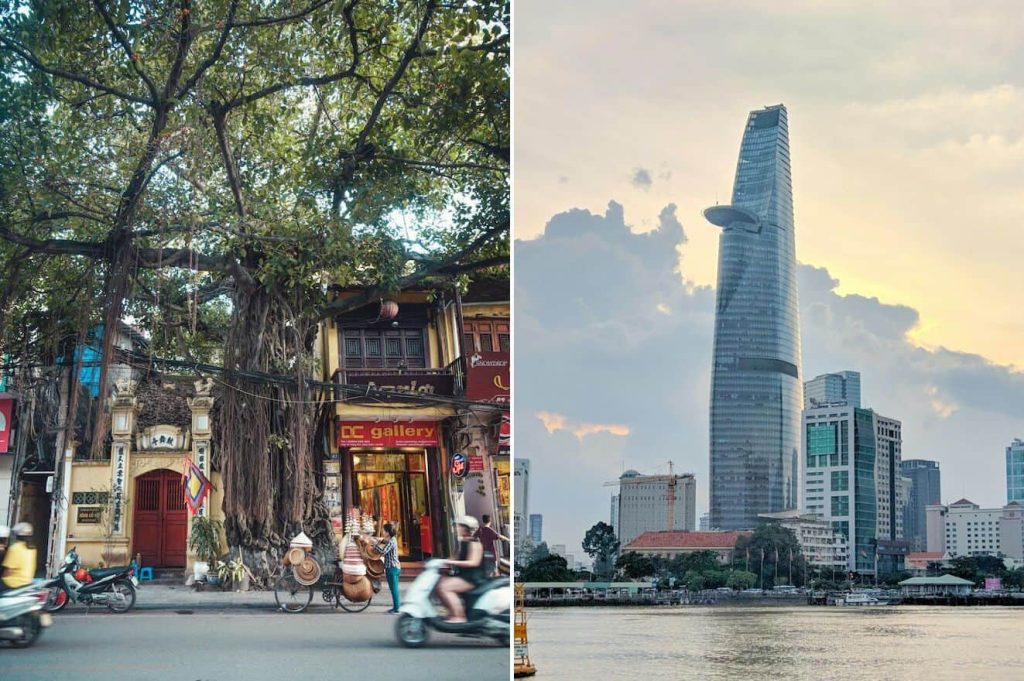
Seasons at Vietnam at a glance
| Seasons | Hanoi | Ho Chi Minh City | Best for |
|---|---|---|---|
| Spring, Mar to Apr | Mild, light rain | Late dry season, warm | Recovery comfort and sightseeing |
| Summer, May to Aug | Hot, humid, wet | Wet season, afternoon rain | Short visits, lower crowds |
| Autumn, Sep to Nov | Mild, clear skies | Wet season tapering off | Recovery comfort and sightseeing |
| Winter, Dec to Feb | Cool, dry | Dry season, warm | Comfortable recovery, includes Tet |
Planning Around Tet, The Lunar New Year
Tet is the one date on the calendar that affects every patient, regardless of which season you prefer. Clinics across Vietnam typically close for about a week around Tet, which usually falls between late January and mid February depending on the lunar calendar, and many other businesses close or run reduced hours during the same period.
If your travel dates could fall close to Tet, it is worth confirming your clinic’s exact closure dates before booking flights, since arriving during the closure means appointments will need to be rescheduled. Outside of Tet itself, the days immediately before and after can also be busier than usual, as both patients and clinic staff are working around the holiday.
Matching the season to your treatment stage
How much the season actually matters depends on how long you are staying and how much recovery you are managing during that stay, not on the treatment name alone.
For a single visit trip, such as whitening, veneers, or a straightforward crown fitted in one or two appointments, the season mostly affects your comfort while sightseeing rather than your treatment itself. There is little to no extended recovery window to manage, so a hot, humid month is an inconvenience rather than a real complication, and booking around weather becomes optional rather than practical.
For a single implant or a small number of implants, you are usually looking at two trips: one for placement and a healing period of a few months before a second trip for the final crown. The first trip is the one where season matters more, since you are managing swelling and a soft diet for at least the first week or two, and cooler, drier conditions generally make that stretch easier to get through comfortably in a hotel or short term rental.
For full arch treatment, such as All on 4 or All on 6, the season has the most impact of any treatment type. You are usually staying longer for the first visit, managing surgical recovery and a temporary bridge at the same time, and may be returning for one or more follow up visits before your final restoration is fitted. A comfortable season reduces the physical strain of that longer first stay, and if your treatment plan involves a second or third trip, it is worth mapping each visit against the calendar separately, since a good season for your placement trip does not guarantee a good season for your final fitting trip months later.
Across all of these, if any visit could land near Tet or another period when the clinic runs on reduced hours, that date conflict matters more than the weather does, and should be checked first regardless of which treatment you are having.

How Delia Dental Clinic helps you plan the timing
Delia Dental Clinic’s coordination team works with international patients on treatment planning well before travel dates are booked, which includes flagging any clinic closures or scheduling considerations relevant to your trip. If you are weighing a comfortable season against a cheaper one, or trying to fit a treatment plan around Tet or another date constraint, sending your rough travel window through WhatsApp or Messenger is an easy way to get a clearer answer before you commit to flights.
Patients travelling from Australia, the United States, the United Kingdom, and other countries often have very different definitions of comfortable weather, so it is also worth mentioning your own climate preferences when planning, rather than assuming the generally recommended season is automatically the right one for you.
Frequently Asked Questions
Is it too hot to get dental implants in Vietnam during summer?
Summer heat and humidity do not rule out implant treatment, but they can make the first few days of recovery feel more uncomfortable than they would in cooler months, since swelling and general fatigue can feel more pronounced in heat and humidity. Staying in air conditioned accommodation, keeping hydrated, and limiting time outdoors in the first days after surgery all help offset this. If your schedule is flexible and comfort is a priority, the dry season from November to April is generally the easier choice. If summer is your only realistic travel window, treatment is still entirely possible, it just calls for a bit more attention to staying cool and resting indoors during the first stretch of recovery.
Does the rainy season disrupt appointment schedules in Ho Chi Minh City?
Rain in Ho Chi Minh City’s wet season tends to arrive as a short, heavy downpour in the afternoon rather than an all day event, so most mornings remain clear and workable for travel and appointments. Occasional flooding on low lying streets can slow traffic for an hour or two after a heavy storm, which is worth building a small buffer into your schedule for, especially on appointment days. Clinics themselves generally continue operating as normal through the wet season, since this is a predictable yearly pattern rather than an unusual disruption. If you are particularly concerned about timing, scheduling appointments earlier in the day, before the typical afternoon rain, reduces the chance of any weather related delay.
When exactly does Tet fall each year, and how long do clinics close?
Tet follows the lunar calendar, so the exact dates shift each year, typically falling somewhere between late January and mid February. Clinic closures are usually around a week, though the exact length can vary by clinic and by year, with some businesses extending closures slightly on either side of the official holiday. Because the dates move annually, it is worth checking the specific year you are planning to travel rather than assuming the same dates as a previous trip. If your travel window is flexible, avoiding the two weeks surrounding Tet entirely is the simplest way to sidestep any scheduling complications.
Is the dry season significantly more expensive for flights and hotels?
The dry season in both Hanoi and Ho Chi Minh City tends to see higher demand from both domestic and international travelers, which generally pushes flight and hotel prices up compared to the wet season. The difference is usually a matter of moderate cost increases and earlier sell outs on popular routes and hotels, rather than dramatic price spikes, though this can vary by the specific dates and how far in advance you book. If budget is a bigger priority than guaranteed dry weather, the shoulder months just before or after peak dry season, or the early wet season, often strike a reasonable balance between cost and comfort. Booking flights and accommodation a few months ahead generally helps regardless of which season you choose.
Should I plan my trip around Hanoi’s weather or Ho Chi Minh City’s weather if I am visiting both?
If your treatment is based in one city, plan primarily around that city’s climate rather than trying to average the two, since Hanoi and Ho Chi Minh City can differ significantly in temperature and rainfall on the same date. If your trip includes time in both cities, spring or autumn tends to offer a reasonable overlap, since Hanoi is in one of its most comfortable seasons and Ho Chi Minh City is either in or approaching its dry season during those months. Winter works well if your main priority is Hanoi, while the deep dry season of December through February suits Ho Chi Minh City particularly well. If you are unsure how to balance the two, it is worth mentioning both destinations when you reach out to your clinic’s coordination team so they can factor both cities into their timing suggestions.
Final Thoughts
There is no universally correct month to travel to Vietnam for dental treatment, only a better or worse fit for your specific recovery needs, budget, and schedule. The dry season from November to April is the safest general recommendation for comfort in both major cities, but the right choice ultimately depends on how you weigh comfortable weather against cost, and how your treatment timeline lines up with the calendar, especially around Tet.
If you want help matching your ideal travel window to your treatment plan, message Delia Dental Clinic’s coordination team through WhatsApp or Messenger before you book your flights.


