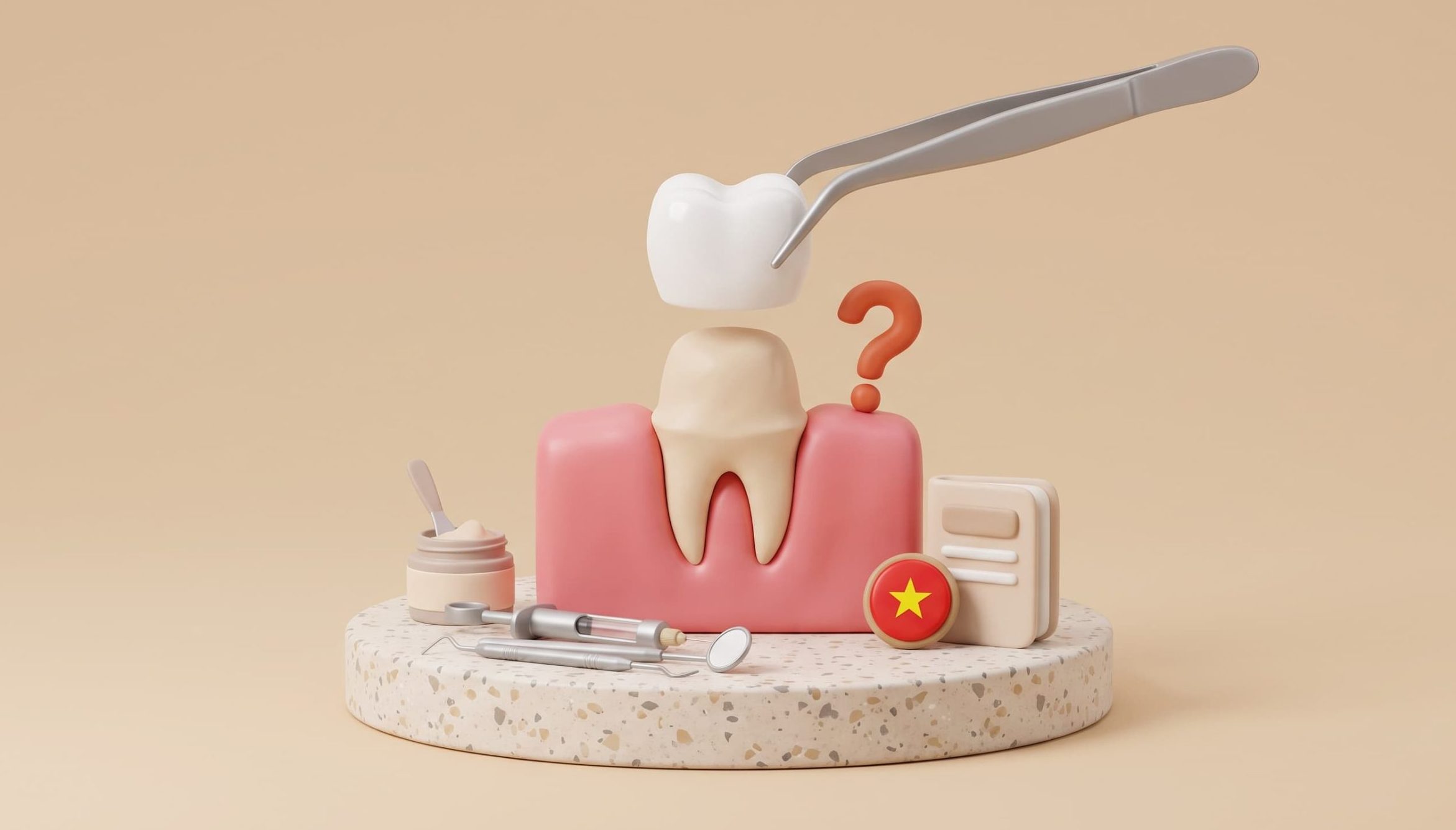
A dentist tells you the tooth needs a crown, then adds that it will need a core buildup first. That second line is where many patients stop and wonder whether it is a real clinical step or an extra item on the quote. For a tooth with a large filling, a fracture, or deep decay, it is usually a real step.
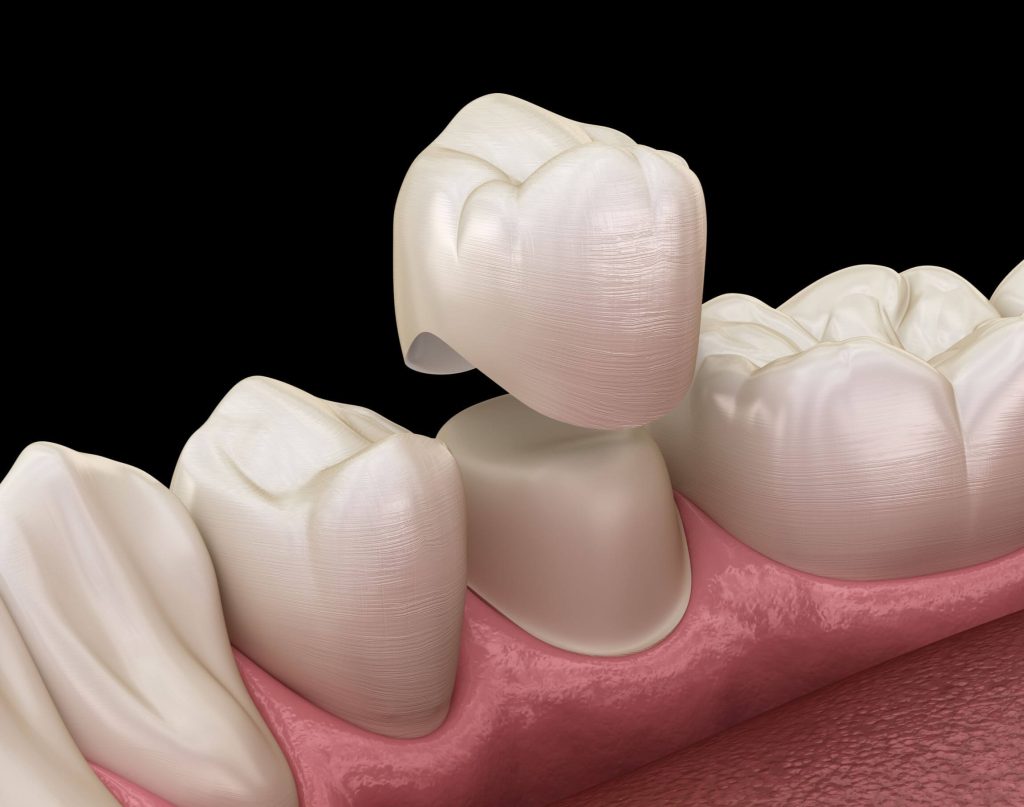
A crown is a cover. It needs enough solid tooth underneath to grip, and when too much of the tooth is missing, the dentist rebuilds that foundation before shaping the tooth for the crown. That rebuilt foundation is the core buildup.
This guide explains when a core buildup is needed, how it differs from a post and core, what can go wrong if the step is skipped, and how it affects the quote and the schedule for patients travelling to Vietnam.
Quick Answer
A core buildup is a restoration placed inside a damaged tooth to replace lost structure so a crown has something solid to grip. It is commonly needed when decay, a fracture or a large old filling has removed much of the tooth above the gum. The dentist confirms the need only after clinical examination.
What Is A Core Buildup, And How Is It Different From A Post And Core?
A core buildup is a tooth coloured material, usually composite resin or glass ionomer, bonded into the tooth to replace missing structure. Once it sets, the dentist shapes it like a prepared tooth, and the crown is made to fit over it.
A post and core goes one step further. A small post, made of fibre or metal, is placed in the root canal space of a root canal treated tooth to anchor the buildup. It is used when the tooth has so little crown left that the buildup has nothing to bond to. The post is there to retain the buildup, not to make the tooth stronger.
So the two terms overlap without meaning the same thing. A buildup on its own is used when enough tooth remains to bond to, while a post and core is reserved for teeth that cannot hold a buildup by themselves, which is most often seen after a root canal. Neither is automatic. Many root canal treated teeth do not need a post, and many teeth that have never had a root canal do need a buildup. If you are unsure whether your tooth also needs root canal treatment, that is a separate decision, explained in this guide to root canal before a crown.
When Does A Weak Tooth Need A Core Buildup?
A tooth usually needs one when the sound tooth above the gum line is too small for a crown to stay on. Dentists often describe this as a ferrule, a band of healthy tooth that the crown can wrap around. A figure commonly cited is roughly 1.5 to 2 millimetres of sound structure, although the right amount depends on the tooth, the bite and the case.
Situations where a buildup is commonly considered include:
- A large old filling that makes up most of the tooth
- A cracked or broken tooth where the missing section is substantial
- Decay that has removed much of the tooth once it was cleaned out
- A root canal treated tooth that lost structure during treatment
- A worn tooth with little height left
A tooth with thick, healthy walls and only a small filling can often be prepared straight for a crown, and so can a tooth that needs a crown mainly for shape or colour.
How Does A Dentist Judge How Much Tooth Is Left?
The judgement rests on what remains after weak tooth and old material are removed, which is why the answer sometimes changes during the appointment. An X-ray shows the root, the bone and the outline of old fillings, but it cannot show how thick the walls are under a restoration or how deep a crack runs.
| What the dentist finds | What it may suggest |
|---|---|
| Thick walls and a small filling | Crown preparation without a buildup |
| Old filling that fills most of the tooth | Buildup commonly considered once the filling is removed |
| Crack or fracture running toward the gum | Crack depth and remaining structure decide whether the tooth can be restored |
| Root canal treated tooth with very little crown left | Buildup, with a post in selected cases |
| Too little sound tooth above the gum for a crown to grip | Crown lengthening or another option may be discussed |
These are patterns, not rules. Two teeth with similar X-rays can lead to different plans once the dentist can see and test the tooth directly.
What Happens During A Core Buildup?
The dentist first removes decay and any weak or unsupported tooth, then checks how much healthy structure is left. If the tooth has had a root canal and a post is needed, space is prepared in the canal and the post is cemented. The buildup material is then bonded in layers and shaped.
After that the tooth is prepared for the crown and a scan or impression is taken. In many plans the buildup and the crown preparation can be done in the same visit, which means it does not necessarily add a separate trip. A temporary crown protects the tooth while the final one is made. For the patient the step is usually brief. The more important part is the assessment before it.
What Happens If A Weak Tooth Gets A Crown Without A Buildup?
A crown placed over too little tooth has less to hold on to. It may loosen over time, and a loose crown lets bacteria in underneath, which can lead to decay at the edge. A tooth with thin remaining walls can also fracture under normal chewing force, sometimes below the gum line.
An inexpensive shortcut at this stage can become the costlier route. A failed crown on a weak tooth often means redoing the crown, and in worse cases the tooth cannot be saved. When a tooth is not restorable, options such as crown lengthening or replacing it with an implant may be discussed, and these need imaging and an in person examination. None of this means every crown needs a buildup. It means the decision should come from what is left of the tooth.

How Does A Core Buildup Affect Crown Cost And Treatment Time In Vietnam?
A buildup is normally a separate line in the quote, not part of the crown itself. The crown price depends on the material, and the dental crown cost guide for Vietnam explains how that is structured.
At Delia Dental Clinic, the standard per tooth crown price covers consultation, a scan or impression, a mock up, a temporary restoration and a try in. Root canal treatment, core buildup and gum treatment depend on the case and are billed separately when they are needed. The cost of a buildup is therefore confirmed after examination and is not estimated from a photo.
On timing, a buildup done in the same visit as the crown preparation usually does not lengthen the stay. If the tooth also needs root canal treatment, infection control or gum treatment first, the schedule extends, and the guide to how many days dental crowns take in Vietnam shows how those stages fit into a trip.
How Delia Dental Clinic Assesses A Weak Tooth Before You Travel
Delia Dental Clinic has clinics in Hanoi and Ho Chi Minh City, and for an international patient the first step is usually remote. You send recent X-rays and clear photos of the tooth, and the team can review how much of it appears to be missing, whether there is an existing filling or root canal, and which questions the dentist will need to answer in person.
That review gives a preliminary direction and helps you plan the trip. It cannot give the final answer. Only after old filling or decay is cleared and the remaining tooth is examined can the dentist say whether a buildup, a post or another approach is right.
The written plan should state whether a buildup is confirmed, excluded on current findings or kept as a possible extra item. It also helps to arrive with a spare day in the schedule. If the tooth turns out weaker than it looked on the X-ray, an added step is easier to absorb.
Frequently Asked Questions
Does Every Crown Need A Core Buildup?
No. A tooth with enough healthy structure and only a small filling can often be prepared directly for a crown. A buildup is mainly for teeth where a large share of the structure is missing. The dentist decides after seeing how much sound tooth remains, which is sometimes only clear once decay and old filling material are removed.
Is A Core Buildup The Same As A Filling?
It uses similar materials, but the purpose differs. A filling repairs a small defect in a tooth that stays as the visible tooth. A core buildup replaces a large section so a crown can be fitted over it, and it is shaped as part of the crown preparation. Because the finished tooth is covered, the buildup is not meant to work on its own.
Does A Core Buildup Hurt?
It depends on the tooth. When the tooth still has a living nerve, local anaesthetic is normally used so the work is comfortable. A root canal treated tooth may feel very little, though anaesthetic can still be used when the surrounding gum is involved. The dentist explains what to expect once the tooth has been examined.
Can A Buildup Be Done On The Same Day As The Crown?
Often the buildup and crown preparation are done in the same visit, with a temporary crown fitted afterwards. This depends on the tooth being free of infection and having healthy supporting tissue. If root canal treatment, gum treatment or healing comes first, the sequence extends. A confirmed schedule comes only after examination.
Can A Tooth Be Too Weak Even For A Buildup?
Yes. If too little sound tooth remains, a buildup may not give the crown a reliable hold, and a crack that runs below the gum can make the tooth hard to restore. The dentist may then discuss crown lengthening, which exposes more healthy tooth, or removing the tooth and planning an implant. This is judged from imaging and a clinical examination, not from photos alone.
Can I Tell From A Photo Whether My Tooth Needs A Buildup?
Not reliably. A photo shows the visible surface, but the decision depends on what lies under old fillings, the depth of decay, the gum level and the thickness of the remaining walls. A review of photos and X-rays can suggest a likely direction. The final answer comes from the dentist after the tooth is examined in person.
Choosing The Crown That Goes On Top
Once you know a tooth needs rebuilding, the next decisions are usually the crown material and what care looks like after fitting.
- How to Spot Critical Signs a Filling Demands a Crown
- Replacing Old Metal Ceramic Crowns With Zirconia in Vietnam
- How Many Crowns Do You Need for a Full Smile Makeover?
- Why International Patients Trust Delia Dental Clinic For Crowns and Implants
Final Thoughts
For a weak tooth, a core buildup often decides whether the crown stays on for years or fails early, so the useful question to ask any dentist is how much healthy tooth remains and what that means for the plan.
Send your X-rays and clear photos of the tooth to Delia Dental Clinic via WhatsApp or Messenger before booking your flight. The international patient team can review the available information, suggest a preliminary direction and help estimate the likely cost and travel timeline for Hanoi or Ho Chi Minh City. The final treatment plan and quote are confirmed after an in person examination.


