
Vietnam and India both attract patients who want to lower the cost of implants, crowns and full smile makeovers, but a low headline price only means something when the implant system, inclusions and warranty are the same. Vietnam may suit patients who want a disclosed implant system, CBCT planning and written warranty documentation, while India has a wide range of clinics that need to be checked one by one.
This guide compares Vietnam vs India dental tourism on the things that affect your outcome and your wallet: what the price actually includes, how implant brand and records matter years later, visa planning and how to check a clinic’s credentials in any country. It does not rank the two countries, because the right choice depends on the case, the quote and how much documentation you want to bring home.
Delia Dental Clinic can review an existing quote from India alongside your X-rays or photos, so you can compare plans instead of headline numbers. The final plan is confirmed after an in-person examination.
Quick Answer
Vietnam and India can both lower dental costs, but quotes are only comparable when the implant system, inclusions and warranty match. Vietnam may suit patients who want a disclosed implant system, CBCT planning and written warranty documentation. Compare itemized quotes from each clinic before booking flights, and confirm the plan after examination.
Why Patients End Up Comparing Vietnam and India
Patients who compare these two destinations are usually facing the same problem at home: a large quote for implants, crowns or a smile makeover that is hard to justify. Both countries offer treatment at prices well below many Western clinics, so cross-shopping is natural.
The comparison usually comes down to one question. Do you want the lowest sticker price you can find, or the treatment with the most documentation, such as a named implant system and written warranty terms that your dentist at home can recognize? Neither answer is wrong. A patient with a tight budget and a simple case may reasonably weigh price first, while a patient planning several implants may care more about records, because those implants are expected to last for years and may need maintenance in a different country.
The boundary is that no comparison works unless the quotes describe the same work. A quote for one implant post is not the same as a quote for an implant, abutment and crown, and the sections below show how to line them up.
Why Quotes From India Vary So Widely
India has a large number of dental clinics, from small private practices to hospital based departments, and quotes between them can differ a lot. Differences often come from the implant system used, what the quote includes and how the clinic is set up. Because of that, a single “India price” is not a reliable benchmark, and the useful step is to examine the specific quote in front of you.
For each quote, check which implant system is named, whether the abutment and final crown are included, and whether CBCT imaging, extractions, bone grafting or temporary teeth are listed. A patient holding a very low implant quote, for example, may find that it covers only the implant post, while a higher quote covers the full tooth. Ask the clinic to put the implant brand and the warranty terms in writing, and confirm the dentist’s registration and the clinic’s license with the relevant authority before you pay a deposit.
What Changes the Price: Implant Brand and Records
A dental implant stays in your jaw for years. If something needs attention later, a dentist anywhere needs to know the brand, diameter and connection type to order compatible parts. Established implant systems are generally documented by the manufacturer, which makes it easier for a dentist at home to identify what was placed and find the right component.
When the system is unknown or hard to trace, a routine maintenance visit can become slower and more expensive, because the dentist has to work out what is in the jaw before acting. That risk is about records, not about clinical skill. It is also why the brand name, packaging and written warranty are worth requesting from any clinic, in any country, before treatment starts.
Delia Dental Clinic Standard Prices and How to Compare Them
The figures below are Delia Dental Clinic’s standard prices in USD, not promotional prices. Implant prices cover the implant post and abutment only. They are not the cost of a complete replacement tooth, and they are not an All-on-4 or full-mouth package price.
| Implant system | Implant + abutment (standard) | Published warranty |
|---|---|---|
| Osstem | $700 | 10 years |
| Dentium | $800 | 15 years |
| HIOSSEN | $1,200 | 30 years |
| ETK | $1,300 | 30 years |
| SIC | $1,400 | 30 years |
| Straumann SLA | $2,000 | Lifetime |
| Straumann SLActive | $2,300 | Lifetime |
| Restoration | Standard price per tooth |
|---|---|
| Ceramill crown | $190 |
| Emax crown | $290 |
| Lava Plus crown | $350 |
| Lava Esthetic crown | $600 |
| Orodent Bleach crown | $950 |
| Orodent Innovation crown | $1,150 |
| Emax Press veneer | $300 |
| LiSi veneer | $550 |
Crown and veneer prices include consultation, a scan or impression, a mock-up, a temporary restoration and a try-in. Root canal treatment, core buildup or gum treatment are case dependent and billed separately if needed. A full implant quote can also include CBCT imaging, extractions, bone grafting, sinus augmentation, temporary teeth, the final crown or prosthesis, medication and follow-up, and these are confirmed in the individual written plan. All-on-4 and All-on-6 are quoted as packages, so an implant only price should never be multiplied to estimate them.
To compare against a quote from India, ask that quote for the same implant system, the same restoration material and the same inclusions. A lower headline figure often reflects a narrower scope, and a higher one may include steps the cheaper quote leaves out.
Visa and Total Trip Considerations
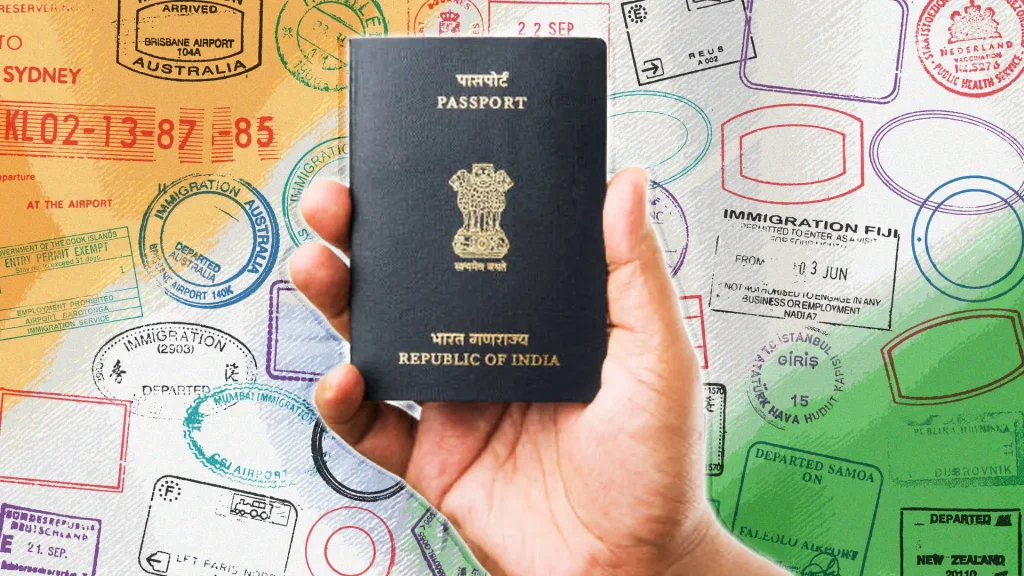
Entry rules depend on your nationality and passport, and they can change, so check the official Vietnam e-visa portal and the official Indian government source close to your travel date. Some countries may need a particular visa category for medical treatment, so do not assume a tourist visa covers a longer treatment plan. Dental treatment does not automatically extend a visa, and your authorized stay should cover the whole schedule, including buffer days.
For the total trip, add every cost to the treatment price: flights for each trip the plan needs, hotel nights, meals, local transport and time away from work. Implant cases often need two trips, so flights are paid twice. A destination that looks cheaper on the quote can lose that advantage once travel is added, particularly for a smaller case, which is why larger treatment plans usually benefit most from comparing abroad.
How to Check a Clinic’s Credentials in Any Country
Whichever country you choose, verifying the clinic matters more than the country’s reputation. Confirm that the clinic holds a current license with the relevant national or state authority and that the treating dentist is registered. Ask for the treatment plan, the implant brand and the warranty terms in writing before you pay a deposit.
Accreditation of a hospital does not automatically describe the standard of every department inside it, so ask what applies to the dental team that will actually treat you. Keep copies of the plan, the implant packaging details and any warranty cards, and check that the clinic can explain what happens if you need help after you return home. A clinic that answers these questions clearly is easier to trust than one that relies on a low price alone.
How Delia Dental Clinic Helps You Compare a Quote From India
Delia Dental Clinic has branches in Ho Chi Minh City and Hanoi, and the comparison can start before you book any flight. If you already hold a quote from an Indian clinic, send it with your X-rays, CBCT files or dental photos, and the team reviews the records to suggest a preliminary treatment direction, an estimated cost and a likely timeline. That review is not a diagnosis, and the final plan and quote are confirmed after an in-person examination.
The most useful comparison is line by line. A patient holding a low implant quote from India, for example, should check which implant system is named, whether the abutment and final crown are included, and whether CBCT imaging, extractions or bone grafting are listed. Delia Dental Clinic discloses the implant system in the plan and provides written warranty documentation, and patients can ask to see the unopened implant packaging and check the brand codes on the manufacturer’s website before agreeing to treatment.
For implant cases, CBCT assessment supports the planning, and the plan commonly runs across two trips with a healing period in between. The team checks that the implant has integrated and the case is ready before the final restoration is fitted, and remote follow-up through WhatsApp covers questions during healing. This is the structure to compare against any quote, in any country, so the decision rests on what is included and not only on the headline price.
Book a free online consultation here.
Frequently Asked Questions
Can I Compare an Indian Quote With a Delia Dental Clinic Quote Directly?
Yes, but only if both quotes describe the same work. Check that they name the same implant system, state whether the abutment and final crown are included, and list imaging, extractions and grafting in the same way. A quote that looks much cheaper often covers fewer items, so the gap may shrink or vanish once the scope is matched. Send both quotes with your X-rays to Delia Dental Clinic, and the team can point out where the scope differs. Any estimate from a remote review stays preliminary until an in-person examination confirms the plan. Remember to add travel for the number of trips each plan needs.
How Can I Verify an Implant Brand Before Treatment?
Ask to see the unopened implant packaging before surgery and check the brand and product codes on the manufacturer’s official website. Warranty cards may include a QR code that lets you confirm details online, although the format depends on the system. Photograph the packaging and keep the documents together so a dentist at home can refer to them later. This check is worth requesting at any clinic in any country, including Delia Dental Clinic. If a clinic cannot name the system or will not show the packaging, treat that as a reason to pause before committing.
What Should a Written Implant Warranty Cover?
A single headline number is not enough. The warranty should separate the implant fixture, the abutment and the crown or bridge placed on top, because each can carry different terms. It should also state the conditions that apply, such as follow-up visits and hygiene requirements, and what happens if a complication appears. Warranty terms at Delia Dental Clinic are published by implant system, so the fixture term depends on the brand chosen. Ask for the final terms in writing for your specific case, and never assume one warranty covers the whole treatment.
How Many Trips Do Implant Cases Need?
Many need two. The first trip usually covers assessment, CBCT imaging, surgery and a temporary restoration where suitable. The implant then heals, commonly for around three to six months, before the second trip fits the final crown or prosthesis. Cases involving bone grafting may need longer or an additional visit, judged from imaging. The second trip can often be moved if the coordinator is told in advance, so avoid buying non-refundable second-trip flights too early.
Do I Need a Visa for Dental Treatment in Vietnam?
Entry requirements depend on your nationality and passport, and they can change, so check the official Vietnam e-visa portal close to your travel date. Dental treatment does not automatically extend a visa, which means your authorized stay should cover the whole treatment schedule, including any buffer days. Delia Dental Clinic can clarify treatment dates and provide available records, but it does not guarantee or process immigration approvals. If your plan involves two trips, check the entry rules for each one separately. Do not assume a previous trip’s rules still apply.
Comparing Your Options Before You Book
If India is only one of several destinations on your list, these articles cover how Vietnam compares with other popular options and how to read a quote before you commit.
- Vietnam vs Thailand For Dental Tourism: Which is Actually Better?
- Vietnam vs Turkey for Dental Tourism: Cost, Quality, and Which Is Better
- Is a CBCT Scan Required Before Every Dental Implant in Vietnam?
- Are Premium Dental Implant Brands Worth the Extra Cost in Vietnam?
Final Thoughts
Send your existing India quote, X-rays or dental photos via WhatsApp or Messenger before you book flights, and Delia Dental Clinic can compare the plans and suggest a preliminary direction for Hanoi or Ho Chi Minh City.


