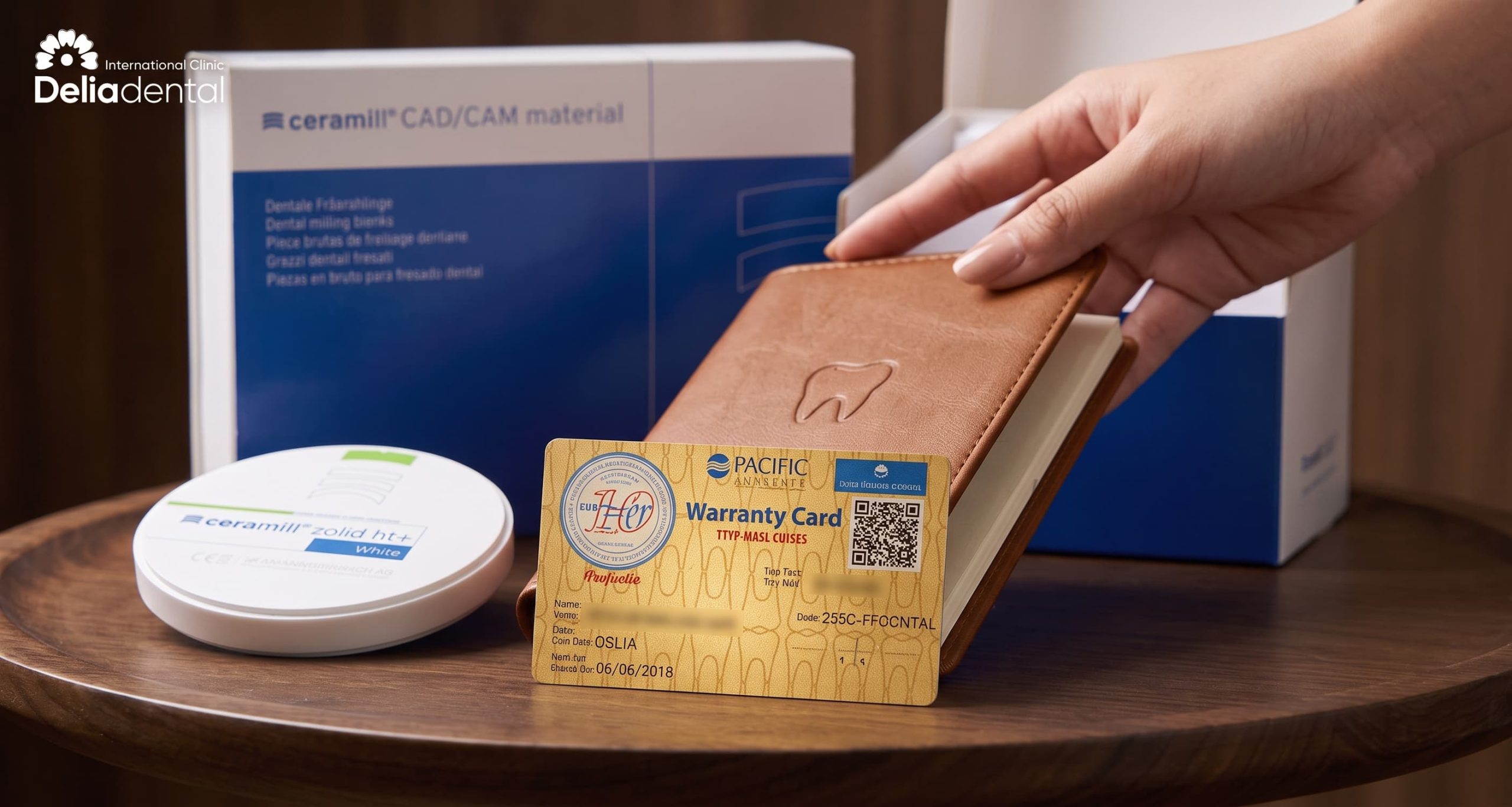
For an implant, you should receive an implant passport that records the serial and lot number of the exact implant placed in your jaw. For a crown or bridge, you should receive a warranty card naming the specific material used, such as a particular zirconia or ceramic product, along with the warranty terms attached to it. Together with your CBCT files, X-rays, and written treatment plan, these documents are what allow a dentist in your home country to pick up your case with confidence if you ever need follow up care.
This is not a formality clinics hand over out of courtesy. It is the only reliable way for a dentist who did not perform your original surgery to know exactly what is inside your mouth. A brand name alone tells a dentist the implant system in general terms. A serial number tells them the specific unit, which matters if a manufacturer ever issues a recall or if a component needs to be matched precisely rather than approximately.
This article breaks down what an implant passport actually contains, why the serial and lot number matter more than the brand name by itself, what documentation should come with a crown or bridge, and what to check before you leave the country where your treatment took place.
Quick answer
An implant passport should record the serial and lot number of your specific implant, along with the placement date, position, and system used. A crown or bridge should come with a warranty card naming the exact material and its warranty terms. You should also receive copies of your CBCT files, X-rays, and written treatment plan. All of this should be handed over as digital files you can send to any dentist, not only kept on paper at the clinic.
What an implant passport actually contains
An implant passport is a record tied to the exact implant placed in your jaw, not just a general description of the brand you chose. At minimum, it should show the serial number, which identifies that specific unit, and the lot or batch number, which identifies the production batch it came from. Alongside these, it typically records the implant system and model, the diameter and length used, the date of surgery, and the position in the mouth where it was placed.
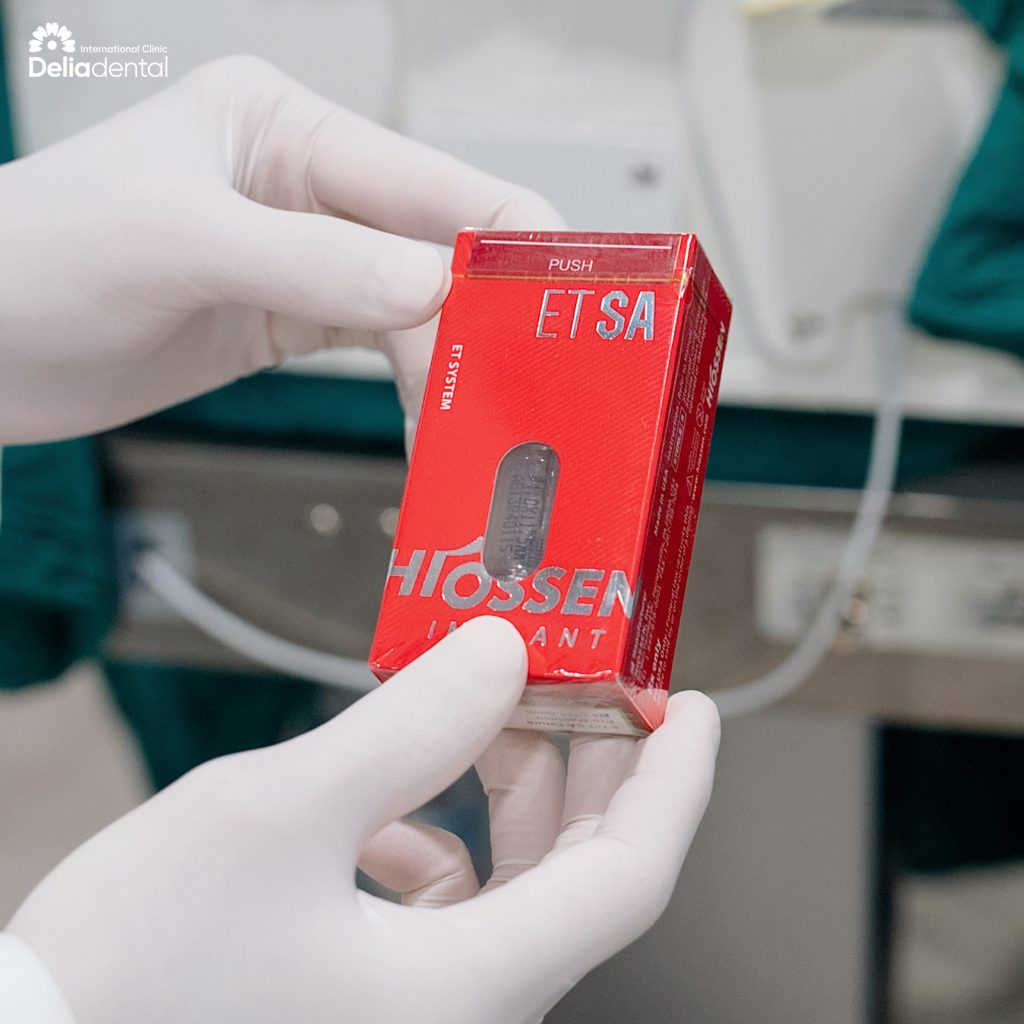
Some clinics also note the retention type used for the final restoration, whether the crown is screw-retained or cement-retained, since this detail affects how a dentist elsewhere would approach any future adjustment or repair. A practice that supports this kind of documentation is tagging the implant packaging itself and recording that tag’s serial number directly on the patient’s treatment record or contract at the time of surgery, so the number on file matches the physical unit placed rather than being written down from memory afterward.
Why serial and lot numbers matter more than the brand name alone
Knowing that an implant is a Straumann or a SIC tells a dentist which system they are dealing with in general terms, which is useful but incomplete. The serial number is what identifies the individual implant, and the lot number identifies which production batch it came from. This distinction becomes important in a scenario that is rare but real: a manufacturer recall or quality alert tied to a specific batch. Without a lot number on record, there is no way to confirm whether a particular implant is affected by such a notice. With one, the question can be answered directly rather than left as a guess based on approximate treatment dates.
Beyond recalls, a serial number also removes ambiguity if a dentist elsewhere needs to order a matching component, since implant components are generally specific not just to a brand but to a particular product line and dimension within that brand. A general description like “a Swiss implant” gives a dentist far less to work with than a documented serial number tied to a specific system and size.
What comes with a crown or bridge: material and warranty documentation
A final crown or bridge should come with its own documentation, separate from the implant passport, since it covers a different component made from different materials with its own warranty terms.
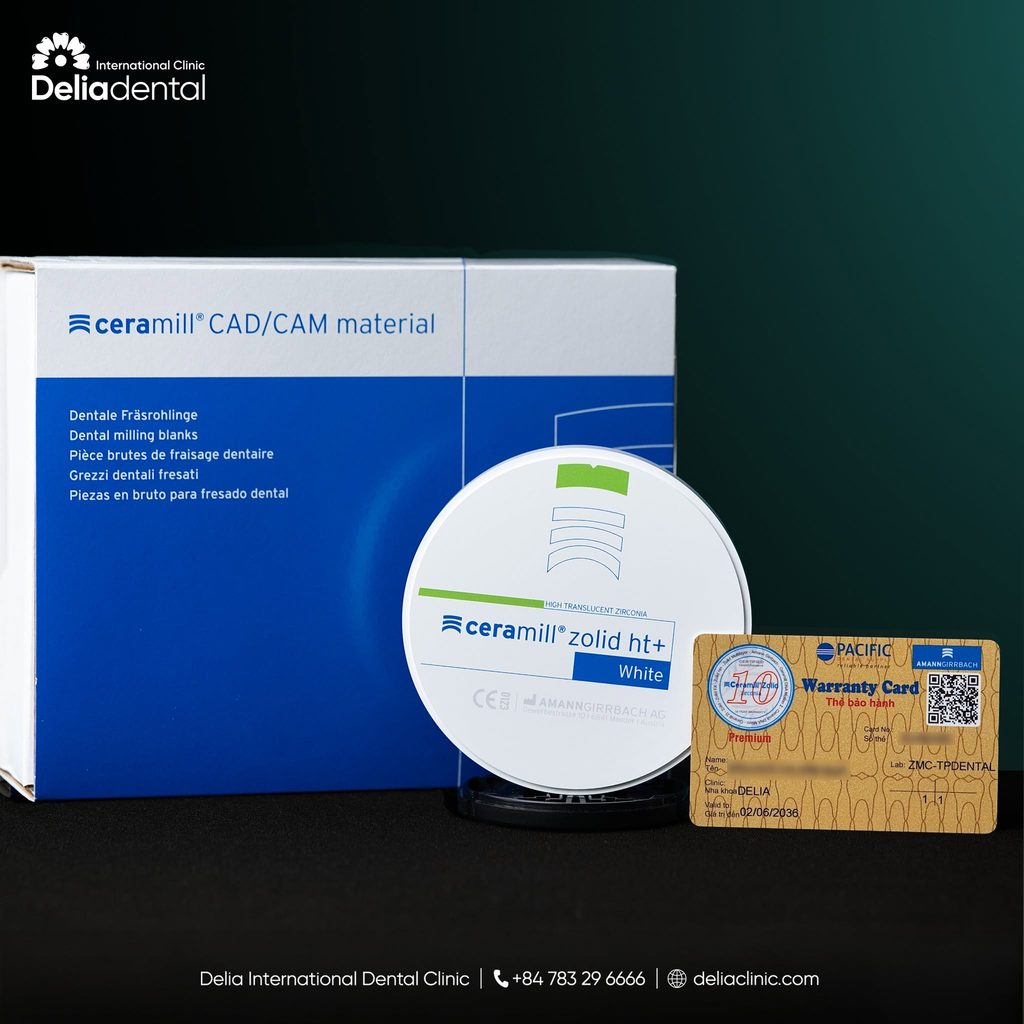
This documentation should name the specific material used, such as a particular zirconia product like Ceramill, or a specific branded ceramic such as Lava Plus from 3M ESPE, rather than a generic description like “premium ceramic crown.” A specific, traceable material name matters for the same reason a serial number matters on an implant: it is something you or a dentist elsewhere can independently verify, and it tells you exactly what is in your mouth if a question ever comes up about durability, allergy sensitivity, or replacement options.
A proper warranty card issued after treatment should state the material by name, the warranty period attached to it, and what that warranty actually covers, since a crown warranty and an implant fixture warranty are separate coverage periods tied to separate components. This is worth checking specifically rather than assuming one warranty figure covers everything, since compressing implant and crown warranty into a single number is one of the more common sources of confusion patients run into later.
Scans and records: what should be copied for you
Beyond the implant passport and crown documentation, three additional pieces of your record should be made available to you before you leave. Your CBCT files, in a digital format a dentist can actually open and review on their own imaging software rather than only viewed on screen at the clinic. Your X-rays, both any taken before treatment and any taken to confirm the final result. And your written treatment plan or quote, itemised by component, which gives a home dentist context on what was planned and what was actually carried out.
These should be provided as digital files, sent by email or through a downloadable link, rather than only as printed pages or images shown on a screen during your visit. A printed X-ray or a photo of a CBCT scan on a monitor is far less useful to a dentist trying to load the actual imaging data into their own system than the original file itself.
A checklist before you fly home
Before leaving the country where your treatment took place, confirm you have received the following, ideally as digital copies you can forward to any dentist.
- Your implant passport, showing the serial number, lot number, system, and placement details for every implant placed.
- A warranty card for your crown or bridge, naming the specific material and its warranty terms.
- Your original CBCT files, in a format your home dentist’s software can open.
- Your X-rays from both before and after treatment.
- Your written, itemised treatment plan or quote, confirming what was actually completed against what was originally proposed.
Delia Dental Clinic’s approach to implant passports and records
Every implant case at Delia Dental Clinic in Hanoi and Ho Chi Minh City is documented with an implant passport and written warranty information as a standard part of the treatment record, not something arranged only on request. This includes the specific implant system used, among options such as Osstem, Dentium, HIOSSEN, ETK, SIC, and Straumann, along with the serial and lot number tied to the exact unit placed. For crowns and restorations, patients receive documentation naming the specific material used, with warranty terms recorded separately from the implant warranty.
CBCT files, X-rays, and the written treatment plan can be provided as digital copies before a patient departs, so a dentist at home has everything needed to review the case without waiting on the original clinic to respond first. Patients who want to confirm exactly what documentation applies to their own case can ask the international patient team directly via WhatsApp or Messenger before finalizing their treatment plan.
Frequently asked questions
What if I lose my implant passport after I get home?
Contact the clinic that placed your implant and ask them to reissue a copy from their records, since the serial and lot number should be documented on file at the clinic regardless of what happens to your personal copy. This is one of the reasons it is worth confirming, before you leave, that the clinic keeps this information in your patient file rather than only handing you a printed slip with nothing retained on their end.
Can my CBCT files be sent directly to my dentist in Australia instead of going through me?
Many clinics can email files directly to a dentist you nominate if you provide their contact details and consent to the transfer, though this varies by clinic policy. Requesting this explicitly before you leave, rather than assuming it will happen automatically, avoids any delay if you need the files reviewed quickly after returning home.
Does a warranty card only apply at the original clinic, or can it be honored elsewhere?
This depends entirely on the specific warranty terms written on the card, which is exactly why reading them matters more than assuming. Some warranties cover replacement or repair only at the issuing clinic, while others may cover the cost of a manufacturer defect regardless of location but not the labor to address it elsewhere. Ask this question directly and get the answer in writing rather than assuming either interpretation.
What should I do if a clinic does not offer this documentation without being asked?
Ask for it directly before your final restoration is completed, specifically requesting the serial and lot number for your implant and the material name for your crown or bridge. A clinic with nothing to hide should be able to produce this information without hesitation, since it is standard information any properly run implant case already has on file.
Is an implant passport the same thing as a warranty card?
No, they cover different things. An implant passport identifies the specific implant placed, including its serial number, lot number, and system. A warranty card states the coverage terms and duration for a component, whether that is the implant fixture or the crown, and is a separate document even though both may be handed over together at the end of treatment.
Final Thoughts
An implant passport and proper crown documentation are not paperwork you file away and forget. They are what makes it possible for a dentist who did not treat you originally to understand exactly what is in your mouth, without guessing based on a brand name or an approximate description. Confirming you have these documents, in a usable digital format, before you leave is a small step that matters considerably more the day you actually need them.
Send a message via WhatsApp or Messenger to confirm exactly what documentation will be provided for your case, including implant serial numbers, crown material details, and digital copies of your CBCT and X-ray files, before your treatment plan with Delia Dental Clinic is finalized.


