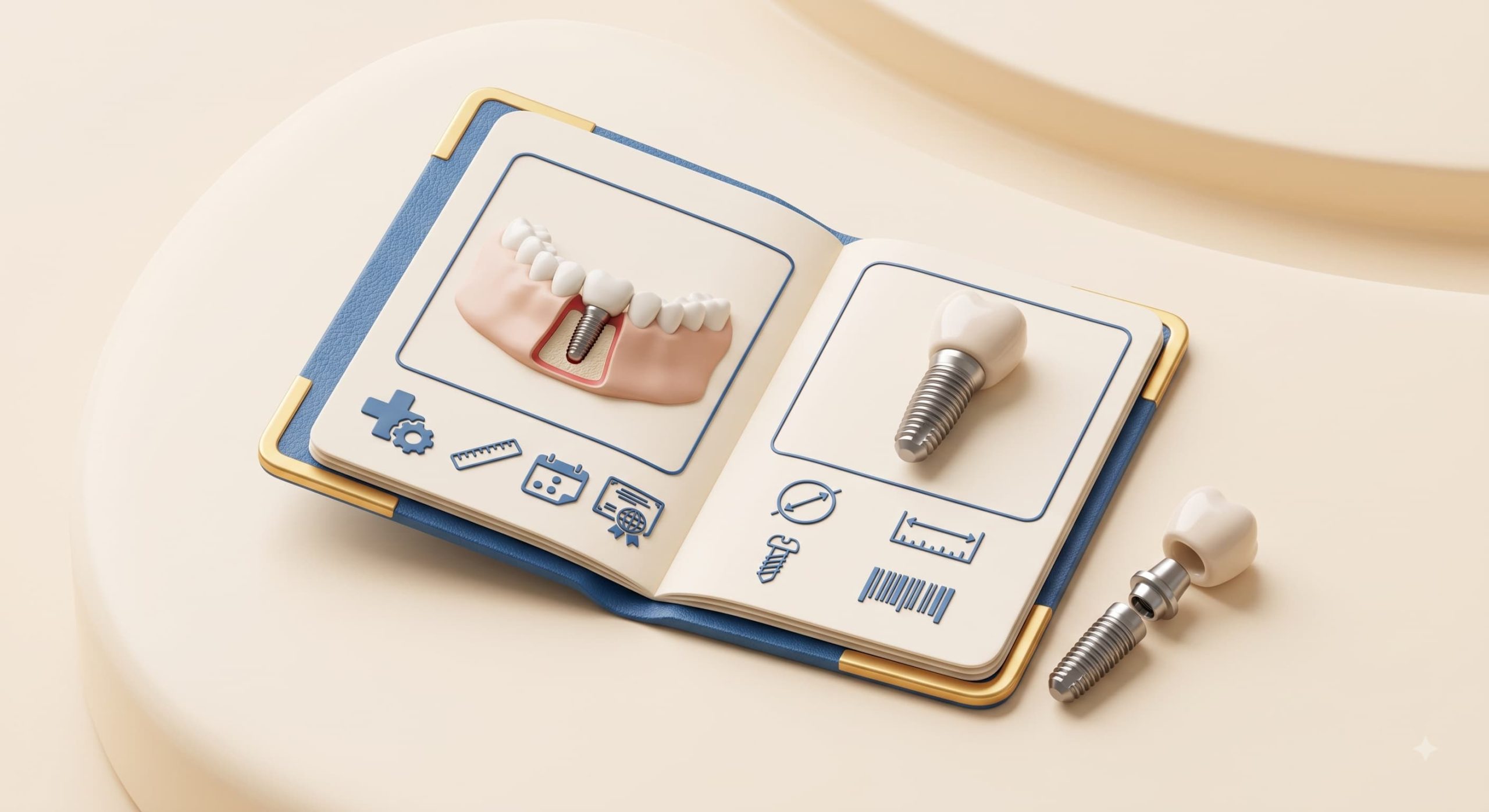
An implant passport is a record of the exact system, reference numbers, and physical details of the implant placed in your jaw. It is what allows a dentist in Australia, the US, the UK, or anywhere else to identify the correct compatible components years later, rather than guessing based on what country the implant came from or what it looks like on an X ray. Saying an implant is Swiss or Korean tells a home dentist almost nothing useful. The reference number and lot number tell them exactly what they are working with.
This matters most in the moment a patient least expects it, often years after treatment, when a screw needs replacing or a crown needs remaking and the treating dentist has never seen the system before. Whether that visit goes smoothly usually comes down to what documentation exists, not what country the original surgery happened in.
This article is about the document itself and what it should contain, not about diagnosing a specific problem. If a crown or screw already feels loose, the steps for that situation are covered separately in the guide to a loose implant crown after returning home. What follows here is what to have in place before that kind of visit ever becomes necessary.
Quick Answer
An implant passport records the manufacturer, system, reference and lot numbers, dimensions, and placement details of an implant. It lets a dentist anywhere identify the correct compatible components. If the physical document is lost, the reference and lot numbers can sometimes be confirmed through the manufacturer, but the most reliable fallback is the original treating clinic’s retained records.
What an Implant Passport Actually Documents
A complete implant passport typically includes the manufacturer and implant system, such as Straumann, along with the specific product line within that system, since most manufacturers sell several. It includes the REF or catalog number, which identifies the exact product, and the LOT or batch number, which identifies the specific manufacturing batch the implant came from. Physical dimensions, meaning diameter and length, are recorded as well, since these determine what replacement components will physically fit.
Beyond the implant itself, a useful passport also records the abutment type and connection, the placement date, and whether the crown was designed to be screw retained or cement retained, since this affects how a dentist accesses the restoration if repair work is needed. None of this is decorative information. Each field maps directly to something a dentist needs to know before ordering a part or attempting a repair.
Why These Details Matter More Than the Country the Implant Came From
Patients often describe their treatment by country of origin because that is what they remember being told, a Swiss implant or a Korean implant. This is not useless information, but it is far too broad to act on. Most major manufacturers sell several implant lines with different connection designs, diameters, and platforms, all under the same brand and the same country of origin. Knowing the brand narrows things down. It does not identify the part.
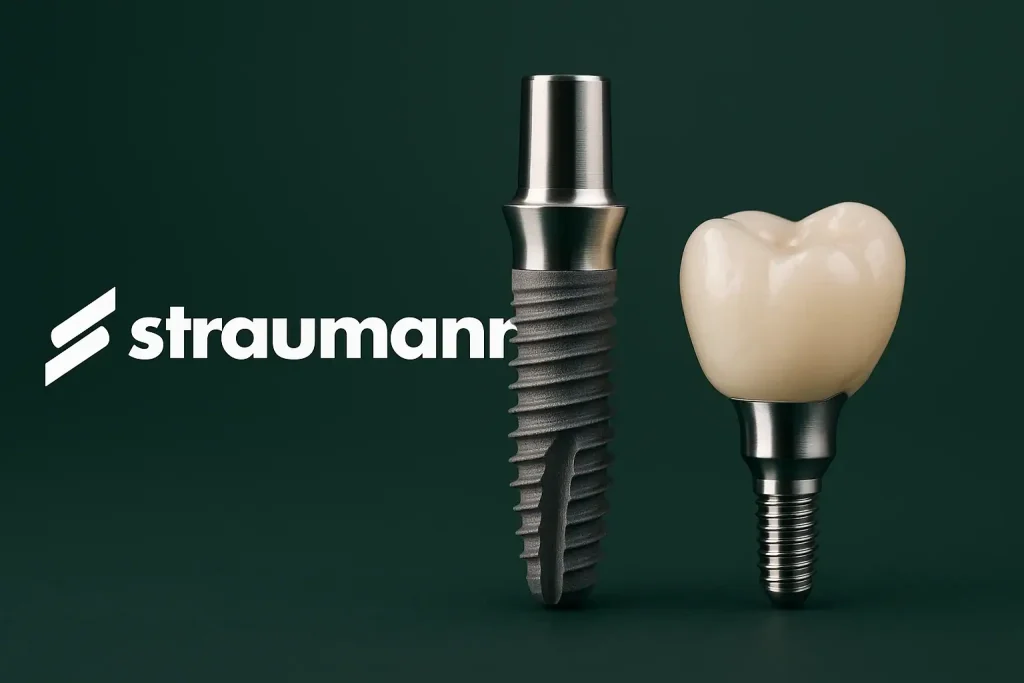
Straumann is a useful example precisely because it is one of the systems Delia Dental Clinic uses. Straumann sells both Tissue Level implants, where the transition between implant and abutment sits above the bone, and Bone Level implants, where that transition sits at bone level. These two families use physically different connection designs. Tissue Level implants generally use what Straumann calls a synOcta connection, while most Bone Level lines use a CrossFit connection, and the newer BLX line uses a further variant called TorcFit. An abutment made for one of these connections does not fit an implant using another, regardless of the fact that both are genuine Straumann products purchased from the same country.
The differences continue within a single family. Bone Level implants alone come in multiple diameters, and the connection geometry itself changes depending on that diameter, with separate connection types used for narrower implants than for standard ones. Straumann’s own prosthetic charts are organized around exactly this problem, mapping each specific platform, diameter, and collar height to its own set of compatible parts, because assuming one Straumann abutment works with another Straumann implant is not a safe assumption.
This is why a home dentist cannot work from country of origin, or even brand alone. What they need is the REF number, which identifies the specific product within all of this variation, and the LOT number, which identifies the manufacturing batch. Together, these are what a dental supplier or manufacturer representative actually checks against to confirm they are supplying the correct compatible part, rather than something that looks approximately right based on a general description.
How Manufacturer Verification Actually Works
Straumann, as one example, maintains an online verification tool intended for dental professionals. A dentist enters the REF and LOT numbers from a component, and the tool confirms whether it is an authentic Straumann product, which is also a prerequisite for coverage under the Straumann guarantee. This is a useful mechanism, but it depends on the REF and LOT numbers already being known. It confirms authenticity for numbers already in hand. It does not identify an unknown implant from a description or a photograph.
This distinction matters for expectations. If the implant passport is lost but the REF and LOT numbers were recorded anywhere else, a professional can use this kind of tool to confirm the component and its guarantee status. If neither the passport nor the numbers exist anywhere, the manufacturer’s tool has nothing to check against. In that situation, the most reliable path is contacting the clinic that placed the implant directly, since a properly run clinic retains this documentation in its own patient records independently of what the patient was given to take home.
For patients in the United States specifically, there is an additional layer worth knowing about. Implant devices sold in the US are registered under the FDA’s Global Unique Device Identification Database, a public system that records device identifiers, model information, and manufacturer data for products including dental implants. This database documents device models rather than an individual patient’s specific implant history, but it can help a US dentist confirm what a given product code or device identifier actually refers to if that information is available from the passport or the original treatment plan.
Why This Matters for Patients in Australia, the US, or the UK Specifically
Major implant manufacturers, including Straumann, maintain official distribution networks in Australia, the United States, and the United Kingdom, which means compatible components for well known systems are generally available to source locally when a dentist has the correct product information. This is different from some smaller markets, where an unfamiliar system might require a special international order and a longer wait.
What actually determines how quickly a home dentist can help is not which of these countries the patient lives in, but whether the dentist has the specific REF and LOT information needed to order the right part through that country’s existing distribution channel, rather than guessing at a compatible substitute or sending the case out for further identification first.
How Delia Dental Clinic Prepares This Documentation Before You Leave
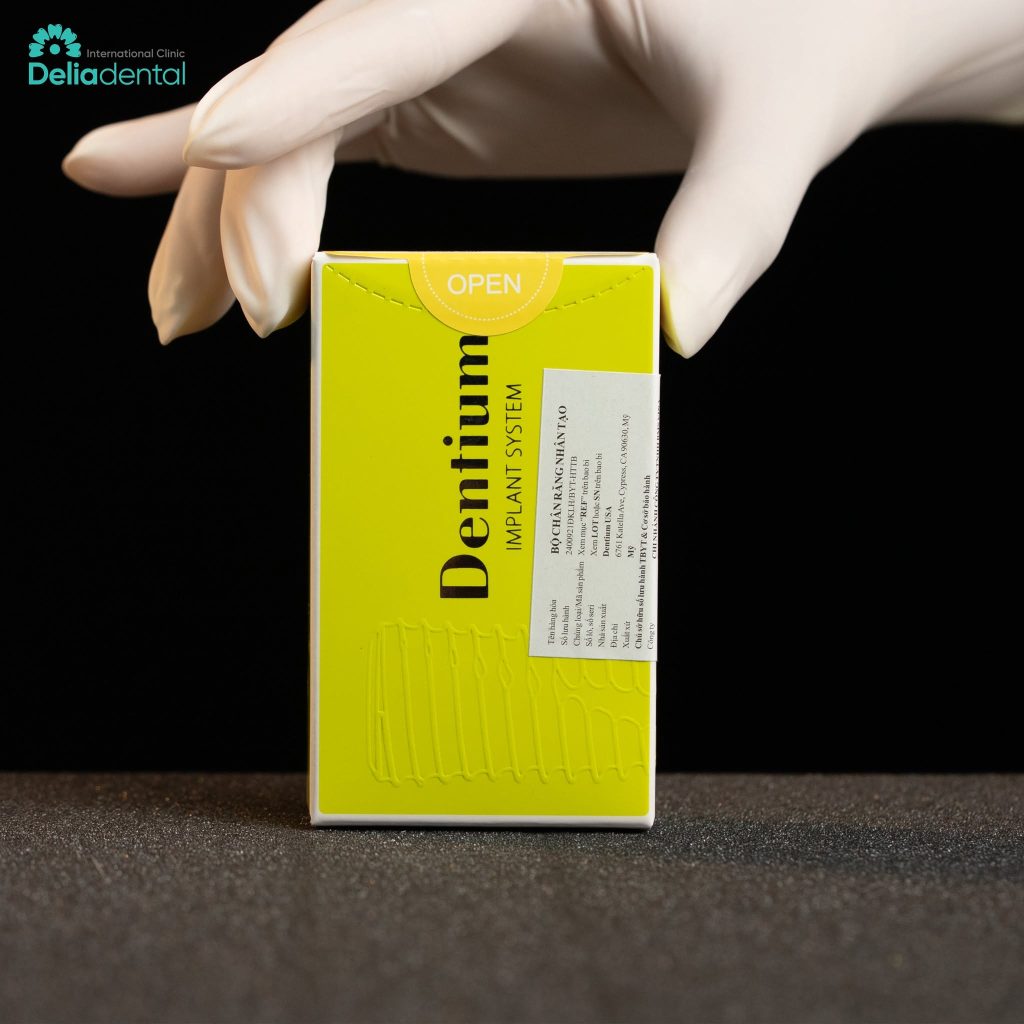
Delia Dental Clinic issues implant passport documentation as part of the written treatment plan for implant patients treated at its Hanoi or Ho Chi Minh City branches, recording the implant system, REF and LOT numbers, dimensions, and restoration details used during treatment. This is provided before the patient leaves Vietnam, rather than something requested later.
Because Delia Dental Clinic retains this information in its own patient records, a patient who has misplaced their personal copy can still request the details directly from the clinic. This does not replace an in person examination by a home dentist, and it does not guarantee that every component will be available immediately in every country, but it removes the single biggest obstacle a home dentist faces, which is not knowing what was actually placed.
Frequently Asked Questions
What if I lose my implant passport years after treatment?
Contact the clinic that placed the implant directly, since a clinic that retains proper records can usually provide the REF, LOT, and system information again even if your personal copy has been lost.
Does the implant passport replace the written warranty document?
No. The passport identifies the physical components used. The warranty document sets out what is covered, for how long, and under what conditions, and the two serve different purposes even though they are often provided together.
Is this information only relevant for implants, or does it matter for crowns and veneers too?
It is specific to implants and their components, since crowns and veneers do not have the same manufacturer traceability system. A crown or veneer replacement instead depends on shade, material, and impression records rather than a REF or LOT number.
Can a home dentist look up my implant using just my name or the country I was treated in?
No. Manufacturer verification tools work from the REF and LOT numbers of the specific component, not from a patient’s name or treatment location. This is exactly why the passport itself, or the treating clinic’s retained records, matters more than remembering where treatment happened.
Do I need to contact Delia Dental Clinic every time I see a dentist at home?
Not necessarily. If you have your implant passport, your home dentist can generally work from that documentation directly. Contacting Delia Dental Clinic becomes useful specifically when the documentation is missing or when the home dentist needs additional treatment history.
Does having this documentation guarantee my home dentist can complete the repair themselves?
No. It gives the dentist the information needed to identify and source correct components, but whether they can complete the repair also depends on their own clinical judgment, equipment, and comfort with the specific system involved.
Final Thoughts
The value of an implant passport is almost entirely in preparation, not in reacting to a problem after it happens. A few lines of REF and LOT data, recorded at the time of treatment, are often what decides whether a repair years later is straightforward or delayed by weeks of back and forth trying to identify what was actually placed.
If you were treated at Delia Dental Clinic and are unsure whether you received full implant passport documentation, or if you have misplaced it, send a message via WhatsApp or Messenger with your name and approximate treatment date. The international patient team can confirm what is on file and provide the details again for your records or your home dentist.


