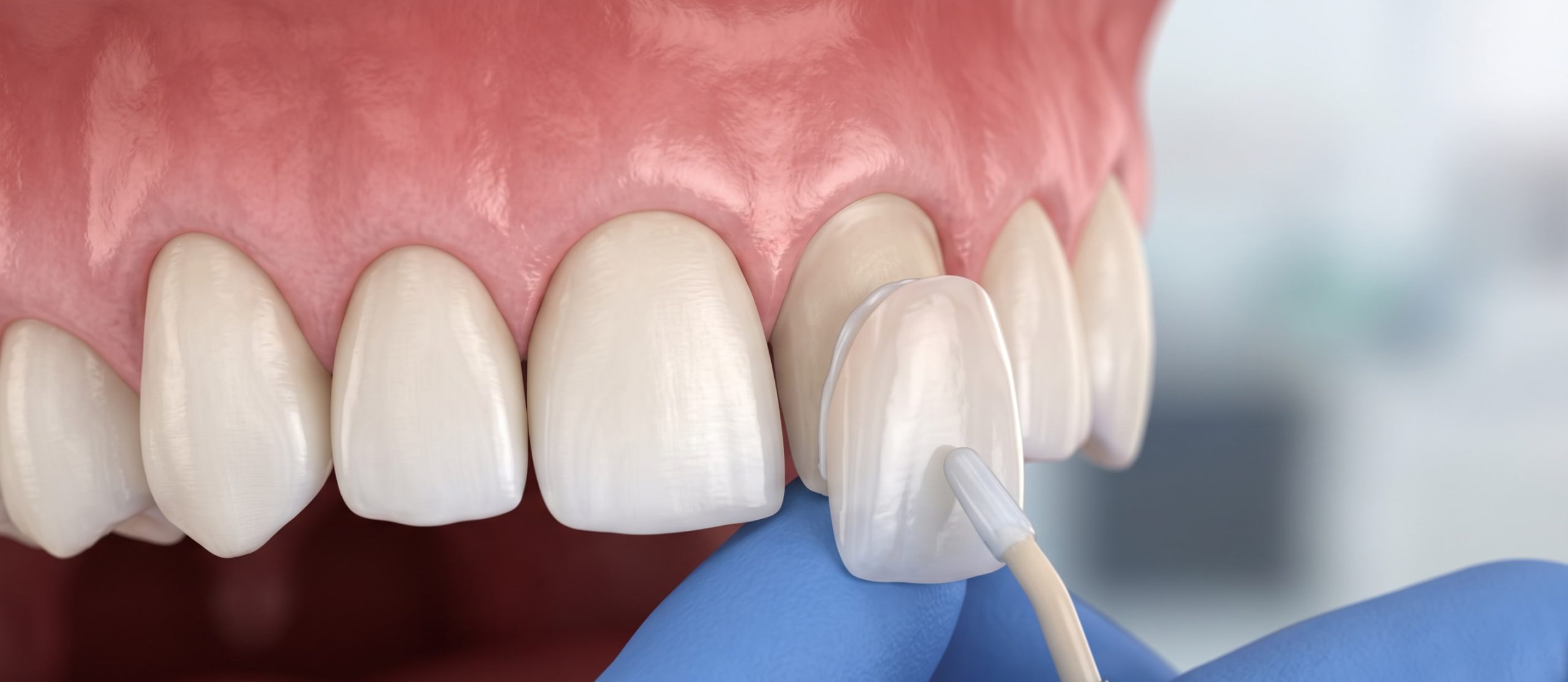
Veneers in Vietnam usually take several days because the case needs consultation, smile planning, tooth preparation if needed, lab work, try-in, and final bonding. For international patients, the real question is not only how long the dental work takes, but how many travel days should be planned safely.
This article focuses only on veneer timing: how many days to book, how the timeline changes by number of teeth, what can delay the case, and how much buffer to leave before flying home. For a full walkthrough of the treatment process, see our porcelain veneer process guide. For pricing by material, see our veneer cost guide.
At Delia Dental Clinic, patients can send smile photos, dental photos, and any recent dental records before travelling. This helps the team estimate whether the case is likely to need 5–7 days, 7–10 days, or a longer schedule before flights are booked.
Quick answer
Most straightforward veneer cases in Vietnam take around 5–10 days and can usually be completed in one trip. A small case of 1–2 veneers may fit into 5–7 days if the teeth are healthy and no extra treatment is needed. A fuller smile case of 6–10 veneers usually needs 7–10 days, sometimes longer if the trial fitting needs changes.
Unlike dental implants, veneers usually do not require a second trip months later for healing. However, patients should still leave a small travel buffer after the expected final fitting, because shade, shape, bite, or comfort adjustments may be needed before flying home.
How many days should you book for veneers in Vietnam?
The table below gives a practical planning range. The minimum timeline may be possible in simple cases, but international patients should usually book the safer planning window where possible.
| Veneer case size | Minimum workable timeline | Safer planning window | Notes |
| 1–2 veneers | 5–7 days | Around 7 days | Best for small chips, shade mismatch, or limited cosmetic correction |
| 3–5 veneers | 6–8 days | Around 8–9 days | Needs more shade and shape matching across several teeth |
| 6–10 veneers | 7–10 days | Around 10–12 days | Common for upper smile makeover cases |
| 10+ veneers or upper/lower smile design | 10–14 days | Around 12–14 days | More lab work, try-in time, and adjustment may be needed |
| Veneers combined with whitening, gum treatment, crowns, or fillings | 10–14+ days | Case-dependent | Other dental work may need to be completed first |
These ranges assume the patient has no active decay, gum disease, major bite issue, or old restorations that need replacing first. If other treatment is needed before veneers, the total trip may need to be longer.
What can change the veneer timeline?
The number of veneers matters, but it is not the only factor. Some small cases can take longer than expected if the teeth are not ready, while some larger cases can stay on schedule if planning is clear before the patient arrives.
Things that can make the timeline longer
Dental problems that need treatment first.
Active decay, gum inflammation, old leaking fillings, or an old crown that needs replacing may need to be treated before veneer preparation starts.
A bigger smile design.
A case involving 8–10 teeth needs more planning than one or two veneers because the dentist and lab must coordinate shade, length, width, edge shape, and smile symmetry.
Major shade change.
If the patient wants a much brighter smile, the dentist may need extra time to plan material opacity, matching with natural teeth, or whitening before final shade selection.
Changes after the try-in.
If the patient wants significant changes to shape, length, or shade after trying in the veneers, the case may need to go back to the lab.
Weekend, holiday, or lab schedule.
Dental lab timing can be affected by weekends, public holidays, or high-volume periods. International patients should ask whether the quoted timeline uses working days or calendar days.
Things that can make the timeline shorter
A small, clear case.
One or two veneers for a chip, small gap, or limited shade mismatch is usually easier to schedule than a full smile case.
Records sent before travel.
Clear smile photos, close-up dental photos, X-rays, and a short explanation of the goal help the clinic flag possible delays before the patient arrives.
Healthy teeth and gums.
If no cavity, gum treatment, whitening, or old restoration replacement is needed first, veneer preparation can often start early in the trip.

Sample veneer travel timelines
These sample schedules are for planning only. The actual schedule depends on the case, lab timing, and the dentist’s examination.
Small case: 1–2 veneers, around 5–7 days
| Day | Typical plan |
| Day 1 | Consultation, photos, shade discussion, case confirmation |
| Day 1–2 | Tooth preparation if needed, scan or impression |
| Days 2–4 | Lab work and temporary veneers if needed |
| Day 5 | Try-in and final bonding if everything fits well |
| Days 6–7 | Buffer for adjustment, bite check, or travel home |
Medium case: 3–5 veneers, around 6–8 days
| Day | Typical plan |
| Day 1 | Consultation and smile planning |
| Day 2 | Preparation, scan or impression, temporary veneers |
| Days 3–6 | Lab fabrication |
| Day 6–7 | Try-in, adjustments, and final bonding |
| Day 8 | Final check or travel buffer |
Full smile case: 6–10 veneers, around 7–10 days
| Day | Typical plan |
| Day 1 | Consultation, smile design, shade and shape discussion |
| Day 2 | Preparation and scan or impression |
| Days 3–7 | Lab work and temporary veneers |
| Day 7–8 | Try-in and review of shape, shade, and fit |
| Day 8–9 | Final bonding if approved |
| Day 10 | Final bite check, adjustment, or travel buffer |
For larger cases, patients should avoid booking a return flight on the same day as the expected final bonding. A small buffer makes the trip less stressful if the veneers need adjustment.
Do veneers need more than one trip to Vietnam?
Veneers usually do not need a second trip months later. This is different from dental implants, which often need a healing period before the final teeth are fitted.
Most veneer cases can be completed in one visit to Vietnam if the patient has enough days for consultation, lab work, try-in, and final bonding.
A second trip may only become relevant if:
- The patient does not have enough time for the full case in one visit
- The teeth need gum treatment, orthodontics, or other dental work first
- The patient wants to delay the final smile design decision
- A major change is requested after try-in and cannot be completed within the current trip
- The patient wants additional cosmetic work later
How to plan flights around a veneer timeline
For international patients, the safest approach is to plan the trip around the dental timeline, not the other way around.
Before booking flights, patients should ask:
- How many days are recommended for this number of veneers?
- Does the timeline include weekends or only working days?
- Is there enough time for try-in before final bonding?
- What happens if shape or shade needs adjustment?
- Should I stay one extra day after final bonding for a bite check?
- Can I travel around Vietnam during the lab days?
In most cases, patients do not need to be in the clinic every day. Clinic time is usually concentrated around the consultation, preparation, try-in, and final bonding. The middle days are often waiting time while the lab makes the veneers, so patients may have free time as long as they stay reachable for appointments.
A practical rule is to leave at least 1–2 buffer days after the expected final fitting, especially for 6 or more veneers.
How Delia Dental Clinic helps patients estimate a veneer timeline before travel
For veneer patients, the timeline should be discussed before flights are booked. A patient planning 1–2 veneers may need a shorter stay than someone planning 8–10 veneers, but the final schedule still depends on tooth condition, smile design, and lab timing.
At Delia Dental Clinic, patients can send smile photos, close-up dental photos, X-rays if available, and a short description of their goal before travelling. The team can then suggest whether the case may be a small veneer correction, a fuller smile design, or a case that needs other dental work first.
This helps patients understand:
| What patients need to know | How Delia can help |
| How many days to stay | Estimate a practical timeline based on case size |
| Whether veneers are suitable | Review photos and explain what must be checked in person |
| Whether other treatment is needed first | Flag possible issues such as decay, gum inflammation, or old restorations |
| Whether the case fits one trip | Explain if 5–7, 7–10, or 10–14 days is more realistic |
| How to plan the return flight | Recommend buffer time after try-in and final bonding |
Delia Dental Clinic has branches in Ho Chi Minh City and Hanoi, with English-speaking support for international patients. For veneer cases, the team can help patients plan consultation, preparation, lab work, try-in, final bonding, and aftercare around a realistic travel schedule.
FAQ
Can veneers be done in 3 days in Vietnam?
Three days is usually too tight for porcelain veneers, especially for international patients. Veneers need consultation, preparation, lab fabrication, try-in, and final bonding. A rushed timeline may leave too little room for adjustments.
Can veneers be done in 5 days in Vietnam?
A small case of 1–2 veneers may be possible in around 5 days if the teeth and gums are healthy, the lab schedule is clear, and no major adjustment is needed. Larger cases usually need closer to 7–10 days.
Is 7 days enough for veneers in Vietnam?
Seven days may be enough for small or medium cases. For 6–10 veneers or a full smile case, 7 days can be tight, so 10 days is often safer.
Do I need to be at the clinic every day?
No. Most clinic time is at the start and end of the treatment. The middle days are often used for lab work, so patients may have free time as long as they stay available for appointments.
Can I travel around Vietnam while waiting for veneers?
Usually yes, but patients should stay close enough to return for try-in or adjustments when the clinic needs them. For short veneer trips, it is safer not to plan long domestic travel during the lab period.
Does veneer material change the timeline?
Not as much as case size, lab schedule, and whether other dental work is needed first. Emax, Lisi, or other ceramic veneer materials may have similar timing if the lab workflow is available.
Do veneers need a follow-up trip like implants?
Usually no. Veneers are normally completed in one trip. Implants are different because they often need a healing period before the final restoration.
What happens if the veneers are not right at try-in?
Minor changes can often be adjusted before final bonding. Larger changes in shade, shape, or length may need extra lab time, which is why patients should build a small buffer into their travel schedule.
Final thoughts
Most veneer cases in Vietnam take around 5–10 days and can usually be completed in one trip. Small cases may fit into 5–7 days, while fuller smile cases are safer with 7–10 days or more.
The best timeline is not the shortest possible schedule. It is the schedule that leaves enough time for consultation, preparation, lab work, try-in, final bonding, and any small adjustments before the patient flies home.
If you are planning dental veneers in Vietnam, send your smile photos, dental photos, and any recent dental records via Whatsapp or Messenger to Delia Dental Clinic before booking flights. The team can review your case and suggest whether 5–7 days, 7–10 days, or a longer stay is more realistic.


