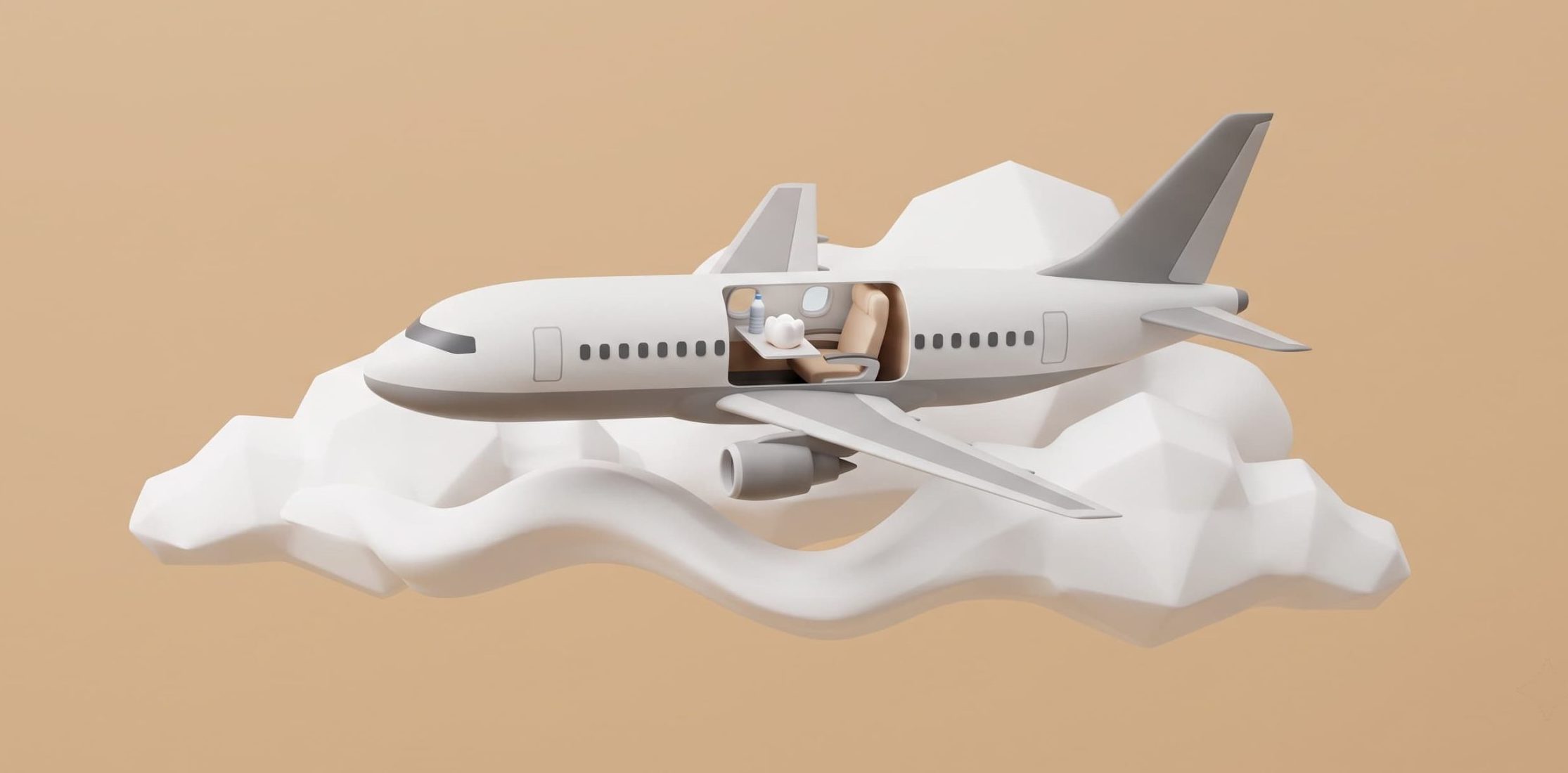
Temporary crowns are not a placeholder you can forget about until your next appointment. It has to do the same job as a normal tooth for weeks, sometimes months, and for many international patients that means carrying it through a long flight and using it every day in a country where the original clinic is not around the corner.
Whether it is safe to fly soon after a temporary crown is fitted depends on the type of cement used, how well the crown seats against the neighbouring teeth, and how far away the final fitting appointment actually is. None of these are things a patient can judge just by running their tongue over the tooth.
This article works through exactly what to confirm with the clinic before leaving Vietnam, what can realistically go wrong with a temporary crown during travel, and what to do if it does.
Quick Answer
A temporary crown can usually be flown with, but the patient should confirm the cement type, bite fit and estimated wait until the final crown before booking a return flight. Retention can be affected by cabin pressure changes and the dry air typical of long flights. A crown that already feels loose, high, or uneven before departure should be adjusted rather than flown with.
Why Temporary Crowns Need Extra Care Before You Fly
A temporary crown is held on with a cement designed to come off easily when the dentist removes it for the final fitting. That is a deliberate trade off: strong enough to survive normal use, weak enough to be removed without damaging the prepared tooth underneath. Materials commonly used for this stage, such as glass ionomer or eugenol based cements, are not built to match the long term retention of the cement used for a final restoration.
Cabin pressure changes can also matter more than most patients expect. If air becomes trapped in a small gap under a crown or filling that is not perfectly sealed, that air can expand as cabin pressure drops during ascent. Dentists sometimes see this show up as a sharp, localised ache during a flight, a phenomenon known as barodontalgia. It is a different mechanism from the crown simply falling off, and it is one reason a crown that already feels slightly high or uneven should not be flown with as is.
The dry cabin air on a long haul flight adds a second factor. Reduced saliva flow can affect how well a temporary cement holds, particularly over several hours of chewing, talking and drinking. None of this means flying with a temporary crown is unsafe. It means the crown should be checked and confirmed as stable before departure rather than assumed to be fine.
What to Confirm With the Clinic Before Boarding
A short conversation with the dentist before leaving the clinic can rule out most of the problems that show up later.
| Check | Why it matters |
|---|---|
| Cement type used | Some temporary cements hold better over several weeks than others |
| Bite fit when biting down normally | A crown that feels high can wear unevenly or come loose faster |
| Any looseness or rocking when tested | A crown that already moves should be re cemented, not flown with |
| What can and cannot be eaten while waiting | Sticky or very hard foods increase the risk of dislodging a temporary crown |
| Final fitting appointment date | Confirms whether the wait is measured in days or weeks |
| Whether the appointment is confirmed or estimated | An estimated date should be treated as provisional until confirmed |
The wait between a temporary crown and the final fitting is case dependent, ranging from a few days to several weeks. A patient with a same trip fitting has very different flight timing considerations from one who is returning weeks or months later for the final crown, so this date should be confirmed rather than assumed.
What Can Go Wrong With a Temporary Crown During Travel
Most problems fall into a few recognisable patterns.
The crown can come off completely, usually after biting into something sticky or hard, or after the temporary cement simply wears thin over time. It can crack or chip at the edge without fully detaching, which is less urgent but should still be checked. It can start to feel high or uneven against the opposite tooth, often noticed first when chewing on that side. The exposed prepared tooth underneath can also become sensitive to cold or sweet foods if the seal around the crown has weakened, even if the crown itself has not moved.
A crown that has come off entirely is the clearest case for prompt attention. A crown that still feels attached but slightly different from before is worth monitoring closely rather than ignoring, since a change in fit can be an early sign of the cement failing.

If the Temporary Crown Comes Loose or Falls Out While You Are Away
The prepared tooth under a temporary crown is usually more sensitive than a normal tooth, so losing the crown is uncomfortable rather than a medical emergency in most cases. If it happens, the crown itself should be kept rather than thrown away, since a local dentist may be able to re cement it if it is intact.
Patients should not attempt to glue the crown back on with household adhesive or over the counter dental cement bought without guidance, since an incorrect seal can trap bacteria against the prepared tooth or make the crown harder to remove cleanly at the final appointment. If a local dentist is not accessible quickly, keeping the area clean and avoiding chewing on that side until it can be looked at is a reasonable interim step.
Whether the crown is lost, cracked, or simply feels different, Delia Dental Clinic should be told what happened alongside any local dental visit, since it affects the plan for the final restoration and whether any changes are needed once the patient returns to Vietnam.
Delia Dental Clinic’s Pre Departure Check for Temporary Crowns
Before a patient leaves Hanoi or Ho Chi Minh City with a temporary crown still in place, the dentist checks the bite, confirms the crown is properly seated, and reviews how long the wait until the final fitting is expected to be. This is also the point to ask direct questions about what to avoid eating and what a normal versus abnormal sensation feels like during the waiting period.
If something changes while the patient is away, a photo or short video of the crown, along with a description of when the change was first noticed, gives the international patient team a clearer picture than a text description alone. This does not replace an in person check if one becomes necessary, but it helps determine whether the issue is minor and can wait until the scheduled final appointment or needs earlier attention.
Frequently Asked Questions
Can I fly the same day my temporary crown is fitted?
In most cases yes, provided the dentist has confirmed the bite feels even and the crown is not loose when tested. Flying is not the concern in itself. An unstable or high fitting before departure is what increases the chance of a problem during the flight or shortly after.
Will cabin pressure make my temporary crown fall off?
Not directly in most cases. Cabin pressure changes are more commonly linked to a dull or sharp ache from trapped air under an imperfect seal, rather than causing a well fitted crown to detach on its own. A crown that is already loose before boarding is at far greater risk from normal chewing than from pressure changes.
How long can a temporary crown safely stay on before the final fitting?
This depends on the individual case and the clinic’s treatment plan, ranging from a few days to several weeks. A temporary crown is not designed for indefinite use, so the final fitting date should be treated as a real deadline rather than a flexible estimate.
What if my final crown appointment is scheduled for months later?
Longer gaps are more common with cases involving additional treatment stages or when a patient is returning home before a second trip. In these situations, it is worth asking the clinic whether the same temporary crown is expected to last the full period or whether a check in partway through is recommended.
Should I see a local dentist if my temporary crown feels slightly off but has not fallen out?
A gradual change in fit is worth having looked at rather than waiting out the full period, particularly if it is affecting how you bite or eat. A local dentist can assess and adjust a temporary crown even if they were not the one who placed it, though it is worth telling Delia Dental Clinic about any adjustment made elsewhere before the final fitting.
Final Thoughts
A temporary crown is designed to hold, not to be indestructible, and the honest answer to whether it is safe to fly with one is that it depends on how it was checked before departure. Confirming the cement type, testing the bite, and getting a clear final fitting date turns an uncertain situation into a manageable one.
Send a photo of your temporary crown along with your planned flight date to Delia Dental Clinic via WhatsApp or Messenger before you leave Vietnam. The international patient team can confirm the crown looks stable for travel or flag anything that should be checked before you board.


