A crown bite that’s still off after one adjustment is common and doesn’t mean something went wrong. Here’s what a second adjustment involves and when to ask for one.
Needing a second bite adjustment after multiple dental crowns doesn’t mean the first one was done badly, and it doesn’t mean the crowns were made wrong. With several crowns placed at once, there are simply more surfaces meeting each other at the same time, and it’s common for the bite to need more than one round of fine tuning before it settles into place.
The first adjustment usually happens while there’s still some numbness from the local anesthetic, which makes it genuinely hard to judge exactly how the bite feels. Add in a bit of tissue swelling around the treated teeth, and what feels slightly high in the chair can feel different again a day or two later once everything settles. That’s the main reason a second visit exists for this, not a sign of a mistake.
This guide covers why multiple crowns are harder to get right on the first pass than a single crown, what actually happens in a second adjustment appointment, and where the line sits between a normal follow up and a bite problem that needs a different kind of look.
Quick Answer
Needing a second bite adjustment after multiple crowns is common and expected, since anesthetic, tissue swelling, and the number of new contact points can all mask a small high spot at the first appointment. A second adjustment usually involves rechecking with articulating paper and light reshaping. It becomes a bigger concern only if the bite is still noticeably uneven after several adjustments, or if pain, jaw discomfort, or a crown feeling unstable continues alongside it.
Why Multiple Crowns Are Harder to Get Right the First Time
A single crown only has to meet its immediate opposing tooth in a way that feels natural. Multiple crowns placed together have to meet each other and the surrounding natural teeth all at once, and adjusting one contact point can quietly change how another one feels. Moving a high spot on one crown by even a small amount can shift how much force lands on the crown next to it, which is why the first adjustment sometimes resolves one contact while leaving another one to still get worked out.
Numbness from the local anesthetic adds another layer to this. Right after the crowns are seated, the mouth is often still partly numb, which makes it hard to fully judge where the bite sits. A crown that felt fine at the end of the appointment can feel different once sensation returns fully, sometimes a day or two later. Mild swelling in the gum tissue around freshly prepared teeth can do something similar, changing how contacts feel until it settles down.
None of this means the crowns were poorly made. It means the mouth’s own feedback at the first appointment isn’t always reliable enough to catch every small discrepancy, which is exactly why a follow up check exists as a normal step rather than an exception.
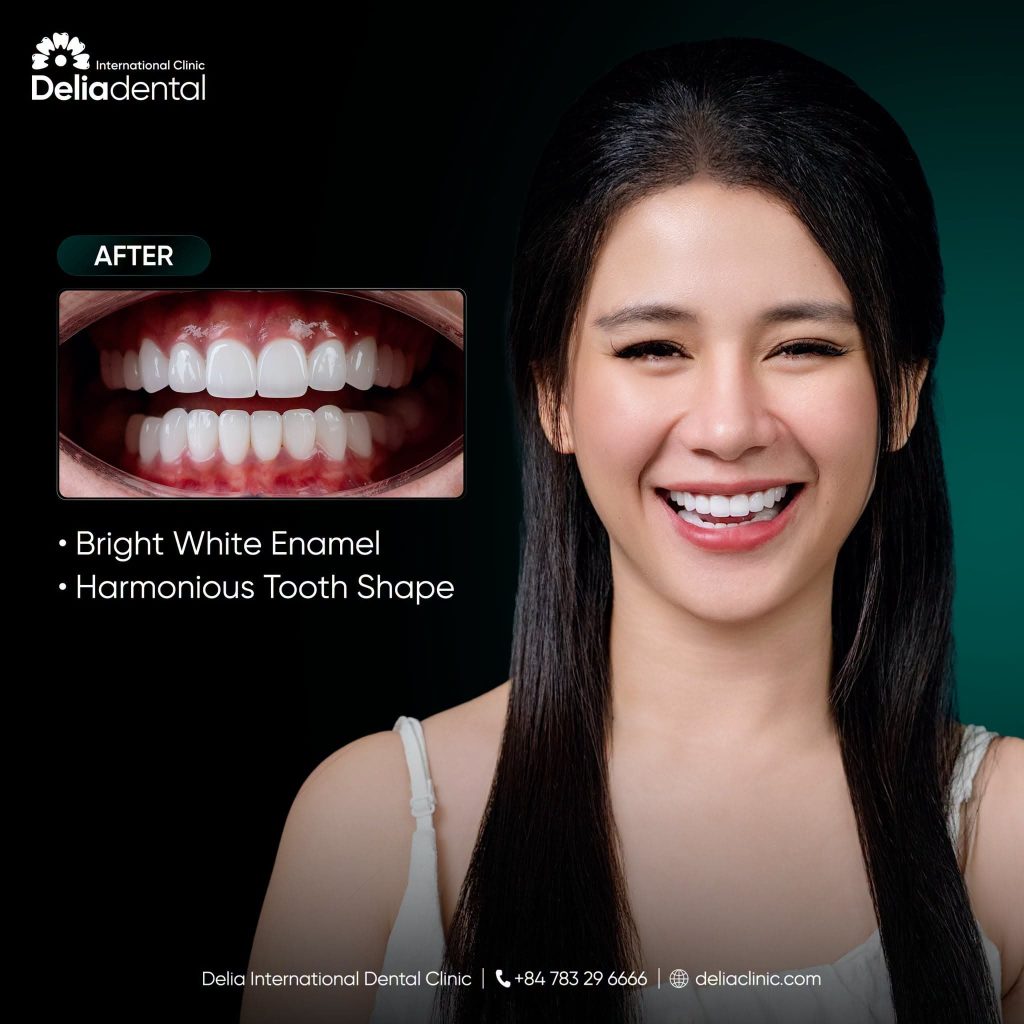
What a Second Crown Bite Adjustment Appointment Actually Involves
A second adjustment is usually a short, straightforward visit rather than a repeat of the original crown procedure. The dentist has the patient bite down on a thin sheet of articulating paper, a colored marking film that shows exactly where the teeth are making contact and how hard. Any spot that’s marking too dark or too early gets identified this way rather than guessed at.
From there, the adjustment itself is typically light reshaping of the high or uneven spot, checked and rechecked with the marking paper until the bite marks come through evenly across the crowns and the natural teeth around them. This step also usually includes checking the bite during actual jaw movement, not just a straight-down bite, since a contact that feels fine when closing straight can still catch when the jaw shifts sideways or forward, which matters more with several crowns interacting than with just one.
Adjusting a small amount of material from the surface of a crown at this stage doesn’t weaken it when it’s done carefully and doesn’t need to be redone from scratch. A crown only needs to be remade if there’s a more significant problem with its shape, size, or fit that goes beyond what a surface adjustment can correct.
When a Second Adjustment Is Normal, and When It’s Not
A second adjustment fits the normal pattern when it involves one spot feeling slightly heavier on one side, a specific tooth catching first when biting down, or lingering unevenness that’s noticeably better after the first adjustment but not fully resolved. This kind of gradual refinement, especially across multiple crowns, is a routine part of getting a complex bite to settle rather than something to be concerned about.
It moves outside that normal pattern when the bite still feels significantly off after several rounds of adjustment with little improvement, when there’s ongoing pain, jaw or facial discomfort, or headaches that weren’t there before, or when a crown itself feels loose, mobile, or unstable rather than just uneven. Repeated adjustment without real improvement usually means the underlying issue needs a more thorough diagnostic look, rather than another round of grinding down the same contacts and hoping it resolves. Excessive adjustment can also leave a crown thinner or shorter than it should be if it isn’t paired with a proper reassessment of what’s actually causing the mismatch.
If the bite still isn’t right after a couple of adjustment visits, that’s a reasonable point to ask for a more detailed occlusal assessment rather than a third quick adjustment of the same spots.
How Delia Dental Clinic Checks Multiple Crown Cases Before and After Fitting
With multiple dental crowns, Delia Dental Clinic checks the bite using articulating paper at more than one point in the visit, both immediately after the crowns are seated and again after the patient has had a few minutes for any numbness to ease slightly, since that window is when a genuinely high spot is easiest to identify accurately. The check includes jaw movement in different directions, not only a straight bite, since crowns that sit correctly when closing straight down can still interfere with side to side or forward movement once several of them are involved.
For international patients, this matters more than usual, since flying home shortly after treatment means less opportunity for a quick in-person follow up if something feels slightly off in the days after. Patients are encouraged to mention any lingering high spot or uneven feeling before their final appointment in Hanoi or Ho Chi Minh, and if something develops after returning home, sending a description of exactly what feels off, which side, and whether it’s one specific tooth or more general, helps with figuring out whether it’s a normal settling pattern or something that needs a closer look.
Frequently Asked Questions
How many bite adjustments are considered normal after multiple crowns?
One or two adjustment visits within the first couple of weeks is within the normal range, particularly with several crowns placed together where more contact points need to settle into place. If the bite is still clearly uneven after that, or adjustments keep addressing the same spot without lasting improvement, it’s worth asking for a more thorough occlusal check rather than continuing with repeated quick adjustments.
Does adjusting the bite weaken or damage the crown?
A small, carefully done adjustment to smooth a high spot does not meaningfully weaken a crown or shorten its lifespan. The concern is repeated or excessive grinding without a clear diagnostic reason, which can leave a crown thinner than intended or change its shape enough to affect how it functions. This is one reason a second adjustment should still involve a proper marking-paper check rather than an estimate.
Will a second adjustment cost extra?
This depends on the clinic’s policy and whether the adjustment falls within an agreed aftercare or follow up window. It’s reasonable to ask about this directly before the appointment, particularly if the original treatment already included planned follow up visits as part of the quote.
Can the bite still feel off after I’ve already flown home?
Yes, and it isn’t unusual, particularly since some settling can continue for days after treatment as swelling fully resolves. If this happens, a clear description of what feels off, which teeth are involved, and whether it’s improving or staying the same helps in working out whether it’s still part of normal settling or needs a closer look, including whether a visit to a local dentist for an interim check makes sense before any follow up with the original clinic.
Why didn’t the first adjustment catch the problem?
Numbness from the local anesthetic and mild swelling in the gum tissue right after the crowns are seated can both make it hard to judge the bite accurately in the same visit. With multiple crowns, adjusting one contact can also change how another one feels, so a spot that seemed fine initially can shift slightly once everything else has been adjusted. This is the main reason a follow up check exists as a standard step rather than a sign the first visit missed something it should have caught.
Is a second adjustment a sign the crowns were made incorrectly?
Not on its own. Needing to fine tune the bite after multiple crowns reflects how many contact points are involved and how the mouth’s own feedback isn’t always reliable in the same appointment, not a fault in how the crowns were fabricated. It becomes a different question only if the bite remains significantly off after several rounds of adjustment or if a crown itself doesn’t fit correctly in terms of shape or seating, rather than just contact height.
Final Thoughts
A second bite adjustment on multiple crowns is a routine part of getting a more complex bite to settle, not a sign that something went wrong the first time. What matters is tracking whether each adjustment is making real progress. Steady improvement across one or two follow up visits is the expected pattern, while a bite that stays significantly off despite repeated adjustment is the signal to ask for a more thorough look rather than another quick fix.
If your bite still feels uneven after treatment at Delia Dental Clinic, whether you’re still in Vietnam or have already returned home, send a description of exactly what feels off, which teeth are involved, and how it’s changed since your last visit via WhatsApp or Messenger. The international patient team can help work out whether it fits the normal adjustment pattern or needs a closer assessment.


