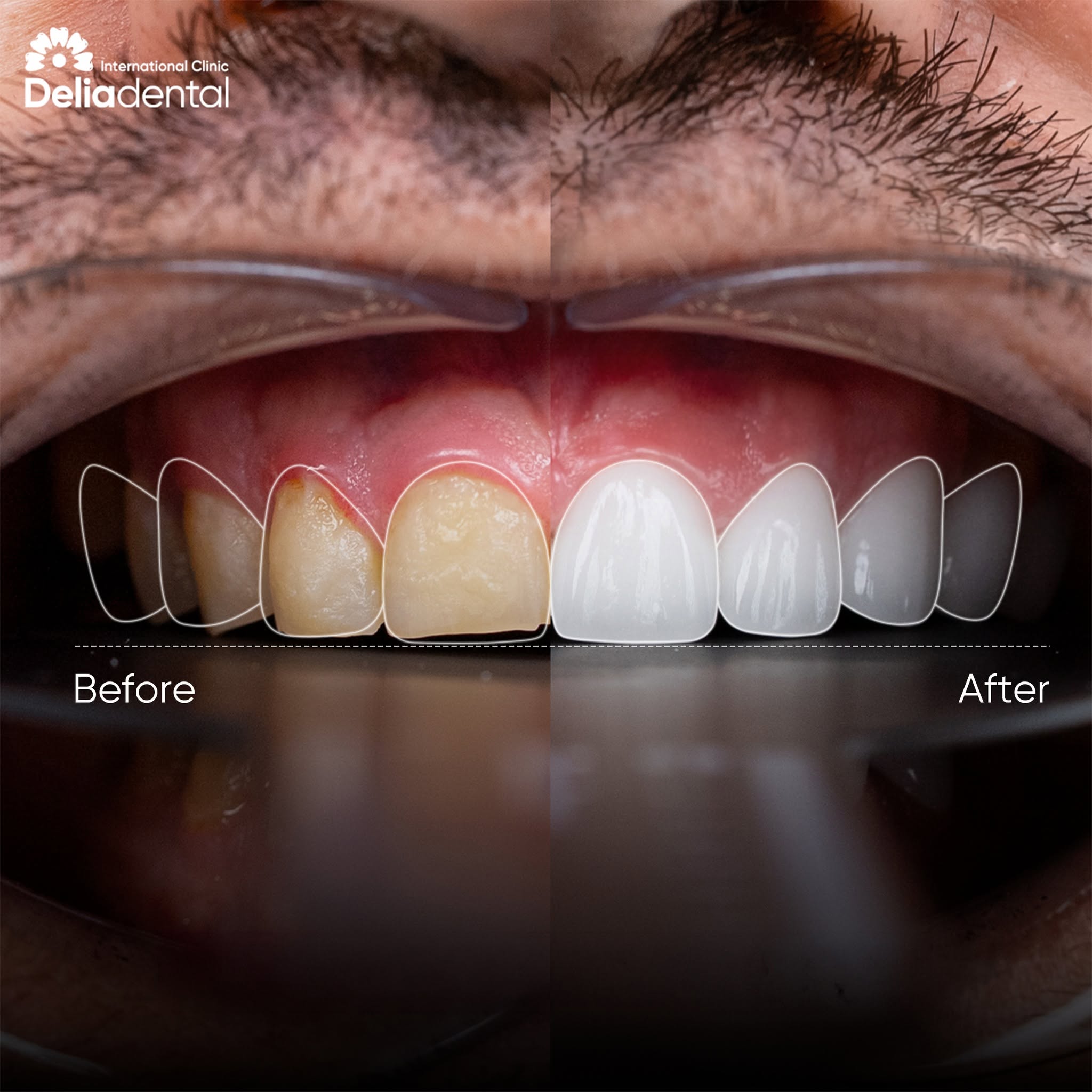
Patients cannot reliably identify the zirconia crown quality that are used for a dental crown simply by looking at the finished restoration. Colour, translucency, and surface gloss can help assess its appearance, but they do not confirm the manufacturer, zirconia grade, or laboratory workflow.
For international patients, the more reliable approach is to verify the material name in writing, understand what is included in the quote, review the crown during trial fitting, and receive complete treatment and warranty records before returning home.
This guide focuses on those verification steps. For a broader explanation of zirconia types, clinical performance, treatment indications, and comparison with Emax or PFM crowns, see the complete guide to zirconia crowns in Vietnam.
Quick answer
To check zirconia crown quality, ask for the exact product name, crown design, itemised price, and written warranty before treatment. During trial fitting, review the shade, shape, contact, and bite. Appearance alone cannot confirm the zirconia source, so written treatment records remain important for international patients.
Can You Tell Whether a Zirconia Crown Is Genuine by Looking at It?
Not reliably.
A crown that looks natural may have been designed and finished well, but its appearance does not prove which zirconia system was used. A crown that looks too bright, flat, opaque, or bulky also does not automatically mean the material is counterfeit.
Appearance can be affected by:
- shade selection;
- crown thickness;
- the colour of the prepared tooth;
- monolithic or layered construction;
- surface staining and polishing;
- lighting conditions;
- neighbouring tooth shape and colour.
In practical terms, a genuine zirconia crown is one that matches the product or material named in the treatment plan. Confirming this requires documentation and a transparent treatment process, not a visual guess.
Patients should separate two questions:
- Was the agreed zirconia product used?
- Was the crown designed, fabricated, fitted, and adjusted properly?
The first is addressed through written material information. The second is assessed through fit, bite, appearance, surface finish, and follow-up.
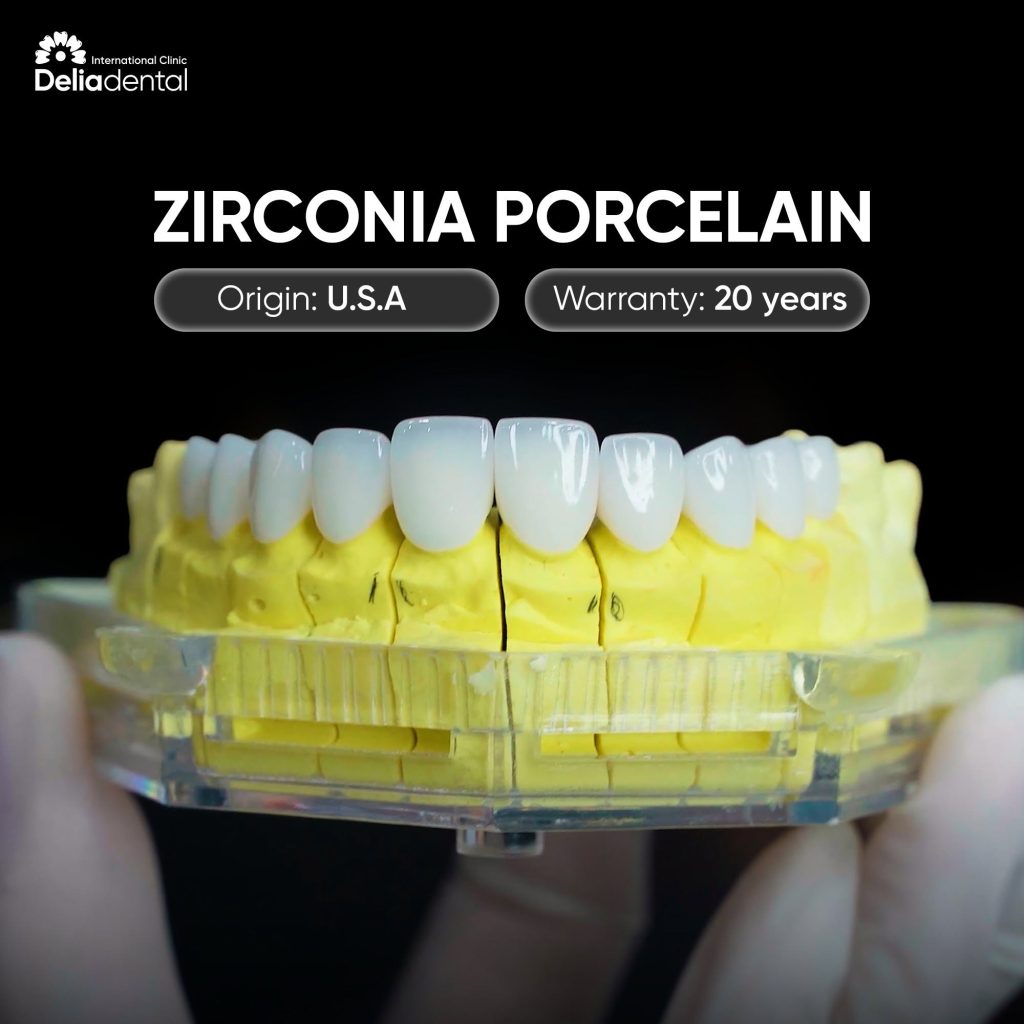
What to Verify Before Zirconia Crown Treatment Starts
The best time to clarify the material and quote is before the tooth is prepared and before the permanent crown is made.
Ask for the Exact Zirconia System or Product Name
A treatment plan should state more than the general word “zirconia.” Ask the clinic to identify the specific zirconia system or product line and the manufacturer where applicable.
A recognised product name makes it easier to review the manufacturer’s stated indications and material properties. However, the product name alone does not guarantee the quality of the finished crown.
The final result is also influenced by:
- tooth preparation;
- crown design and thickness;
- scan or impression accuracy;
- milling and sintering;
- shade selection;
- laboratory finishing;
- clinical fit;
- cementation;
- bite adjustment.
A branded zirconia block can still produce an unsatisfactory result if the design, fit, or finishing is poor. Material verification is therefore one part of the quality check, not the entire check.
Confirm Whether the Crown Is Monolithic or Layered
A zirconia crown may be made as a full-contour monolithic restoration or combined with an added ceramic layer.
These designs differ in fabrication, appearance, and possible complications, but neither should automatically be described as genuine, fake, high quality, or low quality. The clinic should explain which design is being proposed and why it fits the specific tooth.
For a detailed comparison of monolithic, layered, Emax, and PFM restorations, refer to the main zirconia crown guide.
Request an Itemised Treatment Quote
A zirconia crown quote should identify the exact crown system, price per tooth, and any additional procedures that may be required.
Ask whether the quote includes:
- examination and diagnostic records;
- tooth preparation;
- scan or impression;
- temporary crown;
- laboratory fabrication;
- trial fitting;
- bite adjustment;
- final cementation;
- written warranty;
- follow-up appointment.
Possible additional costs include root canal treatment, a core buildup, a dental post, decay treatment, gum treatment, or replacement of an old restoration.
A quote that only states “zirconia crown package” does not provide enough information for comparison. For a detailed pricing breakdown, see the guide to dental crown cost in Vietnam.
Read the Written Warranty Terms
A long warranty period can sound reassuring, but the number of years is not the only detail that matters.
Ask:
- what the warranty covers;
- which conditions can invalidate it;
- whether regular check-ups are required;
- whether treatment by another clinic affects coverage;
- how an international patient starts a claim;
- whether travel or local dental costs are included.
A warranty is a service commitment subject to stated conditions. It is not a guarantee that the crown will never require adjustment, repair, or replacement.
Delia publishes a written warranty policy covering named restorative systems and treatment conditions. Patients should still confirm the exact material, current warranty period, and conditions applying to their own treatment plan.
What to Check During the Zirconia Crown Trial Fitting
The trial fitting is one of the most useful stages for reviewing the visible and functional result before permanent cementation.
It does not confirm the source of the zirconia block, but it allows the patient and dentist to identify problems with appearance, contact, comfort, and bite while changes may still be possible.
| What to review | What to check |
| Shade | Does the crown match the surrounding teeth under clinic lighting and, where possible, natural light? |
| Shape and length | Does it look proportionate to the neighbouring teeth and the overall smile? |
| Thickness | Does the crown appear unnecessarily bulky or overcontoured? |
| Surface | Does it look smooth and appropriately finished rather than visibly rough? |
| Contact | Can the area be cleaned, and is food likely to become trapped? |
| Bite | Does the crown feel high, uneven, or uncomfortable? |
| Jaw movement | Is there interference when moving the jaw forward or sideways? |
| Approval | Have concerns been discussed before permanent cementation? |
For a visible front crown, patients should also consider whether it looks too bright, opaque, flat, long, short, or different from the neighbouring teeth.
The dentist must assess features a patient cannot reliably judge alone, including crown margins, internal fit, restoration thickness, cementation conditions, and the health of the underlying tooth.
Why Fit and Surface Finishing Matter
A well-known zirconia brand cannot compensate for poor clinical fit.
The crown must contact neighbouring teeth appropriately and function within the patient’s bite. An inaccurate or poorly adjusted crown may contribute to food trapping, cleaning difficulty, gum irritation, discomfort, or excessive force on the crown and opposing tooth.
Patients should not attempt to diagnose crown margins themselves. Instead, ask the dentist to explain how the fit, contact, and bite were checked.
Surface finishing also matters. A crown may require adjustment during the fitting appointment, and any adjusted zirconia surface should be finished according to the manufacturer’s protocol rather than left rough.
Research indicates that repolishing zirconia after clinical adjustment can reduce wear against the opposing enamel compared with leaving the surface rough. The appropriate polishing or glazing sequence depends on the zirconia system and the adjustments made.
A useful question to ask is:
If the crown is adjusted during the bite check, how will the adjusted surface be polished or finished afterward?

What Records Should You Receive Before Returning Home?
International patients should request complete records before leaving Vietnam. These can support maintenance, follow-up, or assessment by a local dentist.
Ask for:
- the exact crown material or product name;
- the tooth number or location treated;
- an itemised invoice;
- relevant treatment notes;
- available before-and-after imaging;
- written warranty documentation;
- warranty terms and exclusions;
- aftercare instructions;
- the recommended check-up schedule;
- contact details for post-treatment questions.
Do not assume a manufacturer certificate or batch card is automatically issued for every crown system. Ask what documentation the clinic provides and make sure the agreed material appears in the treatment plan, invoice, or clinical records.
Questions to Ask Before Treatment
- What exact zirconia product or system will be used?
- Is the crown monolithic or layered?
- Why does this design fit this tooth?
- What is included in the per-tooth price?
- Could I need a root canal, post, or core buildup?
- Will I receive a temporary crown?
- Can I review the shade, shape, and bite before cementation?
- How will the crown be polished if it is adjusted?
- What does the written warranty cover?
- What records will I receive before returning home?
- Who should I contact if the bite feels wrong after I leave?
- Can a local dentist use the records for follow-up?
A clinic should be able to answer these questions clearly without relying only on general phrases such as “premium zirconia” or “high-quality porcelain.”
How Delia Helps Patients Confirm Their Zirconia Crown Plan
Delia Dental Clinic has branches in Hanoi and Ho Chi Minh City and provides international patients with an initial crown review before they travel.
Patients can send dental photos, recent X-rays, treatment records, or an existing crown quote to Delia via WhatsApp or Messenger. The team can help clarify:
- the crown system being considered;
- the reference price per tooth;
- possible preliminary treatment;
- what is included in the quote;
- the likely number of appointments;
- whether the schedule may fit within one trip.
After the patient arrives, the initial direction is confirmed through an in-person examination and any clinically required imaging. Before permanent cementation, the crown is reviewed for fit, shade, shape, contact, and bite.
Before returning home, patients should receive an itemised invoice, treatment information, aftercare guidance, and the applicable written warranty documentation.
Patients can also read Delia Dental Clinic reviews and the clinic’s real patient review page to understand how other international patients describe their treatment and travel experience.
FAQ
Can You Identify a Genuine Zirconia Crown by Colour?
No. Colour and translucency help assess appearance, but they cannot confirm the manufacturer or product line. Written material information is more reliable than appearance alone.
Does a Very White Crown Mean It Is Low Quality?
Not necessarily. A crown may look too white because of shade selection, thickness, opacity, lighting, or a mismatch with surrounding teeth. It may indicate an aesthetic problem, but it does not prove the zirconia is counterfeit.
Should the Zirconia Brand Appear on the Quote?
The quote or treatment plan should identify the specific zirconia system or product line where applicable. A general description such as “zirconia crown” provides less information for comparison and future records.
Does Every Zirconia Crown Come With a Manufacturer Certificate?
Not necessarily. Documentation practices vary. Ask what records will be supplied and make sure the agreed crown system appears in the treatment plan, invoice, or clinical notes.
Are Unbranded Zirconia Crowns Dangerous?
A lack of clear product information reduces traceability, but the word “unbranded” alone does not prove that a crown is unsafe. Ask for the material details, fitting process, quote scope, and warranty rather than making a conclusion from branding alone.
Is a Cheaper Zirconia Crown Always Lower Quality?
No. Prices may differ because of promotions, operating costs, crown design, laboratory workflow, and quote inclusions. Compare the named product, treatment scope, fitting process, and warranty instead of price alone.
What Should I Do if the Crown Feels High After Fitting?
Tell the dentist before leaving the clinic. If the problem appears after returning home, contact the treating clinic. A physical assessment by a local dentist may be required if the bite cannot be evaluated remotely.
What Documents Should I Receive Before Flying Home?
Request the material name, tooth location, invoice, treatment notes, relevant imaging, written warranty, aftercare instructions, and post-treatment contact information.
Final Thoughts
A crown’s appearance alone cannot confirm which zirconia product was used or whether every laboratory and clinical step was completed correctly.
The more reliable approach is to request a named material, an itemised quote, a clear trial-fitting process, written warranty terms, and complete treatment records. Fit, bite, finishing, and aftercare matter alongside the zirconia product itself.
Send your dental photos, recent X-rays, treatment records, or an existing crown quote to Delia Dental Clinic via WhatsApp or Messenger before booking your flight. The team can provide an initial material, cost, and timeline review for treatment at Delia’s Hanoi or Ho Chi Minh City branch. The final treatment plan will be confirmed after an in-person assessment.


