Dental surgery in Vietnam does not require a vaccine of its own, and Vietnam has no vaccine certificate requirement for most arrivals, according to the UK’s National Travel Health Network and Centre. Travel health still matters, because the vaccines you choose and any illness you pick up before the surgery date can change how safely and when treatment goes ahead.
Two different questions are involved. Vaccines are a planning decision made weeks ahead with your own doctor. A stomach bug, fever or mosquito borne infection is a symptom based decision made in the days before surgery, when the dentist needs to know how hydrated, stable and well you are.
This guide explains which vaccines are worth checking for a dental trip to Vietnam, how to time them around surgery, how to judge diarrhea, vomiting and fever before an implant date, why dengue deserves its own section, and what to send Delia Dental Clinic so the date can be confirmed or moved early.
Quick Answer
Dental surgery in Vietnam does not require a special vaccine, but routine and travel vaccines should be reviewed with a doctor weeks before departure. Diarrhea, vomiting or fever before surgery can mean the date needs to move. Tell the clinic early, because dehydration, sedation fasting and medication absorption affect the decision.
Which Vaccines Should You Check Before a Dental Trip to Vietnam?
Patients travelling to Vietnam for dental treatment should check routine vaccines first, then the travel vaccines that official guidance lists for Vietnam. The CDC advises that travellers to Vietnam be up to date on routine vaccines, and recommends vaccination against typhoid and hepatitis A, with hepatitis B advised especially for long term travellers and expatriates because chronic hepatitis B is common in the local population (CDC Yellow Book, Vietnam).
| Vaccine | Why it comes up for Vietnam | Who it mainly concerns |
|---|---|---|
| Routine vaccines (measles, diphtheria, tetanus, seasonal flu) | Basic protection before any international trip | Every traveller |
| COVID 19 | CDC advises travellers to be up to date | Every traveller |
| Hepatitis A | Spread through contaminated food or water | Most travellers |
| Typhoid | Spread through contaminated food or water | Most travellers, especially adventurous eaters |
| Hepatitis B | Chronic hepatitis B is common in the population | Longer stays; doctor decides for short trips |
| Japanese encephalitis | Present across Vietnam | CDC recommends it for travellers spending one month or more in the country |
A dental trip of one to two weeks to Hanoi or Ho Chi Minh City usually involves a city itinerary, so the practical core is routine vaccines, hepatitis A and typhoid. Hepatitis B and Japanese encephalitis depend on trip length, your vaccination history and your health, which is why the decision belongs to your own doctor or a travel health clinic and not to the dental clinic.
Dengue has no vaccine that is widely recommended for travellers, so mosquito bite prevention remains the main protection. Whether a dengue vaccine suits you is a separate question for a travel health clinician.
How Should Vaccines Be Timed Around Your Surgery Date?
Vaccines should be finished well before the surgery date, ideally in the weeks before travel and not in the final days. Some vaccines need more than one dose, and many travel clinics ask patients to book a consultation four to six weeks before departure, which leaves room for a full schedule.
The reason timing matters for dental surgery is practical. A sore arm, tiredness or a mild temperature after a vaccine is common and usually short lived, but a surgical team reading your condition on arrival cannot easily tell a vaccine reaction from the start of an infection. For that reason, patients should avoid booking a new vaccine in the days right before implant surgery unless their doctor advises it.
Tell Delia Dental Clinic the name and date of any vaccine received in the weeks before the trip. This takes one line in a message and lets the dentist interpret a mild temperature correctly instead of guessing. Patients with existing conditions such as diabetes, a weakened immune system or anticoagulant treatment should ask their doctor about vaccine timing as part of the broader records they prepare. Delia’s guide to medical records to prepare before a dental trip covers that wider file.
How Do You Lower Stomach Bug Risk Before Surgery?
Patients lower the risk of a stomach bug mainly by controlling food, water and hand hygiene during the first days in Vietnam, because contaminated food and water are the route for hepatitis A and typhoid and for most traveller illness. No method removes the risk completely, and a clinic cannot promise that a patient stays well.
Practical steps that reduce risk:
- Drink sealed bottled water, and use it for brushing teeth if you prefer extra caution
- Choose food that is freshly cooked and served hot, and be cautious with raw salads, shellfish and food that has been sitting out
- Ask whether ice is made from filtered water, and skip it when unsure
- Wash hands with soap before eating, or use sanitizer when a sink is not available
- Keep the first day or two simple, and avoid testing unfamiliar street food right before surgery
- Arrive at least one day before the first appointment, so any illness shows up before the surgery date and not on it
Planning the first meals carefully matters more than patients expect, because an upset stomach on the morning of surgery leaves very little room to adjust.
Can You Have Dental Surgery With a Stomach Bug?
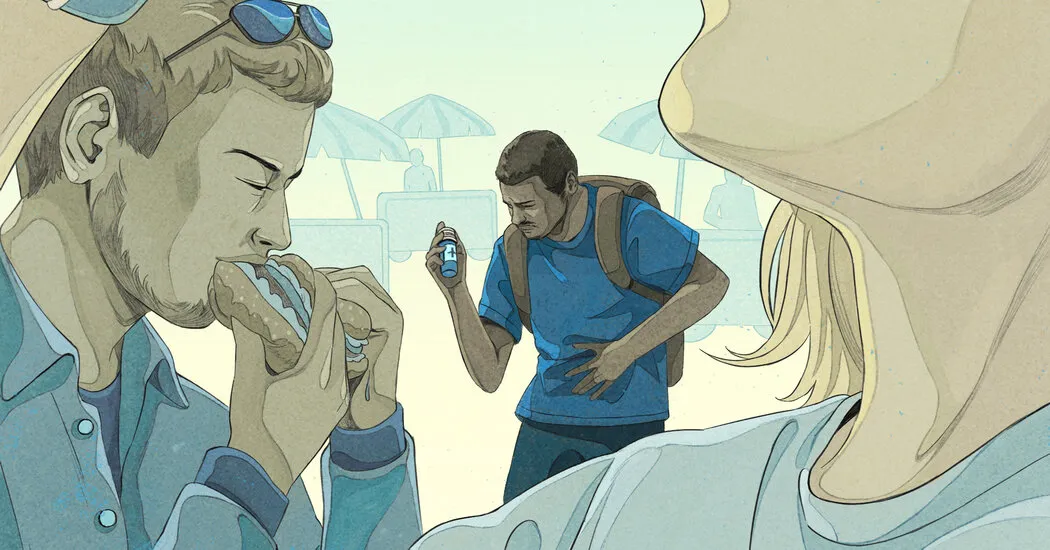
Dental surgery with a stomach bug depends on severity, hydration and the planned procedure, and the treating dentist makes the final decision after hearing your symptoms. A single loose stool with normal eating and drinking is a different situation from repeated vomiting or diarrhea with fever.
| Situation | How it is usually viewed | Contact the clinic first? |
|---|---|---|
| Mild stomach upset, no fever, eating and drinking normally | Often manageable, but the dentist should still know | Yes, send a short message |
| Repeated diarrhea or vomiting over several hours | Dehydration and fatigue may make surgery less suitable on that day | Yes, before you travel to the appointment |
| Diarrhea with fever, severe cramps or blood | Needs medical review before elective surgery | Yes, and see a doctor |
| Unable to keep fluids down, dizziness, very dark urine | Possible dehydration, needs medical care first | Yes, urgently |
Dehydration and Sedation Fasting
Dehydration is the main concern with a stomach bug before surgery, because a patient who is already low on fluids may feel weaker during and after a procedure. If sedation or another form of anaesthesia is planned, fasting instructions also apply, and vomiting or diarrhea can make those instructions harder to follow safely. Patients should follow the instructions given for their confirmed procedure and tell the team about any illness during the fasting window.
Medication Absorption and Self Treatment
Vomiting and severe diarrhea may reduce how well oral medicine is kept down or absorbed, which matters when antibiotics or pain relief are part of the surgical plan. Patients should not start antibiotics on their own for a stomach bug. Medicine for diarrhea is usually not advised when there is fever or blood in the stool, so a pharmacist or doctor should be asked first and the dental team told what was taken.
Fever Before Implant Surgery: Expected, Needs Review or Urgent?
A fever before implant surgery should be treated as a reason to contact the clinic, because the cause matters more than the number on the thermometer. Fever is commonly defined as a temperature of 38 degrees Celsius or higher, and this guide separates three levels. It does not diagnose anything, and a dentist cannot diagnose a cause remotely from a message.
| Level | What it looks like | What to do |
|---|---|---|
| Expected | Low temperature or tiredness within a day or two of a recent vaccine, otherwise well and improving | Tell the clinic the vaccine name and date |
| Needs review | Fever with no clear cause, a cold or flu type illness, tooth or gum swelling, or fever that is not settling | Contact the clinic before the surgery date and consider a doctor visit |
| Urgent medical care | High fever with severe headache, rash, bleeding, persistent vomiting, difficulty breathing or confusion | Seek medical care first, then inform the clinic |
A cold or sore throat is a related case. Congestion and coughing can affect comfort during treatment, and a fever changes the decision completely, so patients should describe symptoms accurately and let the dentist decide whether the planned procedure still makes sense.
Dengue Season and Dental Surgery
Dengue is endemic in Vietnam, and the CDC states that transmission occurs year round and peaks during the summer rainy season, so patients should prevent mosquito bites throughout the trip (CDC Yellow Book, Vietnam). Dengue is spread by mosquitoes that mainly bite during the day, so repellent, long sleeves and screened or air conditioned rooms help at any time of day.
Dengue matters for dental surgery because it can cause fever, body pain and, in some patients, mucosal bleeding such as bleeding gums. A clinical review in the Canadian Medical Association Journal advises considering dengue in a feverish patient who has travelled to an endemic region within the previous two weeks, with an incubation period of five to seven days being most typical, and lists mucosal bleeding among the warning signs of progression to severe dengue (CMAJ case review).
For a patient who arrives in Vietnam and develops fever with muscle or joint pain, severe headache or pain behind the eyes, the safe sequence is straightforward:
- See a doctor and ask about dengue testing, before any surgery goes ahead
- Tell the dental clinic immediately, so the surgery date can be moved
- Follow the doctor’s advice on pain relief, because aspirin and ibuprofen are commonly avoided when dengue is suspected due to bleeding risk
- Seek urgent care for persistent vomiting, severe abdominal pain, bleeding or marked weakness, particularly as the fever settles
Elective surgery during an active febrile illness is a clinical decision, and patients should expect the dentist to postpone until a doctor has cleared the cause. Moving a date costs far less than operating on a patient who is unwell.
What Should You Send Before You Fly?
Patients should send a short, specific health update along with the usual dental records, so the clinic can judge the situation before travel. The list is deliberately small:
- Current medication and allergy list
- Names and dates of any vaccines received in the last few weeks
- Any current symptoms, such as diarrhea, fever, cough or sore throat, with start dates
- Planned arrival date and the first appointment date
- Existing X-rays or CBCT files, and photos of the teeth involved
For patients with diabetes, anticoagulant medicine or another long term condition, the wider records in Delia’s medical checklist apply as well. Records should be sent through the WhatsApp or Messenger channels the clinic provides, and not posted publicly in comments.
How Delia Dental Clinic Reviews Your Health Before a Surgery Date
Delia Dental Clinic reviews the records and health update a patient sends before booking, then confirms the plan in person at the Hanoi or Ho Chi Minh City branch. The remote review is preliminary. On arrival, the patient completes an updated medical history and has an in person examination, and the final treatment plan, quote and appointment schedule are confirmed after that examination.
When a patient reports a stomach bug, fever or other illness, the dentist can only judge it case by case, based on the symptoms, the planned procedure and whether sedation is involved. Delia Dental Clinic encourages patients to report symptoms before the appointment instead of after, because an early message leaves time to adjust the schedule. Patients also have a reason to be complete and accurate in what they disclose: the published warranty conditions at Delia Dental Clinic list undiagnosed allergies and medical issues before dental operations among the situations where a warranty may be modified or cease to be valid.
The team does not provide travel vaccinations, diagnose illness remotely or replace a local doctor. Vaccine decisions stay with the patient’s own doctor, and anyone who becomes unwell in Vietnam should see a physician, with the clinic informed so treatment timing can be reviewed.
Frequently Asked Questions
Do I need a vaccine certificate for dental treatment in Vietnam?
No vaccine certificate is required for most travellers entering Vietnam, according to the UK’s National Travel Health Network and Centre, and a dental clinic does not usually ask for one as a condition of treatment. Entry rules can change with nationality and itinerary, so travellers should check the current requirements for their passport before booking. What matters more is a clear record of your recent vaccines, which helps the dentist interpret a mild temperature or sore arm if it appears. Keep the dates in your phone.
Should I get a flu or COVID shot before flying for implant surgery?
Both are listed as part of staying up to date before international travel, and your own doctor can advise on which applies to you. The timing question is the useful one for dental surgery. A flu or COVID shot given in the final days before surgery can leave a sore arm or low temperature, which may confuse how your condition is read on arrival. Where possible, schedule it weeks ahead of departure, and tell the clinic the date.
What if I get sick the night before my surgery date?
Message the clinic as soon as you notice symptoms, and describe them plainly: what you feel, when it started, whether you have a fever, and whether you can keep fluids down. The dentist can then decide whether to keep the appointment, change the procedure or move the date. Do not take antibiotics or other medicine on your own to try to make the appointment. If symptoms are severe, see a doctor first.
Can I take diarrhea medicine before dental surgery?
Ask a pharmacist or doctor first, and tell the dental team what you took. Medicine for diarrhea is generally not advised when there is fever or blood in the stool, and it does not fix dehydration. Fluids matter more than tablets in the first hours. If you cannot keep fluids down, or diarrhea continues for more than a day, medical review comes before any elective surgery.
Does a cold or sore throat change the surgery plan?
It can, depending on how severe it is and what procedure is planned. A mild cold without fever may be manageable for some treatments, while congestion, coughing or fever may make surgery or sedation less suitable. The dentist makes that call after hearing your symptoms, so describe them honestly instead of downplaying them. A short delay is usually easier to manage than treatment while unwell.
Who pays for medical care if I become ill in Vietnam?
Medical care for an illness unrelated to the dental procedure is normally handled through a local doctor or hospital and your travel insurance, not through the dental clinic. Check before you leave that your policy covers illness and not only accidents, and keep policy details with your records. Delia’s guide to travel insurance for dental complications abroad explains the dental side of this question.
Getting the Rest of Your Pre Trip Planning Right
Patients who have sorted vaccines and illness plans usually move on to records, jet lag and insurance, which are covered in these guides.
- The Dental Tourism Medical Checklist: What Health Records to Prepare Before Your Trip to Vietnam
- Jet Lag Before Long Haul Dental Implant Surgery
- Travel Insurance for Dental Complications Abroad
Final Thoughts
Vaccines and illness before dental surgery come down to timing and honesty. Plan the vaccines weeks ahead with your own doctor, arrive a day early, and report any symptom before it reaches the surgery date. A moved appointment is a small inconvenience, and a patient who tells the clinic early almost always has more options than one who waits.
Send your medication and allergy list, recent vaccine dates, any current symptoms with start dates, your planned arrival and appointment dates, and your existing X-rays or CBCT files to Delia Dental Clinic via WhatsApp or Messenger. The international patient team can review whether your dates and arrival buffer look realistic before you book flights, and the final plan is confirmed after an in person examination at the Hanoi or Ho Chi Minh City branch.


