
More than 100,000 international patients travel to Vietnam each year for dental tourism, according to IMARC Group market data. That number has been climbing steadily, and the market is projected to grow at a compound annual rate of over 10 percent through 2034. The patients coming are not only from neighbouring countries in Asia. A large share arrive from Australia, the UK, and the US, countries where dental costs are high, waiting times are long, and insurance coverage for major procedures is limited or non-existent.
Several factors have converged to make Vietnam a practical option for this kind of trip. Cost is the most visible, but it is not the only one.
The cost difference is large and consistent
Dental procedures in Vietnam are priced at roughly one-third to one-tenth of what the same treatment costs in developed markets, according to data from the Vietnamese Ministry of Health and multiple independent market analyses. The gap is wide enough that patients who factor in return flights and accommodation still arrive at a total spend well below what they would pay at home.
The table below compares representative prices for common procedures:
| Procedure | Australia (AUD) | US (USD) | UK (GBP) | Delia Vietnam (USD) |
|---|---|---|---|---|
| Single dental implant | $4,500–$7,000 | $3,000–$6,000 | £2,500–£4,000 | from $700 |
| Porcelain crown (e.max) | $1,500–$2,200 | $1,000–$2,000 | £700–£1,200 | $290 |
| Dental veneer (e.max) | $1,500–$2,500 | $800–$2,000 | £600–£1,000 | $300 |
These are not outlier prices from budget clinics. They reflect the market rate at internationally oriented practices using certified materials from named manufacturers. The lower cost comes from structurally different operating expenses: staff salaries, rent, lab fees, and consumables all run significantly lower in Vietnam than in Western markets. It is not a reduction in the standard of care.
The equipment and technology are no longer behind
Vietnam’s dental market was valued at USD 4.21 billion in 2024 and has attracted sustained investment in infrastructure and equipment. Clinics targeting international patients in cities like Ho Chi Minh City and Hanoi now routinely operate CBCT (3D cone beam) scanners, digital intraoral scanners, CAD/CAM milling systems, and on-site dental laboratories.
The implant and crown brands used are the same ones available in Australian, British, and American clinics. Osstem, HIOSSEN, Straumann, Dentium, ETK, and SIC are all CE and ISO certified systems with published clinical literature and global service networks. Choosing a named brand at a Vietnamese clinic means the components are traceable and compatible with follow-up care at home.
This was not always the case. A decade ago, concerns about equipment standards and material sourcing were more substantiated. The wave of investment since then has changed the picture considerably at reputable clinics in the major cities.
Vietnamese dentists train internationally
Many dentists at clinics serving international patients have completed part of their postgraduate training or specialist certification in countries including France, Germany, South Korea, Japan, and the United States. Vietnam’s domestic dental schools have also raised training standards, and continuing education requirements tie practitioners to updated technique through regular conferences and workshops.
Clinics that see a high volume of international patients tend to prioritise bilingual clinical staff, not just at the reception desk. The ability to explain treatment options clearly in English, discuss risks and alternatives, and handle post-treatment questions matters for patients who are far from home and need to feel confident in what they are agreeing to.
Appointments are available quickly
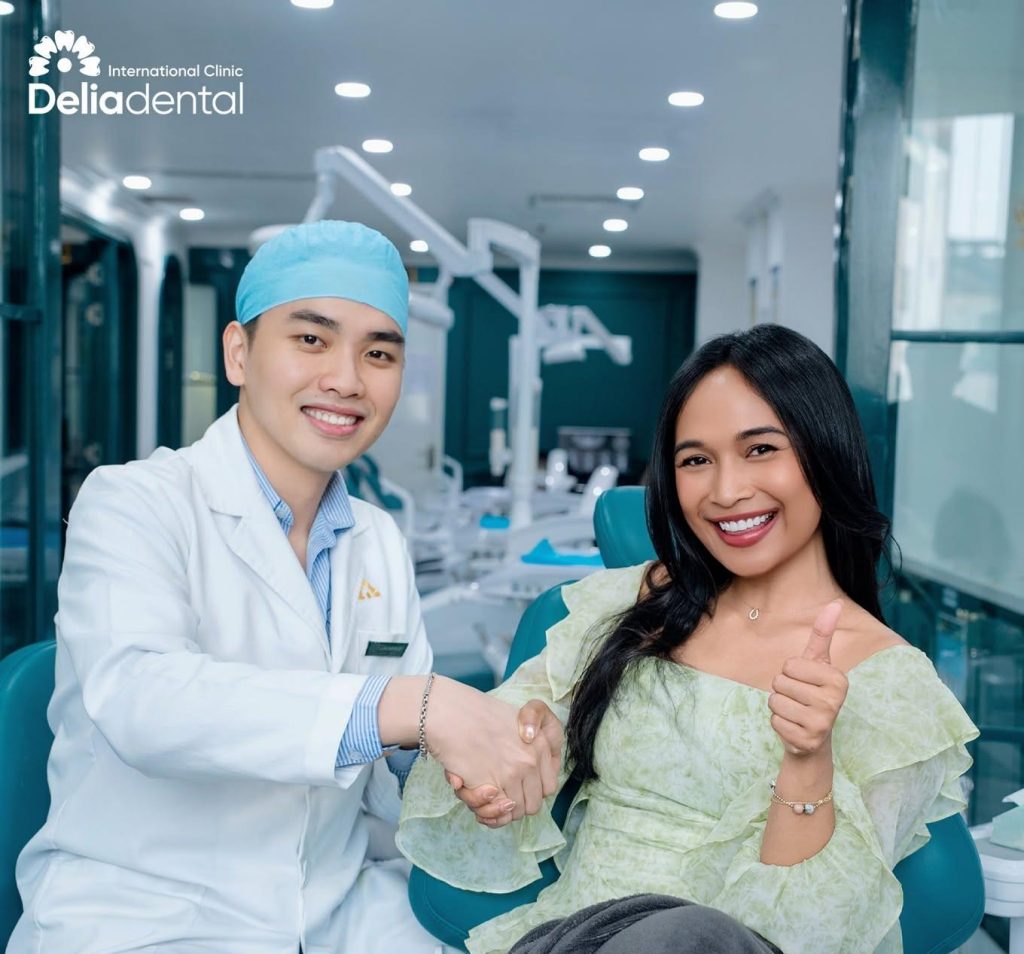
In Australia, waiting times for a public dental appointment can run to months, and specialist referrals for implants or full-arch treatment often add further delays. The NHS in the UK has well-documented capacity constraints in dentistry. For patients in urgent need, or those who simply cannot afford to defer treatment, the scheduling speed at private clinics in Vietnam is a practical advantage.
Most internationally oriented clinics in Ho Chi Minh City and Hanoi can schedule a first consultation within one to two days of contact, and treatment can often begin within the same visit after imaging and assessment. For multi-stage procedures like implants, the wait between stages is determined by biology, not by clinic availability.
The recovery period can be spent travelling
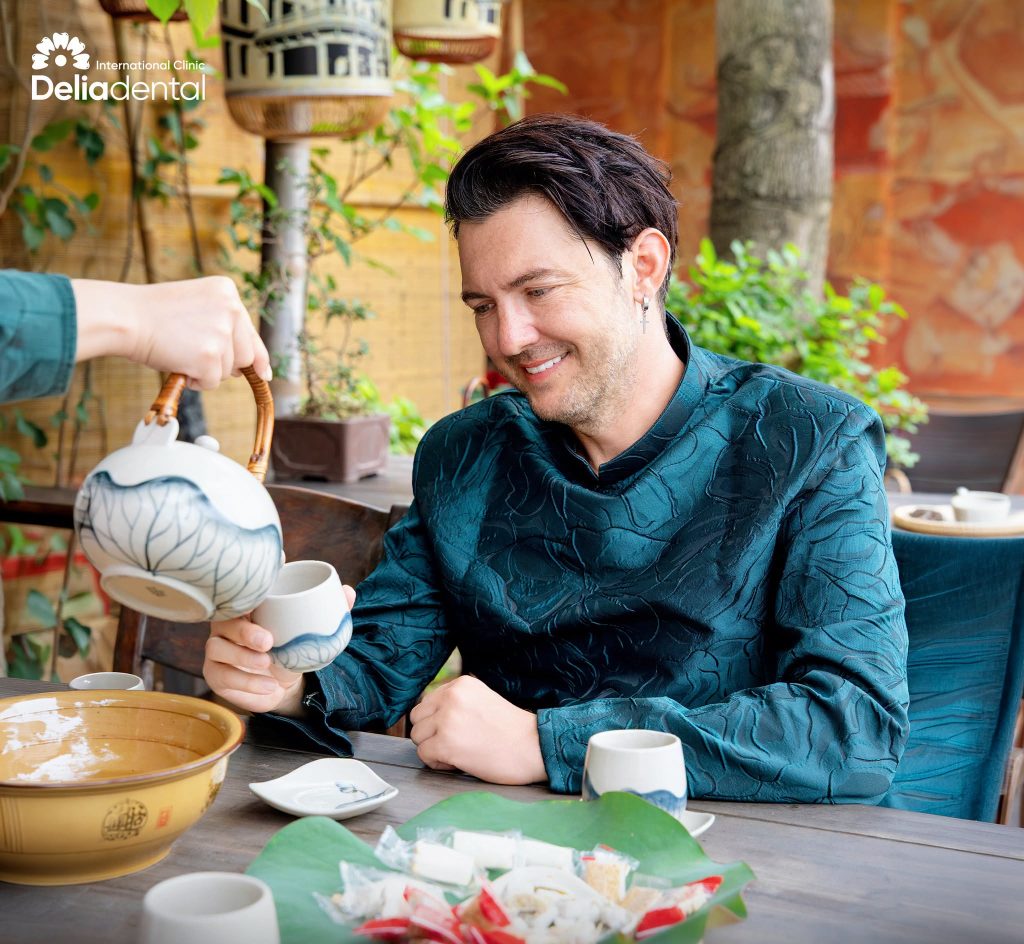
Vietnam offers patients something other dental tourism destinations in the region do not always match: a genuinely varied travel experience within easy reach of the treatment city. Recovery from dental procedures typically involves a few days of soft diet and limited physical exertion, manageable in a city environment with good food options, comfortable accommodation, and things to see at a gentle pace.
Patients based in Ho Chi Minh City during treatment can take day trips to the Mekong Delta or the Cu Chi Tunnels, or rest in the city’s cafe-dense central districts. Patients based in Hanoi have direct access to Ha Long Bay, one of the most visited natural sites in Southeast Asia, and can explore the Old Quarter within walking distance of most accommodation. Both cities have an established hospitality infrastructure for international visitors, with English widely spoken in tourist-adjacent areas.
This framing matters for the patient’s overall experience. A dental trip to Vietnam is not just a medical errand. Structuring it as a short holiday alongside treatment makes the journey easier to justify and easier to enjoy.
Who is making the trip
Market data and clinic-reported patient profiles point to a consistent picture of who travels to Vietnam for dental care. Australians represent one of the largest groups, driven by proximity (Ho Chi Minh City is a direct flight from Sydney, Melbourne, Brisbane, and Perth), high domestic dental costs, and the large Vietnamese diaspora community that has long maintained connections to clinics there. British and American patients, particularly retirees and those without comprehensive dental insurance, make up a significant share. Patients from South Korea, Japan, and Singapore also travel for cosmetic procedures, where the cost differential is still meaningful even at shorter distances.
The common thread is not budget consciousness in the pejorative sense. Many of these patients have delayed treatment because the cost at home was prohibitive, not because they were not willing to pay for quality care. Dental tourism provides the access point.
What to check before booking
Not every clinic offering dental treatment in Vietnam operates at the same standard. A few practical checks before committing help distinguish reliable options from less accountable ones.
Ask for the specific implant or material brand in writing. A quote that describes materials in general terms without naming the manufacturer leaves room for substitution. Ask whether the CBCT scan is included in the quoted price or billed separately on arrival. Confirm that the clinic provides a written warranty for both the implant fixture and the prosthetic, and ask what that warranty covers. Check whether English-speaking clinical staff are available throughout the treatment, not just at the initial consultation.
Patients who do this straightforward due diligence before booking have a significantly better experience than those who choose on price alone.
Dental tourism at Delia Dental Clinic
Delia International Dental Clinic has three branches in Vietnam: Ho Chi Minh City, Hanoi, and Thanh Hoa City. Both the Ho Chi Minh City and Hanoi locations are positioned for international patient access, with identical pricing across branches and English-language support throughout consultation and treatment.
Services available for international patients include dental implants across multiple brand tiers (Osstem, HIOSSEN, ETK, SIC, Straumann SLA, and Straumann SLActive), porcelain crowns, veneers, and full-arch All-on-4 and All-on-6 treatment. Every international patient receives an itemised quote in USD before any deposit is required, with the specific brand and material named in the quote. If the in-person exam reveals anything that changes the treatment plan, the patient is informed and the updated cost confirmed before any procedure begins.
Book a free online consultation here.
Watch Carl’s dental tourism journey below to understand more about Delia Dental Clinic
Final thoughts
Vietnam’s growth as a dental tourism destination is not driven by one factor alone. Cost is the most visible, but the combination of improved infrastructure, internationally certified materials, faster scheduling, and a genuinely appealing travel context has made the decision easier for a growing number of patients from Australia, the UK, and the US.
For patients considering treatment, requesting a quote from Delia’s international patient team is a reasonable first step. A written, itemised estimate makes it possible to compare options properly before any decision is made.


