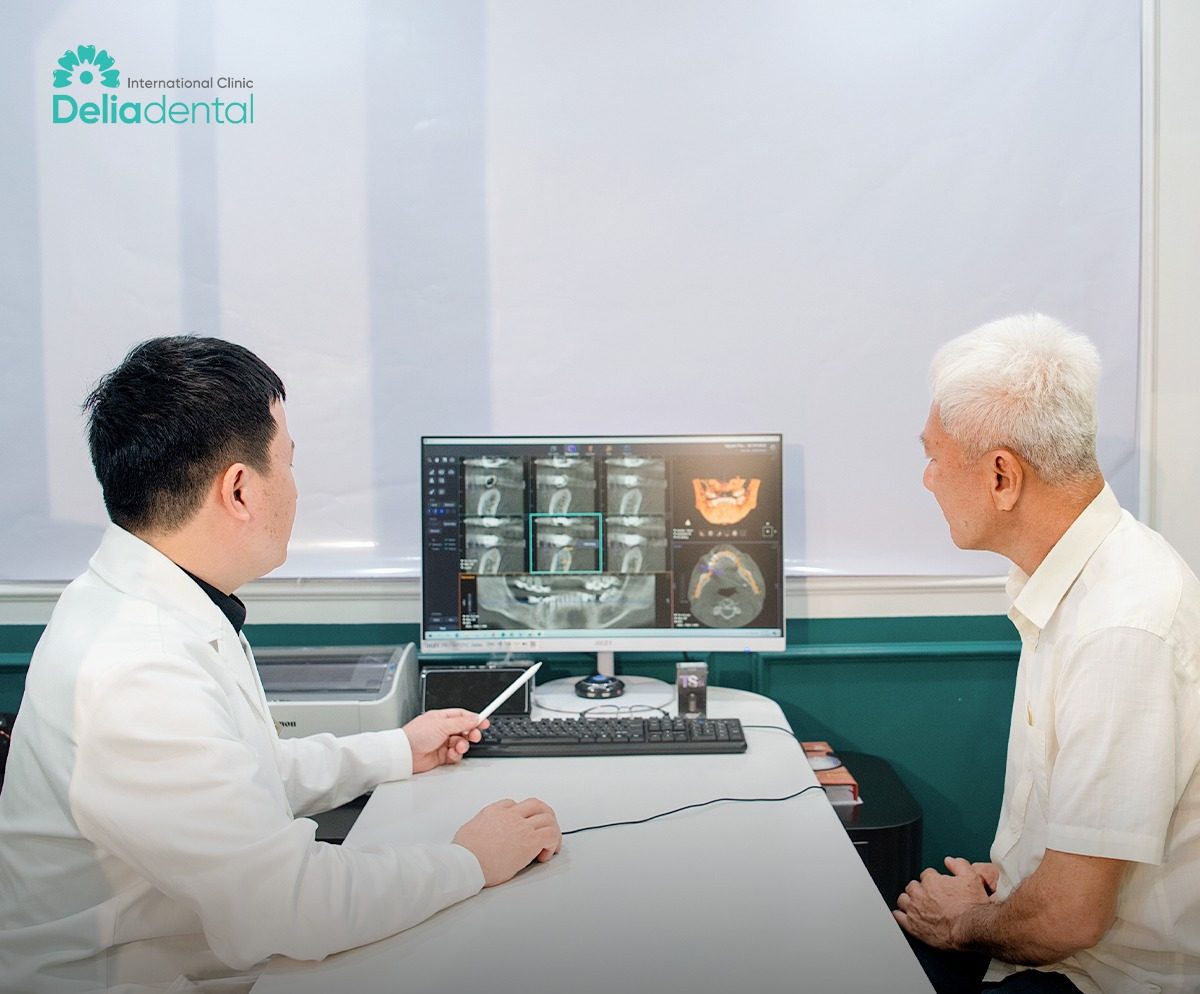
For most international patients considering dental work in Vietnam, the decision comes down to two things: cost and time. Delia Dental Clinic is built to address both.
The cost side is straightforward. Vietnam offers significant savings on most procedures compared to Australia, the UK, and the United States. The time question is harder. Taking two weeks off work is not realistic for most people, and before booking flights, patients want to know whether a clinic can actually deliver quality treatment within the days they have available. Delia structures the entire process around that constraint, from treatment planning to post-trip follow-up, so patients know exactly what their trip involves before they commit to anything.
A clinic built around international patients
Delia Dental Clinic operates three branches across Vietnam, in Ho Chi Minh City and Hanoi,. The clinics were not built primarily for the local market and then adapted to receive overseas visitors. International patients are the core audience, and the way the clinic operates reflects that from the first point of contact.
Every inquiry from an overseas patient goes through an English-speaking treatment coordinator who handles communication from the initial consultation through to post-treatment follow-up. Patients do not need to navigate language barriers or explain their situation repeatedly to different staff members. The same coordinator manages the process end to end.
Treatment plans are prepared and shared before patients book their travel. That means a patient in Sydney or London can review exactly what procedures are recommended, how many days are required, and what the costs will be, before committing to flights or accommodation. This is not a minor convenience. For someone planning a trip around a fixed leave window, having a confirmed timeline upfront changes how the entire journey gets planned.
How treatment timelines work at Delia
The length of a dental trip depends entirely on the procedure. Delia structures each treatment type around what is clinically necessary and what is practical for someone visiting from overseas.
1. Crowns — 3 days
A porcelain crown at Delia Dental Clinic typically requires three days from consultation to fit. Day one covers examination, imaging, and tooth preparation. The crown is fabricated in Delia’s in-house laboratory while the patient has time to rest or explore the city. Day three is the fitting and final adjustment. For patients looking at dental treatment Vietnam for one or two crowns, a long weekend trip is genuinely feasible.
2. Veneers for 2 to 3 days
Porcelain veneers follow a similar timeline. Depending on the number of teeth involved and any preparatory work required, most veneer cases are completed in two to three days. Patients who want a full smile transformation can expect the upper end of that range. The process covers consultation, tooth preparation, temporary veneers while the final set is made, and fitting.
3. Dental implants and two planned visits
Implants require a different approach, and Delia is transparent about this with every patient who inquires.
The full implant process cannot be compressed into a single short trip without compromising the outcome. The healing phase, during which the implant integrates with the jawbone, takes several months and cannot be shortened for medical reasons. Attempting to do so would risk the long-term stability of the implant.
What Delia Dental Clinic does instead is structure the process around two planned visits. The first trip covers the full diagnostic stage, including a 3D CT scan, consultation, and treatment planning, followed by implant surgery in a sterile surgical environment. This stage is completed efficiently so that the patient’s time in Vietnam is used well. The second visit, typically three to six months later, handles the permanent crown fitting once integration is confirmed.
As one of Delia’s implant specialists explains, the priority is always medical safety and long-term success. Within that framework, the clinic structures the timeline to be as convenient and efficient as possible for international patients. The process is complete and medically sound. It is simply planned in two stages that fit around a realistic travel schedule rather than compressed into one.

What the support process looks like
Dental treatment Vietnam involves more than the time spent in the clinic chair. Delia’s coordination extends to the practical side of the trip as well.
Airport pickup is arranged for international patients arriving at either Delia International Dental Clinic in Ho Chi Minh City or Hanoi. Hotel recommendations near each clinic are provided as part of the planning process, which matters more than it might seem. Staying close to the clinic removes the need to navigate an unfamiliar city between appointments, which is particularly relevant in the days following a surgical procedure when patients are recovering.
WhatsApp is the primary communication channel for international patients, and the team is responsive across time zones. Questions about the treatment plan, post-procedure care, or the return visit can be handled remotely without waiting for clinic hours in Vietnam.
For implant patients specifically, Delia Dental Clinic confirms that the implant has integrated successfully before the patient books their return flight for the crown fitting. That removes the uncertainty of travelling back only to find the case is not ready.
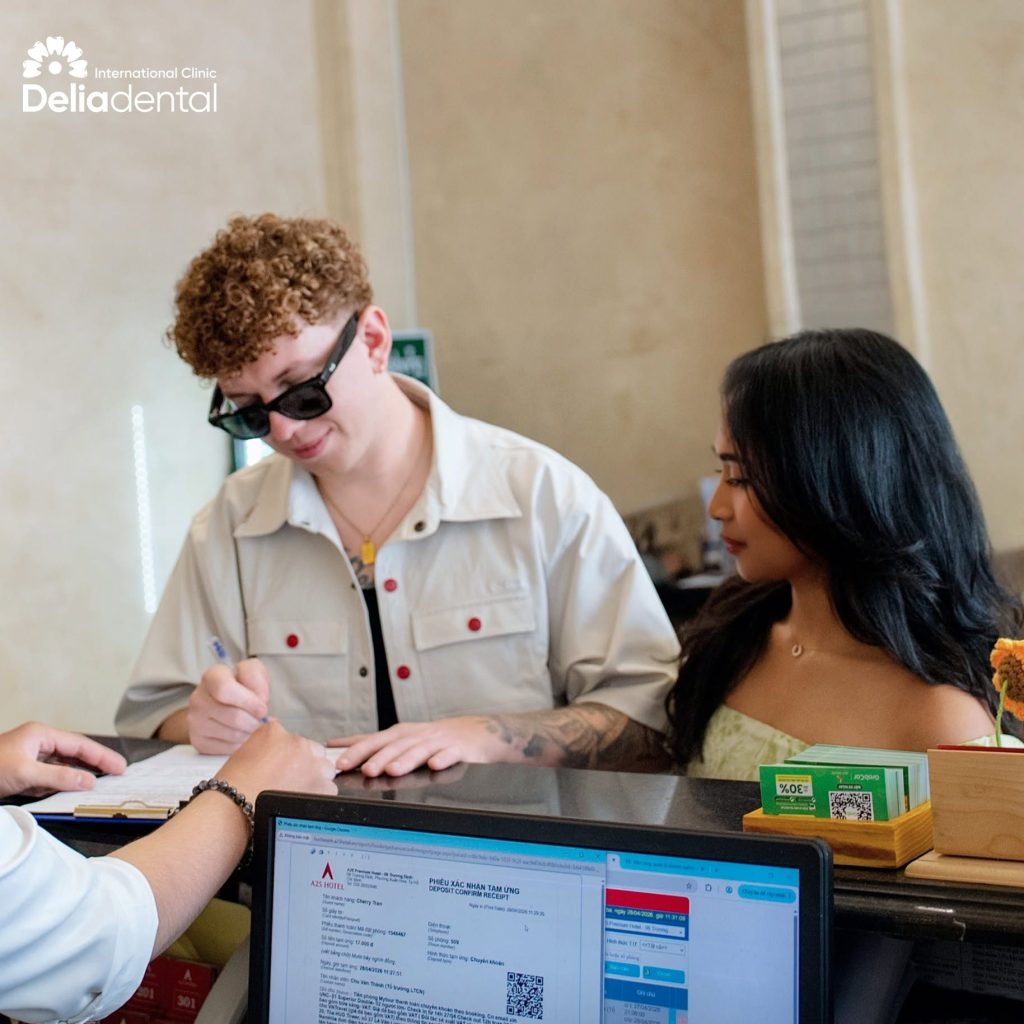
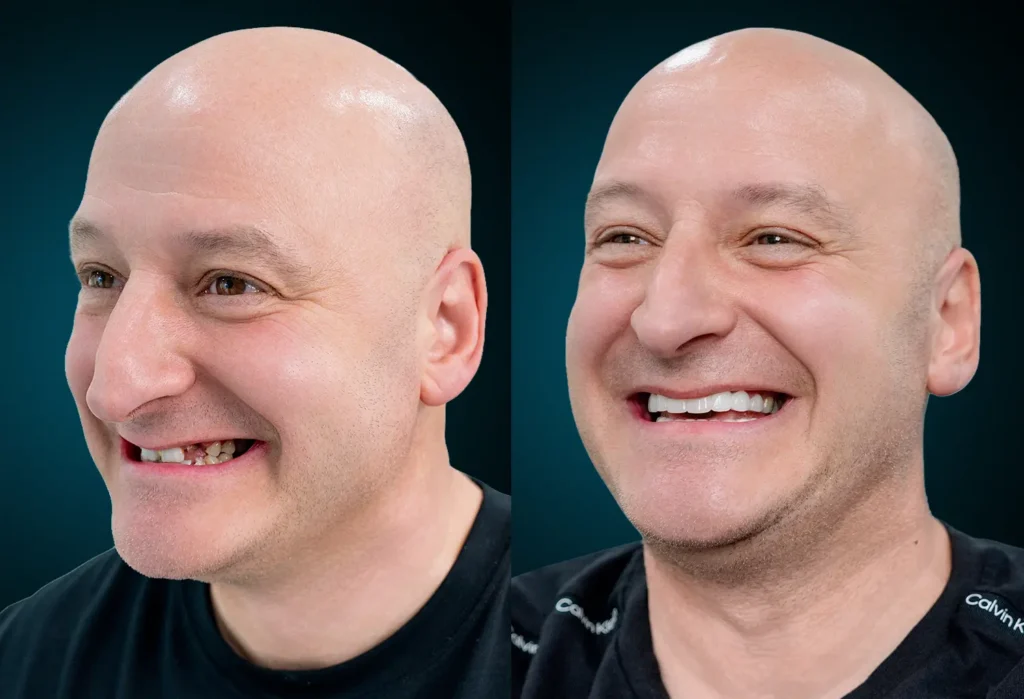
Eliseo’s experience
Eliseo came to Delia International Dental Clinic from overseas with a clear idea of what he needed and limited time to get it done. His case involved a treatment plan that required careful coordination between his travel window and the clinical stages involved.
What stood out in his feedback was not the outcome alone, but the process. Communication was clear from the initial enquiry. The treatment plan was explained in full before he arrived. The clinical team managed his time in the clinic efficiently, and he left with confidence about the next steps.
His review reflects what Delia hears consistently from international patients: that the experience felt organised and professional, and that the quality of the work matched what had been described before the trip. For someone travelling from overseas and placing significant trust in a clinic they had not visited before, that consistency between expectation and experience is what builds confidence.
How Delia Dental Clinic Plans a Short Dental Trip
Dental treatment in Vietnam involves more than the time spent in the chair, and for a patient with a fixed leave window the planning stage matters as much as the treatment. Delia Dental Clinic handles this stage before travel through English-speaking coordination and a remote review of the records you already have.
Patients can send X-rays, CBCT files, smile photos, an existing quote or a medical history and medication list, and the team reviews them to suggest a preliminary treatment direction, an estimated cost and a likely number of clinic days. A patient who needs two crowns will usually get a short, single trip estimate, while a patient with several missing teeth will be told early that the case is likely to be staged. That estimate is not a diagnosis or a confirmed schedule, because the final plan and quote are set after an in-person examination.
For implant patients, CBCT assessment supports the planning, and the plan commonly runs across two trips with a healing period in between. The team checks that the implant has integrated and the case is ready before the final restoration is fitted, which is why the return flight is best booked after that is confirmed. WhatsApp stays open between visits for questions about healing, care instructions and the second trip, so minor concerns can often be raised without waiting for the next visit.
Book a free consultation here.
Frequently Asked Questions
Can Delia Dental Clinic Confirm My Number of Days Before I Fly?
The team can give an estimate from your records, but not a final schedule. A remote review of X-rays, CBCT files or photos shows what kind of case you have and whether it is likely to fit one trip or two. What it cannot show is how the teeth, gums and bite look in person, and those findings can change the plan. For that reason it is safer to treat the estimate as a working range and add a buffer day at each end of the trip. Book flights once the dates have been agreed with the coordinator rather than from the first estimate alone. The final plan and quote are confirmed after the in-person examination.
What if My Case Needs More Time Than Planned?
Cases with infection, gum disease, bite problems or bone loss usually take longer than a straightforward one. Some of these issues can be found only after examination or imaging in the clinic, which is why the first estimate is preliminary. If extra work is needed, the coordinator explains the options, which may include adding days, treating part of the plan now and the rest later, or adjusting the second trip. Bone grafting in an implant case can lengthen the healing period and, in some plans, add a visit. Telling the team early about any fixed return date helps them build the plan around it.
What Happens Between the Two Implant Trips?
The implant needs time to integrate with the jawbone, commonly around three to six months, and you do not need to stay in Vietnam during that period. Many patients receive a temporary restoration where the case allows it and return to normal routines at home. Delia Dental Clinic stays available through WhatsApp for questions about healing, discomfort or hygiene, and you should report swelling, bleeding or pain that does not settle as the team advises. Your dentist at home can handle routine checkups using the records you bring back. The second trip date can often be moved if the coordinator is told in advance.
Which Branch Is Better for a Short Trip, Hanoi or Ho Chi Minh City?
The better choice usually depends on your flights, the season and the rest of your schedule rather than on the treatment. Delia Dental Clinic has branches in both cities, and the team can advise which suits your dates once it has reviewed your case. Flight connections from your home city may be easier to one airport than the other, and weather differs between the north and the south at different times of year. If you plan to see other parts of Vietnam, think about where you want to finish the trip. Decide after the plan is clear, not before.
What Should I Send to Get a Useful Plan Before Booking?
Send what you already have rather than creating new files. Existing X-rays or CBCT files, clear photos of your smile and bite, and any current dental quote give the team the most to work with. A short medical history, a list of medications and any allergies help the team spot points that need clarifying before surgery. Mention your preferred travel dates and your main concern, such as missing teeth, worn teeth or the look of your smile. Records do not need to be perfect, and the team will tell you if something important is missing.
Planning the Trip Beyond the Clinic Days
Once you know the treatment you need, these articles cover how long to stay, how to plan the visit and what the patient journey looks like.
- How Long Should You Stay in Vietnam for Dental Implants?
- How to Plan Your Holiday and Dental Treatment Together in Vietnam
- Dental Trip to Vietnam: What Delia Dental Clinic Includes
- Why Patients Trust Delia Dental Clinic Vietnam for Dental Tourism
Final Thoughts
Send your X-rays, CBCT files or smile photos via WhatsApp or Messenger before you book any flights, and Delia Dental Clinic can suggest a preliminary plan and the likely number of clinic days for Hanoi or Ho Chi Minh City.


