You land after a long flight with a half charged phone, no dong in your pocket and a clinic appointment the next morning. None of that is a dental problem, yet it is where many first trips start to go wrong.
Getting around Vietnam on a dental trip comes down to three things sorted before you fly: working mobile data, a ride booked through an app, and enough cash for the small costs that cards do not reach. Finding the clinic, messaging the team and paying for a ride all depend on those three.
A dental trip is different from a holiday because your schedule is fixed. You have appointments at set times, and after a consultation, an extraction or implant surgery you may be tired, numb or sore. That is not the moment to negotiate with a taxi driver or search for an ATM that accepts your card.
This guide covers eSIM and local SIM options, how Grab works in Hanoi and Ho Chi Minh City, how much cash to carry, how paying the clinic usually works, and a short arrival checklist. SIM prices, fares and app rules change, so confirm current details close to your travel date.
Quick Answer
For a dental trip to Vietnam, install Grab and add a payment method before you fly, then either set up a travel eSIM or register a local SIM with your passport at the airport. Carry some Vietnamese dong for small costs, since cards are not accepted everywhere, and confirm how your treatment payment will be made before you arrive.
Getting Connected: eSIM or Local SIM?
Mobile data matters more on a dental trip than on most holidays, because the clinic team, your ride and your hotel are all reached through your phone. The choice is between a travel eSIM you install before you fly and a physical SIM you register at the airport. Vietnam requires SIM cards to be registered to an ID, so any physical SIM or local number involves showing your passport.
| Option | Setup | Registration | Best for |
|---|---|---|---|
| Travel eSIM, data only | Install before you fly by scanning a QR code | Usually none for data only plans | Patients who want data on landing and plan to keep their home number |
| Local eSIM with a Vietnamese number | Bought from a Vietnamese carrier | Passport registration required | Patients who need a local number for calls or one time codes |
| Physical SIM at an airport counter | Staff register your passport and install it | Passport required | Phones that do not support eSIM |
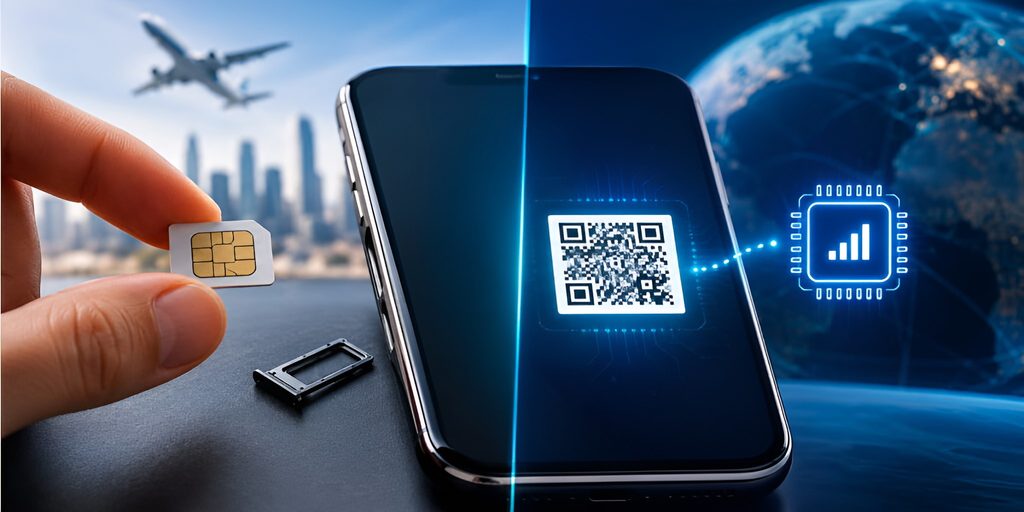
Travel eSIM
A travel eSIM is the simplest route for most patients. You install it at home, switch it on when you land and have data before you reach the arrivals hall, which means you can open Grab and message the clinic straight away. Your phone must support eSIM and be unlocked, so check that before you buy.
Most travel eSIMs are data only, so your home number cannot receive calls through them. If you keep your home SIM active in a second slot, you can still receive bank codes and calls while the eSIM handles data, and that dual setup suits most patients.
Local SIM at the Airport
A Vietnam SIM card for tourists is sold at staffed counters from Viettel, Vinaphone and Mobifone at the main airports. Staff photograph your passport to register the SIM, then install it and test it. Tourist packages commonly cost somewhere between 150,000 and 300,000 VND depending on the data and the number of days, and airport counters usually charge more than city shops. Registration typically takes 10 to 15 minutes, though queues can make it longer.
Viettel generally has the widest coverage across the country, while Vinaphone and Mobifone are strong in cities. Since Delia Dental Clinic operates in Hanoi and Ho Chi Minh City, coverage is rarely the deciding factor and any of the three works there. Avoid a SIM offered without a passport check, because an unregistered card can stop working partway through the trip.
Plan for roughly 1 GB a day for maps, messaging and rides, and more if you make video calls with the international patient team.
Using Grab Around Hanoi and Ho Chi Minh City
Grab is the most practical way for a visitor to get around both cities, with an English interface and fares shown before you confirm. Cash is accepted on Grab and the other major apps, so you do not need a Vietnamese bank card to use it.
Before You Land
Install Grab before you fly, create your account and add a payment method. If you prefer to pay the driver, choose Cash when you book. If a card is declined, it is usually your bank blocking a foreign online payment, and a quick message to the bank or paying cash solves it.
You need data to book, which is why the SIM decision comes first. Airport WiFi can work for a first booking, but it often drops once you step outside the terminal.
At the Airport
Both Noi Bai in Hanoi and Tan Son Nhat in Ho Chi Minh City have pickup areas for ride apps, so follow the pickup instructions in the app and the pin your driver sends rather than waiting at the arrivals curb. The app shows the exact fare before you confirm. The rest of arrival day, from the digital arrival card to immigration, is covered in the guide to arriving in Vietnam for dental treatment.
GrabCar or GrabBike After Treatment
GrabBike is cheap and quick, but it is a motorbike taxi. After a consultation with imaging, a GrabBike is fine for most people. After an extraction, implant surgery or sedation, a GrabCar is the more comfortable choice, since you may be numb, swollen or unsteady, and you will want to rest your face and avoid wind and bumps. Ask the clinic what to expect after your specific procedure.
Backup Apps and Metered Taxis
Be and Xanh SM work in a similar way and are worth installing as backups when Grab shows no cars nearby. If you use a street taxi, ask for the meter before you get in and prefer established companies over unmarked cars at the arrivals curb.
How Much Cash to Carry and How to Pay
The cash needed for a dental trip in Vietnam is mostly for small daily costs, because the country is still cash heavy for small purchases. Hotels and larger restaurants usually accept cards, but street food, small shops, some taxis and many pharmacies prefer cash. Carry enough VND for your first day, then top up from an ATM as needed.
Everyday Cash and ATMs
ATMs in Vietnam commonly limit each transaction to somewhere around 2 to 5 million dong, with higher limits more typical in Ho Chi Minh City than outside it. Your own bank may add a foreign transaction fee on top of the local ATM fee, so one larger withdrawal usually costs less than several small ones. Use a debit card rather than a credit card for cash, because credit card cash advances usually cost more.
If the ATM offers to charge you in your home currency, decline and choose dong. Accepting the home currency option usually means the machine applies its own exchange rate. Tell your bank you are travelling, and check your home daily withdrawal limit before you try.
Paying for Treatment
Delia Dental Clinic quotes treatment prices in US dollars, and the VND amount you pay depends on the exchange rate applied on the day. Ask the international patient team in advance which payment methods apply to your plan, whether cards are accepted for your bill, and which exchange rate will be used.
Do not plan to fund a large treatment bill from ATM withdrawals. Per transaction limits make that slow and expensive, and carrying a large amount of cash adds risk. If you intend to bring cash, check the current Vietnamese customs rules on declaring cash on entry before you travel.
VND or US Dollars
Some businesses accept US dollars, but you will usually get a better deal paying in dong. Keep small notes for taxis and street purchases, since drivers often cannot break large ones.

A Simple Arrival Checklist
A short checklist covers most of what goes wrong on arrival day.
- Install Grab, and ideally Be or Xanh SM, and add a payment method
- Set up a travel eSIM, or plan to register a SIM at the airport counter with your passport
- Screenshot the clinic address, your hotel address and your WhatsApp chat in case data drops
- Carry some dong for the first day, or locate an ATM at arrivals
- Tell your bank you are travelling and check your withdrawal limit
- Confirm in writing how your treatment payment will be made
How Delia Dental Clinic Helps You Arrive Without Surprises
Before you fly, you can message the international patient team at Delia Dental Clinic on WhatsApp or Messenger, and that same chat is what you will use in Vietnam, which is why working data matters. The team can confirm your appointment times and the exact clinic location in Hanoi or Ho Chi Minh City, and can discuss airport pickup and hotel arrangements as part of your trip plan.
Several details depend on your quote or package, including whether pickup or hotel support is included, which payment methods are available and which exchange rate applies. Ask for these in writing before you book flights. Delia Dental Clinic cannot control airline schedules, taxi prices or SIM pricing, which change, so treat the figures in this guide as a planning range.
Frequently Asked Questions
Do I Need a Vietnamese Phone Number to Use Grab?
Not necessarily. Grab works with your home number and a data connection, so a travel eSIM for data plus your home SIM for calls is enough for most visitors. A local number can help if a driver calls you at a busy airport pickup, or if an app sends a one time code to a Vietnamese number. If neither applies to you, skip the local number and save the registration step.
Is a Travel eSIM Enough for Messaging the Clinic?
For WhatsApp and Messenger, yes, since both run on data. A data only eSIM does not give you a phone number for calls, so keep your home SIM active in a second slot if you want calls or bank codes. If your phone does not support eSIM, a registered airport SIM works the same way for messaging.
Is International Roaming Easier Than an eSIM?
Roaming can work, but daily fees and data caps vary widely between carriers and plans, so check your provider’s Vietnam rate before you rely on it. For a trip of several days, an eSIM or local SIM is often the cheaper route, although that depends on your plan. If you do roam, set a data alert so a long video call with the international patient team does not produce a surprise bill.
Can I Pay My Dental Bill by Card?
The accepted payment methods depend on your plan, so confirm them with the international patient team before you travel. Do not assume a card will cover a large bill, because foreign card limits and bank fraud blocks can stop a big payment. Ask for the confirmed methods and the exchange rate in writing, so you are not arranging a transfer or hunting for an ATM on the day of payment.
What if My Phone Loses Data After Surgery?
Screenshot the clinic address, your hotel address and the team’s contact details before you leave home, and download an offline map of the city. A hotel card with the address helps a driver if you cannot use the app. Connect to hotel or clinic WiFi when you can, and message the team if you need help getting back.
Planning the Rest of the Trip
Once phone, rides and cash are covered, the next questions are usually how the whole trip runs, what Delia Dental Clinic arranges for you and what else might appear on the bill.
- From First Message to Final Smile: The Delia International Patient Journey
- What Delia Dental Clinic Offers to Reduce Dental Travel Stress
- Dental Care in Vietnam: Hidden Fees to Avoid
- Why Patients Trust Delia Dental Clinic Vietnam for Dental Tourism
Final Thoughts
The clinical side of a dental trip is planned by the dental team. The parts left to the patient are practical ones: a phone with working data, a booked ride and a payment method confirmed in advance. Sorting those out at home leaves your energy for the appointments.
Send your travel dates, arrival airport, treatment plan or existing quote, and any questions about payment methods to Delia Dental Clinic via WhatsApp or Messenger before booking your flight. The international patient team can review what you send, explain the arrival plan for Hanoi or Ho Chi Minh City and confirm how payment will work. The final treatment plan and quote are confirmed after an in person examination.


