Dentistry in Vietnam has moved toward digital planning, and some clinics now document their materials and warranty in writing, but the gap between clinics is wider than the gap between countries. For an international patient, the useful question is not whether Vietnam is good, but whether a specific clinic can answer specific questions about its imaging, materials and warranty.
Equipment, materials and paperwork differ from one clinic to the next, and a price on a website rarely shows which kind of clinic sits behind it. Two quotes for a crown can carry the same name and still involve different materials, different planning and different aftercare.
This article explains what digital planning changes for the patient, why prices in Vietnam are lower, five questions that show how a clinic works, and how Delia Dental Clinic answers them for patients in Hanoi and Ho Chi Minh City.
Quick Answer
Dentistry in Vietnam varies more between clinics than between countries. Digital planning such as CBCT scans and mock ups, named implant systems and written warranty documents are the clearest signs of a clinic prepared for international patients. Ask five questions before booking: implant brand, CBCT, material brand, written warranty and English support across treatment.
Why Clinics In Vietnam Vary More Than The Country Does
The country tells you little about the clinic you would actually sit in. Some clinics plan with three dimensional imaging and digital design, while others work from basic imaging and standard impressions, and both can describe the result as a crown or an implant.
Take two quotes for the same crown. One names Emax as the material and includes a scan, a mock up and a try in. The other says all ceramic, with no material named and no mention of a trial fitting. The prices may differ, but the difference only becomes clear once each quote is itemised and compared line by line.
This is not a ranking of clinics. A low price does not prove low quality, and a high price does not prove better care, which is why the checks later in this article focus on what a clinic can show you rather than what it charges.
What Digital Planning Changes For The Patient
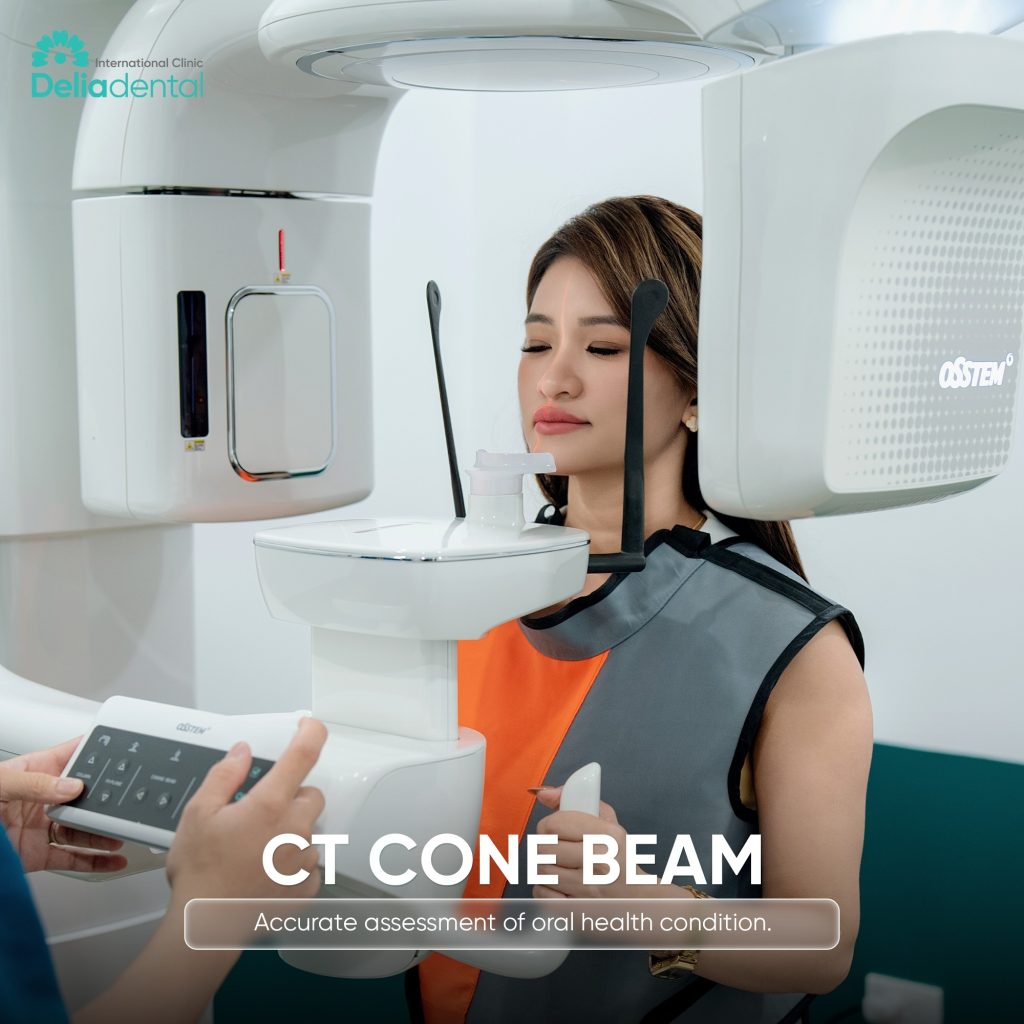
Digital planning changes what you see and approve before treatment is completed, and it reduces guesswork most for implants. A CBCT scan maps bone volume, sinus position and nerve location in three dimensions before an implant is placed, and Delia Dental Clinic begins implant cases with CBCT assessment in the clinic. A 2D panoramic X-ray sent in advance is useful for a preliminary plan, but it cannot measure bone density or volume. For example, a tooth lost many years ago may have left less bone behind, and a CBCT scan is what shows whether bone grafting is likely.
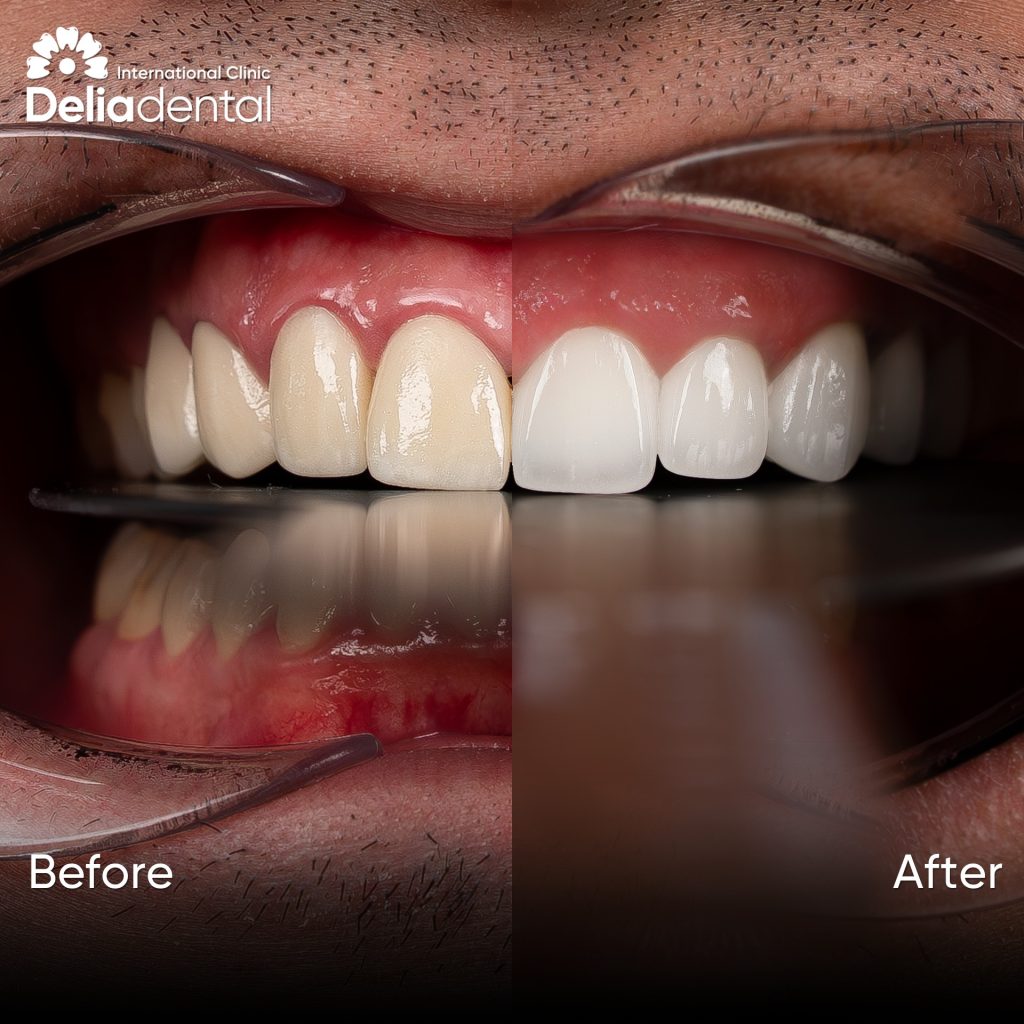
For crowns and veneers, a scan, X-rays and a 3D design let the team prepare a provisional restoration for a trial. The patient can review it, including with family, and permanent cement is used only after the patient approves the shape and color. Digital Smile Design and a mock up serve the same purpose: they show the proposed result before it becomes final.
Technology helps only when a dentist uses it to plan the individual case. A CBCT scan supports planning but does not replace a clinical examination, and a digital workflow does not by itself guarantee an outcome.
What You Should Be Able To Verify Before Treatment
Anything that affects future care should be verifiable before you agree to treatment, starting with the implant system and the dentist’s credentials.
Implant Systems And Documentation
The implant brand should be named on the quote so your home dentist can identify the system if maintenance or repair is needed later. Delia Dental Clinic offers Straumann, HIOSSEN, ETK, SIC, Osstem and Dentium systems, and published warranty references range from 10 years to lifetime depending on the system. The implant, the abutment and the crown on top can carry separate terms, so ask which component each term covers and read the clinic’s warranty policy before you travel.
Dentist Credentials
Ask who will carry out your treatment, and ask for that dentist’s training background and certifications. A clinic that regularly treats international patients should be able to answer this directly. For Delia Dental Clinic’s own team, the Medical Staff page is the place to start.
Why The Price Is Lower In Vietnam
Prices are commonly lower because clinic operating costs such as staff wages, rent and overheads differ from those in higher cost countries, not because a different product is used. Delia Dental Clinic publishes standard prices, for example $290 per tooth for an Emax crown and $2,300 for a Straumann SLActive implant with abutment, where the implant figure covers the fixture and abutment only. You can compare these numbers against an itemised home quote for the same material, and the crown page lists the full range.
The explanation has a limit. Lower operating costs explain a price gap in general, but they cannot show what a specific clinic actually uses. That is what the five questions below are for, and an unusually low quote deserves more of them, not fewer.
Five Questions That Show How A Clinic Works
These five questions are quick to ask by message and hard to answer well without real systems behind them.
Which Implant System Will Be Used?
Ask for the brand and model by name, and ask what written documentation comes with it. A clear answer names a system such as Straumann SLActive or Osstem and states the warranty in writing. An answer like we use quality implants gives you nothing to compare and nothing to hand to your home dentist. Even a named brand does not settle suitability, because the system chosen still depends on your bone and bite as confirmed after examination.
How Does The CBCT Scan Appear On The Quote?
CBCT is essential information for dental implants, so ask when it is taken and how it is listed. Some quotes show it as a separate line and others fold it into a package, and either can be reasonable when stated clearly. What should raise concern is a plan to place implants without three dimensional imaging, because the clinic would be working with less information about your bone than it needs.
Which Crown Or Veneer Material Is Quoted?
Emax, Lava Plus, Ceramill and Orodent are different materials with different properties and prices. A quote that says all ceramic without a brand cannot be compared with another clinic or with a home quote. Ask why a material suits each tooth: a veneer generally suits a structurally healthy tooth that needs a cosmetic change, while a crown suits a tooth that needs more protection.
What Does The Written Warranty Cover?
Ask for the warranty in writing at the end of treatment, not as a verbal assurance. It should state what is covered, for how long and under what conditions, separately for the implant, the abutment and the crown or prosthetic teeth. Maintenance and checkup conditions commonly apply, so read them before you leave rather than after a problem appears.
Is English Support Available Beyond The Front Desk?
Consultation, treatment planning and post treatment instructions should all be available in English, and you should ask how questions are handled after you fly home. For a two trip implant plan, clear communication between visits matters as much as communication during them. If answers stay vague or need repeated follow up, treat that as information about how the clinic works.
How Delia Dental Clinic Answers These Five Questions
The international patient team at Delia Dental Clinic can walk through each question during the remote review, before any flight is booked.
| Question | Delia Dental Clinic answer |
|---|---|
| Implant system | Straumann SLA and SLActive, HIOSSEN, ETK, SIC, Osstem and Dentium, priced by system |
| Imaging | Implant cases begin with CBCT assessment in the clinic, and a 2D X-ray sent in advance supports only a preliminary plan |
| Crown and veneer material | Quoted by material, such as Ceramill, Emax, Lava Plus, Emax Press and LiSi, with standard pricing per tooth |
| Written warranty | Written warranty documentation is provided, and terms differ by component, so confirm each in writing |
| English support | English speaking coordination from the first online consultation through aftercare, with remote follow up after you return home |
You can send X-rays, smile photos, CBCT files if you have them and an existing quote. The team reviews them, suggests a preliminary treatment direction and estimates the likely cost and timeline for Hanoi or Ho Chi Minh City, while the final plan and itemised quote are confirmed after an in person examination. Delia Dental Clinic has completed more than 5,000 restorative and cosmetic cases across its Hanoi and Ho Chi Minh City branches, and that volume is most useful alongside these written answers, not instead of them.
contact Delia dental clinic today

Frequently Asked Questions
Is Dentistry In Vietnam Good Enough For Complex Cases Like Full Mouth Implants?
It can be, but complex cases depend on the clinic and on the individual plan. Full mouth and full arch cases usually need CBCT imaging, may need bone grafting, and commonly involve two trips with a healing period at home between them. A remote review can give a preliminary direction, but it cannot confirm implant position, grafting needs or the final cost without an examination. Ask any clinic to explain the stages in writing, including what would change the plan. A clinic that promises a complex case in one short visit without explaining healing should prompt more questions.
How Can I Tell Whether Before And After Photos Are Real?
Photos show a result, not a promise, so use them alongside other evidence. Ask for cases that match your own treatment, such as the same type of restoration and a similar number of teeth. Delia Dental Clinic states that its patient testimonials come from real patients, not actors or generated images, and you can read them on the client reviews page. Detailed multi paragraph reviews from international patients say more than short praise, because they describe the whole journey. If a clinic cannot show cases like yours, ask why before booking.
Will My Home Dentist Be Able To Look After Work Done In Vietnam?
Often yes for routine care, but no clinic can promise how a particular dentist will respond. What helps most is documentation: your treatment records, the implant brand and the written warranty. Without the brand, a home dentist may struggle to source compatible parts if a crown needs attention later. Ask for records before you leave and keep them with your other dental files. For problems that cannot be judged from photos, a local examination is the safer route, and the clinic can advise on what to tell your dentist.
How Can I Check That The Materials Are Genuine?
Ask to see the packaging before treatment begins. For implants, patients can ask to see the unopened box and check the brand code on the manufacturer’s website. For porcelain crowns and veneers, patients can ask to view the original material packaging before preparation, sign a confirmation, and request photos or video from laboratory fabrication. Warranty cards can carry a QR code that lets you check details online. These steps do not replace clinical judgment, but they make claims about material brand easy to test.
Should I Choose The Lowest Quote In Vietnam?
Not on price alone. Two quotes are only comparable when they cover the same teeth, the same material and the same inclusions, so start by itemising each one. Check whether extractions, bone grafting, temporary teeth, medication and follow up are listed or left out. An unusually low figure may simply exclude items that appear later, which is why an itemised written plan matters more than the headline number. If the difference between two quotes cannot be explained line by line, treat it as a question to resolve before paying a deposit.
Turning A Quote Into A Decision
These articles cover the practical steps after checking a clinic: how quotes hide extra costs, whether the trip pays off and how to plan travel around treatment.
- Dental Care in Vietnam: Hidden Fees to Avoid
- Dental Treatment in Vietnam vs at Home: Is It Worth the Trip?
- How to Plan Dental Treatment & Holiday in Vietnam
- Is Delia Dental Clinic Legit? 7 Things to Verify Before Booking
Final Thoughts
The useful shift is from asking whether dentistry in Vietnam is good to asking whether one clinic can back its answers with paper. A named implant system, a CBCT based plan, a quoted material and a written warranty are all things you can request from any clinic before paying a deposit, and the way a clinic responds tells you more than a star rating can.
If you are comparing more than one clinic, put the itemised quotes side by side and compare like for like: the same teeth, the same material and the same inclusions. Treat any difference you cannot explain as a question to ask, not as a reason to pick the cheaper option automatically. Remote estimates stay preliminary until an in person examination confirms the plan.
Send your X-rays, dental photos or existing quote via WhatsApp or Messenger before you book flights to Hanoi or Ho Chi Minh City.


