
A look at what dental care in Vietnam actually costs compared to Australia, the UK, and the US, with real price ranges for common procedures.
The answer depends entirely on what you are comparing it to. Dental care in Vietnam is not cheap by Vietnamese standards, and prices have risen steadily as the country’s clinics have invested in better equipment and materials. But that is not the comparison most foreigners researching this question actually care about. What they want to know is whether dental care in Vietnam stacks up against what they would pay at home in Australia, the UK, or the US.
For most common procedures, it does, often by a wide margin, but only when the comparison is done properly. A fair comparison has to match a complete treatment against a complete treatment, not a partial Vietnam price against a full Western one, which is where a lot of online comparisons quietly go wrong.
Quick Answer
Dental care in Vietnam is substantially cheaper than in Australia, the UK, or the US for the same complete procedure, typically saving 55 to 90 percent depending on the treatment and country. A single dental implant with abutment and crown starts from around $890, an All-on-4 full arch from around $7,500, a porcelain crown from $190, and a porcelain veneer from $300. The exact saving depends on the material chosen and what the local quote actually includes, so the real comparison only holds once both prices cover the same components.
What Dental Care In Vietnam Actually Costs
At Delia Dental Clinic, current pricing for the procedures most international patients ask about looks like this:
| Procedure | Price at Delia |
|---|---|
| Single dental implant (implant, abutment and crown) | from $890 |
| All-on-4 full arch | from $7,500 |
| Porcelain crown | from $190 |
| Porcelain veneer | from $300 |
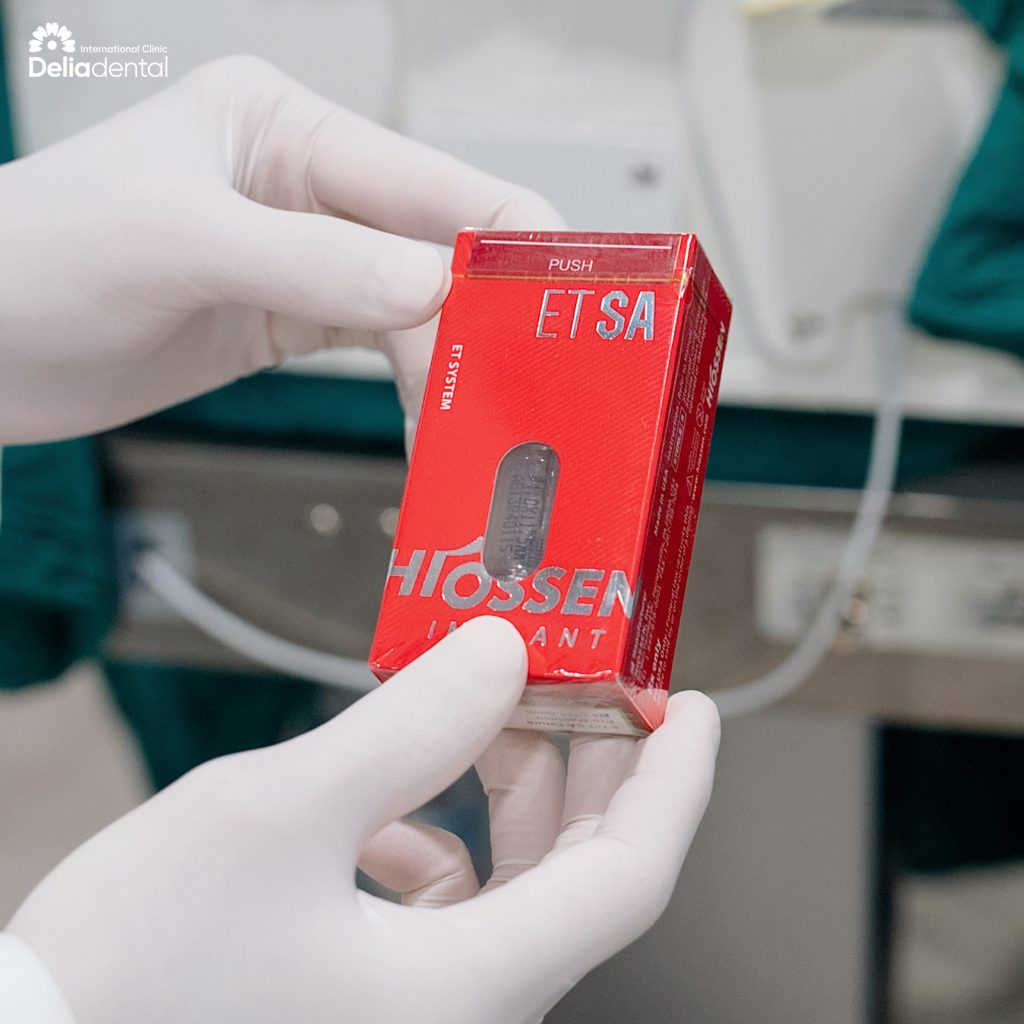
These figures cover the most accessible option within each category. The single implant price reflects a Korean Osstem implant paired with an entry level Ceramill crown, which is the cheapest complete combination in Delia’s price list. Choosing a different implant brand, such as a Swiss Straumann system, or a higher grade crown material raises the total, in the same way that brand and material choice change the price anywhere in the world. The numbers above are the starting point for each treatment type, and the final figure depends on the specific brand and material a patient chooses after consultation.
How That Compares To Australia, The UK, And The US
To make sense of whether dental care in Vietnam is genuinely good value, it helps to look at what the same complete procedures cost in the three countries Delia Dental Clinic sees the most enquiries from. Each comparison below uses a full, itemised local price, so an implant is compared against an implant that also includes the crown, not against the surgical component alone.
Australia
| Procedure | Price in Australia (AUD) | Price at Delia (AUD est) |
|---|---|---|
| Single dental implant, abutment and crown | AUD 3,000 to 7,000 | from AUD 1,335 |
| All-on-4 full arch | AUD 20,000 to 35,000 | from AUD 11,250 |
| Porcelain crown | AUD 1,200 to 2,500 | from AUD 285 |
| Porcelain veneer | AUD 1,200 to 2,600 | from AUD 450 |
A complete single dental implant in Australia, meaning the implant post, abutment and crown together, typically runs AUD 3,000 to 7,000. All-on-4 full arch treatment generally falls between AUD 20,000 and 35,000 per arch, and porcelain crowns and veneers each sit in the AUD 1,200 to 2,600 range depending on the clinic and material.
Against Delia Dental Clinic’s pricing, an Australian patient saves roughly 55 to 80 percent on a complete single implant, 45 to 68 percent on All-on-4, 75 to 90 percent on a crown, and 60 to 85 percent on a veneer. The saving narrows on larger cases like All-on-4 mainly because Australian full arch pricing itself has a wide spread, not because Vietnam becomes less competitive.
United Kingdom
| Procedure | Price in the UK (GBP) | Price at Delia (GBP est) |
|---|---|---|
| Single dental implant, abutment and crown | £1,800 to 4,200 | from £700 |
| All-on-4 full arch | £12,000 to 18,000 | from £5,900 |
| Porcelain crown | £500 to 1,200 | from £150 |
| Porcelain veneer | £700 to 1,500 | from £235 |
In the UK, a complete single dental implant, again meaning implant, abutment and crown together, typically costs £1,800 to 4,200, and All-on-4 treatment generally runs £12,000 to 18,000 per arch. Porcelain crowns and veneers fall between roughly £500 and £1,500 depending on material.
Against Delia Dental Clinic’s pricing, UK patients typically save 60 to 85 percent on a complete implant, 50 to 65 percent on All-on-4, 70 to 90 percent on a crown, and 65 to 85 percent on a veneer. On a single implant alone, that is a saving of roughly £1,100 to £3,500, often enough on its own to cover flights and accommodation with money left over.
United States
| Procedure | Price in the US (USD) | Price at Delia (USD) |
|---|---|---|
| Single dental implant, abutment and crown | $3,000 to 6,000 | from $890 |
| All-on-4 full arch | $20,000 to 35,000 | from $7,500 |
| Porcelain crown | $950 to 2,500 | from $190 |
| Porcelain veneer | $900 to 2,500 | from $300 |
A complete single dental implant in the US, including the post, abutment and crown, typically costs $3,000 to 6,000, and All-on-4 full arch treatment generally ranges from $20,000 to 35,000 per arch. Porcelain crowns and veneers each run roughly $900 to 2,500.
US patients see some of the largest absolute savings, since home prices sit at the higher end across nearly every category. Choosing an implant in Vietnam over one at home can save roughly $2,100 to 5,100 on that single procedure, before any crown or further work is added, which works out to about 70 to 85 percent less than the US range.
Why the price gap is this large
The instinct when seeing a significant price difference is to wonder what is being cut to make it possible. In most cases, the answer has little to do with the quality of the treatment itself and everything to do with the economic environment where the clinic operates.
Staff salaries, clinic rent, and professional indemnity insurance cost a fraction in Vietnam of what they cost in Sydney, London, or Los Angeles. A US dental laboratory can charge $400 to $800 to fabricate a single crown before the dentist adds their own fee. Laboratory costs in Vietnam are a small portion of that amount. These differences do not change the implant brand used, the ceramic material in a crown, or the sterilization protocol followed during treatment. The variance sits entirely in the overhead built into the final price.
This is also why pricing varies within Vietnam itself. A clinic using Straumann implants and imported ceramics charges more than one using Korean Osstem implants and domestic materials, matching the way pricing scales in any country. The key advantage is that even the higher end of Vietnam’s pricing typically undercuts the lower end of Western pricing for identical brands and materials.
Why The Price Gap Is This Large
The instinct when seeing a significant price difference is to wonder what is being cut to make it possible. In most cases, the answer has little to do with the quality of the treatment itself and everything to do with the economic environment where the clinic operates.
Staff salaries, clinic rent, and professional indemnity insurance cost a fraction in Vietnam of what they cost in Sydney, London, or Los Angeles. A US dental laboratory can charge $400 to $800 to fabricate a single crown before the dentist adds their own fee, while laboratory costs in Vietnam are a small portion of that amount. None of this changes the implant brand used, the ceramic material in a crown, or the sterilization protocol followed during treatment. The variance sits entirely in the overhead built into the final price, not in what the patient actually receives.
This is also why pricing varies within Vietnam itself. A clinic using Straumann implants and imported ceramics charges more than one using Korean Osstem implants and domestic materials, in the same way pricing scales in any country. The key advantage is that even the higher end of Vietnam’s pricing typically undercuts the lower end of Western pricing for identical brands and materials.
What “affordable” does not mean
Affordable does not mean every clinic in Vietnam is worth choosing, and it does not mean the savings should be taken at face value without checking what is actually included in a quote.
Vietnam has thousands of dental practices, and quality varies as widely as it does in any country. A price that looks unusually low compared to other clinics in the same city is worth treating with caution rather than excitement, since it may reflect unbranded materials or a clinic cutting corners on sterilization. The savings figures above assume treatment at a clinic that uses traceable implant brands, follows standard infection control protocols, and provides a written treatment plan before any work begins.
It is also worth factoring in flights, accommodation, and time away from work when weighing the total cost, particularly for single-procedure trips. For most patients needing more than one or two crowns, or anything involving implants, the savings remain substantial even after travel costs. For a single crown with no other work needed, the calculation is closer and worth running through before committing to a trip.
Are dental holiday packages worth it
Delia Dental Clinic does not sell bundled holiday packages where treatment, hotel, and tours are sold together as a single fixed product. What the clinic offers is practical support that becomes more substantial as the treatment value increases.
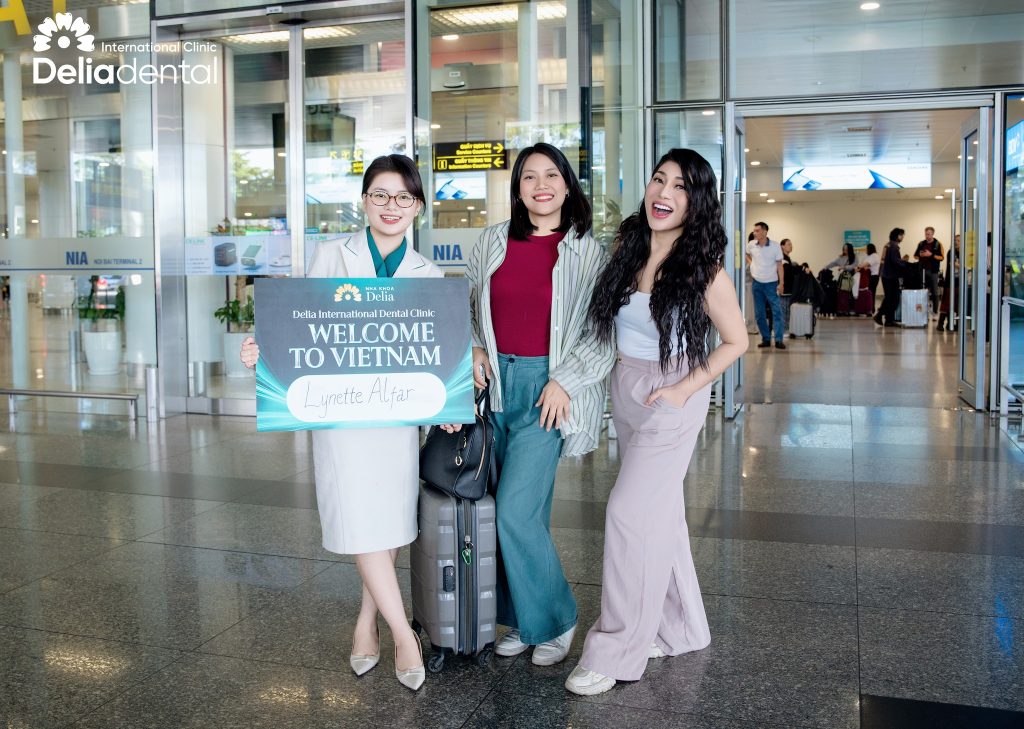
For patients undertaking higher-value treatment such as All-on-4 or multiple implants, this includes assistance with arranging accommodation near the clinic, airport pickup, and support with visa paperwork where needed. None of this is marketed as a package, and there is no obligation attached to it. It exists because patients flying in for several days of treatment need accommodation and transport, and Delia’s team handles the coordination rather than leaving patients to figure it out on arrival.
The practical effect is similar to what people search for under dental vacation options, even though it is not sold as one. Treatment comes first, and the logistics around it are arranged to fit, not the other way around.
How Delia Dental Clinic keeps pricing straightforward
The most common concern international patients raise is whether the price they are quoted will hold once they arrive. At Delia International Dental Clinic, the treatment plan and pricing are confirmed in writing before any flights are booked, based on X-rays or photos sent in advance. There is no renegotiation once you are in the chair.
This matters more for the cost of dental treatment in Hanoi and Ho Chi Minh city specifically because the savings only hold up if the quoted price is the price you actually pay. A clinic that revises pricing upward after arrival erodes the entire value proposition that made the trip worth considering in the first place.
If you want to know what your specific treatment would cost before deciding anything, sending your X-rays via Whatsapp or Messenger for a free assessment is the place to start.
Book a free consultation here.
Frequently Asked Questions
Does the Vietnam implant price include the crown?
At Delia Dental Clinic, the $890 starting price for a single implant already includes the implant fixture, the abutment, and an entry level porcelain crown, so it reflects a complete tooth replacement rather than just the surgical component. This matters because many implant comparisons online quote only the fixture and abutment, then compare that partial figure against a Western price that already includes the crown, which makes the saving look larger than it really is. If you are comparing quotes from more than one clinic, always ask whether the crown, temporary teeth, and follow up visits are included before comparing the headline number.
Why is Vietnam so much cheaper than Australia, the UK, or the US?
The gap comes almost entirely from lower operating costs rather than lower quality, assuming the clinic uses traceable materials and follows standard protocols. Staff salaries, clinic rent, laboratory fees, and professional indemnity insurance are all a fraction of what they cost in Sydney, London, or major US cities, and that overhead is what shows up in the final price rather than in the implant brand or ceramic used. The same Straumann implant or Emax crown costs the manufacturer roughly the same to produce wherever it is placed, so the price difference is almost entirely about where the clinic is located rather than what is being placed in your mouth.
Is a very low price at another Vietnam clinic a red flag?
It can be, though not automatically. A price noticeably below what Delia Dental Clinic or other established international clinics charge for the same implant brand or crown material is worth questioning rather than assuming it is simply a better deal. The most common explanations are unbranded implants sold as a known brand, a lower grade material substituted without the patient’s knowledge, or corners cut on sterilization and diagnostic imaging. Asking a clinic to name the exact implant brand and crown material in writing, and checking that against what is actually placed, is the simplest way to tell a genuine saving from a hidden downgrade.
Do these savings still make sense for just one procedure?
It depends on the procedure. For implants, multiple crowns, or All-on-4, the savings shown above are usually large enough to cover flights and accommodation with a meaningful amount left over, even after a single trip. For one porcelain crown with no other treatment needed, the maths is closer, since flights and a hotel stay can absorb a large share of what would otherwise be saved. Patients considering only one small procedure should run the full trip cost against the saving before booking, rather than assuming the headline percentage alone justifies the travel.
Will the price change once I arrive in Vietnam?
At Delia Dental Clinic, no. The treatment plan and price are confirmed in writing before you book flights, based on the X-rays or photos you send in advance, and that quoted price does not change once you are in the chair unless your own treatment needs change after an in person examination. If a clinic anywhere gives you a low price over message but will not put it in writing before you travel, treat that as a signal to get the plan confirmed in writing first.
Does Delia Dental Clinic sell an all-in holiday package?
No. Delia Dental Clinic does not bundle treatment, hotel, and tours into a single fixed product. For higher value treatment such as All-on-4 or multiple implants, the clinic helps arrange accommodation near the clinic, airport pickup, and visa support where needed, but this is practical coordination rather than a marketed package, and there is no obligation attached to using it.
What should I send before getting a personalised quote?
Recent X-rays or clear photographs of your teeth are usually enough for Delia Dental Clinic to give an initial, case-specific price range before you commit to anything. If you already have a quote from a clinic at home, sending that alongside your X-rays lets the team compare it directly against Vietnam pricing for the same brand and material, rather than against a generic average.
Final Thoughts
Dental care in Vietnam is affordable for foreigners when measured against what the same complete treatment costs in Australia, the UK, or the US, typically by a margin of 55 to 90 percent depending on the procedure and country. That gap comes from lower operating costs, not lower standards, provided the clinic is chosen carefully and the comparison covers the same components on both sides.
The number that matters most is not the headline saving but the final, written price you receive before you travel. If you want to know what your specific treatment would cost, sending your X-rays for a free assessment is the place to start.


