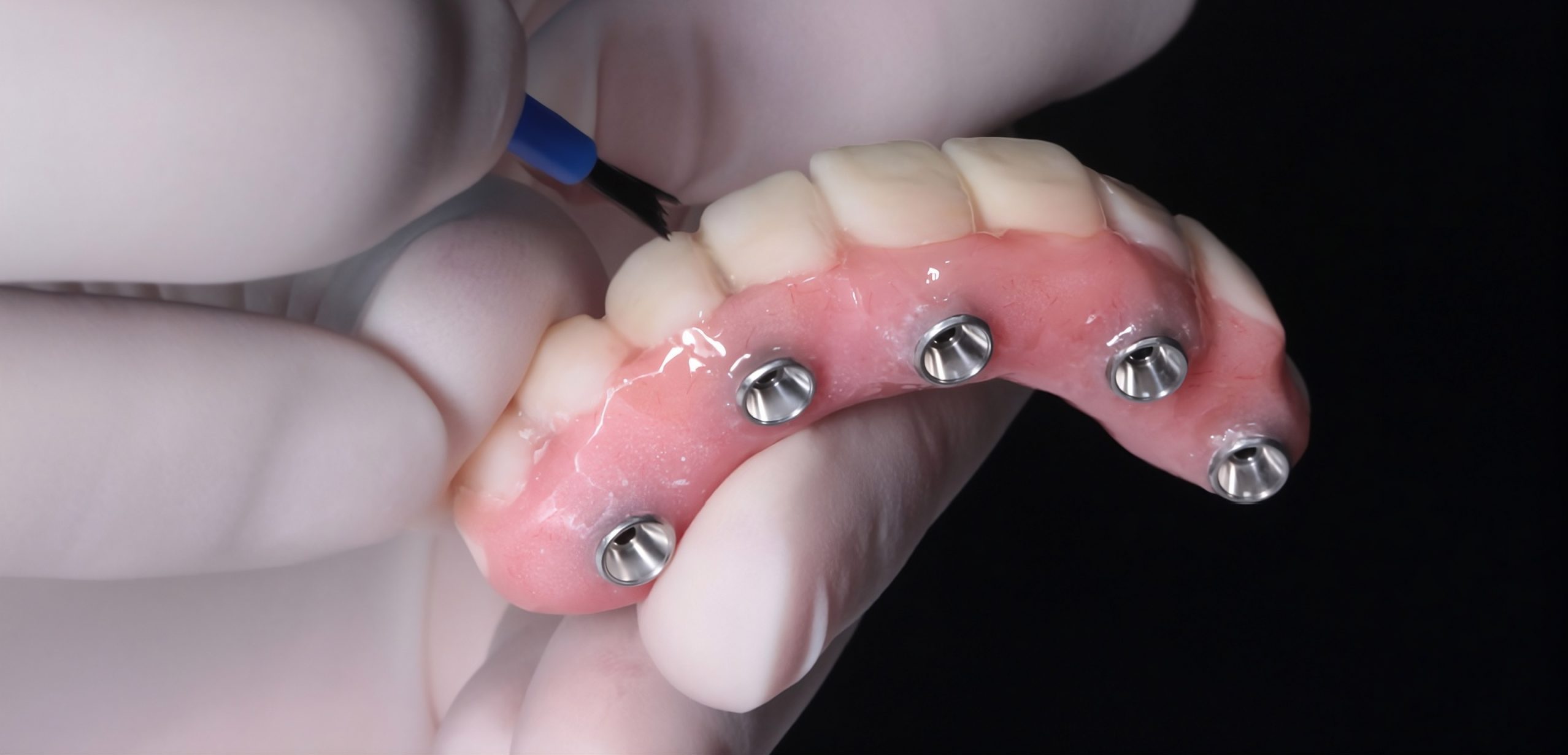
For most Australian patients considering All-on-4 treatment abroad, two questions come first: how much cheaper is it, and is the quality worth trusting? Both are fair questions. This guide answers them using published peer-reviewed clinical data on implant survival rates, publicly available cost benchmarks from Australia, and a practical breakdown of what full-arch treatment at Delia International Dental Clinic in Ho Chi Minh City actually costs.
What the research says about All-on-4 survival rates
The most cited long-term data on All-on-4 outcomes comes from the Maló Clinic in Lisbon. A 2019 retrospective study tracking 471 patients across 10 to 18 years of follow-up reported a cumulative implant survival rate of 94.7 percent at 10 years and 93.0 percent at 18 years, with a prosthetic survival rate of 98.8 percent. An earlier Maló study following 245 mandibular patients reported 98.1 percent implant-level survival at five years and 94.8 percent at 10 years.
A 2014 systematic review by Patzelt et al. covering multiple centres and implant brands placed the five-year survival rate in the same range, at approximately 95.1 percent. More recently, a 2022 clinical study tracking patients for up to four years post-surgery reported a survival rate of 99.38 percent at the implant level, with 100 percent prosthetic survival over the study period.
Taken together, the published literature puts expected five-year All-on-4 implant survival between 94 and 99 percent across different patient populations, surgical centres, and implant brands. This is the baseline against which any clinic, anywhere, should be compared.
What drives All-on-4 outcomes more than location
Geography is not the main determinant of whether All-on-4 treatment succeeds. Three factors matter far more: the implant brand and material certification, the patient’s own health and risk profile, and the quality of surgical planning.
Implant brand and certification
All-on-4 is a surgical protocol, not a product. The outcome depends heavily on which implant system is placed. Validated brands with CE and ISO certification, published clinical data, and global service networks behave differently from generic, uncertified systems that may look similar on paper but carry no comparable evidence base.
The brands Delia uses for All-on-4 cases, Osstem (South Korea), HIOSSEN (US), ETK (France), SIC (Switzerland), Straumann SLA, and Straumann SLActive (both Swiss), are all CE and ISO certified and are available at clinics across Australia and Europe. Choosing a named, certifiable brand means that if you need a follow-up procedure at home, your local dentist has access to the same components and documentation your original clinic used.
Patient risk factors
The Maló 2015 retrospective study found that active smoking carried a hazard ratio of 5.28 for implant failure, making it one of the strongest predictors of poor outcome in the literature. Poorly controlled type 2 diabetes and untreated bruxism also depress survival rates in ways well documented across multiple published studies.
These are patient-side variables, not clinic-side ones. A healthy, non-smoking patient with no uncontrolled systemic conditions treated at a reputable clinic in Ho Chi Minh City statistically carries better odds than a heavy smoker treated at a specialist centre in Sydney. Risk factors and the quality of pre-treatment screening matter more than the country where surgery takes place.
Surgical planning and imaging
CBCT (cone beam computed tomography) three-dimensional imaging before implant surgery is now considered standard of care for All-on-4 planning. It allows the surgeon to assess bone volume, identify nerve pathways, and determine the most appropriate implant position before making any incision. Clinics without in-house 3D imaging capability, or those skipping this step to reduce costs, introduce avoidable variables into an otherwise well-understood surgical protocol.
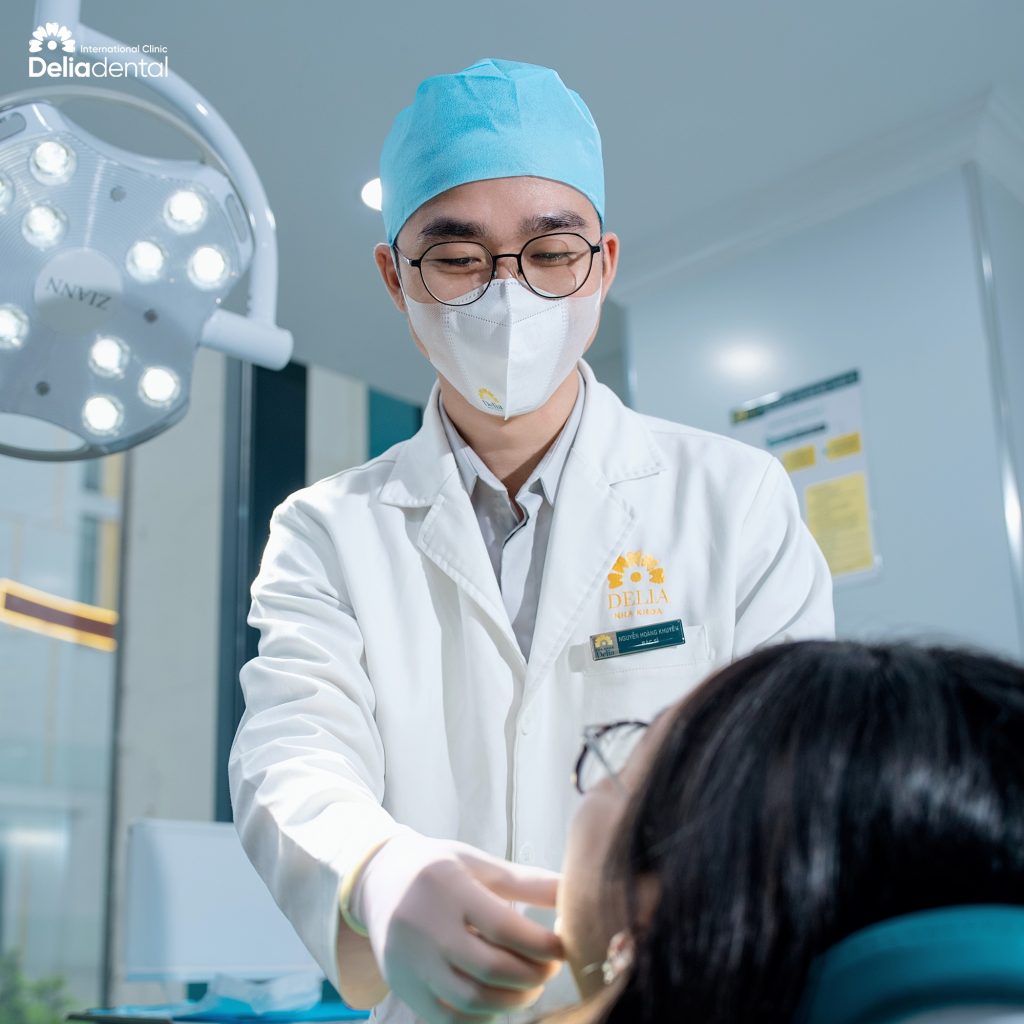
All-on-4 cost in Ho Chi Minh City vs Australia
Australian private clinics charge between AUD 25,000 and AUD 35,000 per arch for All-on-4 treatment, according to 2026 clinic data. At the current exchange rate of approximately 0.64 USD per AUD, that translates to roughly USD 16,000 to USD 22,400 per arch before accounting for the CBCT scan, bone grafting if needed, or sedation.
At Delia International Dental Clinic in Ho Chi Minh City, All-on-4 is available across six implant brands in three prosthetic packages. Package 1 delivers a fixed high-strength resin arch, screw-retained. Package 2 upgrades to a full zirconia arch on a titanium bar. Package 3 provides a full zirconia arch on a titanium framework, with each crown seated individually.
All-on-4 pricing at Delia HCMC (USD per arch)
| Implant brand | Origin | Package 1 (resin arch) | Package 2 (zirconia on Ti bar) | Package 3 (zirconia on Ti frame) |
| Osstem | South Korea | $6,300 | $7,500 | $7,800 |
| HIOSSEN | US | $8,300 | $9,500 | $9,800 |
| ETK | France | $8,700 | $9,900 | $10,200 |
| SIC | Switzerland | $9,100 | $10,300 | $10,600 |
| Straumann SLA | Switzerland | $11,500 | $12,700 | $13,000 |
| Straumann SLActive | Switzerland | $12,700 | $13,900 | $14,200 |
CBCT imaging is included. These prices apply equally at Delia’s Ho Chi Minh City and Hanoi branches.
The all-in cost model
The procedure fee is only part of the total cost of getting treatment in Vietnam. A more accurate comparison adds in flights and accommodation for two trips, since All-on-4 typically requires an initial visit for implant placement followed by a return visit three to five months later for the final arch.
For a patient flying from Sydney, return economy flights to Ho Chi Minh City average around USD 400 to USD 600 per trip, or roughly USD 800 to USD 1,200 total for two visits. Accommodation in central HCMC runs from USD 35 to USD 80 per night for comfortable mid-range hotels. For 12 to 14 nights across both trips combined, that adds another USD 420 to USD 1,120.
Adding meals, local transport, and a contingency for incidentals, a realistic all-in estimate for travel costs sits around USD 1,500 to USD 2,500 across both trips.
Sample cost comparison: dual-arch All-on-4, Package 2 (zirconia on titanium bar)
| HCMC (Delia Dental Clinic) | Australia | |
| Procedure, both arches | $15,000–$25,400 | $32,000–$44,800 |
| CBCT scan | Included | USD 225–385 (est.) |
| Return flights x2 + accommodation | ~$2,000 | — |
| Total estimated | ~$17,000–$27,400 | ~$32,225–$45,185 |
The saving range is wide because the gap depends on which brand and package you choose. Osstem Package 2 at Delia versus the Australian low end produces a saving of around USD 15,000 per dual arch. Straumann SLActive Package 2 at Delia versus the Australian high end saves close to USD 17,000.
Why cost access matters clinically
Delaying or avoiding All-on-4 treatment has its own clinical consequences. Untreated complete or near-complete tooth loss accelerates bone resorption. Once bone volume falls below a threshold, bone grafting or alternative surgical approaches become necessary, adding cost, complexity, and recovery time to whatever treatment eventually proceeds. For many patients, the Australian price point is not just inconvenient, it is a barrier to receiving treatment at all. Vietnam does not eliminate the procedure cost, but it brings it within reach for a broader range of patients without reducing the quality of what is placed.
Red flags when comparing clinics in Vietnam
Not all clinics offering All-on-4 in Ho Chi Minh City or elsewhere in Vietnam operate at the same standard. A few things are worth checking before committing.
If a clinic cannot name the specific implant brand and country of origin in its quote, that is a gap worth addressing before proceeding. Generic or unbranded implant systems offer no traceable clinical literature, no serial numbers for your dental records, and no straightforward path to compatible components if you need follow-up work at home.
A quote that gives a single headline number without itemising the CBCT scan, anaesthesia, lab fees, or abutments leaves room for additions later. Asking for an itemised written quote before any deposit is paid is a reasonable thing to do with any clinic.
Absence of a written warranty for both the implant fixture and the prosthetic arch is another signal worth noting. Standard warranties from named implant manufacturers run seven to ten years on the fixture; the prosthetic should carry a separate documented coverage period.
Finally, a clinic without in-house 3D imaging capability is skipping a planning step that the published literature treats as standard for All-on-4 cases.
All-on-4 at Delia Dental Clinic in Ho Chi Minh City
Delia International Dental Clinic has branches in Ho Chi Minh City, Hanoi, and Thanh Hoa City. Both the Ho Chi Minh City and Hanoi locations offer All-on-4 across the six implant brands listed above, with identical pricing between the two cities.
International patients receive an itemised quote in USD covering the implant brand, prosthetic package, and CBCT imaging before any deposit is requested. If the in-person exam at Delia finds a clinical situation that differs from what was discussed remotely, the updated treatment plan and cost are confirmed with the patient before any procedure begins.
English-language support is available throughout the consultation, treatment, and follow-up process. Written warranty documentation is provided at discharge along with a record of the implant brand, batch, and serial number, which your dentist at home will need for any future maintenance.
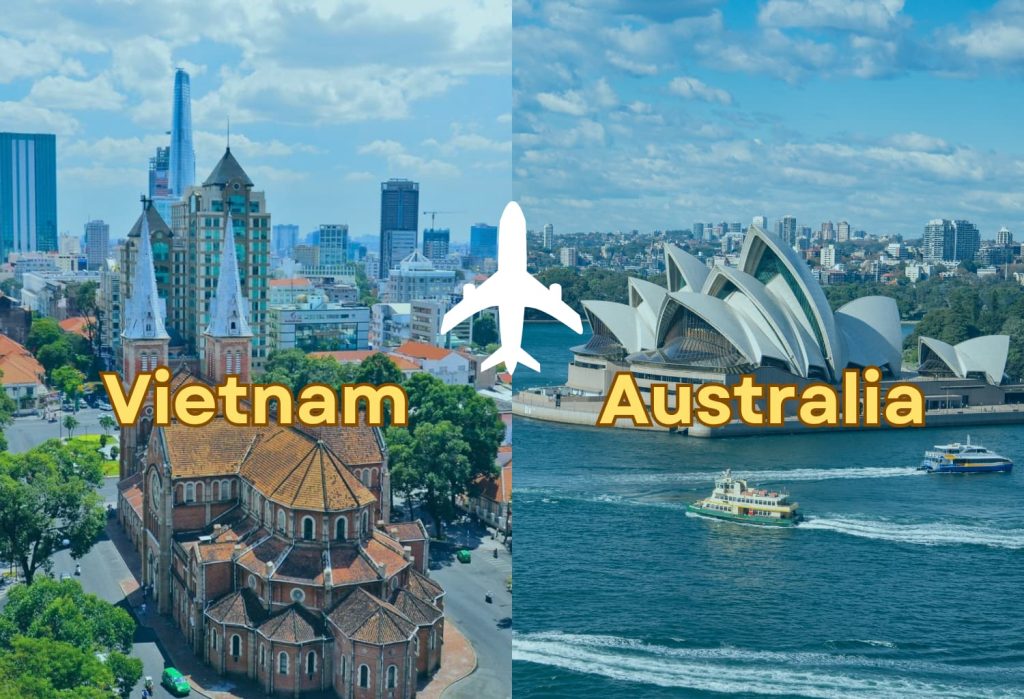
For patients flying from Sydney, Melbourne, Brisbane, or Perth, Ho Chi Minh City is the most directly connected Vietnamese city, with non-stop services operating from all four airports.
Book a free online consultation here.
Frequently asked questions
Are All-on-4 survival rates in Vietnam comparable to Australia? The published clinical literature shows five-year implant survival rates between 94 and 99 percent across multiple centres and countries. These figures reflect validated implant brands and experienced surgical teams, not geography. A clinic using CE-certified implants with CBCT-guided planning in Vietnam is working from the same evidence base as a specialist centre in Australia.
How many trips does All-on-4 treatment require? Most All-on-4 treatment plans involve two trips. The first covers implant placement and a temporary arch. The second, three to five months later, is for the final prosthetic arch once osseointegration is confirmed. Some patients extend the first visit or plan the second trip around a holiday.
Does bone grafting add to the cost? Bone grafting or a sinus lift is sometimes needed when bone volume is insufficient for standard implant placement. This is assessed at the in-person exam with a CBCT scan. If additional procedures are required, Delia confirms the updated cost in writing before proceeding. It is worth asking any clinic whether this possibility is factored into the initial quote.
Which implant brand should I choose? Osstem is a cost-effective option with a well-established track record in Asia and a growing published evidence base globally. SIC and ETK offer European-certified systems at a mid-range price point. Straumann SLA and SLActive carry the broadest published clinical literature of any implant brand, with surface technology specifically developed to support early osseointegration. The right choice depends on your bone condition, budget, and how important brand traceability for follow-up in Australia is to you.
How long is the warranty on implants and the prosthetic arch? Warranty terms at Delia vary by brand: Straumann fixtures carry a 10-year warranty, Osstem carries 7 years. The prosthetic arch warranty covers the material and fitting and is documented separately at discharge.
How do I get started? You can contact Delia’s international patient team to request a remote quote. Sending recent OPG or CBCT images allows the clinic to provide an itemised estimate before you book any flights. The initial consultation is free, and no deposit is required until you have a written treatment plan in hand.
Final thoughts
The gap between Australian and Vietnamese All-on-4 pricing is large enough to matter for most patients. The clinical evidence, based on published peer-reviewed data rather than any one clinic’s internal statistics, does not support the assumption that treatment outside Australia carries meaningfully higher risk when a reputable clinic using validated implant brands is chosen.
If you are weighing up options, requesting an itemised quote from Delia before committing anywhere is a reasonable first step.


