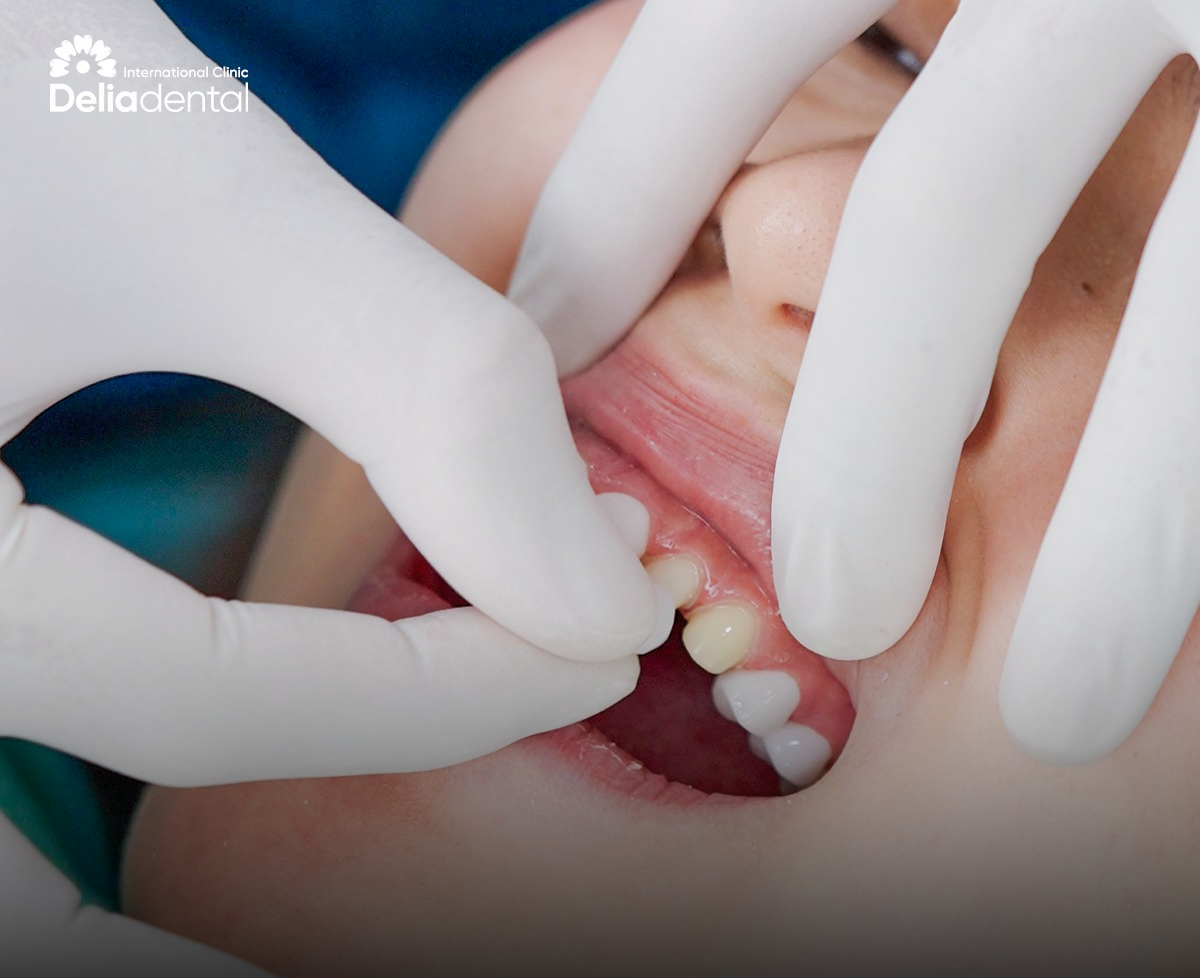
Dental crown cost in Vietnam starts from $190 per tooth. Here is how that compares to Australia, the US, and the UK, and what actually determines the price.
Researching dental crown prices and getting wildly different quotes from different clinics is more common than you think. One clinic advertises a low headline price while another quotes significantly more for what seems like the exact same treatment, and it is not always obvious what explains the gap.
This is why so many international patients search for dental crown costs in Vietnam before making a final decision. The price difference between Vietnam and Western dental markets is significant, but your final cost will always depend on the crown material, the number of teeth involved, any preparatory treatments needed, and the standards of the clinic and lab handling your case.
This guide breaks down everything that drives crown dental prices in Vietnam, what to expect at a reputable clinic, and how to tell whether the quote you are getting, including travel costs, is actually reasonable.
Quick Answer
Dental crowns in Vietnam start from $190 per tooth for an entry level material and run up to around $1,150 for premium Italian ceramic, compared with roughly $900 to $2,500 in the US, AUD 1,200 to 2,500 in Australia, and £600 to £1,800 in the UK. The material you choose is the single biggest factor in price, followed by how many teeth need treatment and whether preparatory work like a root canal or core build up is required first. For a typical eight tooth case, the total cost in Vietnam, including flights and a hotel, runs roughly $3,300 to $4,520, compared with $7,200 to $20,000 for the same eight teeth in the US alone, before any travel is added.
What determines the cost of a tooth crown in Vietnam
Crown material
Material is the single biggest price variable. The three main all-ceramic options used at well-equipped clinics in Vietnam are:
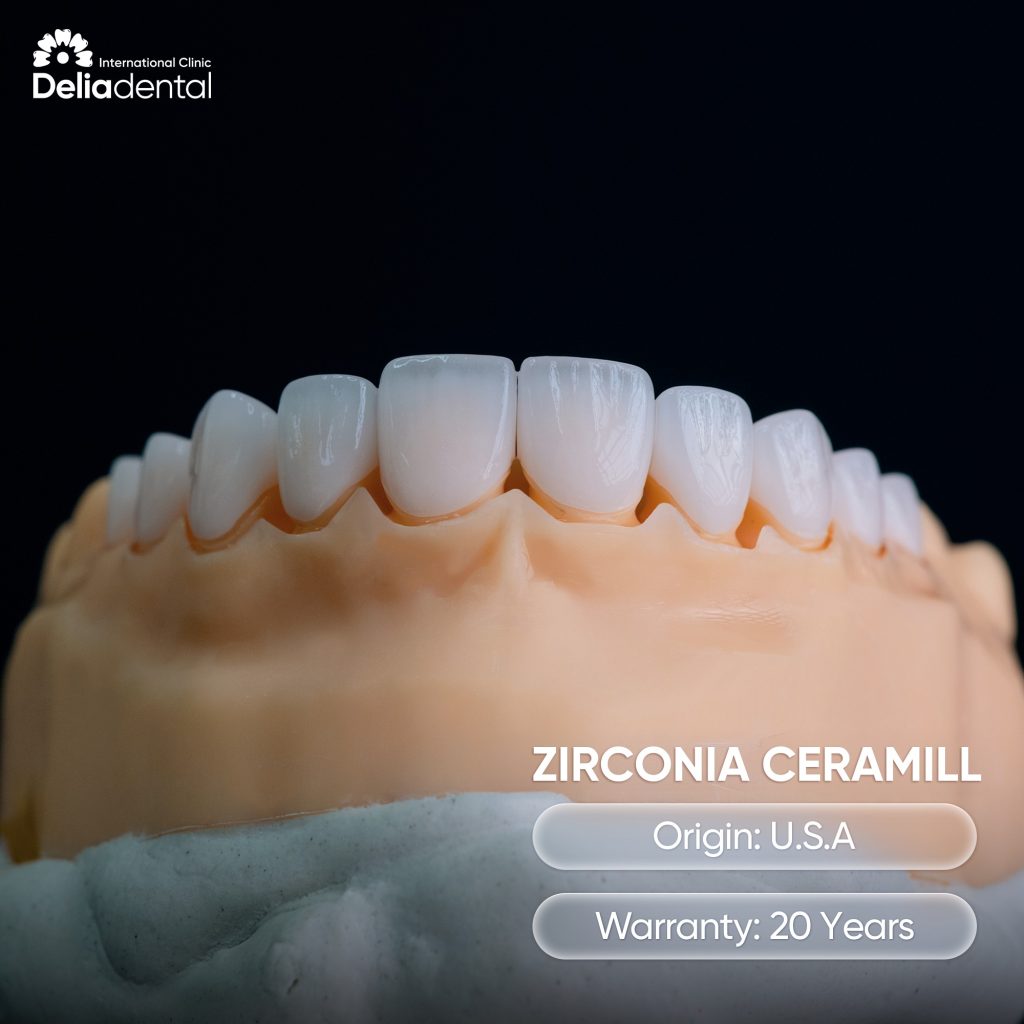
Ceramill is an entry-level all-ceramic system, more opaque than premium options but a reliable choice for patients restoring multiple teeth on a tighter budget. At Delia, Ceramill crowns start from $190 per tooth with a 10-year warranty.
Lava Plus Zirconia (3M) is a high-translucency zirconia offering better light transmission than standard zirconia, making it more natural-looking and more durable for back teeth. At Delia, Lava Plus crowns start from $350 per tooth with a 30-year warranty.
Emax (lithium disilicate) is widely considered the most aesthetically superior option for front teeth, with a crystal structure that closely mimics natural enamel translucency. At Delia, Emax crowns start from $290 per tooth with a 20-year warranty.
The warranty difference between materials is worth noting. A 10-year warranty on a Ceramill crown versus a 20 or 30-year warranty on Emax or Lava Plus reflects real differences in durability and material longevity.
Number of teeth
Per-tooth pricing generally applies whether you are restoring a single crown or a full set, but reputable clinics typically offer package pricing for larger cases. If your treatment plan involves six or more teeth, ask specifically about package rates, since the per-tooth cost often drops with volume and is worth discussing before you finalize your treatment plan.
This matters most for patients restoring a full arch or a large number of visible front teeth, where the difference between per tooth pricing and a package rate can run into hundreds of dollars once every tooth is added up. Confirm in writing whether a quote already reflects package pricing before comparing it against another clinic’s per tooth rate, since comparing a package price at one clinic against a per tooth price at another can make the second clinic look cheaper than it actually is.
Preparatory work
The crown itself is often just one part of your total cost. Depending on the current condition of the tooth, there are a few preparatory steps that may be required before the crown can be safely placed.
A reputable clinic will require a cone beam CT scan rather than a basic X-ray to properly assess the bone and tooth structure before any preparation begins. If the tooth has significant decay or nerve damage, a root canal will be needed first, which adds both cost and appointments to the process. If the tooth is severely broken down, a core build-up is needed to create a stable foundation for the crown.
At a properly run clinic, these preparatory needs are identified during the same initial scan and consultation used to plan the crown itself, not discovered midway through treatment as a surprise added cost. Any clinic that quotes a price without first checking whether these steps are needed is not giving you an accurate estimate. Ask about them before you commit to any quote.
Dental crown cost in Vietnam: what to expect at Delia International Clinic
Price breakdown by material
| Material | Origin | Price per tooth | Warranty |
| Ceramill | Germany | from $190 | 10 years |
| Emax | USA | from $290 | 20 years |
| Lava Plus Zirconia | USA (3M) | from $350 | 30 years |
| Lava Esthetic | USA | from $600 | 40 years |
| Orodent Bleach | Italy | from $950 | Lifetime |
| Orodent Innovation | Italy | from $1,150 | Lifetime |
Prices above are per tooth and cover the crown and placement. Diagnostic scans, preparatory procedures, and temporary crown fitting are additional where required.
How Vietnam compares to Australia, the US, and the UK
In Australia, a standard all-ceramic or zirconia crown in Australia typically costs between AUD 1,200 and AUD 2,500 per tooth. Based on the ADA Health Policy Institute’s national survey of dental fees, the US average for an all-porcelain crown runs from roughly $900 to $2,500 before insurance. In the UK, published private dental fee guides put crown pricing generally between £600 and £1,800 per tooth, well above the flat NHS Band 3 rate, which only applies to patients treated within the NHS system.
At the mid-range Emax level, a crown at Delia Dental Clinic costs $290, compared with the equivalent in Australia at AUD 1,500 or more. When you multiply that difference across a larger treatment plan, the numbers add up quickly, even before flights and a hotel enter the picture.
What flights and accommodation typically add to the trip
The price comparisons above do not include travel, so here is what that actually looks like once flights and a hotel are added in.
- Flights from Australia: roughly AUD 700 to 1,300 for an economy round trip, depending on the departure city and season.
- Flights from the US: roughly $700 to $1,200 for an economy round trip, depending on the departure city and time of year.
- Flights from the UK: roughly £450 to £900 for an economy round trip, depending on the departure airport and season.
- Accommodation in Ho Chi Minh City: roughly $40 to $100 per night for a comfortable 3 to 4 star hotel in District 1 or District 3, close to Delia Dental Clinic.
Here is what that looks like for a patient restoring eight teeth with Emax crowns and flying in from the US:
| Cost item | Amount |
|---|---|
| 8 Emax crowns at Delia Dental Clinic | $2,320 |
| Round trip flight from the US | $700 to $1,200 |
| Hotel, 7 to 10 nights | $280 to $1,000 |
| Total in Vietnam, travel included | $3,300 to $4,520 |
| Same 8 teeth in the US alone, crowns only, no travel | $7,200 to $20,000 |
Even at the low end of the US price range, and even after every travel expense is added in, the total cost in Vietnam stays meaningfully lower. range of $900 to $2,500 per tooth would cost $7,200 to $20,000 before any travel is added. Even at the low end of the US range, the total cost in Vietnam remains meaningfully lower once every travel expense is included.
What the price difference actually means for quality
The cost of a dental crown in any country comes down to two things: the material and the labor. Materials are globally traded commodities. Emax from Ivoclar Vivadent, Lava Plus from 3M, and other premium ceramics cost roughly the same to a clinic in Ho Chi Minh City as they do to a clinic in Sydney or London.
What differs dramatically is labor. A dentist’s time, a ceramist’s time, clinic rent, and staff wages in Vietnam are a fraction of equivalent costs in Australia or the UK. Clinics in Ho Chi Minh City’s central districts charge slightly more than those in peripheral areas, but that difference is minor compared to the gap with Western market pricing. The material going into your mouth is the same. The saving comes from everything around it.
The variable that does require scrutiny is the clinical process: whether the clinic uses proper digital scanning, whether a trial step is included before bonding, and whether warranty documentation is provided in writing. These are process differences, not material ones, and they exist at poorly run clinics in any country.
What to look for when choosing a clinic for dental crowns in Vietnam
Material transparency
A reputable clinic states the exact brand and origin of the material being used before treatment begins, not after. All ceramic crown without specifying the brand is not sufficient. Emax, Lava Plus, Ceramill, and Orodent are different materials with different properties and warranty periods. You should know which one you are getting.
Warranty documentation
Warranty length is a direct signal of material and clinical confidence. Ask for the warranty in writing before treatment starts. A 20-year warranty on an Emax crown means something specific. A vague “we guarantee our work” means nothing enforceable.
Trial step before fitting
The most important quality checkpoint in the crown process is the trial fitting: the crown is seated on the tooth without bonding, reviewed under natural light, and confirmed by both patient and dentist before anything is cemented permanently. Clinics that skip this step, or treat it as a formality, produce more cases where patients are unhappy after permanent bonding.
Why patients choose Delia Dental Clinic for dental crowns
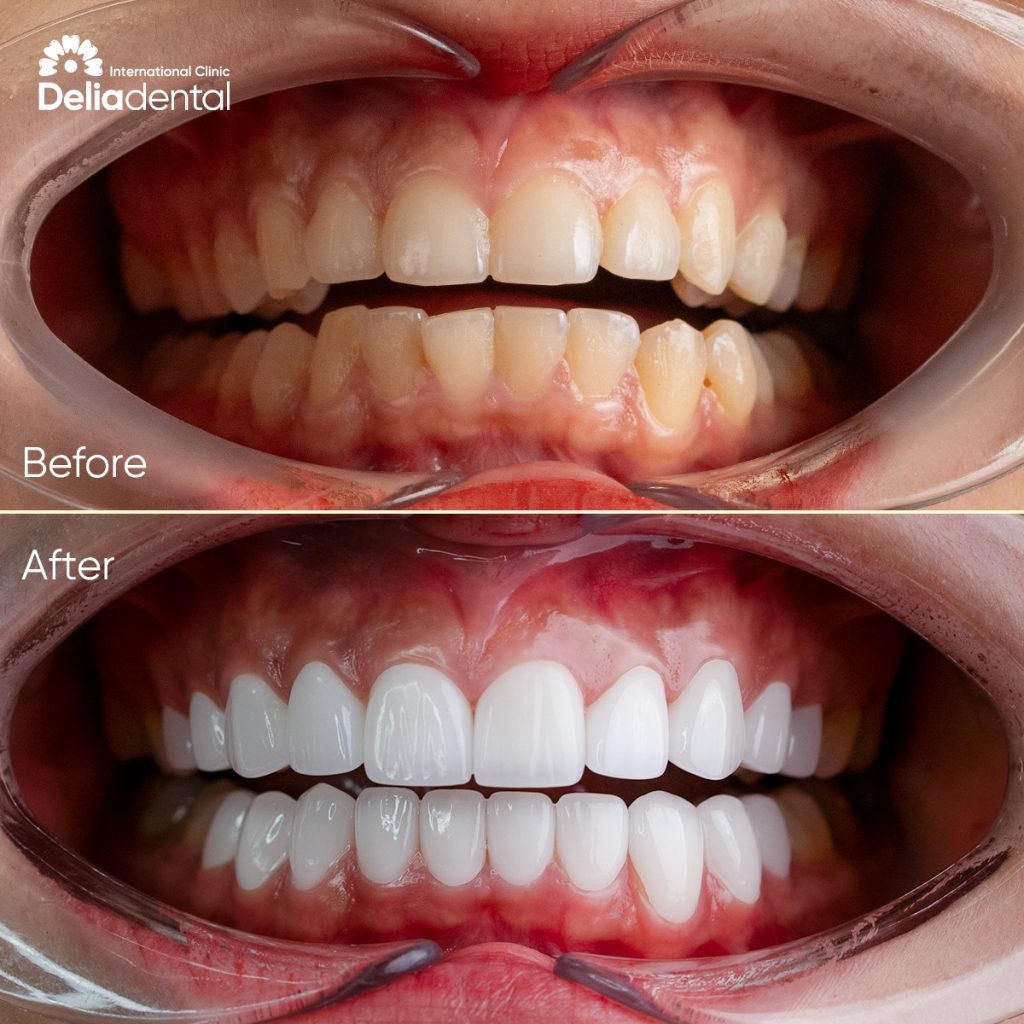
Delia Dental Clinic offers six crown material tiers from entry-level Ceramill at $190 to premium Italian Orodent at $1,150, all with written warranty documentation. Having access to the full range means the material recommendation is driven by clinical fit and budget, not by what the clinic happens to stock.
The trial step before bonding is non-negotiable. Every crown is reviewed under multiple light conditions before cementation, and the patient confirms the shape and shade before the appointment ends.
With over 5,000 cosmetic and restorative cases completed across the Hanoi and Ho Chi Minh City branches, crown cases are a routine part of the clinical workload at Delia Dental Clinic. The English-speaking team handles the international patient process from the first online consultation via Whatsapp or Messenger through to written warranty documentation and aftercare instructions before departure.
Frequently Asked Questions
Is dental crown cost in Vietnam really cheaper once flights and a hotel are included?
In most cases, yes. Flights typically run a few hundred to just over a thousand dollars depending on where you are flying from, and a comfortable hotel near the clinic in Ho Chi Minh City generally costs $40 to $100 a night. For a single crown, these travel costs can meaningfully narrow the gap, so the savings are usually more noticeable on larger treatment plans involving several teeth. Once you are restoring four or more teeth, the material savings alone tend to outweigh the added cost of flights and accommodation by a wide margin. It is still worth adding up your own numbers based on your departure city and planned length of stay, since travel costs vary by season and by treatment plan.
How do I know which crown material is right for my case?
The right material depends on which tooth is being restored, how it needs to perform, and your budget. Front teeth generally benefit from Emax or a similarly translucent material because it mimics natural enamel more closely under light. Back teeth take more biting force, so a stronger zirconia option like Lava Plus or Lava Esthetic is often recommended there instead. A reputable dentist will walk through these tradeoffs with you after examining the tooth in person or reviewing your scans, rather than defaulting to whichever material happens to be cheapest or most profitable for the clinic.
Does a lower price always mean lower quality?
Not necessarily, but it depends on what is actually driving the lower price. If the saving comes from lower labor and overhead costs, as is generally the case comparing Vietnam to Western markets, the material and clinical outcome can be comparable. If the saving comes from an unnamed or unverified material, a skipped trial fitting, or no written warranty, that is a real quality risk regardless of which country you are in. The way to tell the difference is asking the specific questions covered earlier in this guide, about material brand, warranty documentation, and whether a trial step is included, rather than judging by price alone.
What if my tooth needs a root canal or core build up before the crown?
This is common and does not necessarily mean something has gone wrong with your treatment plan. A tooth with significant decay or a compromised nerve typically needs a root canal first so the crown has a stable, infection free foundation to sit on. A tooth that has broken down structurally may need a core build up, essentially a strong filling material shaped to support the crown, before it can be prepared. Both of these add appointments and cost on top of the crown price itself, which is why a proper diagnostic scan before any quote is given matters so much. Ask your clinic to confirm, based on your scans, whether either step is likely before you finalize a treatment plan or book flights.
How long does the crown process take from consultation to final placement?
For most straightforward cases without preparatory work, the process from initial consultation to final crown placement typically fits within a single trip of around one week, including time for the trial fitting and any adjustments. Cases requiring a root canal or core build up first will generally need a few extra days added to that timeline to allow those steps to be completed properly. Full mouth or larger multi tooth cases may be split across two visits in some clinics, though this depends on your specific treatment plan. Confirming your expected timeline with the clinic before booking flights helps you plan a trip length that actually matches your treatment, rather than guessing.
Final Thoughts
Crown dental prices in Vietnam are lower than in Western markets because labor costs are lower, not because the materials are inferior. At a clinic that uses the same globally sourced materials with proper process controls, the clinical outcome is comparable, and even once flights and a hotel are factored in, the total cost for most treatment plans stays well below the equivalent at home.
The questions worth asking before booking are not about the country. They are about which material is being used, what warranty comes with it, and whether the clinic runs a proper trial step before bonding. Those three things determine the result more than geography does.


