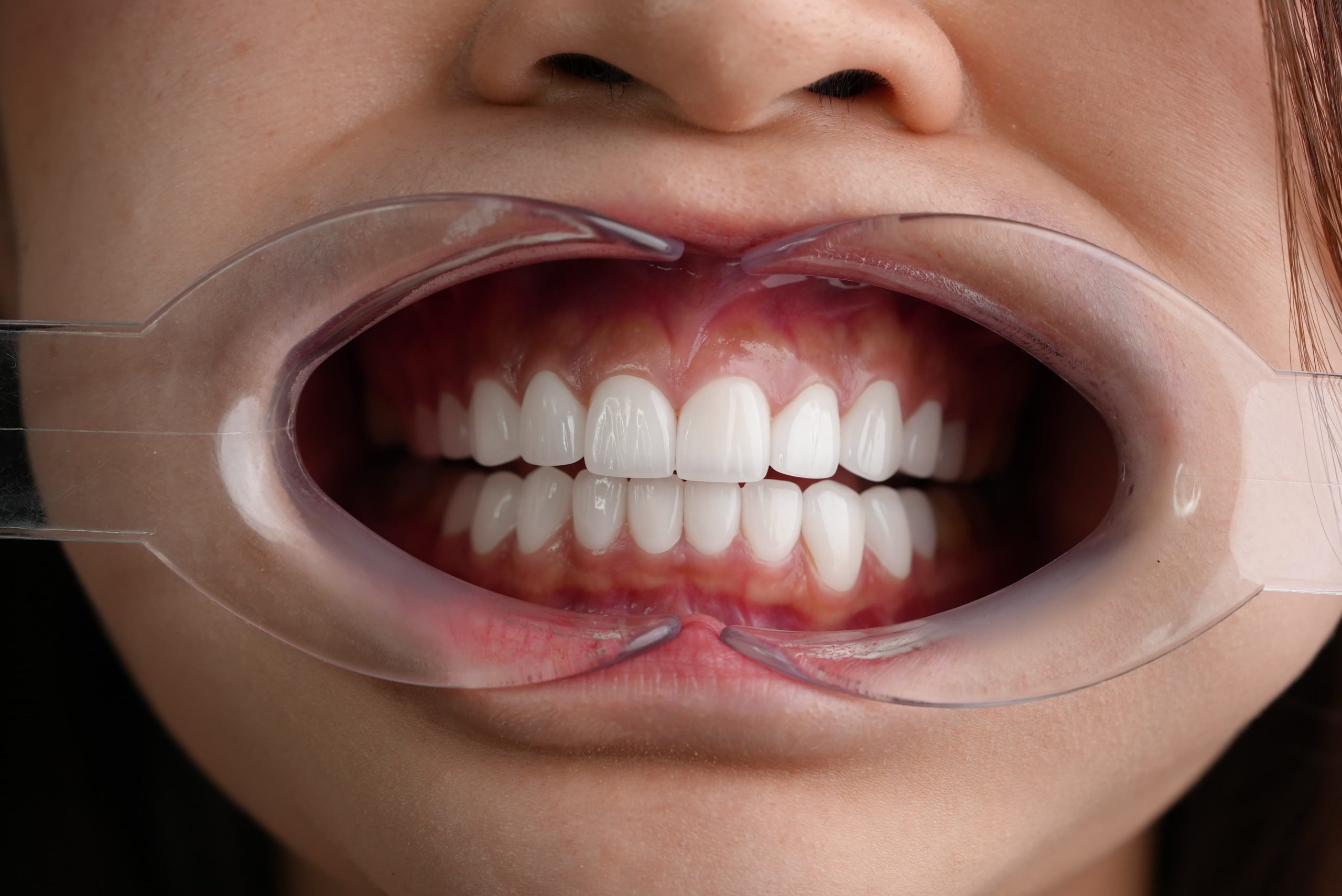
When a dentist recommends a crown, one of the materials that comes up most often is E.max. It is easy to assume this is just another marketing name for porcelain, but E.max dental crown is a specific material with its own manufacturing process, strength profile, and best use cases. Understanding what it actually is makes it much easier to know whether it is the right choice for your situation, or whether something else fits better.
What E.max actually is
When exploring premium cosmetic dentistry options, E.max is a name you will encounter frequently. To understand its value, it helps to know what the material actually consists of and why it remains a industry standard for smile transformations.
Technically, E.max is a lithium disilicate glass-ceramic created and manufactured by Ivoclar, a major dental materials company based in Liechtenstein. Since its introduction to clinical dentistry in 2005, this material has become one of the most widely used glass-ceramics in restorative treatments globally, backed by over two decades of clinical data and real-world success rates.
Strength and Esthetics Explained
The material features a flexural strength of approximately 530 MPa (Megapascals). While it is not the absolute strongest ceramic on the market—zirconia, for instance, holds higher structural strength for heavy biting zones—the defining advantage of lithium disilicate is its lifelike translucency.
Dental laboratories fabricate these restorations using one of two precise methods:
- CAD/CAM milling: Where a computer-guided machine cuts the veneer or crown directly from a solid ceramic block.
- Hot-pressing technique: Where the ceramic is pressed into a custom mold under high temperatures.
Both manufacturing processes produce a unique, interlocking crystal structure inside the material. This internal network allows light to pass through and reflect off the tooth surface in a way that closely resembles natural human tooth enamel. As a result, dentists frequently select it for front teeth restorations where visual perfection is the primary goal.
Verifying Authentic Materials
It is important to clarify a common misconception found in dental tourism marketing: E.max is not a generic industry term for all porcelain restorations, nor is it a German product line. True E.max is manufactured exclusively by Ivoclar in Liechtenstein. Knowing this distinction is essential when verifying your treatment plan, ensuring your chosen clinic is utilizing authentic, certified blocks rather than unbranded imitations.
Why dentists recommend it for front teeth
The reason E.max is so often recommended for front teeth comes down to how light behaves once it reaches the crown. Natural enamel is not opaque. Light passes through the outer layer and reflects off the dentin underneath, which is what gives real teeth their depth and slight glow rather than a flat, solid colour.
A porcelain-fused-to-metal crown cannot replicate this, because the metal substructure blocks light completely. Standard zirconia comes closer, but even multilayer zirconia does not match E.max’s translucency. For a front tooth, where the crown sits next to natural teeth and is visible every time you speak or smile, this difference is noticeable. It is the main reason E.max has become the default recommendation for anterior crowns and smile makeovers, even though it is not the strongest material on the table.
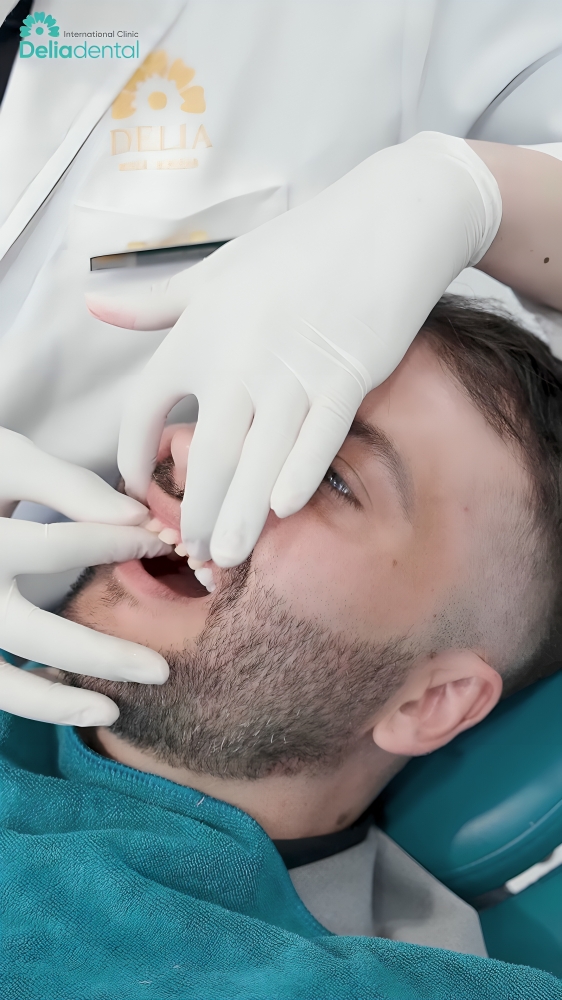
How strong is E.max, and where it should not be used
The reason dental specialists consistently recommend E.max for front teeth comes down to a fundamental principle of optics: how light behaves once it reaches the surface of a dental crown. Natural human enamel is not a flat, solid surface. It is inherently translucent, meaning light passes through this outer layer and reflects off the deeper dentin underneath. This natural filtration is what gives real teeth their visual depth, multi-toned character, and slight natural glow, rather than a dense, opaque appearance.
When replacing or restoring an anterior tooth, matching this natural depth is the ultimate test of cosmetic dentistry. Older options, such as porcelain-fused-to-metal (PFM) crowns, fail to replicate this look because the dark metal substructure blocks light completely, often leaving a telltale gray line near the gum tissue. While high-quality zirconia has improved significantly over the years, even modern multilayered zirconia struggles to achieve the exact level of translucency that lithium disilicate provides.
For a front tooth, any artificial looking texture is immediately noticeable. This specific aesthetic advantage is the main reason E.max has become the global standard for anterior crowns and full smile makeovers. While it may not possess the extreme, industrial-grade strength required for heavy back-molars, its structural integrity is perfectly calibrated for front teeth, prioritizing an unnoticeable, seamless blend with your natural smile.
Clinical survival data
E.max has a substantial clinical track record at this point. A prospective study following 551 E.max restorations over 14 years reported a survival rate of 98.6%, with an annual failure rate of just 0.1%. Other published studies tracking E.max crowns over 8 to 10 years have reported survival rates consistently above 95%, with most failures occurring in molars rather than the front teeth the material is primarily designed for.
This is consistent with what the material’s strength profile would predict. E.max performs reliably where it is supposed to be used. The failure data that does exist mostly reflects cases where it was placed under higher load than the material is built to handle.
E.max crown vs E.max veneer
Because E.max is used for both dental crowns and dental veneers, it is common for patients to be unsure which option their specific case actually calls for, especially since both restorations utilize the exact same premium lithium disilicate material. Understanding the structural differences between these two applications is essential before moving forward with any smile transformation.
A veneer is an ultra-thin shell, typically measuring around 0.3 to 0.7mm in thickness, that bonds exclusively to the front surface of a tooth. It serves as a minimally invasive cosmetic solution designed for teeth that are structurally healthy but suffer from deep discoloration, minor chips, or uneven alignment. Because it only covers the visible face of the tooth, it requires very little alteration to your natural enamel.
In contrast, a dental crown covers the entire tooth structure all the way around, functioning like a protective cap with a thickness of 1.0 to 1.5mm. Dentists recommend crowns when a tooth has lost significant structural integrity, whether from extensive decay, a previous root canal treatment, or a major fracture. To accommodate a crown, the underlying tooth must be reshaped on all sides to create a stable foundation for the restoration.
The underlying material remains identical in both cases, offering the same lifelike translucency and natural aesthetic value. What differs is how much of the tooth needs covering, which comes down to how much healthy, natural tooth structure remains. If you are unsure which treatment applies to your situation, the reality is that this is a strict clinical decision your dental specialist needs to make after a thorough examination, rather than a choice based on personal preference or cost alone.
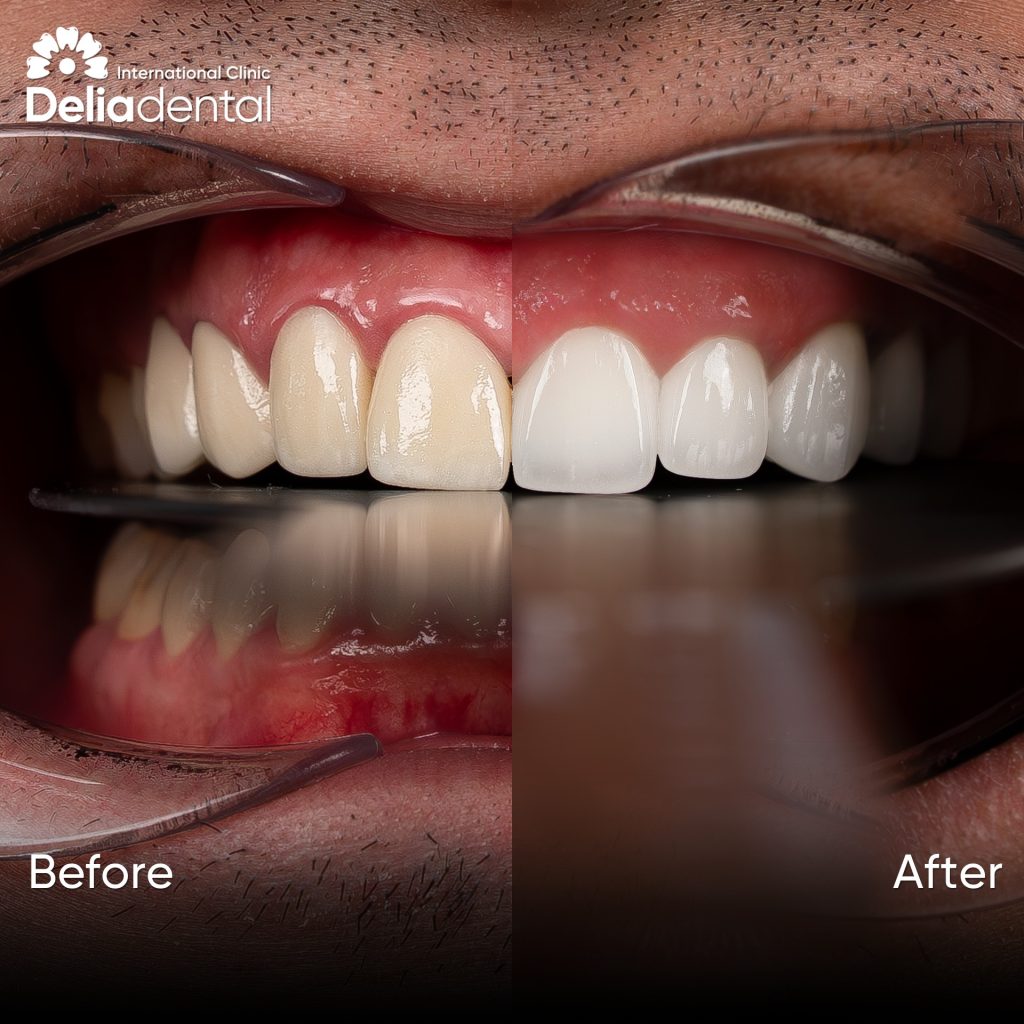
What an E.max crown costs in Vietnam
At Delia International Dental Clinic, an E.max crown costs from $290 per tooth at standard preferential pricing. This reflects the material and lab work involved, and the final price can vary slightly depending on the specific case.
For comparison, the same E.max crown typically costs $1,200 to 2,500 in the United States, $1,300 to 2,200 in Australia, and $800 to 1,800 in the United Kingdom. The material being placed is the same Ivoclar product in every case. The price difference reflects the cost of running a dental practice in each country, not a difference in what is actually going into your mouth.
How Delia Dental Clinic approaches material selection
Not every case is a good fit for E.max, and a clinic that recommends it automatically for every crown, regardless of tooth position or bite force, is not making decisions based on what the patient actually needs.
At Delia International Dental Clinic, material selection takes into account where the tooth sits in the mouth, how much force it absorbs during normal biting, and whether the patient shows signs of bruxism or heavy grinding. E.max is recommended where its aesthetic strength is the priority and the load on the tooth supports it. Where it is not the right fit, the team will say so and recommend zirconia or another material instead, even if E.max is the more requested option by name.
If you are trying to figure out which crown material is right for your specific case, sending photos or X-rays for a remote assessment is the most reliable way to get a clear answer rather than guessing based on what sounds best.
Book a free consultation here.

Final thoughts
E.max is not the strongest crown material available, and it is not meant to be. What it does better than almost anything else is recreate the way light moves through a natural tooth, which is exactly why it has become the standard recommendation for front teeth and smile makeovers. Whether it is the right choice for you depends less on the material’s reputation and more on where the crown is going and what it needs to withstand.


